


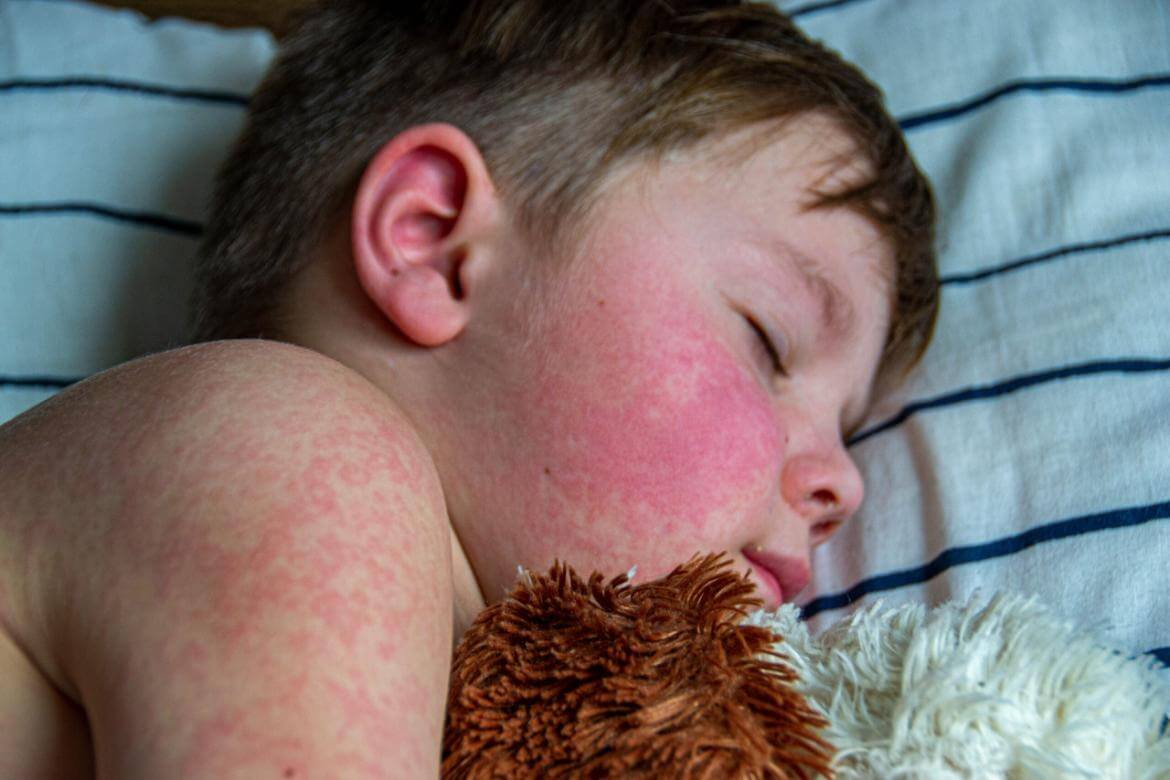
Kawasaki Disease
Kawasaki Syndrome is a health condition caused by inflammation of medium-sized blood vessels in the body. This condition, medically called "vasculitis," can particularly affect the coronary arteries, which carry blood to the heart muscle.
This disease usually occurs in childhood and is one of the most common vascular infections. It occurs primarily in children between the ages of 5 and 6 and presents with symptoms such as high fever, skin rash, and redness of the mouth, tongue, and eyes. These symptoms typically last longer than three days. The primary cause of Kawasaki Syndrome is usually viruses.
Additionally, this condition is sometimes called "mucocutaneous lymph node syndrome" because the lymph nodes that swell during the infection can affect the skin, mucous membranes of the mouth, nose, and throat.
If left untreated, Kawasaki Syndrome can lead to long-term heart problems. Serious consequences can include aneurysms, weakening of the heart muscle, heart failure, heart attack, arrhythmias, and vascular occlusion.
However, when treated correctly, it usually does not cause permanent damage and children can lead normal lives.
Kawasaki disease symptoms
Kawasaki Disease is a disease that causes inflammation of the blood vessels, particularly in children. Symptoms develop in three stages and appear rapidly. Different symptoms can be observed in the first, second, and third stages of the disease.
Early stage symptoms of Kawasaki disease:
- High fever (over 39 degrees) lasting more than three days and not responding to drug treatment.
- Redness of the eyes, especially conjunctivitis (red eyes without discharge).
- Redness on different parts of the body, especially skin rash spreading from the chest to the legs and genital area.
- Swelling and redness in the hands and feet.
- Enlargement of the lymph nodes may be noticeable, especially in the neck.
- Irritation of the throat, mouth and lips.
- Strawberry tongue appearance on the tongue, with a rough surface and a strawberry-like appearance.
Symptoms of the second stage of Kawasaki disease:
- Joint pains.
- Diarrhea.
- Vomiting.
- Stomach ache.
- Peeling of the skin of the hands and feet.
The third stage of Kawasaki disease:
If complications have not developed in the third stage of the disease, symptoms gradually begin to disappear. However, children's energy levels may take a long time to recover.
Treatment of Kawasaki disease is important, and it is recommended that treatment begin within 10 days of the onset of symptoms. Treatment typically includes high-dose aspirin and immunoglobulin therapy. Early diagnosis and treatment can help reduce the risk of heart complications.
If your child experiences symptoms such as a high fever lasting longer than three days, it's important to consult your nearest healthcare provider. This will help prevent potential complications through early diagnosis and treatment.
What are the complications of Kawasaki disease?
Kawasaki disease is a leading cause of acquired heart disease, especially in children. However, with effective treatment, it only causes permanent damage in a small percentage of children. This disease has been associated with various heart complications in children. Some of these complications include:
- Coronary artery inflammation and aneurysms: The most serious complication is inflammation of the coronary arteries (the large vessels that carry blood to the heart). This can lead to weakening and widening of the artery walls (aneurysms). Aneurysms can increase the risk of blood clots and can lead to heart attack or internal bleeding. These aneurysms may need to be monitored and treated as needed throughout the child's life.
- Inflammation of the heart muscle (Myocarditis): Kawasaki disease can cause inflammation of the heart muscle. This can affect heart function and increase the risk of heart failure.
- Heart valve problems: The disease can affect the heart valves and prevent them from working properly, which can lead to heart rhythm disturbances and heart failure.
- Arterial problems: Kawasaki disease can also affect arteries in other parts of the body. Inflammation of these arteries can damage the circulatory system.
- Heart rhythm disorders: Heart rhythm disturbances may develop as a result of heart disease, which can lead to various symptoms.
Early treatment is crucial for preventing or minimizing heart complications. Seeking medical attention promptly when symptoms begin can help prevent long-term complications.
What causes Kawasaki disease?
The cause of Kawasaki Disease is not fully understood, but a number of factors are thought to play a role in its development. These factors include:
- Genetic predisposition: Family history may increase susceptibility to the disease. Children with a family history of Kawasaki disease may be at higher risk of developing the disease.
- Environmental factors: Environmental factors such as viruses and bacteria may play a role in triggering the disease. Respiratory infections may trigger the onset of the disease. However, the specific trigger for the disease has not yet been identified.
- Immune system response: The triggering factor at the onset of the disease can trigger an overreaction in the immune system. This response can lead to the body attacking its own tissues. This can lead to conditions such as inflammation of the heart muscle (myocarditis) and inflammation of blood vessels (vasculitis).
- Vascular inflammation and aneurysms: Inflammation can cause weakening and swelling of blood vessel walls. This can lead to abnormal dilation of the blood vessels (aneurysms). Aneurysms can increase the risk of blood clots and lead to serious complications such as heart attack.
- Regional and gender differences: Kawasaki disease is particularly prevalent in Far Eastern countries. It occurs more frequently in boys than in girls. Furthermore, the disease has been observed to occur more frequently in winter and early spring.
- Age factor: Kawasaki disease usually occurs in children under 5 years of age. It is less common in infants younger than 4 months, suggesting that the protective antibodies in breast milk play a role.
The exact causes and triggers of Kawasaki disease are still under investigation. As we better understand the causes of the disease, more effective treatment and prevention strategies can be developed.
How is Kawasaki disease diagnosed?
Diagnosis of Kawasaki disease is based on clinical evaluation and exclusion of other conditions with similar symptoms, rather than specific testing. Below are details on how Kawasaki disease is diagnosed:
- Clinical evaluation: The doctor evaluates the child's symptoms and performs a physical examination. He or she observes the characteristic signs and stages of the disease.
- Blood tests: Blood tests are used to detect signs of inflammation and reactions occurring within the body. Levels of markers such as CRP (C-reactive protein) and sedimentation rate can indicate the degree of inflammation.
- Complete blood count: This checks the white blood cell, red blood cell, and platelet counts. Findings such as a high white blood cell count and a low red blood cell count may indicate the presence of disease.
- Urine tests: Urine tests are checked for abnormalities or signs of inflammation.
- Electrocardiogram ( ECG ): A test that evaluates the electrical activity of the heart. Heart rhythm and function are checked.
- Echocardiogram (ECHO): A test performed by imaging the heart using ultrasonic waves. It provides detailed information about heart structure and function.
- Other tests: In some cases, doctors may use x-ray imaging of the coronary arteries (coronary angiography) or magnetic resonance imaging of the coronary arteries (MR angiography).
- Excluding symptom similarities: It is important to exclude other conditions with similar symptoms (e.g., juvenile rheumatoid arthritis, infections, Stevens-Johnson syndrome, etc.). This ensures a correct diagnosis of Kawasaki disease.
Diagnosis of Kawasaki disease is typically made through a series of tests and clinical evaluations. Early diagnosis and treatment are critical to preventing or minimizing cardiac complications.
What are the treatment methods for Kawasaki disease?
Treatment methods for Kawasaki Disease can vary depending on the severity of the disease and the risk of complications. Below, you can find detailed treatment approaches for Kawasaki Disease:
- Initial treatment: In the initial stages of the disease, hospitalization may be necessary. The goal is to control high fever and reduce inflammation. High-dose aspirin and immunoglobulin therapy are usually administered during this stage.
- Aspirin therapy: High doses of aspirin help reduce fever and inflammation. It may also help prevent abnormal widening (aneurysm) of the coronary arteries.
- Immunoglobulin (IVIG) therapy: Immunoglobulin is the administration of antibodies used to regulate the immune system. This treatment may reduce the risk of coronary artery aneurysms.
- Post-treatment follow-up: After hospitalization, it's important to monitor your child's symptoms and the development of heart complications. Your pediatrician or pediatric cardiologist will monitor your child's condition with regular checkups and tests.
- Coronary artery aneurysm : If a coronary artery aneurysm has developed, long-term aspirin and anticoagulant therapy may be necessary. It is also important to protect the child from infection and monitor the coronary arteries.
- Surgical interventions: In some cases, coronary artery aneurysms or blockages may require surgery. These interventions may include coronary artery bypass grafting or stent placement.
Treatment for Kawasaki Disease can require a long-term approach and varies for each patient. Treatment and follow-up are determined based on the patient's symptoms, risk of complications, and overall health. It's important to work with a pediatric cardiologist to determine your child's treatment plan and ensure appropriate follow-up.
Important considerations after Kawasaki disease treatment
Below you can find important points to consider after treatment of Kawasaki Disease:
- Early follow-up and check-ups: Regular check-ups and follow-up are important after treatment. Children at risk of developing heart problems or aneurysms, in particular, should be monitored regularly as recommended by their specialist.
- Echocardiography: Regular echocardiography (heart ultrasound) is recommended after treatment, especially if you have or are at risk for a coronary artery aneurysm. These tests help monitor your heart health.
- Aspirin and medication: If your child needs to take any medications during or after treatment, they should be used according to their doctor's recommendations. If aspirin therapy is necessary, it's important to use it in the doses and for the duration of time prescribed by your doctor.
- Protection from Infections: Your child's immune system may be weakened, so it's important to protect yourself from infections. Vaccines, especially for diseases like chickenpox and measles, should be taken seriously.
- Healthy lifestyle: Adopting a healthy lifestyle can support a child's overall health. Habits like a balanced diet, regular exercise, and avoiding stress are important.
- Regular dental checkups: Children being treated for Kawasaki disease should also pay attention to oral health care. Regular dental checkups and maintaining good oral hygiene are important.
- Psychological support: The treatment process and its aftermath can affect your child's psychological well-being. If necessary, you should seek the help of a psychologist or counselor to support your child's emotional needs.
- Family education: Family awareness of the disease and their ability to intervene when necessary are crucial for managing the child's health. It's important to learn about the disease and follow the recommendations of your doctor.
Every child's situation may be different, so it's important to follow your doctor's recommendations and treatment plan. If you have questions or concerns about your child's health, it's best to seek support and guidance from a qualified doctor.
