


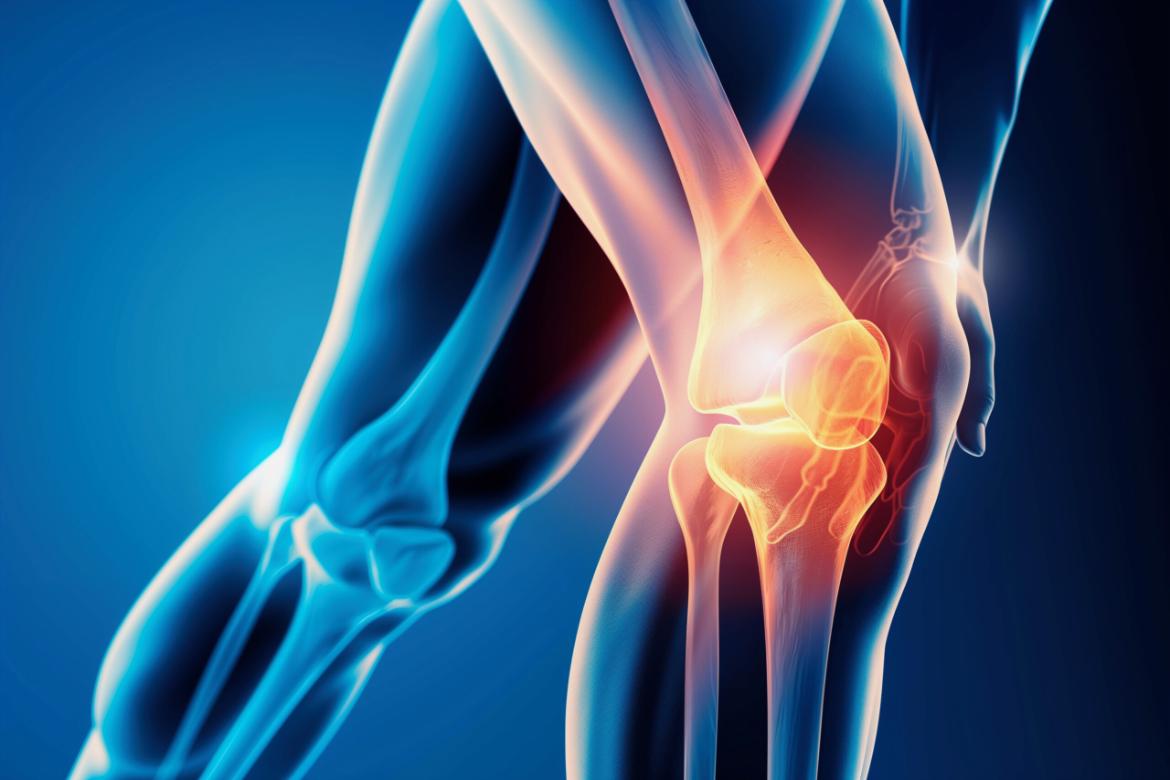
Meniscus and Treatment Methods
The knee joint is one of the most complex and important joints that enable movement in the body. Maintaining healthy structures within this joint is critical for maintaining a comfortable daily life. The meniscus, located in the knee joint and balancing load distribution during movement, is one of the most important structures that enable human mobility. While we tend to think of meniscus injuries primarily as a common occurrence in athletes, injuries to these structures can also occur with age.
What is Meniscus?
The menisci are crescent-shaped cartilage structures located in the knee joint. There are two menisci in the human knee. The medial meniscus is located on the inside of the knee joint , while the lateral meniscus is located on the outside. These structures not only provide stability to the knee joint, but also serve to reduce friction between bones and protect the joint. Furthermore, these structures are critical to human anatomy because they help distribute the body's weight evenly.
What is a Meniscus Tear?
Meniscus injuries occur due to strenuous movements in sports activities or aging. The most common causes include sudden twisting movements, pressure during squatting, and traumatic impacts. As we age, meniscus tissue weakens, and degenerative tears become more common.
Symptoms of a Meniscus Tear
When it comes to meniscus tear symptoms , the most common symptom is pain in the knee, especially when it's associated with movement. Swelling, stiffness, locking, or limited movement in the knee are also among the symptoms. Discomfort while squatting or climbing stairs also indicate a tear in these structures. A meniscus tear is a condition that causes significant symptoms in the knee. Among the most prominent of these are pain, swelling, and a clicking sound during movement. The intense pain and popping sensation felt at the moment a tear occurs are among the most obvious signs of this condition.
The most common symptoms seen in individuals with meniscus tears are:
- A Popping Sound and Abnormal Knee Movement Sensation: A popping sound coming from the knee is quite characteristic of a meniscus injury. This is often associated with a sensation of the knee being dislocated.
- Limited Motion and Pain in the Knee: Strain and pain are often experienced when bending, twisting, or performing normal movements. This pain can be severe enough to make daily activities difficult.
- Swelling and Edema: The tear causes edema to accumulate in the knee, causing swelling. This swelling is particularly noticeable in the area where the meniscus is damaged.
- A clicking sound coming from the knee, accompanied by a feeling of friction or catching when moving the knee, is one of the common symptoms of a meniscus tear.
- Locking and Stuck Feeling Stopping movement at some point in the knee or the feeling of locking is one of the important symptoms indicating a meniscus tear .
- Knee Weakness and Loss of Support People with a meniscus tear may experience weakness in their knees.
What Tests Are Performed for Meniscus Tear?
Diagnosing meniscus injuries typically involves a physical examination and imaging studies such as an MRI. Doctors can identify meniscus damage using specialized maneuvers such as the McMurray test or the Apley compression test.
The treatment plan for meniscus injuries varies depending on the type and severity of the injury, as well as the patient's age and lifestyle.
- Non-Surgical Treatments
- It is important to relieve the load on the injured knee with rest.
- It is possible to reduce swelling and pain to a certain extent by applying ice.
- The knee joint can be supported by using a bandage or knee brace.
- Muscles can be strengthened with physiotherapy .
- Pain and inflammation can be reduced with medications deemed appropriate by the physician.
- Surgical Treatment
If nonsurgical treatments do not work or if the injury is severe, surgery may be necessary for this condition.
Meniscus Tear and Arthroscopy Surgery
In surgical treatment for meniscus tears, closed surgery, also known as arthroscopic surgery , is generally preferred over open surgery. This technique allows for direct viewing and intervention inside the joint.
During arthroscopy, a small incision, approximately 1 centimeter in size, is made through which a thin, pencil-thin camera is inserted into the joint. If necessary, one or more additional incisions are made to insert specialized surgical instruments into the joint to repair or remove torn meniscus tissue.
- Incisions: The incisions made during surgery are very small, usually about 1 centimeter each. These incisions are closed with stitches or tape.
- Instruments Used: Specialized shavers and scissors are used to remove or repair torn meniscus tissue. The surgeon can also use an arthroscope to evaluate other problems within the joint. Loose cartilage fragments or other damage can be identified and repaired during this procedure.
Types of Anesthesia
Arthroscopy surgery can be performed using a variety of anesthesia techniques, depending on the patient's condition and the surgeon's preference. Arthroscopy can be performed using general anesthesia, which completely anesthetizes the patient, local anesthesia, which only anesthetizes the knee area, or epidural or spinal anesthesia, which anesthetizes the patient from the waist down.
Arthroscopic surgery, being a minimally invasive procedure, accelerates the healing process while also allowing the surgeon to perform a detailed assessment of the joint. This is an effective and modern approach to treating problems related to meniscal tears.
Types of Meniscus Surgery
- Partial Meniscectomy: This is the procedure of removing a portion of the torn meniscus.
- Meniscus Repair: This is a method of stitching the torn portion of the meniscus. It is suitable for young and active individuals.
- Meniscus Transplantation: This is the process of transplanting another meniscus tissue to the patient in cases where the meniscus is completely dysfunctional.
Arthroscopic Meniscus Surgery: Modern Surgical Method
The knee joint is one of the body's most important and most mobile joints. Over time, wear and tear, injuries, or accidents can damage the structures within the knee. A meniscus tear occurs when the meniscus, the cartilage in the knee, becomes damaged and is particularly common in athletes. Meniscus tears can cause pain, swelling, and limited movement. Unlike traditional treatment methods, arthroscopic meniscus surgery stands out as a minimally invasive option.
What is Arthroscopic Meniscus Surgery?
Arthroscopic meniscus surgery is a minimally invasive surgical procedure used to treat meniscus tears in the knee. This procedure uses a small camera and surgical instruments inserted into the knee to identify and treat meniscus problems within the joint. The word "arthroscopy" is derived from the words "arthro" (joint) and "scopy" (observation), meaning to observe inside the joint.
During surgery, the surgeon makes several small incisions in the knee, and an arthroscope inserted through one of these incisions visualizes the inside of the knee on a screen, allowing the surgeon to choose the appropriate treatment option. If there is a meniscal tear, the surgeon either repairs the meniscus or removes the torn portion.
Advantages of Arthroscopic Meniscus Surgery
Arthroscopic meniscus surgery offers many advantages over traditional open surgery. Here are some of the most prominent benefits:
- Minimally Invasive : Arthroscopic procedures require only small incisions, resulting in a faster recovery. While traditional surgeries require larger incisions, arthroscopy is much less invasive.
- Less Pain and Swelling : Because of the smaller incisions, patients experience less pain and a quicker recovery. Swelling is also generally less.
- Short Recovery Time : After arthroscopic surgery, patients generally stay in the hospital for a shorter time and can return to their normal lives more quickly.
- Small Scars : The small incisions made in this method do not cause large scars and provide more aesthetically pleasing results.
- Rapid Return to Physical Activity : Many patients can return to light activities more quickly after arthroscopic surgery. Typically, full recovery can take several weeks.
How is Arthroscopic Meniscus Surgery Performed?
Arthroscopic meniscus surgery is usually performed under general or local anesthesia. The procedure steps are as follows:
- Anesthesia Administration : The appropriate type of anesthesia is selected for the patient. General anesthesia is usually used, but in some cases, local anesthesia may be sufficient.
- Making the Incisions : The surgeon makes several small incisions inside the knee. The arthroscope is inserted through one of these incisions.
- Inserting the Arthroscope : An arthroscope is a camera used to view and monitor structures within a joint. The images from the camera help the surgeon detect a meniscal tear.
- Treatment : The torn or damaged meniscus is repaired or removed using arthroscopic instruments. If the meniscus can be repaired, it is stitched; otherwise, the torn area is removed. Depending on the size and location of the tear, the surgeon may use different techniques.
- Closing the Incisions : Once the procedure is complete, the small incisions are closed with stitches. These incisions are usually so small that they leave little or no scarring.
Risks of Arthroscopic Meniscus Surgery
Like any surgical procedure, arthroscopic meniscus surgery carries some risks. However, these risks rarely lead to serious complications. Here are some potential risks of arthroscopic meniscus surgery:
- Infection : There is a risk of infection after surgery. However, this risk can be minimized with proper sterilization and care.
- Bleeding : Excessive bleeding may occur during surgery, but this can usually be controlled.
- Knee Stiffness and Limited Movement : Stiffness and limited movement in the knee may occur during the recovery process. In this case, physical therapy is recommended.
- Re-Tear : After the meniscus is repaired, it can tear again as a result of excessive force or trauma.
The Healing Process
Recovery from arthroscopic meniscus surgery is generally rapid. Swelling and pain may occur in the first few days, but this will gradually subside. Physical therapy is important to increase knee mobility and strengthen muscles.
- First 1-2 weeks : Swelling and pain may occur. Resting in an elevated position, applying ice, and using anti-inflammatory medications may provide relief.
- 3-4 weeks : You can start walking slowly and doing light exercises.
- 6-8 weeks : More intense physical activities can be undertaken, but full recovery usually takes several months.
- Meniscus Tear Surgery in Children
Meniscus tears in children often occur as a result of a traumatic event (sports injuries, falls, accidents). Because children's bones are still growing, surgery must be performed with extreme caution. Meniscus repair is generally the preferred treatment for meniscus tears because children's menisci have greater healing potential. Meniscus repair involves stitching the torn portion of the meniscus back to its original condition. After surgery, children generally require several weeks of rest and physical therapy.
- Meniscus Tear Surgery in Women
While meniscus tears are less common in women than in men, they can occur due to wear and tear on the knee, particularly with age. Treatment for meniscus tears in women generally involves meniscus repair or partial meniscus removal (meniscectomy) . Meniscus repair is considered the best option for preserving joint function. However, if meniscus repair is not possible, a meniscectomy may be performed. Post-operative recovery in women often requires physical therapy, as the knee joint and surrounding muscles need to be strengthened.
- Meniscus Tear Surgery in Men
In men, meniscus tears often occur due to sports injuries, excessive strain, or age-related degenerative changes. In younger men, meniscus repair is generally the preferred treatment. However, if the tear is advanced and meniscus repair is not possible, a meniscectomy (removal of the torn portion) may be performed. Postoperative recovery is generally supported by physical therapy and knee strengthening. The time it takes to return to daily activities after surgery varies depending on the extent of the tear and the treatment administered.
- Meniscus Tear Surgery in the Elderly
Meniscus tears in the elderly often occur due to age-related degeneration. With age, the menisci in the knee become more fragile, leading to tears. Meniscus surgery is often preferred over meniscus repair for meniscus tears in the elderly, as menisci are more difficult to repair and the recovery period can be longer. Meniscus removal is performed to reduce joint mobility and pain. Post-operative recovery can often be longer, but patients experience significant improvements in pain and joint mobility.
Surgery Process and Recovery:
Surgery for a meniscus tear is usually performed using arthroscopic surgery . This minimally invasive technique involves inserting a camera into the knee through small incisions, allowing the tear to be repaired or a portion of the meniscus to be removed.
Recovery time varies depending on age, tear size, type of surgery (repair or removal), and the individual's overall health. Patients can typically return to their daily activities within 3 to 6 weeks , but returning to full sports activities can take several months.
Meniscus Surgery and After
Meniscus surgeries are generally performed using arthroscopic (closed) surgery. This method allows for faster recovery. Paying attention to post-operative precautions is crucial for a speedy recovery. Regularly performing the exercises recommended by your doctor, avoiding stressful movements on the knee joint, maintaining physical therapy, and consulting a doctor if you experience swelling or pain are all crucial for managing the post-operative period.
Meniscus injuries can be easily recovered from with accurate diagnosis and appropriate treatment. Even in cases requiring surgery, advanced surgical techniques and rehabilitation programs help patients quickly return to their normal lives. To maintain knee health and prevent meniscus injuries, it's important to exercise regularly and avoid strenuous activities. If you suspect a meniscus injury, you can contact Özel Magnet Hospital for support from the orthopedic and traumatology outpatient clinic.
Frequently Asked Questions
How Long Does Closed Meniscus Surgery Take?
Closed meniscus surgery is typically performed arthroscopically and can be completed in less than an hour . Surgery time varies depending on factors such as the extent of the tear and the condition of the joint, but for most patients, the procedure takes between 30 minutes and an hour . This minimally invasive surgical method results in a rapid recovery.
How Many Days Does the Hospital Stay After Closed Meniscus Surgery?
Closed meniscus surgery generally does not require hospitalization . This procedure can be performed as an outpatient procedure , and most patients can return home the same day. However, depending on the patient's condition, they may need to stay in the hospital overnight. The length of hospital stay may vary depending on the doctor's recommendations.
When Can I Take a Bath After Closed Meniscus Surgery?
It's recommended to avoid bathing for the first few days after surgery . To keep the wound clean and prevent the risk of infection, it's generally recommended to avoid bathing for the first 48-72 hours . This period may vary depending on individual healing and your doctor's recommendations.
Can I Walk Immediately After Surgery?
While walking is possible immediately after meniscus surgery , caution should be exercised. For the first few days, it may be necessary to use a support device (cane or walker) . Patients can usually walk short distances without further pain the day after surgery, but it's important to rest for the knee to fully heal and strengthen. Exercises and physical therapy to restore early mobility and reduce swelling can speed up the healing process.
How Many Days Does It Take to Heal from Closed Knee Surgery?
Swelling and pain may decrease significantly in the first 2-3 weeks after closed knee surgery . However, full recovery time varies depending on individual factors and the type of tear. Patients can usually return to daily activities within 4-6 weeks . However, it may take several months to be able to participate in sports or regain full knee function. Full recovery can take 3-6 months , and regular exercise and physical therapy can help accelerate recovery during this time.
Should the Meniscus Be Sutured or Removed?
In the treatment of meniscus tears, the condition of the meniscus and the size of the tear play a significant role. In young patients and if the tear is small, meniscus repair is preferred, as preserving the meniscus is best for joint health. However, if repair is not possible or the tear is large, a portion of the meniscus may be removed (meniscectomy). Removal of the meniscus can result in the loss of its shock-absorbing and supportive functions, so preserving the meniscus should always be the primary goal.
How Many Days Does It Take for Post-Operative Edema to Go Away?
The time it takes for swelling to subside after meniscus surgery varies depending on the individual's recovery process. Swelling and swelling may be greatest in the first 3-5 days , but ice and rest during this time will help reduce swelling. Generally, swelling subsides significantly within 2-3 weeks . A full recovery can take up to 6 weeks . This timeframe can vary depending on the patient's overall health, age, tear size, and the treatment used.
What Percentage Reports Are Given for Meniscus Tear?
The disability rating for a meniscus tear depends on factors such as the severity of the tear, the treatment method, and the individual's employment status. A disability rating is generally issued when a meniscus tear requires surgical treatment. A disability rating can range from 10% to 40% , depending on the extent of the tear and its impact on the patient's occupational and daily activities . The disability rating varies depending on the specialist's assessment and the patient's condition.
Does Walking Harm a Meniscus Tear?
Walking for someone with a meniscus tear is generally harmless ; on the contrary, it can be beneficial for strengthening the knee muscles and increasing mobility in the knee joint. However, experiencing pain while walking and walking at a high pace for extended periods can put more stress on the knee and worsen the condition. It's recommended to take short, low-intensity walks without straining the knee or experiencing pain. Additionally, wearing appropriate knee pads or supportive equipment during exercise and walking can also contribute to recovery.
Is Closed Surgery Difficult?
Closed meniscus surgery (arthroscopic surgery) is a more minimally invasive approach than traditional open surgery , meaning smaller incisions are made for the surgeon to enter the knee. This method generally results in less pain, shorter recovery time, and a lower risk of complications. While closed surgery isn't difficult , the surgeon's expertise and the type of tear can influence the procedure. This type of surgery is typically performed by experienced orthopedic surgeons, and most patients can return to their daily lives quickly. However, each surgery can present unique challenges, so it's important to have it performed by a qualified surgeon.
How is Closed Meniscus Surgery Performed?
Closed meniscus surgery is an arthroscopic procedure. It involves making only a few small incisions in the knee and generally involves the following steps:
- A small camera called an arthroscope is inserted into the knee joint to visualize any tears or damage to the inside of the knee.
- The surgeon enters the knee through an arthroscope and uses special surgical instruments to repair the meniscus tear.
- If the meniscus cannot be repaired, the torn section may be removed.
- The wounds are closed and the procedure is completed through small incisions. This allows for a much faster healing process.
Because closed surgery is minimally invasive , recovery time for patients is short and complications from large incisions are much less.
How Many Months Does It Take for a Meniscus to Heal?
The recovery time for a meniscus repair varies depending on the type of tear and the patient's age. Meniscus healing typically takes 3 to 6 months . For the first 3 months, it's important to limit loads on the knee. For complete recovery, it's important for patients to avoid excessive strain on their knees and participate in physical therapy.
Which Meniscus Is Injured Most?
The inner meniscus (medial meniscus) of the knee is more frequently injured than the outer meniscus (lateral meniscus) . This is because the inner meniscus is more stable and less mobile. The outer meniscus, on the other hand, allows for greater knee movement and is therefore less likely to tear. The inner meniscus is more frequently injured by trauma, sudden twisting movements, or excessive loads.
Which Meniscus Tear Is Stitched?
Whether a meniscus tear requires stitching depends on its location, size, and the patient's overall health. In younger patients , tears occurring on the outer edges of the meniscus can often be stitched, particularly because there is greater blood flow in this area, facilitating easier healing. Medial meniscus tears can be more difficult to heal and typically require surgical removal of the entire meniscus. Furthermore, if the entire meniscus is torn , repair can be difficult, and meniscus removal is generally preferred.
How Many Days Is the Risk of Post-Operative Infection?
The risk of postoperative infection is generally highest in the first 3-5 days . During this time, it is crucial to keep the wound area clean and care for it as directed by your doctor. If signs of infection, such as redness, swelling, or fluid leaking from the wound, a doctor should be consulted immediately. Generally, the risk of infection after arthroscopic surgery is low because the incisions are so small.
How to Treat Knee Edema After Meniscus Surgery?
Several methods can be used to reduce swelling in the knee after meniscus surgery:
- Ice therapy : During the first 48 hours, applying ice is very effective in reducing swelling and relieving pain. It's best to wrap the ice in a cloth rather than apply it directly to the skin.
- Elevating your legs : To reduce swelling in your knees, it's recommended to keep your legs elevated . Elevating your knees while sitting or lying down can help reduce swelling.
- Knee brace or bandage : A knee brace or compression bandage can be used to control swelling and pain in the knee .
- Exercise and physical therapy : Physical therapy is important for improving knee mobility and reducing swelling. Physical therapists can recommend specific exercises and movements to speed up the healing process.
- Medications : To reduce swelling, your doctor may recommend anti-inflammatory medications (such as ibuprofen).
When Will the Stiffness and Swelling at the Surgery Site Go Away?
Post-operative stiffness and swelling are usually most noticeable within the first 2-3 weeks . After this period, the swelling and stiffness subside. However, in some patients, this condition can persist for six weeks or longer , especially if the knee is healing more slowly. Stiffness is often associated with muscle weakness or fluid accumulation in the wound. Swelling can also be a natural consequence of post-injury inflammation or trauma to the knee. Ice therapy, elevation, and physical therapy can alleviate these symptoms. Recovery time varies for each individual, so regular medical follow-up is important.
What Does Stage 3 Tear Mean?
A Grade 3 meniscus tear indicates severe damage to the meniscus, usually a complete tear . This tear can affect nearly all or a large portion of the meniscus and carries the risk of further localized tears . Grade 3 tears are generally too large to be repaired , and in these cases, a portion of the meniscus may be surgically removed. A Grade 3 meniscus tear can cause limited range of motion, pain, and decreased knee function.
What Does It Mean If Yellow Fluid Comes From The Surgery Site?
Post-operative yellow fluid usually refers to a seroma , a fluid accumulation in the body. This can be part of inflammation or wound healing in the knee joint. Yellow fluid can be caused by the accumulation of lymphatic fluid or blood and is generally not a cause for concern. However, if the fluid is large or persistent, the risk of infection should be considered. In this case, it is important to consult a doctor and have the wound examined.
Is PRP Good for Meniscus Tears?
PRP (Platelet Rich Plasma) therapy is a treatment option that can help with joint problems such as meniscus tears. PRP is administered by injecting plasma derived from a person's own blood directly into the tear site to accelerate healing . PRP may support meniscus healing by enhancing tissue healing and pain management . However, research is still being conducted on the effectiveness of PRP. While successful results have been seen in some patients, the treatment may have different effects on each individual. The suitability of PRP treatment depends on the type of meniscus tear and the patient's health status.
What are the risks of meniscus surgery?
Meniscus surgery is generally a safe procedure, but as with any surgical procedure, there are risks. These risks may include:
- Infection : There is a risk of infection after surgery. This can usually be controlled with antibiotic treatment, but in cases of severe infection, additional surgery may be necessary.
- Bleeding : Excessive bleeding or blood accumulation at the wound site may occur.
- Knee stiffness or limited motion : Knee stiffness or limited motion may develop after meniscus repair. This can be improved with physical therapy.
- Recurrence of injury : Meniscus tears can reoccur after healing. This is especially common in people who engage in high-risk activities.
- Nerve or vascular damage : The risk of nerve or vascular damage during surgery is very low, but every surgical procedure carries some risk.
- Weakening of the knee : If the meniscus is left untreated or removed, the knee's shock absorption and support are reduced. This can lead to long-term joint problems like osteoarthritis.
Nutrition After Meniscus Surgery
Proper nutrition is crucial for accelerating post-operative recovery and supporting overall health. Here are some nutritional recommendations to consider after meniscus surgery:
Protein supports tissue repair and helps strengthen muscles. High-protein foods include
- Chicken, fish, eggs
- Milk and dairy products (yoghurt, cheese)
- Legumes (lentils, chickpeas)
- High protein grains (quinoa, oats) can be included.
Vitamin C and vitamin E strengthen the immune system and accelerate tissue healing. It's beneficial to get these vitamins from fruits and vegetables :
Omega-3 fatty acids can help reduce inflammation and speed up the healing process. You can get them from foods like fish (salmon, tuna, mackerel), walnuts , chia seeds , and flaxseeds .
Maintaining bone health after meniscus surgery is important. Calcium and vitamin D can increase bone strength:
- Calcium : Milk, yogurt, cheese, green leafy vegetables
- Vitamin D : Sunlight, eggs, salmon, mushrooms
The body's need for water increases during the healing process. Drinking enough water throughout the day helps flush toxins from the body and supports the production of joint fluid. Additionally, staying hydrated can help reduce edema (swelling).
To reduce inflammation, it's helpful to consume natural anti-inflammatory foods. These include:
- Ginger, turmeric
- Green tea
- Antioxidant-rich fruits such as blueberries and cherries
Avoid consuming too much sugar and too much salt during your recovery . Excess sugar and salt can increase inflammation and slow down healing.
Side Effects of Meniscus Surgery
Meniscus surgery is generally a safe procedure, but some side effects and complications can occur in rare cases. Here are some common and rare side effects that can occur after meniscus surgery:
Common Side Effects
- Pain and Inflammation : Mild pain and inflammation after surgery are a normal part of the healing process. This pain can usually be managed with anti-inflammatory medications or pain relievers.
- Swelling and Edema : Knee swelling can be a natural reaction to increased blood flow and the healing process. Swelling usually subsides within 1-2 weeks, but this timeframe can vary from person to person.
- Bleeding : Post-operative bleeding may occur, especially in the first few days. It is usually minimal and will subside over time. If excessive bleeding occurs, it is important to consult a doctor.
Less Common Side Effects
- Infection : While rare, there is a risk of developing infection after surgery. Signs of infection may include redness, warmth, swelling, and yellow or green fluid drainage.
- Knee Stiffness and Limited Motion : Limited motion or stiffness in the knee may develop after surgery. Physical therapy can help minimize this.
- Nerve or Vascular Damage : In rare cases, nerve or vascular damage may occur during surgery. This is usually temporary, but in some patients, it may cause prolonged numbness or tingling.
- Knee Weakening : When the meniscus is removed, the knee's shock-absorbing capacity is reduced. This can lead to long-term problems like excessive stress on the knee joint and osteoarthritis.
- Slow Wound Healing : In some patients, wound healing can be slow. This is more common in people with chronic diseases such as diabetes.
Rare and Serious Side Effects
- Deep Vein Thrombosis (DVT) : Blood clots accumulating in the legs after surgery can increase the risk of DVT. This can manifest as leg swelling, pain , and redness . These risks can be reduced with mobility and appropriate treatment.
- Development of Arthritis : Knees with meniscus removal or those that fail to heal have an increased risk of developing osteoarthritis over time . This is linked to the wearing down of the joint cartilage in the knee.
What is the Price of Meniscus Surgery?
Meniscus surgery costs can vary depending on many factors. You can visit Ankara Private Magnet Hospital for a preliminary consultation with our Orthopedics and Traumatology doctor and receive pricing information.
Does Social Security Cover Meniscus Surgery?
Yes, SGK (Social Security Institution) generally covers meniscus surgery, but this may vary depending on some conditions.
February, 2025
