


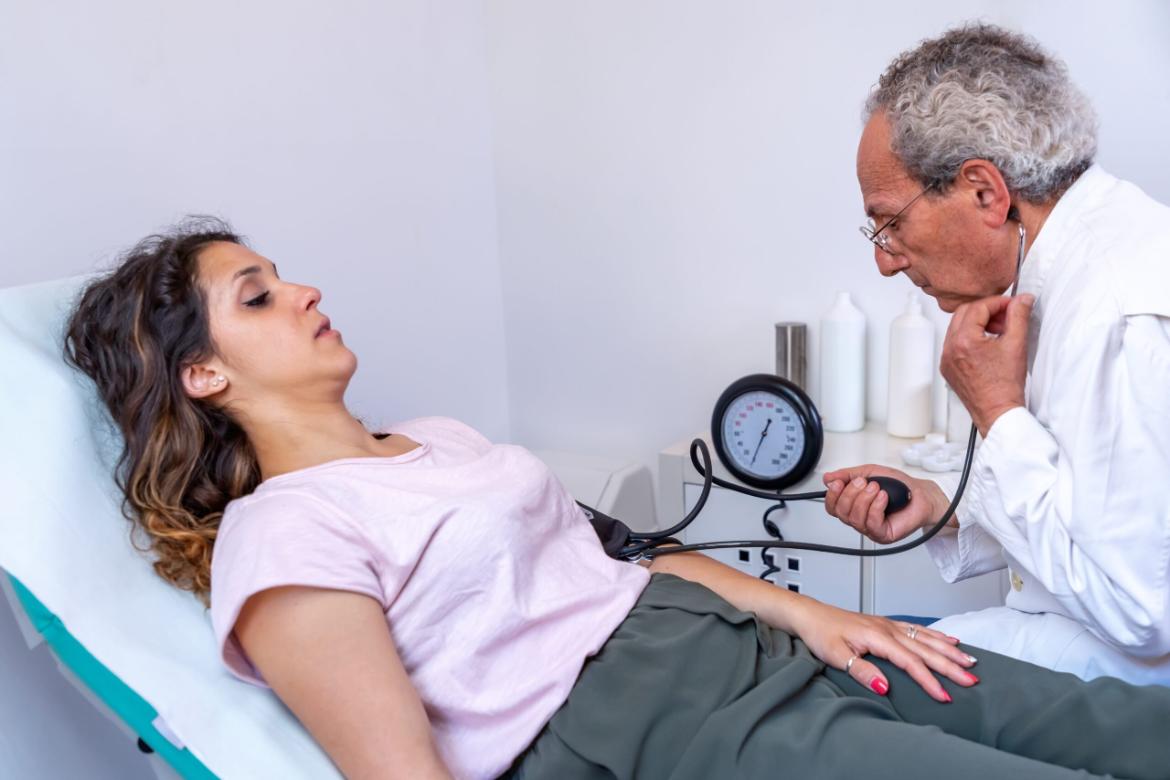
Low Blood Pressure (Hypotension)
Low blood pressure , medically known as hypotension, refers to a condition where blood pressure falls below normal levels. Blood pressure is the pressure exerted by blood in the arteries as it is pumped by the heart. A normal blood pressure is generally considered to be 120/80 mmHg (millimeters of mercury). However, everyone's blood pressure levels are naturally different, and what is considered low blood pressure can vary from person to person.
In some cases, low blood pressure may require treatment. Treatment depends on identifying the underlying cause. If your low blood pressure is causing serious health problems or symptoms, it's recommended that you consult with your healthcare provider.
What are the symptoms of low blood pressure?
Low blood pressure (hypotension) can be a condition that often doesn't cause noticeable symptoms. However, some people may experience symptoms associated with low blood pressure. These may include:
- Dizziness: Low blood pressure can cause dizziness when not enough blood reaches the brain. Dizziness is more common when you stand up quickly or stand for long periods.
- Feeling dizzy: Low blood pressure is generally associated with decreased blood flow due to decreased blood flow or dilated blood vessels, which can lead to feeling dizzy.
- Weakness and fatigue: A feeling of weakness and fatigue may occur as a result of the body not receiving enough oxygen and nutrients.
- Nausea: Low blood pressure can cause nausea. Nausea is more common with sudden posture changes or prolonged standing.
- Fainting tendency: Low blood pressure can cause fainting due to insufficient blood flow to the brain. The risk of fainting may increase, especially after sudden movements or prolonged standing.
- Pale skin: Low blood pressure can reduce blood flow to the skin, causing it to appear pale.
- Fast or irregular heartbeats: Low blood pressure can lead to increased or irregular heartbeats.
The symptoms of low blood pressure can vary from person to person, and some people may not experience any symptoms at all.
What causes low blood pressure?
Low blood pressure (hypotension) can occur for several different reasons. Some common causes include:
- Dehydration: Inadequate fluid intake or excessive dehydration can reduce blood volume, leading to low blood pressure. Vomiting, diarrhea, excessive sweating, or poor nutrition can also cause dehydration.
- Excessive blood loss: Conditions such as a serious injury, trauma, internal bleeding, or prolonged heavy menstrual bleeding can reduce blood volume in the body, leading to low blood pressure.
- Heart problems: Conditions such as heart failure, heart attack, low heart rate (bradycardia) or irregular heart rhythm (arrhythmia) can cause the heart to not pump blood effectively and cause low blood pressure.
- Hormonal imbalances: Hormonal imbalances can affect blood pressure. For example, underactive thyroid (hypothyroidism) or insufficient hormone production by the adrenal glands (adrenal insufficiency) can lead to low blood pressure.
- Medications: Some medications can cause low blood pressure. Drugs used to treat high blood pressure, in particular, can lower blood pressure excessively. Some medications, such as antidepressants, anxiolytics, diabetes medications, antipsychotics, and some painkillers, can also cause hypotension.
- Nervous system disorders: Problems with the nervous system can cause low blood pressure. For example, people with Parkinson's disease, multiple system atrophy, and other autonomic nervous system disorders may be prone to low blood pressure.
- Other factors: Factors such as standing up quickly (postural hypotension), standing for long periods in extremely hot weather, excessive exercise, stress, infections, and alcohol or drug use may also contribute to low blood pressure.
Low blood pressure can be normal for some people and may not cause symptoms. However, it's important for anyone experiencing persistent low blood pressure or experiencing symptoms to consult a healthcare professional.
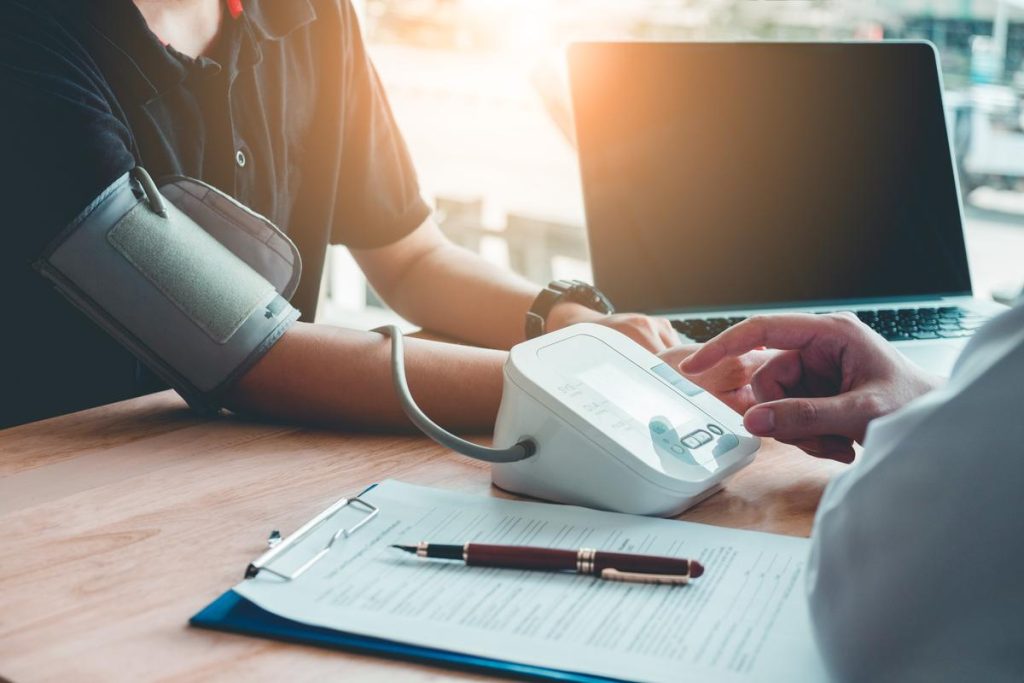
What are the complications of low blood pressure?
Low blood pressure (hypotension) usually doesn't cause serious complications and is a normal condition for most people. However, in some cases, problems caused by low blood pressure can occur. Some of the potential complications of low blood pressure include:
- Fainting: Low blood pressure can increase the risk of fainting due to insufficient blood flow to the brain. This can occur in people with low blood pressure, especially after sudden movements or prolonged standing.
- Risk of injury: Fainting or feeling dizzy increases the risk of falling. Sudden falls caused by low blood pressure can lead to fractures, lacerations, or serious head and body trauma.
- Organ damage associated with low blood flow: Prolonged low blood pressure can lead to reduced blood flow to various organs in the body, leading to inadequate oxygen and nutrients. This can negatively impact the function of the heart, brain, kidneys, and other organs.
- Chest pain: Low blood pressure can cause chest pain (angina) due to the heart not being able to provide adequate oxygen and blood flow.
- Respiratory problems : Low blood pressure can prevent enough oxygen from reaching the lungs, which can lead to shortness of breath, difficulty breathing, or other respiratory problems.
- Diarrhea: Low blood pressure can prevent the intestines from functioning properly and cause slow bowel movements (diarrhea).
- Heart rhythm problems: Low blood pressure can affect heart rhythm, leading to problems such as irregular heartbeats (arrhythmia) or bradycardia (low heart rate).
The potential complications of low blood pressure can vary from person to person. If you experience symptoms of low blood pressure or have any concerns, it's important to talk to a healthcare professional.
How is low blood pressure treated?
Treatment for low blood pressure varies depending on the underlying cause and symptoms. A treatment plan should be determined by a healthcare professional. Some common methods for treating low blood pressure include:
- Increasing your fluid intake: If you're experiencing low blood pressure due to dehydration, your doctor will likely recommend increasing your fluid intake. Drinking plenty of water, consuming electrolyte-containing beverages, or taking fluid supplements may be helpful.
- Increasing salt intake: Some people compensate for low blood pressure with a higher salt intake. Your doctor may recommend increasing your salt intake. However, people with high blood pressure, kidney disease, or other health problems may need to limit their salt intake.
- Postural changes: Simple postural changes, such as avoiding sudden changes in position, standing up slowly, or crossing the legs when sitting, can be helpful for managing a condition called postural hypotension.
- Managing underlying conditions: If there's an underlying condition or hormonal imbalance causing low blood pressure, these conditions should be treated appropriately. For example, thyroid hormone supplements may be necessary for thyroid problems or medication for heart problems.
- Medications that increase blood pressure: In certain cases, your doctor may prescribe medications that increase blood pressure to relieve symptoms of low blood pressure. However, these medications should be used with caution and taken as directed by your doctor.
Your doctor will determine the treatment plan best suited to your condition and symptoms. Treatment can vary from person to person. Therefore, it's important to consult your healthcare provider if you experience symptoms of low blood pressure.
