


Laparoscopic Rectospexy
Laparoscopic rectospexy is a surgery performed to repair a rectal prolapse, a protrusion of the rectum through the anus. This surgery returns the rectum to its normal position in the pelvis.
What is Rectal Prolapse?
Patients with rectal prolapse experience a prolapse (prolapse) of the rectum through the anus. The rectum folds in on itself and protrudes through the anal canal. Symptoms may also include changes in bowel habits, rectal bleeding, mucus drainage, anorectal pain, or fecal incontinence. Rectal prolapse is thought to occur due to the loss or weakness of the normal support structures of the rectum.
What is laparoscopic rectopexy?
Laparoscopic rectopexy is one type of surgery used to repair rectal prolapse. This surgery moves the rectum back to its normal position in the pelvis so it no longer protrudes through the anus. Stitches, often in conjunction with mesh, are typically used to secure the rectum.
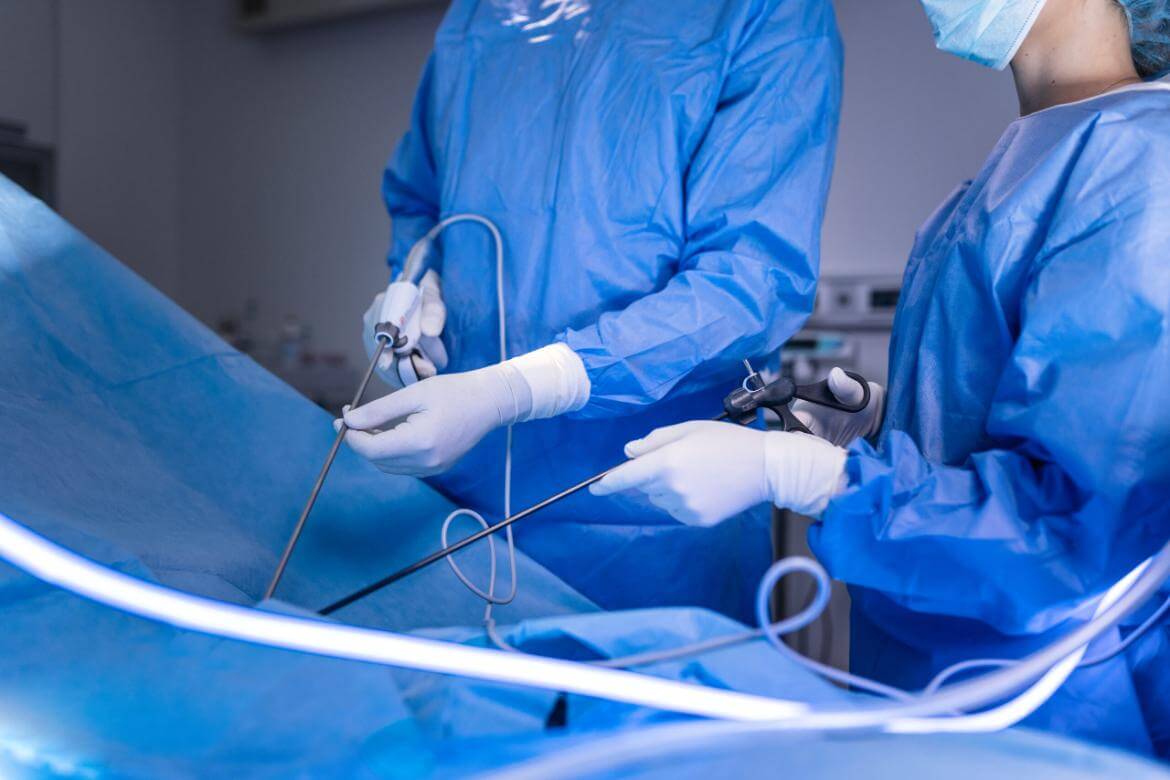
The term laparoscopic refers to surgery performed through several very small incisions in the abdomen. A laparoscope (a long, thin camera) is inserted through an incision near the belly button to view the inside of the abdomen. Other smaller incisions are used to insert instruments to perform the surgery.
What Happens During Laparoscopic Rectospexy Surgery?
There are three main steps to this surgery:
Step 1: Positioning the laparoscope
While you're under anesthesia, your surgeon will make a small incision (about 1/2 inch) near your belly button. A laparoscope will be inserted into your abdomen through this incision. Images taken by the laparoscope will be projected onto monitors.
After the laparoscope is inserted, the surgeon typically makes several more small incisions in the abdomen. The number and location of these incisions depend on the size and shape of your abdomen, the surgeon's preference, and other factors. Long, thin surgical instruments are inserted through these incisions to complete the surgery.
Step 2: Release the rectum and pull it up so that it no longer comes out
Your surgeon will begin the surgery by locating the sigmoid colon and rectum. The rectum will then be freed from the surrounding structures and gently lifted into its proper position within the pelvis.
Step 3: Fixing the rectum
Stitches will be placed around the rectum to secure it in place. Mesh may be used in conjunction with the stitches. In some cases, your surgeon may remove a portion of your sigmoid colon. You will be informed before surgery if this is a possibility.
Finally, the incisions will be stitched closed. Your stitches will dissolve and remain under the skin; you will not have any stitches that need to be removed.
Laparoscopic surgeries are performed at Ankara Magnet Hospital.
What Happens After Laparoscopic Rectospexy?
After surgery, you will:
- He was hospitalized.
- Can eat as tolerated.
- Painkillers are given when necessary.
- Being able to get out of bed and walk around the night of your surgery.
- You can return home when you can eat, have no signs of infection, have returned bowel function, and can care for yourself at home.
Your surgeon will give you specific instructions for your post-operative recovery. In general, you'll be encouraged to steadily increase your activity level once you return home. Walking is a great exercise and aids your overall recovery by strengthening your muscles, improving circulation to prevent blood clots, and helping to keep your lungs clear.
You'll be sent home on a soft diet, meaning you can eat almost anything except raw fruits and vegetables. You should continue this diet until your post-operative checkup. If you become constipated or have any other concerns while you're home, please contact your doctor.
Frequently Asked Questions
What should be taken into consideration after laparoscopy surgery?
To support the healing process and prevent complications after laparoscopy surgery, it is important to pay attention to the following:
- It can take time for your body to heal after laparoscopy. It's important to allow time for rest and recovery. Adjust your activity level as recommended by your surgeon and avoid strenuous physical activity.
- Keep your surgical incisions clean and dry. Follow your doctor's instructions for wound care during the healing process. If you notice signs of infection, such as redness, swelling, excessive bleeding, or pus formation in your incisions, contact your doctor immediately.
- Take painkillers or antibiotics regularly, as recommended by your surgeon. Taking medications as directed by your doctor is important to relieve pain and reduce the risk of infection.
- Follow your surgeon's recommended diet. Choose foods that are easy to digest and eat slowly. Following your surgeon's recommended diet will help your digestive system heal.
- Drinking plenty of water is important to stay hydrated and support circulation. Follow your doctor's recommended fluid intake.
- It's important to do light exercise, as recommended by your surgeon, to increase circulation and promote healing. However, avoid overly strenuous or intense exercise.
- If you notice any adverse symptoms during your recovery, such as fever, severe pain, nausea, vomiting, bleeding, or signs of infection, contact your doctor immediately.
- Attend regular follow-up appointments as scheduled by your surgeon. These check-ups are important for assessing your recovery and taking necessary action.
When does the pain go away after laparoscopy?
Pain intensity after laparoscopy can vary depending on the complexity of the surgical procedure, the individual's pain threshold, the surgeon's experience, and the pain management techniques used. Furthermore, the duration and severity of pain can vary depending on the surgical procedure.
Pain after laparoscopy can generally be most intense in the first 24 to 48 hours. During this period, pain may be felt in the areas of the surgical incisions, due to swelling and gas in the abdomen. However, this pain can usually be controlled and alleviated with medication.
Pain following laparoscopy typically begins to subside within a few days and is largely gone within about a week. However, each individual's recovery time may vary. This can vary depending on a person's overall health, age, type of surgery, and individual factors.
When does abdominal swelling go away after laparoscopy?
Swelling is usually most intense during the first few days. However, over time, the body absorbs and expels gas, which helps reduce swelling. Because recovery varies from person to person, it may take several weeks for the abdominal swelling to completely subside.
To relieve abdominal swelling and support the healing process, you can take the following measures:
- Exercise: You can help remove gas from the body by doing light exercises as recommended by your surgeon.
- Increase fluid intake: Drinking plenty of water can help hydrate your body and promote gas removal.
- Paying attention to your diet: Avoiding gas-producing foods, consuming easy-to-digest foods, and eating slowly can help reduce abdominal bloating.
- Following your doctor's instructions: It's important to take medications regularly and follow your surgeon's recommendations. Pain relievers or anti-gas medications may provide relief.
Does hernia occur after laparoscopic surgery?
Laparoscopic surgery is generally a technique that reduces the risk of hernias. Because laparoscopy is a minimally invasive surgical procedure, fewer incisions are required in the abdominal wall. This can reduce the risk of hernias.
However, as with any surgical procedure, there is a risk of hernia development after laparoscopy. This can often occur in the areas where surgical incisions are made. Hernias that develop after laparoscopic surgery are usually caused by thin or weakened muscles or tissues.
