


Cataract
Cataract surgery is one of the most common vision problems associated with aging. Cataracts are a condition that causes vision loss and reduces people's standard of living. The eye is one of the sensory organs most affected by the aging process.
Cataract surgery is a common procedure that occurs with aging. The diminished capacity of the natural intraocular lens, particularly with aging, creates problems. Cataract surgery involves removing the lens that has changed its physiological structure and is preventing healthy vision, and replacing it with a transparent artificial lens. With cataract surgery, the new lens functions as a permanent part of the eye . There is no pain or discomfort during cataract surgery . Treatment of the eye, a vital organ for human life, is essential.
What is a Cataract?
Cataracts are a serious condition that can lead to cataract surgery . A cataract occurs when the lens within the eye, which allows us to see by transmitting images from the outside to the retina, loses its transparency. Various chemical changes occur in the crystallin proteins within the lens, located behind the iris, the colored part of the eye. As a result of these changes in the iris, high-molecular-weight protein clusters form. The resulting changes in the lens tissue cause the eye to lose transparency. If light does not reach the retina properly, vision loss occurs. It is important to understand the circumstances in which cataract surgery is necessary.
Stains in the eye structure disrupt the distribution of light entering the eye and prevent the image from properly appearing on the retina. When vision blurring reaches a severe stage, it must be treated.
What Causes Cataracts and What Are Their Types?
In the process leading up to cataract surgery, the aging of the eye lens is the first stage. The lens is one of the earliest tissues in the human body to age. Even those with normal vision can experience vision problems in their 40s. These vision problems can lead to the need for glasses for near vision. Cataracts and cataract surgery are known to be both a disease and a natural consequence of aging.
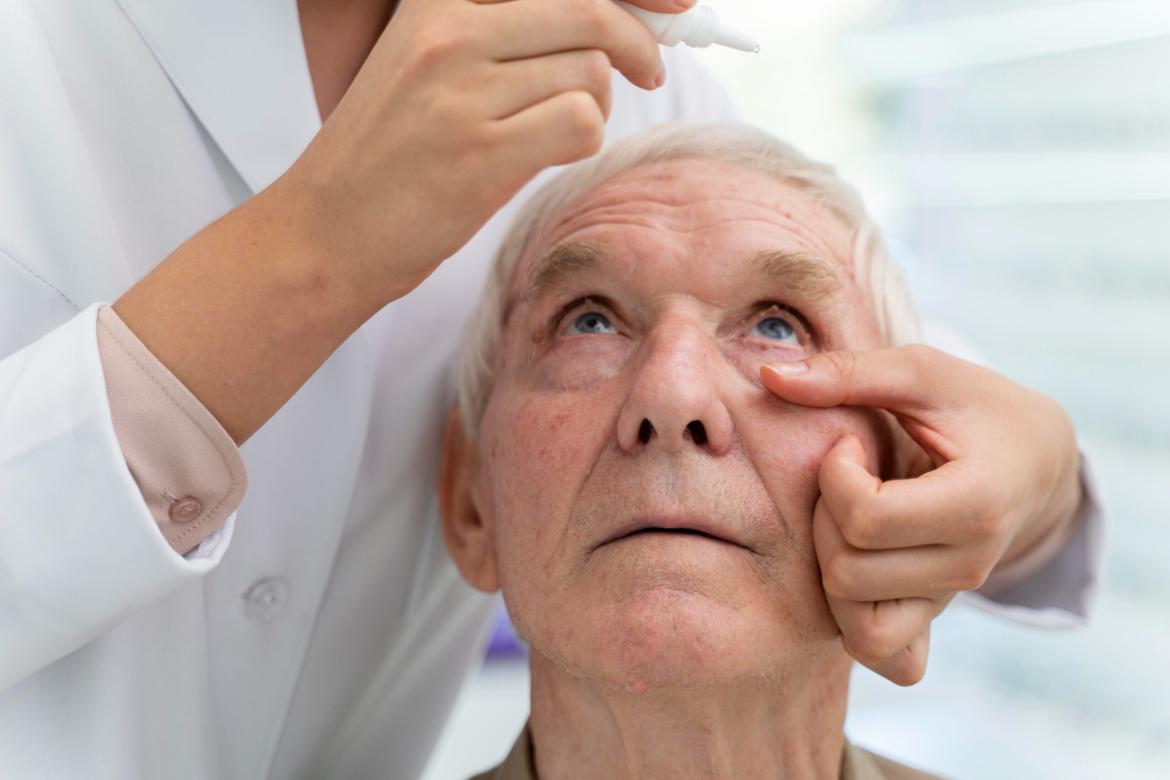
Cataract Surgery in the Elderly
Cataracts are a common eye condition that occurs particularly with age. The loss of transparency of the eye's natural lens causes blurry vision and faded colors. Cataract surgery is the most effective treatment for older adults to prevent vision loss and improve quality of life. However, there are some special considerations regarding this type of surgery in older adults.
Failure to treat cataracts in the elderly can lead to problems such as vision loss, traffic accidents, domestic accidents and loss of independence.
The most important consideration in cataract surgery for the elderly is often other health issues. Chronic conditions such as heart disease, diabetes, and high blood pressure require careful monitoring of older individuals before and after surgery. Therefore, a thorough health screening is essential for elderly patients before cataract surgery. Furthermore, with age, other eye conditions, such as retinal diseases or glaucoma, can affect cataract treatment. Therefore, a comprehensive evaluation by an ophthalmologist is critical to the success of the treatment.
In conclusion, cataract surgery for the elderly is currently a highly safe and effective treatment option. It's an essential step in improving the quality of life for older adults. However, every individual is different, so a detailed evaluation with an ophthalmologist is essential to develop a personalized treatment plan.
What are the symptoms of cataracts?
Cataract symptoms begin with mild vision loss, blurring, fading of colors, and distortion of light, especially at night, and then progress progressively. For cataract patients who require cataract surgery, vision can feel like looking through a foggy, icy lens.
Blurred and blurred vision, which develop as cataracts progress, are among the factors that affect daily life. Cataracts usually present with gradual symptoms. In the early stages, vision problems are not particularly bothersome. As vision problems progress, it is essential to consult a doctor.
Cataract symptoms:
- Difficulty in reading,
- Decrease in vision and vision loss,
- Double vision problem,
- Yellowing and fading of colors,
- Sensitivity to light,
- You may experience general symptoms such as impaired night vision.
How is Cataract Diagnosed?
The initial diagnosis of cataracts is made after a detailed examination by an ophthalmologist. Important factors during the examination include determining the patient's type of disease, determining whether the patient has other vision problems, and determining whether surgery poses a risk. The appropriate treatment is determined based on all the factors identified.
Is Cataract a Common Disease?
It is the most important and common cause of preventable blindness in people over 50 years of age in our country.
How Are Cataracts Treated? Is There Any Treatment Other Than Surgery?
There is no effective method to stop the progression of cataracts. Cataracts are not a disease that can be treated with glasses or medication. The only treatment for cataracts is surgery. Cataract surgery restores the eye's vision to its previous state.
How Long Does Cataract Surgery Take?
Cataract surgery typically takes 15-30 minutes, depending on the severity and type of cataract. You'll need to spend approximately three hours in our hospital, including preoperative eye preparation and postoperative recovery time.
When Should Cataract Surgery Be Performed?
Cataract surgery is generally performed when the cataract has reached a certain stage. Surgery is necessary when the condition interferes with the patient's vision to a degree that is bothersome (difficulty reading, watching television, or driving).
Is It Necessary to Use Glasses After Cataract Surgery?
Thanks to the single-focus (monofocal) lens placed on the eye during surgery, distance vision is adjusted clearly, and the majority of patients do not need glasses for distance vision.
Is Hospitalization Necessary After Cataract Surgery?
Generally, you do not need to stay in the hospital after cataract surgery, but you should definitely visit the hospital for a check-up the next day.
How Long After Surgery Can I Take a Bath?
The patient can bathe one week after surgery, being careful not to rub their eyes. Proper nutrition and regular sleep will accelerate the healing process.
Cataract Surgery Price
Cataracts are a condition characterized by blurring of vision due to the loss of transparency of the lens in the eye. This problem, which becomes particularly prevalent with age, can seriously impact quality of life. Fortunately, cataract surgery can effectively treat this condition. However, the cost of the surgery can be a concern for many. The cost of cataract surgery generally varies depending on the type of lens used.
Cataract surgery costs in Ankara can vary from clinic to clinic. Hospital stay, additional tests, and postoperative checkups also affect the cost. While price is an important factor, the quality and safety of the procedure should also be considered. Cataract surgeries performed by experienced surgeons using modern technology allow patients to recover more quickly and achieve long-term vision health. Therefore, it's important to discuss the most appropriate treatment plan with your doctor in detail, rather than making a decision based solely on price.
