


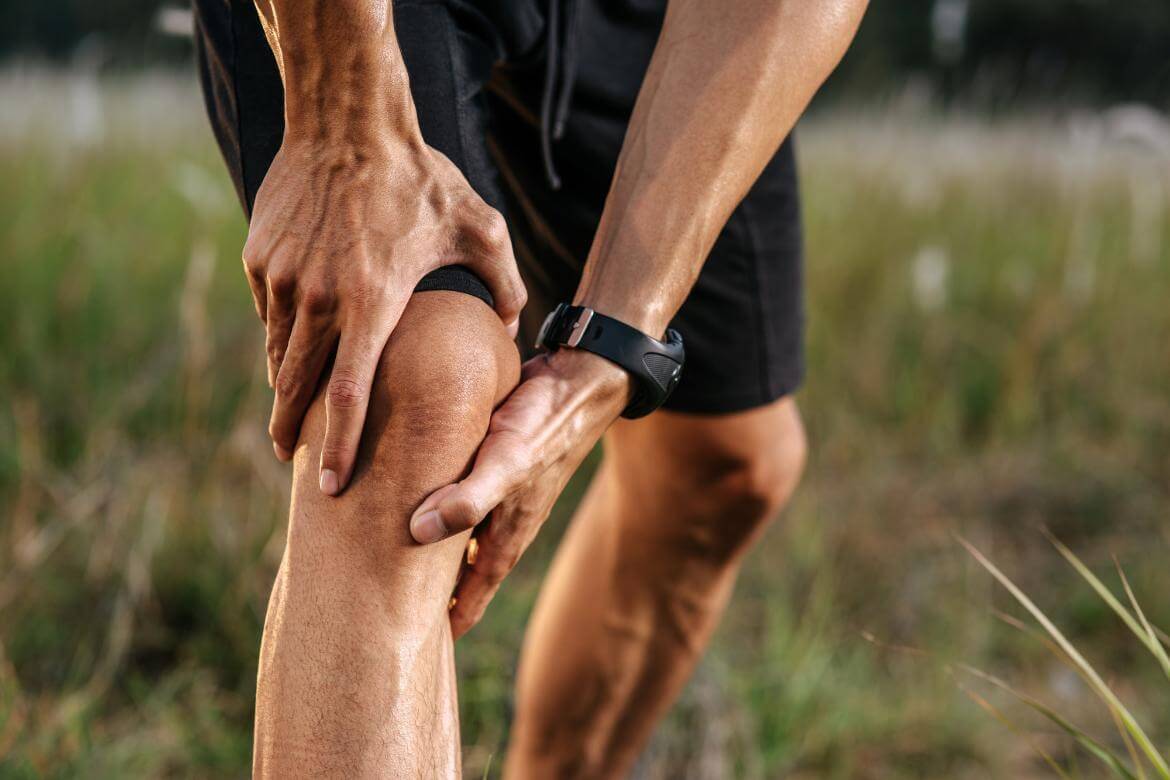
Kneecap Pain
The kneecap is a small, flat bone located at the front of the knee. This bone is responsible for transmitting force from the overlying muscles to the lower part of the knee and for its movement during bending. The patella is connected by tendons between the femur and tibia and has articular cartilage on its underside.
Positional misalignment or compression of the kneecap is one of the most common causes of kneecap pain. Pain in the kneecap can restrict leg movement and, in some cases, render it unable to perform its normal function, negatively impacting quality of life.
What causes kneecap pain?
Kneecap pain can have many causes, including:
- Osteoarthritis (Calcification): It is a condition that occurs when the cartilage tissue in the joint wears out or disappears as a result of overloading the kneecap.
- Trauma and injuries: Impacts to the knee area, falls, or injuries sustained during sports activities can cause kneecap pain.
- Positional issues: Displacement or slippage of the kneecap can sometimes cause pain.
- Tumors: Tumors or cysts that form on the kneecap can also cause pain.
- Infections: Inflammation and infections developing in the kneecap area can cause pain.
- Inflammation of tendons or fatty tissues: Inflammation of tendons or fatty tissues can cause pain, especially in the knee area.
- Plica tear: Wear and tear or irritation of the tissues called plica in the kneecap can cause pain.
Treatment is based on specific diagnosis and is generally directed by a specialist. Conservative treatments (medications, physical therapy, rest), injections, exercise programs, and in some cases, surgery may be necessary. Therefore, it is important to consult a doctor for an accurate diagnosis and appropriate treatment.
What are the symptoms of knee pain?
The symptoms of knee pain can vary depending on various factors. Key symptoms include:
- Pain: The pain in the knee may be sharp, throbbing, stabbing, or constant. Pain may be felt when moving or pressing on it.
- Swelling: Significant swelling may occur in the knee. This swelling may be due to fluid accumulation in the tissues surrounding the knee or within the knee.
- Stiffness and limited movement: Difficulty bending or extending the knee may be experienced. Stiffness in the knee may restrict movement.
- Imbalance or weakness: You may feel unbalanced when pressing on the knee or have difficulty supporting the knee.
- Visual changes: Deformity in the knee, curvature in the leg, or a difference in the normal structure of the knee may be observed.
- Redness and warmth: There may be a feeling of increased warmth in the knee, along with redness, warmth, and pain.
- Injury-related symptoms: Severe swelling, redness, bruising and sudden pain may be felt in the knee, especially after an injury.
These symptoms can have various causes and may require a doctor's consultation for specific diagnosis and treatment. If knee pain and associated symptoms persist or worsen, it's important to consult a healthcare professional.
What is good for knee pain? How can it be relieved?
There are many methods and treatment options for knee pain. However, these can vary depending on the cause, severity, and individual health conditions. Here are some suggestions that may help relieve or improve knee pain:
- Protection and rest: Protect your knee by avoiding activities that may trigger pain and make sure to rest.
- Cold and heat therapy: Ice can relieve knee pain, while a heating pad or hot shower can provide relief. The order and duration of these therapies are important.
- Herbal ointments: Herbal or natural ointments such as sesame, cinnamon, and ginger oils are thought to be beneficial for knee pain. However, it's important to consult a professional before using such products.
- Physical therapy and exercise: Exercises prescribed by a physical therapist can strengthen muscles, increase flexibility, and reduce pain.
- Pain relievers: Over-the-counter pain relievers or anti-inflammatory medications can help relieve knee pain. However, long-term, regular use of these medications should be under the supervision of a doctor.
- Massage and aromatherapy: Massage can relax muscles and increase blood circulation. Aromatherapy can also provide relaxation.
- If knee pain is severe or persistent, it's important to consult a specialist. Physical therapy, surgery, or other medical treatments may be necessary .
Treatment for knee pain can vary depending on your individual situation, the cause of your pain, and its severity. Therefore, it's important to consult your doctor for a specific treatment plan.
How is knee pain diagnosed?
To definitively diagnose knee pain, doctors take a series of steps, including examining your symptoms and performing a physical examination. During this process, doctors may follow these steps:
- Patient history and examination: The doctor listens to the patient's complaints and tries to learn the onset, severity, duration, and conditions of the knee pain. During the physical examination, the doctor checks for signs such as swelling, tenderness, bruising, or limited movement in the knee.
- Additional exams and tests: After the physical exam, your doctor may order additional tests. These are typically imaging tests such as X-rays, computed tomography (CT), ultrasound , or magnetic resonance imaging (MRI). These tests are performed to identify any abnormalities in the bones, joints, or soft tissues.
- Lab tests: Your doctor may order blood tests to monitor for signs of inflammation or infection. If there's fluid accumulation in your knee, your doctor may take a sample of the fluid from your knee using a procedure called arthrocentesis.
- Examinations based on the doctor's specialty: Specialists such as orthopedists or rheumatologists can perform more detailed examinations and special tests.
This combination of steps can help identify the cause of your knee pain and determine appropriate treatment options. However, it's important to follow your doctor's recommendations for a specific treatment plan.
How to treat knee pain?
Treatment for knee pain can vary depending on the specific condition, the cause of the pain, and the patient's overall health. Here's a general overview:
Drug therapy:
- Anti-inflammatory medications may be used to reduce pain and control inflammation.
- Painkillers and prescription medications can help relieve pain.
Physical therapy and exercise:
- Physical therapists can recommend specific exercises and physical therapy programs to help strengthen muscles, increase flexibility, and restore mobility to the knee.
Injections:
- Corticosteroid injections: Corticosteroids injected into the knee can reduce pain and inflammation.
- Hyaluronic acid injections: May reduce friction by increasing the lubricating fluid in the knee joint.
- Platelet Rich Plasma (PRP): A type of injection obtained from the patient's own blood and thought to help accelerate healing.
Surgical intervention:
- Surgical options are generally considered in cases that do not respond to other treatments and in cases where there are structural problems of the knee.
- Surgical procedures such as arthroscopic surgery, partial or total knee replacement surgery, and osteotomy can be performed to relieve knee pain.
Treatment for knee pain is individualized, and a specific plan should be developed by a doctor or specialist based on the patient's condition and the cause of the pain. It's important to discuss these options with your doctor to determine which one is appropriate.
How to relieve knee pain at home?
There are simple home remedies for relieving knee pain. A cold compress is an effective way to reduce pain and swelling. You can wrap an ice pack or ice cubes in a clean cloth and apply it to the affected area. The cold compress can be repeated every hour for 15 to 20 minutes. However, ice should not be applied directly to the skin, and prolonged use can irritate the skin, so it's important to take breaks. Rest and avoid straining your knee can also help relieve pain. If the pain is severe or persists, it's important to consult a healthcare professional.
Is walking good for knee pain?
Unless you have severe knee pain or a serious condition like arthritis, gentle walking can help relieve knee pain. Walking can strengthen the muscles around your knee and increase joint flexibility. However, if the pain is severe or persistent, it's important to consult a healthcare professional before walking or other exercise. It's always a good idea to seek medical advice before starting any physical activity program. Additionally, if pain increases or discomfort occurs during walking, it may be appropriate to slow down or stop the activity.
What relieves knee pain the fastest?
For rapid relief of knee pain, using ginger or ginger oil may be beneficial for some people. Ginger may have anti-inflammatory properties and natural pain-relieving effects. Ginger oil may have the potential to soothe and relieve knee pain.
However, before using any treatment or natural remedy, it's important to consult a healthcare professional. The most effective way to quickly relieve knee pain is to identify the underlying cause and seek treatment advice from a qualified physician. Seeking a professional opinion before starting any treatment can help ensure more effective and safe results.
