


Cerebellar Prolapse
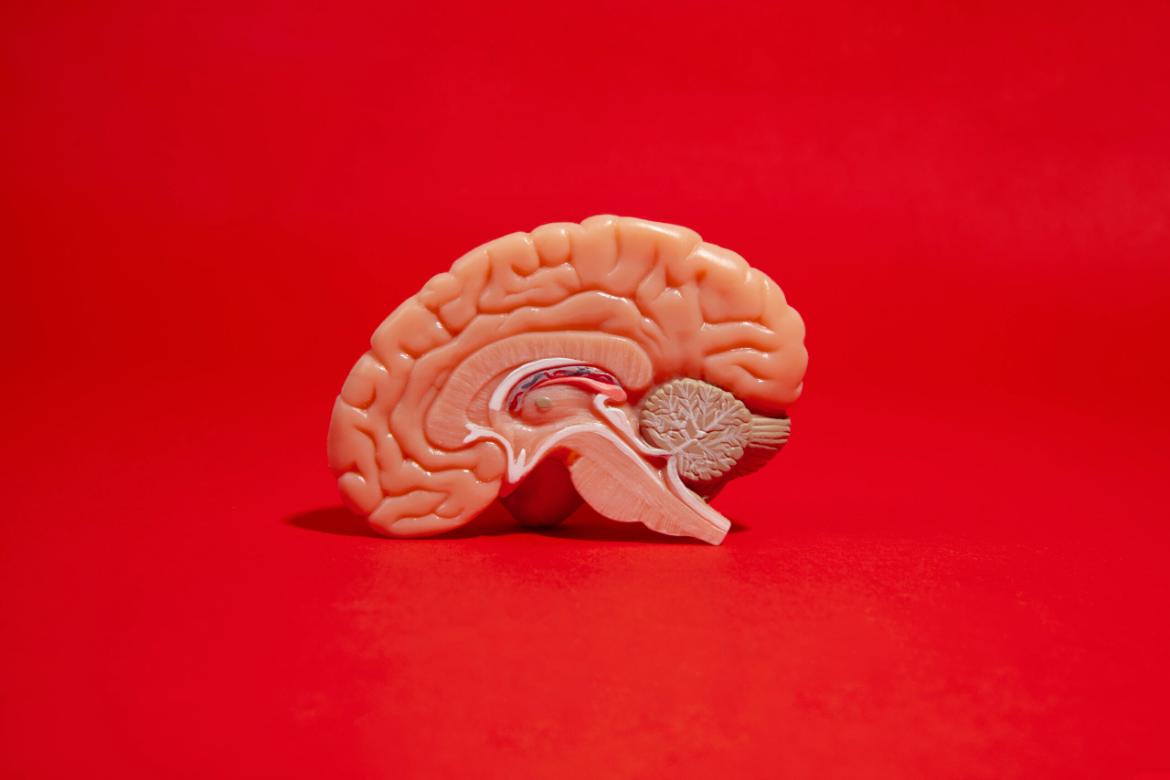
Cerebellar prolapse occurs when the lower portion of the cerebellum herniates downward through the skull into the spinal canal. Also known as a Chiari malformation or Arnold-Chiari malformation, this condition often obstructs the normal flow of cerebrospinal fluid, leading to a buildup of cerebrospinal fluid. This can manifest as a wide range of symptoms, including headaches, neck pain, dizziness, numbness, and sleep problems.
Chiari syndrome can often be difficult to diagnose because the symptoms can be so varied. A headache that worsens when coughing, sneezing, or bending over is considered a key symptom to distinguish this condition.
Treatment may vary depending on the severity of symptoms and the type of Chiari malformation. Patients with mild symptoms may be monitored regularly, and medications may be used to control symptoms. However, if symptoms are severe or worsening, surgery may be necessary. Surgery typically involves removing a portion of the skull to create more space for the cerebellum and brainstem.
Treatment options and approaches may vary from case to case. Therefore, if a person is experiencing symptoms of Chiari syndrome or has been diagnosed, it is important to consult a specialist physician about appropriate treatment options. This will allow them to develop the most appropriate treatment plan for their specific situation.
Types of cerebellar prolapse
Cerebellar prolapse is a condition that can occur in different types. These types are generally classified under Chiari malformation:
- Type 1: This is the most common type and can occur at any age. In this condition, the brainstem and lower portion of the cerebellum prolapse through the foramen magnum, an opening at the back of the skull. This can obstruct the flow of cerebrospinal fluid and cause the formation of a syrinx, a fluid-filled sac within the spinal cord.
- Type 2: Present at birth and typically affects infants. In this condition, cerebellar prolapse occurs in conjunction with a spinal cord anomaly called spina bifida. In spina bifida, the spine doesn't fully close before birth, and part of the spinal cord protrudes from the baby's back in a sac.
- Type 3: This is a rare but serious condition in infants. In this condition, cerebellar prolapse occurs in conjunction with a birth defect called encephalocele. An encephalocele is a fluid-filled sac that forms on the back of a baby's neck.
- Type 4: This is a rare, often serious and potentially fatal malformation in infants. It occurs when the cerebellum fails to develop properly.
- Type 0: This is a more recently identified form of Chiari syndrome. Although there is no cerebellar prolapse in this condition, there are some symptoms of the disease. This subtype still requires further research and understanding.
Each type of Chiari malformation can have different symptoms, signs, and treatment options. It's important to consult a specialist for a proper diagnosis and appropriate treatment plan.
Symptoms of cerebellar prolapse
Symptoms of cerebellar prolapse can vary depending on the accumulation of excess fluid in the cerebellum and spinal cord, which can put pressure on tissues or nerves. Symptoms can be more severe when the cerebellar prolapse is greater or when it is combined with other factors. Symptoms can vary depending on the type of Chiari malformation and from person to person. Some common symptoms include:
- Headache: The most common symptom is a headache at the back of the head, which may become more severe with activities such as exercising, bending forward, sneezing or straining.
- Dizziness: It can often be experienced in association with cerebellar prolapse.
- Neck pain: Pain and a feeling of tightness may be experienced in the neck area.
- Numbness and tingling: Numbness, tingling, or numbness may occur in the hands and feet.
- Difficulty in swallowing: Difficulty may occur while swallowing.
- Weakness and pain in the upper body: Weakness, pain, and loss of temperature sensation may be felt in the arms and legs.
- Hearing loss: Hearing loss or ringing in the ears may occur.
- Balance problems and difficulty walking: Loss of balance, difficulty in coordination or difficulty walking may occur.
- General weakness: There may be a general feeling of weakness in the body.
- Other symptoms: Less common symptoms such as spinal curvature, slow heartbeat, and abnormal breathing may also occur.
Symptoms of cerebellar prolapse can vary depending on the course of the disease, the individual's age, health status, and the extent of the prolapse. It is important for individuals experiencing these symptoms to consult a specialist for a thorough evaluation to ensure a correct diagnosis.
Symptoms of cerebellar prolapse in infants
Symptoms of cerebellar prolapse in infants often vary depending on age and condition. Some symptoms may include:
General symptoms:
- Swallowing problems: There may be difficulty swallowing or difficulties while eating.
- Restlessness: Discomfort, restlessness or discomfort while eating may be observed.
- Burping and vomiting: Burping or vomiting may occur due to digestive problems.
- Respiratory irregularities: There may be respiratory problems, irregularities or difficulties with breathing.
- Neck stiffness: Limited neck movements, stiffness or stiffness may be observed.
- Developmental delays: Due to cerebellar prolapse, developmental delays may occur and developmental stages that should occur in normal periods may be delayed.
Symptoms accompanying excessive fluid accumulation in the brain (hydrocephalus) in type 2:
- Large head: Head larger than normal, increased head circumference, macrocephaly.
- Vomiting: This can often occur as a result of brain fluid accumulation.
- Epileptic seizures: Seizures or neurological symptoms may be observed.
- Irritability: May exhibit irritability, restlessness, or nervousness.
- Developmental delay: Delays in motor and cognitive skills may occur.
In infants, symptoms of cerebellar prolapse can sometimes appear quickly or become more pronounced over time. Immediate medical attention may be necessary, especially if accompanied by hydrocephalus. It is important to consult a doctor and have an evaluation if such symptoms are observed.
Causes of cerebellar prolapse
The causes of cerebellar prolapse can vary and are generally categorized as primary or secondary:
Primary cerebellar prolapse: A condition that develops due to prenatal factors. This condition is generally associated with the following factors:
- Genetic mutations: Certain genetic conditions or genetic mutations can lead to cerebellar prolapse.
- Nutritional and vitamin deficiencies: A lack of important vitamins and minerals during pregnancy, especially essential nutrients such as folic acid, can affect cerebellar development.
- Infections and exposure: Maternal exposure to infections or high fevers during pregnancy, as well as exposure to hazardous chemicals, illicit drugs, or alcohol, can affect brain development and increase the risk of cerebellar prolapse.
Secondary cerebellar prolapse: This type of cerebellar prolapse occurs as a result of an accident, infection, or other conditions that cause the cerebrospinal fluid to drain. For example, a traumatic head injury can disrupt the normal circulation of cerebrospinal fluid, leading to cerebellar prolapse.
Each case of cerebellar prolapse can be unique and may be the result of a combination of factors. The exact causes of cerebellar prolapse can sometimes be difficult to pinpoint, but such cases are usually evaluated and diagnosed by a specialist.
Does cerebellar prolapse progress?
Yes, cerebellar prolapse can progress. Cerebellar prolapse typically occurs when the cerebellar tissue prolapses downward through the opening at the base of the skull, called the foramen magnum, preventing the normal circulation of cerebrospinal fluid.
If the normal flow of cerebrospinal fluid is blocked or if the pressure from the accumulated fluid increases, the cerebellum may sag further. This can worsen symptoms or cause new symptoms to appear.
Progression of cerebellar prolapse may require emergency surgery in some cases. Surgery may be considered in cases of particularly severe symptoms, neurological problems, or accumulation of cerebellar or spinal fluid. However, because every case is different, treatment options are determined by a specialist's evaluation and diagnosis.
How is cerebellar prolapse diagnosed?
Physical Examination: A physical examination performed on patients with suspected cerebellar prolapse assesses cognitive function, balance, motor skills, reflexes, and sensation. This examination examines potential effects on brain and spinal cord function.
Imaging methods:
- Magnetic resonance imaging (MRI): This is the most commonly used method. It provides detailed images of the brain and spinal cord structures and can help detect abnormalities such as cerebellar prolapse.
- Computed tomography (CT): Can be used to better show the bones of the head and spine.
- X-ray (Direct radiographs): Can be used to identify abnormalities in bone structure.
These imaging methods provide detailed examination of the brain, spinal cord, bone structure, and nervous system, helping to diagnose conditions such as cerebellar prolapse. Imaging results provide important information regarding the type and severity of the disease and for treatment planning.
Cerebellar prolapse is often discovered incidentally when symptoms are mild or asymptomatic. However, if symptoms are present or suspected, a definitive diagnosis is made through a detailed examination and imaging studies by a specialist.
How is cerebellar prolapse treated?
Treatment for cerebellar prolapse may vary depending on the type, severity, and symptoms of the prolapse. Treatment options may include:
Medication: For people with mild symptoms, medications may be prescribed to manage symptoms such as pain and dizziness. These medications can often be used to relieve symptoms.
Surgical treatment: In cases where the prolapse has the potential to cause severe symptoms or damage nerve tissue, surgery may be necessary. Surgical options may include:
- Decompression surgery: This is a surgical procedure that corrects cerebellar prolapse. This involves removing a portion of the skull or other surgical procedures to relieve pressure on the cerebellum.
- Shunt devices: If the normal circulation of cerebrospinal fluid is blocked or if there is a buildup, shunt devices may be used. These devices help relieve pressure by diverting cerebrospinal fluid to another body area.
Surgical interventions can often help control symptoms and halt the progression of cerebellar prolapse. However, the appropriate treatment method for each patient depends on their condition and the severity of their symptoms. Treatment is planned based on the evaluation and recommendations of a specialist physician.
How is cerebellar prolapse surgery performed?
Cerebellar prolapse surgery can be performed using different techniques and procedures. The type of surgery depends on the patient's condition, the severity of their symptoms, and the type of cerebellar prolapse. Here are some common surgical methods:
Decompression surgery (Posterior fossa decompression):
- Decompressing surgery in adults usually involves removing a portion of the back of the skull to provide more space for the cerebellum, which is under pressure that is blocking the flow of cerebrospinal fluid.
- Cerebellar tonsils can be reduced in size or removed if necessary.
- Sometimes it may be necessary to remove some of the spinal bones to reduce pressure on the spine.
Treatment of hydrocephalus:
- In infants and children with hydrocephalus associated with cerebellar prolapse, shunt devices may be placed during surgery to drain excess fluid from the brain. These devices help reduce intracranial pressure by diverting cerebrospinal fluid to another body area.
Each surgical situation may differ, and the surgical method is determined by the patient's individual situation. These procedures generally aim to reduce the severity of symptoms and halt the progression of cerebellar prolapse. Your doctor's recommended methods and treatment plan are implemented before and after surgery.
What is the prognosis and life expectancy in cerebellar prolapse?
The course and life expectancy of cerebellar prolapse depend on many different factors. The situation can vary from patient to patient, and the course of the disease is generally unpredictable. However, some common conditions and factors include:
- Effects of Surgical Treatment: Surgery can help relieve symptoms. However, recovery from surgery can vary for each patient, and its effects on some symptoms may vary.
- Type and severity of disease: The type, extent, and impact of the prolapse on symptoms are important in determining the course of the disease. Generally, the expected results may be more pronounced in more severe cases requiring surgical intervention.
- Age and general health status: Factors such as the patient's age, general health status, response to treatment, and the body's healing capacity are also important.
- Monitoring and follow-up: Regular monitoring and follow-up after treatment is important. In the long term, patients undergoing treatment should have their symptoms, function, and general health regularly monitored.
- Life expectancy: The life expectancy of individuals diagnosed with cerebellar prolapse depends on many variables. Early response to treatment, the severity of symptoms treated, and the patient's overall health can all influence life expectancy.
As a result, every case of cerebellar prolapse is different, and it's difficult to provide a general prognosis. Specialists monitor patients' symptoms, manage the treatment process, and provide personalized care based on the patient's condition. Therefore, it's important for individuals with cerebellar prolapse to maintain regular contact with a qualified healthcare professional regarding their treatment plan and long-term outcome.
