


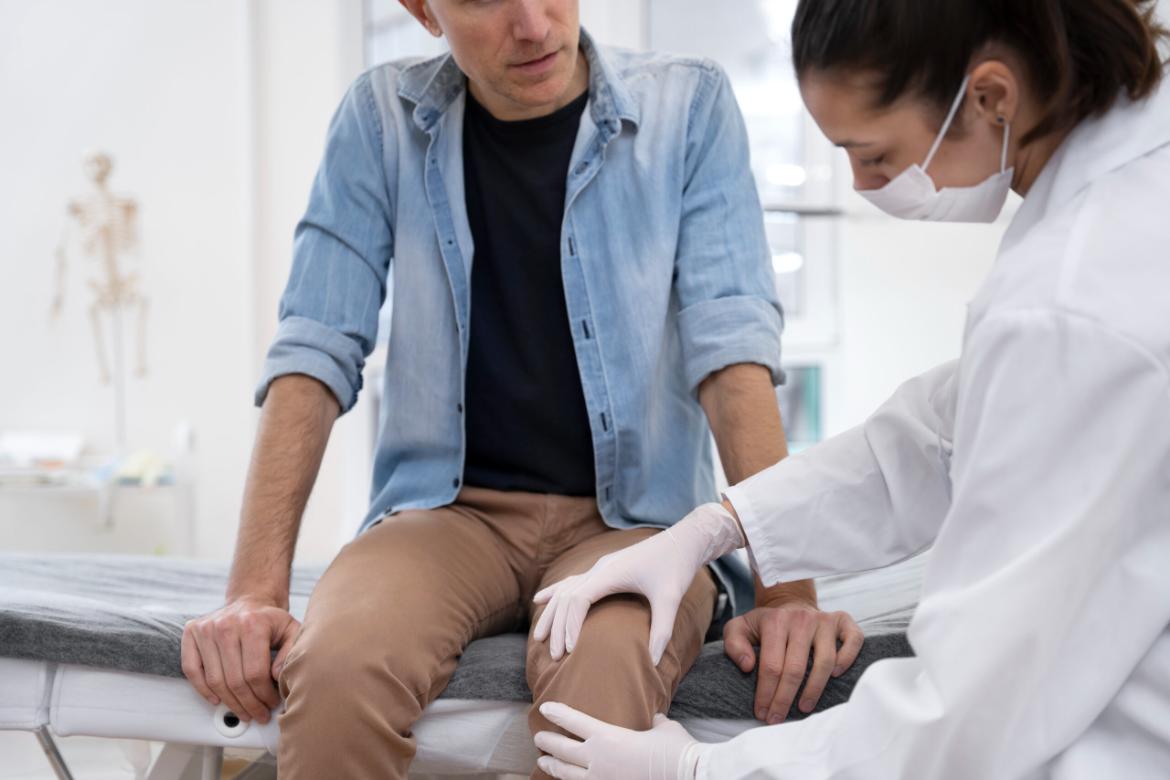
Knee Replacement Surgery
Knee replacement is a specialized resurfacing technique that restores the normal axis of the knee joint to cartilage that has been worn down or damaged for various reasons. The goal is to mimic normal knee joint movements. By eliminating contact with the damaged joint surfaces, the knee replacement creates a pain-free joint that can walk and climb stairs. Knee replacement surgery is one of the most easily performed procedures today. Knee replacement surgery is performed at Ankara Private Magnet Hospital. You can begin your treatment by visiting our hospital, enjoying the comfort and safety of our Orthopedic and Traumatology Surgeon, and having an initial consultation.
Who is eligible for Knee Replacement Surgery and for which diseases?
Knee replacement surgery is performed for joints that are severely worn out. This is also known colloquially as arthritis. It is the most appropriate solution for patients with irreparable problems in the knee joints. The ends of bones are composed of a hard, smooth, and shiny tissue. As a person ages, infection, trauma, and rheumatic diseases can cause the cartilage to wear down. This wear and tear on the cartilage causes the bones to rub together, leading to arthritis. If a joint is beyond repair and a person's age and health allow, knee replacement surgery is performed.
Causes of joint wear;
- In patients who undergo knee prosthesis, the most common cause of joint deterioration is wear and tear (knee wear).
- Past diseases that damaged the person's joints.
- In cases of joint deterioration due to past infections and cartilage wear, physical therapy or intra-articular PRP injections may also be tried before surgery.
Before Knee Replacement Surgery
The knee, one of the most important joints in the human body, bears the entire weight of our body. Because of this weight-bearing and constant movement, it is prone to damage. This pain, which occurs in later years, is also known to be a sign of certain knee conditions.
In elderly patients, various conditions such as diabetes, high blood pressure, and blood disorders can accompany knee disease. The patient's general health is checked. Afterward, tests are performed to determine the patient's suitability for the anesthesia that will be administered during surgery. Following the test, additional examinations and consultations are conducted if your doctor requests them.
Before the surgery, the patient should ask questions to the doctor during the examination to learn about the type of anesthesia that will be applied and the details of the surgery and to relax.
The patient should refrain from eating or drinking for at least six hours before surgery. It's important to shower before surgery to reduce the risk of infection. If you have dense hair in the area where the surgery will be performed, it's important to trim it short for the procedure. It's also important to avoid applying any creams or scrubbing to the area where the surgery will be performed.
How is Knee Replacement Surgery Performed?
Knee replacement surgery, performed using open surgery, is performed under general anesthesia. If general anesthesia is not considered appropriate, the lower part of the body is generally anesthetized. The surgery begins by cleaning any damaged, worn, or damaged joint surfaces. The prosthesis is placed over the cleaned bone. The most important point to remember is that the procedure is completed without removing the kneecap. The knee joint is closed with the material, stitched, and the operation is concluded. If a robotic system is used, this procedure is called robotic knee replacement surgery. A scar of 7-12 cm may remain in the knee area.
The surgery takes approximately 1 to 1.5 hours, varying depending on the patient. The next day, the patient can stand up with crutches and attend to their needs.
Can Knee Replacement Surgery Be Performed Under Local Anesthesia?
It is performed under spinal or general anesthesia, not local anesthesia.
What are the Different Types of Knee Replacement?
- Total Knee Replacement (Full Knee Replacement)
- It involves replacing the entire knee joint.
- It is applied to the knee in cases of advanced osteoarthritis, rheumatoid arthritis or serious trauma.
- Artificial joint components made of metal and plastic are used.
- It can usually last for 15-20 years.
- Partial Knee Replacement (Half Knee Replacement)
- It is applied if only part of the knee joint is damaged.
- It is usually performed depending on the damage in the inner (medial) or outer (lateral) section.
- It is applied with a smaller incision than a total prosthesis and the recovery time is faster.
- It may be suitable for younger and more active patients.
- Revision Knee Prosthesis
- It is the process of replacing a prosthesis from a previous knee replacement surgery due to wear, loosening or infection over time.
- It is a more complex and longer procedure than the first surgery.
- Cemented and Cementless Knee Prostheses
- Cemented Prosthesis : The prosthesis is fixed to the bone using bone cement (polymethyl methacrylate). It is suitable for older patients and those with weak bone structure.
- Cementless Prosthesis : The prosthesis has a special surface that allows it to fuse with the bone over time. It is suitable for younger patients with good bone health.
- Robotic-Assisted Knee Prosthesis
- It is a delicate and personalized prosthesis surgery performed using robotic technology.
- Because the incisions are made in a more controlled manner, the healing time may be faster.
The choice of knee replacement surgery depends on the patient's age, mobility, bone structure, and overall health. The most appropriate type of prosthesis is selected after a detailed evaluation with an orthopedic specialist.
Recovery Process After Knee Replacement Surgery
Pain after surgery is normal. Because this is a major bone surgery, this pain is inevitable. Because the patient is anesthetized from the waist down during surgery, pain is exacerbated afterward. Regularly taking your doctor's prescribed painkillers will speed up the recovery process. Walking, running, swimming, and cycling can be done comfortably after surgery. Activities that strain the knee replacement, such as prolonged squatting, should be avoided. Using a squat toilet can shorten the lifespan of the knee replacement.
What Should You Pay Attention to After Knee Replacement Surgery?
- After surgery, the person should be careful about gaining weight to avoid putting too much strain on their knees.
- The person must use a cane, crutches, or a walker for a period of time until they can walk without support.
- You should be careful not to make unconscious and sudden movements.
- For a quick recovery process, attention should be paid to calcium intake and vitamin D intake while eating.
- Physical therapy sessions should be performed without interruption as recommended by your doctor.
- During the early postoperative period, a person can make adjustments to their home. For example, they can remove obstacles in their walking area to avoid tripping.
- A person should walk frequently without straining himself.
If a person has serious complaints for a long time, it is important to contact their doctor.
Exercises After Knee Replacement Surgery
Knee replacement surgery is a common surgical procedure performed to improve mobility and reduce pain. However, proper exercise is crucial for a successful post-operative recovery.
The Importance of Exercises After Knee Replacement Surgery
Post-knee replacement exercises help strengthen muscles, increase joint mobility, and improve blood circulation. Regular exercise offers the following benefits:
- It accelerates the healing process
- Reduces joint stiffness
- Increases muscle strength
- Improves balance and coordination
- Reduces the risk of clots by accelerating blood circulation
Exercises to Do After Knee Replacement Surgery
It's crucial to regularly perform the exercises recommended by your physical therapist during the post-operative period. Here are some basic exercises recommended after knee replacement:
- Ankle Pumping Exercise
- Lie on your back or sit on a chair.
- Move your ankle up and down.
- You can increase your blood circulation by doing 10-15 repetitions every hour.
- Straight Leg Raise
- While lying on your back, lift your operated leg straight up.
- Hold your leg in the air for 5 seconds and then lower it slowly.
- You can strengthen your thigh muscles by doing 10-15 repetitions.
- Knee Bending and Extending (Heel Slide)
- Sit in a chair or lie on your back in bed.
- Bend your knee, sliding your heel to the floor, and then straighten it.
- You can increase knee range of motion by doing 10-15 repetitions.
- Strengthening the Quadriceps Muscle
- Lie on your back and keep your operated leg straight.
- Place a rolled towel under your knee and press it down.
- Tighten your muscles for 5 seconds and release.
- Strengthen the muscles around the knee by doing 10-15 repetitions.
- Side Lying Leg Lift
- Lie on your side with your operated leg on top.
- Slowly lift your leg up and then lower it.
- You can strengthen your hip muscles by doing 10 repetitions.
Things to Consider When Exercising
- Do the exercises regularly and slowly.
- If you feel pain, stop without forcing it and consult your doctor.
- You can get help from a chair or wall for balance and support.
- Wear comfortable, supportive shoes when doing the exercises.
- Be sure to follow the recommendations of your physiotherapist .
Complaints After Knee Replacement Surgery?
Patients may experience various symptoms after knee replacement surgery. These are generally part of the normal healing process, but in some cases, they can be a sign of complications. Here are some common complaints:
- Pain and Swelling
- Pain and swelling are normal in the first weeks.
- Swelling may last for 3-6 months but should gradually decrease.
- Pain relievers and ice applications recommended by your doctor may help.
- Limited Movement and Stiffness
- There may be stiffness and limited range of motion in the knee.
- Regular physical therapy and exercises reduce this situation.
- Symptoms of Infection
- If there are symptoms such as extreme redness, severe pain, fever, and purulent discharge, there may be an infection.
- If these symptoms occur, consult a doctor immediately.
- Dislocation or Loosening of the Prosthesis
- If there are symptoms such as sudden and severe pain, instability, or sudden locking of the knee, there may be a problem with the prosthesis.
- It needs to be checked with x-rays and examination.
- Blood Clot (DVT) Risk
- Excessive swelling, redness, and pain in the leg may be signs of a blood clot.
- Blood thinners recommended by the doctor should be used regularly.
When Should You See a Doctor?
In the following cases, you should immediately consult a doctor: - Severe and persistent pain - Extreme heat and redness in the knee area - Fever (38°C and above) - Sudden swelling and bruising in the leg
Advantages of Knee Prosthetics
Knee replacements offer patients a number of benefits, improving their quality of life:
- Pain reduction: It provides comfort and convenience in daily activities, along with a significant reduction in pain caused by damage to the knee joint.
- Increased mobility: By providing the natural mobility of the prosthetic joint, it facilitates basic activities such as walking, climbing stairs, sitting and standing in patients.
- Return to an active life: With physiotherapy support after prosthesis surgery, patients can return to their former active lives and even participate in activities such as sports.
- Long-term durability: Today's knee replacements offer patients a reliable solution for many years thanks to their longevity. This durability helps patients maintain their daily activities for extended periods.
Knee prostheses improve the quality of life of patients, allowing them to live a more active, comfortable and pain-free life.
Risks of Knee Replacement (Platinum) Surgery
Although knee replacements are a valuable medical solution for restoring knee joint function, as with any surgical procedure, they can carry certain risks. These may include:
- Infection: There is a risk of infection developing after surgery. This can usually be reduced with antibiotics and sterilization measures, but in rare cases, implant removal may be necessary.
- Prosthesis loosening: There's a risk that the prosthesis will loosen over time. It's important to remember that this can often lead to a problem requiring re-surgery.
- Blood clots: Blood clots can occur after knee replacement surgery. This may require increased treatment and monitoring.
- Nerve damage: Rarely, nerve damage can occur during or after surgery, causing loss of sensation or limited movement.
However, these risks can be minimized with the use of experienced surgical teams and advanced technology. Advanced surgical techniques are used to reduce the risk of infection and achieve longer-lasting, more successful prosthetic outcomes.
Knee replacement surgery helps patients return to an active life by improving their quality of life. Continuously advancing technology and surgical techniques are making knee replacement surgery safer and more effective, making patients' lives more comfortable and enjoyable.
Kneecap Prosthesis
A kneecap replacement is a type of prosthesis used to treat patients whose kneecap, located on the outer side of the knee joint and playing a crucial role, is no longer functioning properly. It replaces the damaged kneecap with an artificial prosthesis, helping patients regain mobility. This type of prosthesis is used to improve patients' quality of life and reduce knee pain.
Kneecap replacement surgery reduces knee pain and limited movement, allowing patients to perform daily activities more comfortably. This procedure is often a treatment option for kneecap damage, arthritis, post-traumatic problems, or other knee conditions.
After prosthetic surgery, patients may need to continue physical therapy and rehabilitation programs. This process helps patients use their prosthesis more effectively, regain muscle strength, and strengthen their knees.
Kneecap replacements help reduce the discomfort experienced by patients due to knee problems, making their lives more active and comfortable. However, such surgical procedures always carry certain risks, so the recommendations and follow-up of a surgeon are important.
Knee Replacement Surgery for Men
Because men generally have more muscle mass, the rehabilitation process can sometimes take longer. The stiffer bone structure may require different approaches to surgical technique for implant placement. Strengthening the leg muscles in men is crucial for the longevity of the implant. Regular exercise helps the muscles support the implant and increases long-term knee durability. In men, body weight is important for the durability of the implant. Excess weight can shorten the lifespan of the implant and may require revision surgery. Therefore, a balanced diet and weight control are important for implant health.
Knee Replacement Surgery in Women
Women have thinner bone structures than men, and their hip-width ratios are different. Therefore, knee replacement designs can sometimes be specifically tailored to women. In recent years, prosthetics more suited to the female anatomy have been developed to provide better fit and mobility. Women are at increased risk of osteoporosis, particularly after menopause. This factor should be considered in terms of the supporting strength of the bone structure during knee replacement surgery. Low bone density can make it difficult for the prosthesis to attach to the bone and may require additional postoperative care.
Knee Replacement Surgery in Children
Knee replacement surgery is a relatively rare procedure in children. While knee replacements are typically performed in older adults due to degenerative joint diseases (such as osteoarthritis), this surgery is only necessary in certain situations in children and adolescents.
Conditions Requiring Knee Replacement in Children
- Congenital Diseases: Congenital knee abnormalities or congenital joint diseases.
- Juvenile Rheumatoid Arthritis (JRA): A rheumatic disease that occurs in childhood and can cause serious damage to the joints.
- Tumors: When a joint needs to be removed due to bone tumors such as osteosarcoma.
- Traumatic Injuries: Irreversible loss of joint function after severe trauma.
- Other Rare Diseases: Severe damage to joint cartilage due to diseases such as hemophilia .
Knee Replacement Surgery in the Elderly
Knee replacement surgery is performed in older adults, particularly when knee function is severely impaired due to osteoarthritis or other joint diseases. This surgery is performed to increase mobility, reduce pain, and improve quality of life.
Knee replacement surgery is a successful surgical procedure for older adults that improves mobility and quality of life. However, the patient's general health, bone structure, and mobility needs should be thoroughly evaluated before surgery. If surgery is considered, it is important to consult with an orthopedic specialist to discuss individual risks and benefits.
Post-Knee Replacement Surgery Cramps
After knee replacement surgery, some patients may experience symptoms such as cramps and muscle stiffness. This is a common postoperative condition and can usually be managed with physical therapy and muscle relaxants.
Physiotherapy plays a crucial role in patients' post-operative rehabilitation. Specific exercises administered by expert physiotherapists help strengthen muscles and increase joint mobility. These exercises strengthen patients' muscles, increase flexibility, and can reduce issues like muscle stiffness.
Muscle relaxants can also help reduce muscle tension, allowing muscles to relax more easily. Doctors may prescribe these medications depending on the patient's condition. However, the specifics and dosage should be determined by a specialist.
After knee replacement surgery, muscle spasms and stiffness usually subside over time and can be improved with physical therapy. However, each patient's situation varies, so the doctor's recommendations and guidance of a physical therapist are crucial in managing the postoperative period.
Causes of Knee Pain
Knee pain can occur in all age groups for various reasons. Trauma, wear and tear, inflammation, or mechanical problems are the primary causes of knee pain.
- Degenerative (Wear-Related) Causes
This type of pain is often caused by aging, overuse, or cartilage loss.
- Osteoarthritis (Knee Calcification) : This is one of the most common causes in the elderly. The wear and tear of cartilage causes pain, stiffness, and swelling in the joint.
- Meniscus Tears : Tears that develop suddenly or over time as a result of wear and tear on the meniscus in the knee can cause pain.
- Articular Cartilage Damage (Chondromalacia Patellae) : This occurs when the cartilage under the kneecap wears away. Pain is often felt when climbing stairs and squatting.
- Traumatic Causes (Injuries)
Damage to the knee may occur as a result of sudden falls, sports injuries or accidents.
- Anterior Cruciate Ligament (ACL) Injury : Rupture of the ACL, one of the most important ligaments in the knee, occurs during sudden stops or changes in direction.
- Lateral Ligament Injuries (MCL and LCL Tears) : These injuries usually occur in athletes as a result of impacts to the side of the knee.
- Meniscus Tears : The meniscus may tear as a result of sudden turning movements or strain.
- Patella (Kneecap) Dislocations and Fractures : Dislocation or fracture of the kneecap causes severe pain and limitation of movement.
- Inflammatory and Rheumatic Diseases
Problems with the immune system can cause inflammation, causing knee pain.
- Rheumatoid Arthritis : The body's immune system attacks the joints, causing swelling, pain, and deformities.
- Gout : Sudden and severe pain in the knee may occur as a result of uric acid accumulation in the joints.
- Septic Arthritis (Joint Infection) : Joint inflammation caused by bacterial infections manifests itself with high fever and severe knee pain.
- Mechanical Problems
Structural disorders or anatomical problems in the knee can cause pain.
- Patellar Dysplasia : Pain and a feeling of friction occur as a result of the kneecap not being able to move properly.
- Baker's Cyst : A fluid-filled cyst forms behind the knee, restricting knee movements and causing pain.
- Leg Irregularities (X and O Leg Deformities) : May cause the knee to carry unbalanced loads, leading to joint wear.
- Causes Related to Overuse
Physical activity, repetitive movements, and overload can cause wear and tear on the knee.
- Runner's Knee (Patellofemoral Pain Syndrome) : It is common in runners and athletes, causing pain around the kneecap.
- Tendon Inflammation (Patellar Tendinitis – Jumper's Knee) : The kneecap tendon may become inflamed during movements such as jumping and running.
- Osgood-Schlatter Disease : It manifests itself with pain and swelling in the front of the knee at a young age.
When Should You See a Doctor for Knee Pain?
A specialist should be consulted in the following cases: ✔ Severe and sudden onset of knee pain ✔ Swelling, redness or increased heat ✔ Locking or limited movement in the knee ✔ Inability to step on the knee or difficulty walking
Most Frequently Asked Questions?
Kneecap Replacement Price?
The most important factors that determine the cost are the complexity of the surgery, the type of prosthesis used, the length of hospital stay, and any additional treatment procedures. When planning your treatment, it's helpful to obtain information regarding both cost and quality of care.
What are the Costs of Knee Replacement Surgery?
The type of prosthesis, the material used, and the patient's needs are the main factors affecting the price. Contact Magnet Hospital at 0312 212 80 80 for more information.
Knee surgery costs are one of the most frequently researched topics. An orthopedic and traumatology doctor determines the procedure after an examination and based on the patient's condition. For knee pain, visit our Ankara Private Magnet Hospital and first see the Orthopedics and Traumatology department. Otherwise, for cases of sudden injury or trauma, you can consult with our Physical Therapy and Rehabilitation doctor to begin the treatment process comfortably and safely. You can easily schedule an appointment by calling our hospital.
At What Age Should Knee Replacement Surgery Be Performed?
There is no specific age limit for knee replacement surgery. Generally, most patients are between the ages of 50 and 80.
How Long Does a Knee Prosthesis Last?
Since knee prosthesis is generally performed using modern techniques, it can be said that the patient does not need a prosthesis change for approximately 15 to 20 years.
Does Knee Prosthesis Make Noise?
It's quite normal to hear a clicking sound after surgery, especially when walking or moving your knee. A clicking sound from your knee is generally not a problem.
Does Knee Prosthesis Arthritis?
Yes, it can calcify. Sudden movements and excessive strain, which negatively impact the post-operative healing process, can cause the prosthesis to loosen or dislodge, while other methods can also cause it to re-damage and calcify.
What is Knee Replacement Material?
Knee prosthesis material: A metal alloy composed of titanium, chromium, cobalt, and molybdenum, and hardened plastic. A metal alloy is placed on the contact surface of each bone, and a plastic piece is placed between them.
Can a Knee Prosthesis Break?
Knee replacements are typically made of durable materials like metal, ceramic, or plastic and are designed to last. However, like anything else, knee replacements can wear out over time or be damaged by impact. Fractures can occur due to excessive stress, misuse, trauma, or the quality of the replacement material.
However, knee replacement fractures are extremely rare. Most replacements function flawlessly for years with proper care and use. If a problem occurs with a knee replacement, it's usually due to more common issues like wear and tear, loosening, or infection.
Are There Alternatives to Knee Replacement?
There is no alternative treatment to knee prosthesis in advanced knee deformities and prosthesis surgery is inevitable. However, if surgery is not possible (due to medical reasons) or in cases of mild deformities, the following treatments can be applied and these treatments can provide relief for a short time.
Knee Replacement Care
To extend the lifespan of the prosthesis, it's crucial for the patient to maintain their weight. Weight loss, or even weight gain, is beneficial. Regular knee exercises should be performed to strengthen muscles, reducing the strain on the knee. Regular checkups with a doctor are crucial for early diagnosis of prosthesis-related problems.
Is it possible for the body to reject the prosthesis?
Metal-alloy prostheses can be risky for patients with metal allergies, so ceramic prostheses are preferred. Aside from allergic reactions, there is no risk of the body rejecting the prosthesis.
When Can You Walk After Knee Replacement Surgery?
This is the most frequently asked question by patients, eagerly awaited and eagerly asked. Following knee replacement surgery, the patient is allowed to walk with the aid of a cane the same day or the following day. The walking distance is left to the patient until they become tired. The patient can climb stairs 1-2 days after surgery, and the cane is discontinued completely after 2 weeks. Patients who are sent home are advised to manage their own needs, such as going to the toilet, sink, and other household chores, and to avoid sedentary behavior.
What Should Post-Operative Nutrition Be Like?
The most important thing for the patient is to gain weight. Since the load on the prosthesis will increase with weight gain, the patient is advised to either reduce carbohydrate intake or even lose weight.
Can Two Knee Replacements Be Done at the Same Time?
Yes, two knee replacements can be performed simultaneously. This procedure is called a "bilateral knee replacement" or "double knee replacement." Doctors may generally recommend this type of surgery if there is severe arthritis or other health issues in both knees.
The advantage of a double knee replacement is that the patient undergoes a single operation and completes the recovery process in a single time. However, this type of surgery can be riskier because the patient's overall health, tolerance to anesthesia, and recovery can be more complex.
Double knee replacement surgery can often be a suitable option for older patients or those with similar problems in both knees. However, because every case is different, a doctor's recommendation is crucial.
When Does Full Recovery Occur After Knee Replacement Surgery?
The complete recovery process after knee replacement surgery typically involves several stages. The first few weeks may include swelling, pain, and limited movement. However, this is normal and is the first step toward recovery.
Early Period (First 6-8 Weeks): Postoperative patients generally remain in the hospital for a few days. In the first weeks, walking and limited knee movement are possible. Physical therapy is an important part of the recovery process. Specific exercises are performed to strengthen the knee muscles and increase range of motion. Early knee movement indicates the beginning of recovery.
Intermediate Period (2-6 Months): Knee swelling and pain gradually decrease. However, it is important for patients to continue physical therapy to strengthen their knee muscles and regain a normal gait. Furthermore, increased joint mobility is a crucial factor in the fit and functionality of the prosthesis. During this phase, some patients can comfortably perform their daily activities, while others may require additional support or assistance.
Late Stage (6 Months – 1 Year): During this period of postoperative recovery, patients can generally return to their normal activities. However, it may take up to a year for the knee prosthesis to fully adapt and work in harmony with the joint. Gradually, the pain in the prosthetic knee will significantly decrease, but some patients may experience mild discomfort related to the prosthesis. During this period, it is crucial for patients to continue exercises to increase the flexibility and strength of their knees.
Full Recovery: After one year, most patients are completely free of knee replacement-related pain, and knee functionality is often restored. However, the exact recovery process can vary from person to person. Recovery time can vary depending on age, overall health, the specifics of the prosthesis type, and individual healing rate. Some patients experience significant improvement within six months, while others may take a year or more.
Ultimately, a full recovery after knee replacement surgery is possible with patience, regular exercise, adherence to doctor's recommendations, and a healthy lifestyle. At the end of this process, most patients experience a life with improved quality of life and the ability to perform daily activities without pain.
How Long Does a Knee Replacement Last?
The average lifespan of a prosthesis is about 25 years. However, this period can be extended or reduced by the patient's weight and mobility.
Can Stem Cell Therapy Be Used Instead of Knee Replacement?
Stem cell therapy, instead of knee replacement, has emerged in recent years as a promising alternative for joint diseases and knee pain. Stem cell therapy aims to repair damaged tissue using the body's own cells. In cases of problems such as cartilage damage or joint wear, stem cells exert a regenerative effect in the implanted areas, accelerating tissue healing and reducing pain.
Because this treatment doesn't require surgery, it offers less risk and less recovery time. Stem cells, typically taken from other parts of the body (such as fat or bone marrow), are injected into the knee joint. By regenerating cartilage in the joint, the treatment can delay or eliminate the need for a prosthesis.
However, whether stem cell therapy is suitable for everyone depends on the patient's condition, age, and the extent of knee damage. Despite its potential benefits, stem cell therapy is still a research method, and long-term results are uncertain. Therefore, the most appropriate treatment option for each patient should be determined after a thorough evaluation with a doctor.
How Long Does Pain Last After Knee Replacement Surgery?
Pain after knee replacement surgery is often a natural part of the healing process and can vary depending on the patient's body type, the type of surgery, and their overall health. Doctors often recommend painkillers or anesthetics during this period. Physical therapy can also help manage the pain. However, this pain typically subsides over time and typically resolves within a few weeks to a few months. If pain persists after a year, it could be a sign of wear and tear, loosening, or other complications with the prosthesis. This type of pain can be a sign of more serious problems and should be evaluated by a doctor. Any problems with the prosthesis may require further intervention.
Can Impact, Trauma, or Aggressive Sports Damage a Knee Replacement?
Prosthetic structures are durable structures and there is a very low probability of them breaking, but strenuous sports and traumas can cause cracks or breaks in the bone structure to which the prosthesis is attached, causing the prosthesis to loosen, and this is a situation that must be corrected with surgery.
What Should Be Considered After Knee Replacement Surgery?
The recovery process after knee replacement surgery requires careful care and a disciplined approach. Here are some important points to consider during this process:
Pain Management: Post-operative pain is normal, but you can control it by using pain medications recommended by your doctor.
Physical Therapy and Exercises: Physical therapy is an important part of the recovery process. It increases joint mobility, promotes muscle strength, and helps the prosthesis adapt.
Resting and Elevating the Knee : For the first few weeks, keeping your knee elevated can help reduce swelling and pain.
Keeping your knee above heart level by supporting your leg with a few pillows while lying or sitting will speed up recovery.
Movement Limitations: Avoid excessive strain on your knee in the first few weeks. Avoid activities such as quick movements or heavy lifting.
Swelling and Inflammation Control: There may be swelling in the knee, so frequently applying cold compresses will be helpful.
Returning to Activities : You can gradually return to your daily activities with your doctor's approval. A good approach is to take short walks first, then build up to longer activities. To reduce the risk of falls, choose a well-proportioned walking path and, if necessary, use a walker or cane.
Medication and Follow-Up Checkups: Remember to take your doctor's prescribed medications regularly after surgery. Attending regular checkups will help you detect any problems early during your recovery.
Diet and Water Consumption : Protein- and vitamin-rich foods support the body's recovery. Drinking plenty of water helps the body heal faster.
Smoking and Alcohol Use: Smoking and excessive alcohol consumption can negatively impact the healing process. Smoking impairs circulation and can slow healing. Alcohol can also reduce the effectiveness of painkillers.
Pay Attention to Signs of Complications : If you experience symptoms such as fever, abnormal swelling, extreme pain, or increased warmth around the implant, there may be a risk of complications. In such cases, consult your doctor immediately.
Can a Knee Replacement Become Dislocated?
Knee prosthesis dislocation occurs when the plastic that prevents the two metal parts of the knee from rubbing together wears out. This can occur through falls, impacts, or accidents, and the plastic material is surgically replaced.
What are the symptoms of loosening in knee replacement?
Loosening of a knee replacement usually occurs when the replacement slips or loses mobility in the joint and can lead to serious problems. Symptoms of loosening can develop over time and typically manifest as:
- Increased Pain: Even after a long period following surgery, you may still experience persistent pain in the knee, or pain that worsens with movement. This pain is caused by the prosthesis not fitting properly.
- Limited Motion: The range of motion in the knee may decrease, and the patient may have difficulty performing normal activities. Bending or extending the knee becomes particularly difficult.
- Swelling and Inflammation: A loose prosthesis can cause inflammation in the joint. Significant swelling, warmth, or redness may occur in the knee.
- Abnormal Knee Sensations: Some patients may experience abnormal sensations in the knee, such as a "clicking" or "squeaking" sensation. This may be a result of the prosthesis moving.
- Gait Changes: Gradually, changes in gait may occur. The patient may begin to walk unsteadily, and symptoms such as limping may occur.
If these symptoms occur, a loose knee replacement should be considered, and a doctor should be consulted. Early intervention is crucial for prosthesis replacement or remedial treatment.
Should a Prosthesis Be Replaced When It Loosens?
If the patient's complaints are severe, uncomfortable and movement is restricted, it is beneficial to change it.
Are There Different Methods for Immobilizing Knee Prosthesis?
There are two methods for securing a knee prosthesis to the bone. An adhesive (cement) is placed between the bone and the prosthesis, which hardens upon heating. The second method involves nailing the prosthesis to the bone.
What are the symptoms of infection in knee replacement?
The most significant symptom of infection seen immediately after knee replacement surgery is pain at rest. This can be due to the infection alone, loosening of the prosthesis, or a combination of both. If the patient has an infection, pain, redness, chills, shivering, and fever in the joint area can also occur.
Can People Who Have Knee Replacement Surgery Have an MRI?
Recent knee replacements are suitable for MRI and CT scans, but if the knee replacement surgery was performed 10-20 years ago, the decision will be made by the radiologist. Some MRI machines are equipped with special technologies that are compatible with metal replacements. However, in such cases, a doctor's approval and special equipment are required. If an MRI is necessary, your doctor may recommend a different imaging method.
Can Compression Stockings Be Used After Knee Replacement Surgery?
In the 3-week period following knee replacement surgery, blood thinners and compression stockings are used to reduce the risk of clots and embolism.
Is Knee Replacement Stitch Removal Painful?
Suture Type: In knee replacement surgery, skin sutures (superficial) and sometimes deep sutures are typically used. Superficial sutures are usually removed after 10-14 days. Deep sutures require longer healing and are generally not removed but left in place.
The stitch removal process is generally painless. However, some patients may experience mild discomfort due to sensitivity in the area. Stitch removal is performed by a healthcare professional in a sterile environment. This procedure typically takes 10-15 minutes.
At What Age Should Knee Replacement Be Placed?
There is no age limit for knee replacement surgery. Whether the patient is young or old, if knee movements are limited and prosthesis indications are present, a prosthesis can be placed because the prosthesis provides the patient with comfort of life.
Is Edema Experiencing After Knee Replacement ?
It is normal to see swelling in the knee after surgery. This swelling is only in the knee and disappears within 3 weeks after surgery.
Can the Knee Be Bent After Knee Replacement Surgery?
The knee joint should be able to bend at least 90 degrees 4-5 days after surgery. It is expected to be able to bend 120-130 degrees by the 3rd-4th week.
Is Platinum the Same as Knee Prosthesis?
Knee replacement surgery is colloquially called platinum implantation.
Can Stem Cell Therapy Be Used Instead of Knee Replacement?
Knee replacement is generally recommended for cases where cartilage damage in the knee has reached an advanced stage, causing significant wear and tear or deformity in the joint. If the damage is extensive or the joint is completely destroyed, stem cell therapy alone may not be effective. In these cases, knee replacement may be a more suitable option for restoring joint function.
How Can I Find a Good Knee Replacement Surgeon in Ankara?
If you're looking for a good doctor who performs knee replacement surgery in Ankara, there are a few key steps you can follow to make the right choice. First, it's important to research experienced orthopedics and traumatology specialists. Learning about patients' previous experiences, their communication skills, and their success rates can also help you make a decision. Furthermore, the hospital's technological infrastructure and the quality of its surgical equipment play a significant role in the surgical process. Private Ankara Magnet Hospital is a healthcare facility known for its experienced doctors specializing in knee replacement surgery. If you'd like to learn more about knee replacement surgery and choose a suitable doctor, you can visit Ankara Magnet Hospital and schedule an appointment with one of its specialists.
Private Hospital, Knee Replacement (Platinum) Surgery
Knee replacement surgery is commonly performed in private hospitals. If you are considering this surgery:
- Get Detailed Information: Call 0 312 212 80 80 to learn about knee prosthesis models and application methods.
- Expert Opinion: Come to Magnet Hospital and meet with our orthopedic specialist to get a professional opinion on the most appropriate type of prosthesis and surgical method for you.
- Preliminary Evaluation: A detailed health assessment before surgery plays a critical role in determining which method will be more appropriate.
Does Social Security Cover Knee Replacement Surgery?
Yes, the Social Security Institution (SGK) generally covers knee replacement surgery, but this may vary depending on certain conditions. For more information, please visit Ankara Magnet Hospital.
February, 2025
