


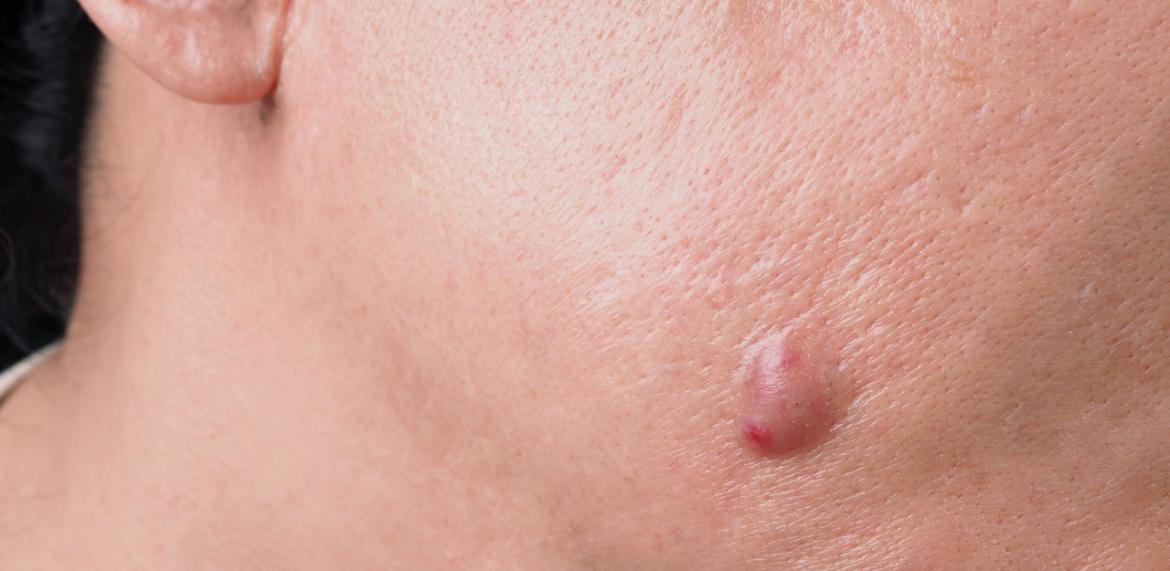
Ingrown Hair (Pilonidal Sinus)
An ingrown hair is a skin condition caused by hairs under the skin accumulating around the oil glands and becoming infected. Ingrown hairs typically occur on the scalp and in areas with dense hair growth (genitals, armpits, neck, face, and back). Ingrown hairs are often caused by excessive friction, sweating, or irritation of the skin caused by rubbing.
Symptoms of an ingrown hair may include redness, swelling, pain, tenderness, discharge, and a hard lump under the skin. If the ingrown hair becomes infected, the pain and inflammation can increase, and a fluid-filled cyst may form.
Ingrown hairs usually don't heal on their own and can lead to more serious complications if left untreated. Treatment options include antibiotics, warm compresses, surgery, and ingrown hair removal. To prevent ingrown hairs from becoming a serious problem, it's recommended to consult a healthcare professional if you experience symptoms.
What are the symptoms of ingrown hair?
- Redness: Redness may occur in the area where the ingrown hair occurs.
- Swelling: A swelling occurs in the area where the ingrown hair occurs.
- Pain: The ingrown hair area can cause pain by putting pressure on the surrounding tissues.
- Tenderness: The area with the ingrown hair may become sensitive and painful to the touch.
- Discharge: A discharge may occur in the area of the ingrown hair. This discharge may be yellowish-white and foul-smelling.
- Cyst: When an ingrown hair becomes infected, a cyst can form. Cysts can be fluid-filled and form a hard bulge under the skin.
Symptoms of ingrown hairs often occur due to the pain and discomfort experienced by the person with the ingrown hair.
What causes ingrown hairs?
Ingrown hairs occur as a result of inflammation of the hair follicles. Hair follicles are structures located within the dermal layers beneath the skin. Ingrown hairs occur when the oil glands around the hair follicles accumulate and become infected.
Factors that cause ingrown hairs are:
- Friction: Friction is one of the most common causes of ingrown hairs. The risk of ingrown hairs is particularly high in areas where the skin is constantly rubbed and pressured.
- Hair Loss: After hair loss, hair follicles may become blocked and ingrown hairs may occur.
- Sweating: Sweating can cause ingrown hairs. Sweating can affect the function of the sebaceous glands and trigger ingrown hairs.
- Wound: Wounds on the skin's surface can cause ingrown hairs. It's possible for broken hairs to become infected, causing an ingrown hair to form under the skin.
- Skin Cleansing: Inadequate skin cleansing can also lead to ingrown hairs. Dirt and oil buildup on the skin can clog hair follicles, leading to ingrown hairs.
- Hereditary Factors : In some people, ingrown hairs may be a hereditary trait.
Ingrown hairs can be caused by many factors and can be prevented. Maintaining good skin health, cleansing regularly, and protecting the skin from friction can help prevent ingrown hairs.
What are the types of ingrown hairs?
Types of ingrown hairs can vary depending on their location, shape, and severity. Here are the types:
- Acute pilonidal abscess : This is the most common type of ingrown hair. A hair breaks off under the skin, causing infection and a painful swelling. This swelling can become an infected cyst or abscess.
- Chronic pilonidal sinus: This type of ingrown hair can develop after an acute pilonidal abscess. In this case, the infection can spread under the skin, forming a sinus (canal), and causing persistent discharge. Chronic pilonidal sinus often causes recurring infections.
- Pilonidal cyst: This is the most serious type of ingrown hair. The cyst at the site of the ingrown hair grows and spreads into surrounding tissue. In this case, surgery may be necessary.
- Pilonidal fistula: This occurs as a result of a chronic pilonidal sinus. The sinus is a hole that opens at the skin surface and can damage surrounding tissue.
Who gets ingrown hairs?
Ingrown hairs are generally more common in young men, but women and children can also be affected. Risk factors may include:
- Heredity: Ingrown hairs can run in families. People with a history of ingrown hairs in one or both parents may be at higher risk of developing them.
- Hairy skin: People with thick and dense hair may be at higher risk of developing ingrown hairs.
- Excessive sweating: Excessive sweating can increase the risk of ingrown hairs because sweat creates a moist environment on the skin, creating a favorable environment for ingrown hairs.
- Sitting posture: Sitting for long periods of time or sitting continuously can increase the risk of ingrown hairs. This can increase the risk of developing ingrown hairs because the hair follicles in the area are under constant pressure.
- Hygiene: Ingrown hairs can occur more frequently if the area is not kept clean.
- Being overweight: Being overweight can increase the risk of ingrown hairs. This can increase friction in certain areas of the body, which can increase the risk of developing ingrown hairs.
Risk factors for ingrown hairs can vary depending on a person's health, age, skin type, and lifestyle. However, it's possible to reduce the risk of ingrown hairs by making appropriate hygiene and lifestyle choices.
Where does ingrown hair occur?
Ingrown hairs are a condition that can occur anywhere on the body, but are most commonly seen in the following areas:
- Sacral region: The sacral region, located between the buttocks, is the area where ingrown hairs are most commonly seen.
- Armpits : The armpits are an area where ingrown hairs can develop due to tight clothing or excessive sweating.
- Area around the belly: The area around the belly is an area where ingrown hairs can develop due to tight clothing or excessive sweating.
- Scalp: Ingrown hairs on the scalp may occur as a result of infection of the hair follicles.
- Hair root surface: Ingrown hairs may occur as a result of damage to the hair roots after shaving or epilation.
- Toes: The area between the toes is an area where ingrown hairs can develop due to tight shoes or excessive sweating.
