


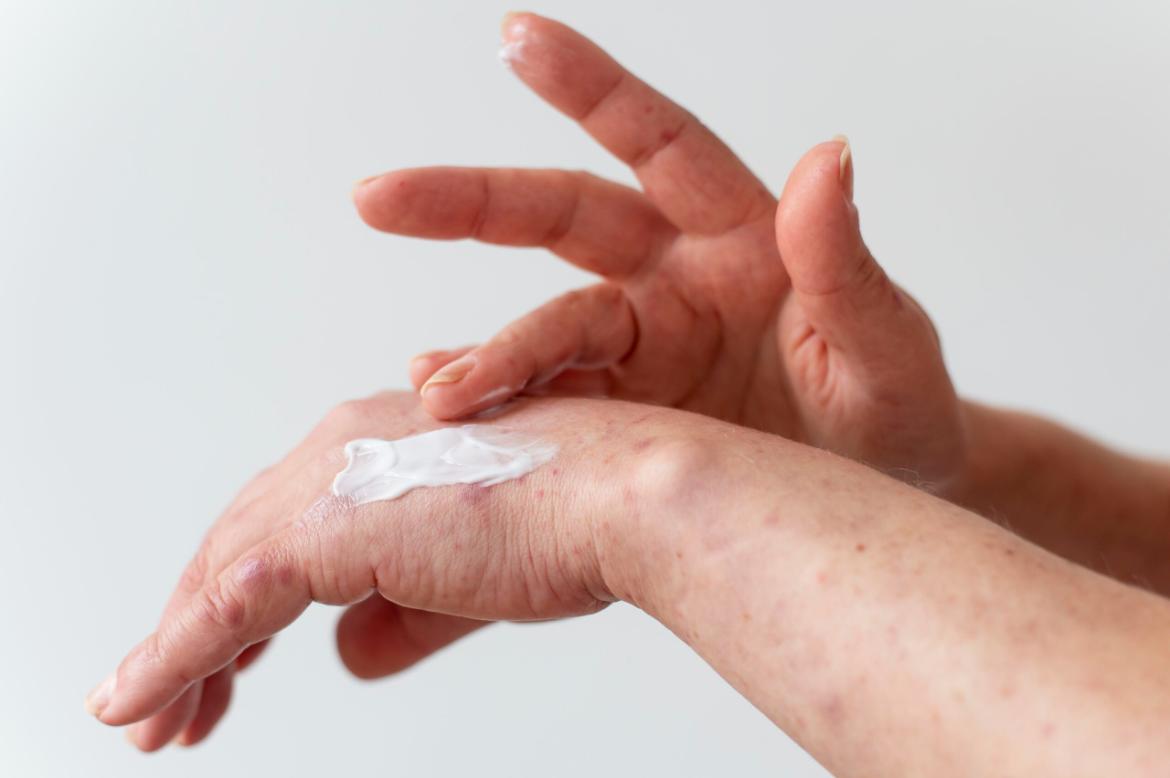
Burn
What is a burn? In terms of the severity of the burn, they are classified as first, second and third degree burns.
First-degree superficial burns are burns that affect only the outermost layer of the skin. They appear red, dry, and blister-free. Mild pain may be felt. Sunburn is an example.
Second-degree burns may appear red and white, blistered, spotted, and swollen. Moderate pain may be felt.
Third-degree burns, in addition to destroying the epidermis and dermis layers, can reach the fat layer of the skin and cause permanent damage to bones and muscles.
HOW TO PERFORM FIRST AID IN BURNS?
It can happen to people of all ages and requires immediate intervention. It can reach all layers of the skin in a very short time. It can cause serious damage and death.
HOW TO PERFORM FIRST AID FOR FIRST DEGREE BURNS?
Burned skin should be immersed in warm water or a cold compress should be applied. Avoid applying ice directly.
The burn area can swell quickly, so accessories should be removed immediately.
Do not apply oils or lotions to the affected area. Do not use anything other than the ointment recommended by your doctor.
Pain may be felt in the burned area, so painkillers are important.
HOW TO GIVEN FIRST AID FOR SECOND AND THIRD BURNS?
Help the person escape the flames and extinguish the fire.
Remove hot and burned clothing.
If clothing is stuck to the skin, cut or tear around it.
Get rid of accessories like jewelry and belts.
HOW TO GIVE FIRST AID FOR ACID BURNS?
Cover the burned area.
Immediately contact the nearest health center.
Immediately remove clothing that has come into contact with the chemical.
Cleanse the acid burn area with warm water for at least 10 minutes.
WHAT ARE THE SITUATIONS THAT REQUIRE PHYSICIAN CONTROL?
Large burns that do not heal within 2 weeks
Serious scars seen in burned areas
Leaking of injured tissue, severe increasing pain, redness and swelling
HOW ARE BURNS TREATED?
First-degree burns can be treated at home. In these cases, recovery is possible within a few weeks. After first aid, a sterile dressing should be applied to the burn area. Painkillers may be necessary. Because burns can lead to tetanus, a tetanus shot should be given every 10 years. Regardless of the degree of the burn, moisturizing should be applied after healing.
For second- and third-degree burns, an appropriate treatment plan should be developed after first aid and medical evaluation. Examples include medication, regular dressing changes, and surgical intervention. The primary goals of treatment are to alleviate and control burn-related pain, prevent infection, and remove dead tissue. In addition to these, treatment methods requiring long-term follow-up, such as physical therapy, are also used for severe burns.
Treatment for bruised cheeks includes antibiotic medication, regular dressings, stimulation of the burned tissue, determining the degree of loss of sensation, and applying appropriate treatment. Respiratory support for those experiencing breathing difficulties due to burns. Individuals may also need psychological support after a burn.
PHYSIOTHERAPY
Physical therapy can then be applied to the joint areas affected by the burn. After physical therapy, flexibility in the area can be regained. These exercises also increase muscle strength.
Treatment with skin grafts
It can be defined as the regeneration of the area with healthy skin tissue in burns that have penetrated deep into the skin tissue. Donors must be used for this procedure.
TREATMENT WITH RECONSTRUCTIVE SURGERY
It is the process of removing burn scars through plastic surgery applications.
Coping with post-burn trauma
Particularly after the second and third burns, people can be left with serious trauma. Exposure to frequently visible areas, such as the face and hands, can cause both physical and psychological trauma. It is crucial for a person to receive emotional support from those around them. Furthermore, meeting and connecting with someone who has experienced similar events during this period can have a positive impact.
WHAT ARE THE DIFFERENT TYPES OF BURNS?
Thermal burns are burns caused by heat, which increases the temperature of the skin and tissue, causing tissue cell death and burning. When hot metals, boiling liquids, or flames come into contact with the skin, a burn we call thermal burns can occur.
Radiation burns are burns that occur in people exposed to the sun's ultraviolet rays or rays such as X-rays.
Chemical burns occur when strong acids, detergents or solvents come into contact with the skin and eyes.
Electrical burns, these burns are caused by alternating current or direct current. They are caused by electric current.
IN MILD BURNS CASES
Keep the burned area cool. Hold it in warm water, not cold, until the pain subsides. Apply a compress between wet and warm. Remove any accessories from the burned area before the area swells. Do not burst blisters. If a blister bursts, clean the area with water. Apply the ointment prescribed by the doctor. Bandage the burn area in a sterile manner.
IN SEVERE BURNS CASES
Protect the burned person from further harm. If the burn is electrical, check that the power supply is off and approach the person. Ensure the person is breathing. Cover the burned area with a cool, damp bandage. Avoid contact with water for severe burns. Doing so can lead to hypothermia. Keep the burned area elevated. Watch for signs of shock. Fainting, pale skin, and particularly shallow breathing are signs of shock.
DOCTORS WHO TREAT BURNS GENERALLY HAVE THE FOLLOWING SPECIALITIES:
- Dermatologists
- Plastic surgeons
- Internists
- Orthopedic surgeons
- Infectious disease specialists
- Psychologists / psychiatrists
- Nurses specializing in burn care
TREATMENT PERFORMED IN BURN REHABILITATION PROGRAMS TO HELP ACHIEVE THESE GOALS
- Wound care
- Pain management
- Skin transplantation
- Physical therapies
- Nutritional counseling
FREQUENTLY ASKED QUESTIONS
1.What relieves the pain of a burn wound?
Antibiotics, painkillers, ointment wipes
2. What can be done for burn scars?
Mild burns heal on their own. To avoid scarring, follow the prescribed treatment. Vitamins can be taken to support skin circulation, and plenty of water should be consumed.
3 How many days does it take for a burn wound to heal?
First-degree burns heal within 3 to 5 days. Second-degree burns generally heal in 2 to 3 weeks. Third- and fourth-degree burns require hospital treatment. These burns can take months to heal.
4. Can burn wound blisters be popped?
It can cause discomfort for the patient. Some patients pop these bubbles with a needle at home. While it may provide relief, they should never be popped. If they do pop, they should be cleaned with water.
5. How to dress a burn?
Before dressing the burn, the area should be cleaned with warm water. Then, it should be cleaned with gauze impregnated with paraffin or oil-based ointment. If necessary, if there is a risk of infection, antibiotic ointment can be applied to the skin under the gauze. Dressing should be done regularly.
6 What to put on a burn?
Antibiotic ointments, oil-based ointments and some moisturizing lotions can be applied to reduce swelling and pain in the burned area and to prevent inflammation in that area.
