


Herniated Disc Surgery
What is a Herniated Disc? What Causes a Herniated Disc?
A herniated disc is known as a disease of our time, affecting nearly everyone and negatively impacting a person's life. The lumbar region of our spine is responsible for supporting our entire body. Within these vertebrae are flexible discs that distribute body weight evenly. These discs act as air cushions for the vertebrae and are composed of strong connective tissue. As people age, the discs within the vertebrae begin to fail to fully cushion the space between them. These discs can bulge, tear (from strain, falls, or heavy lifting), or wear out. It occurs when the cartilage between the vertebrae compresses the nerves exiting the spinal cord after severe strain.
Heavy lifting, in particular, can put significant pressure on the lumbar vertebrae. To prevent a herniated disc, individuals should pay attention to all these points. Herniated disc surgery is a health problem that can be cured if the herniated disc is treated appropriately. Today, herniated disc surgery is easier than ever before. We perform herniated disc surgery at Ankara Private Magnet Hospital. You can easily schedule an appointment and meet with our specialist doctors, who adhere to strict hygiene guidelines. You can begin your treatment by discussing the treatment process and any potential complications that may arise in your future life.
What are the symptoms of a herniated disc?
The symptoms of a herniated disc vary from person to person. The primary symptoms of a herniated disc include pain radiating to the hips, legs, and feet. A herniated disc often first occurs when the connective tissue behind the spine and in front of the cartilage tear following a strenuous movement in the lower back. This pain is initially felt in the lower back. It can then radiate to the legs, compressing the nerves. This progressive pain can have the same effect as a needle being inserted into your organs. Symptoms of a progressive herniated disc include:
- Pain radiating down the legs and a feeling of tingling and numbness that spreads to the feet
- The person has difficulty while sitting and walking
- Feeling of weakness in the muscles
- Feeling pain and numbness in a certain part of the body
- A person has difficulty holding their urine
- Even if it is a short walk, the person experiences pain.
- Feeling of getting tired easily
- A person may experience loss of balance or a feeling that their feet are suddenly loose.
- Feeling lower back pain constantly
If you experience these symptoms, you may be experiencing a herniated disc. This can vary depending on the individual's characteristics. We recommend that you visit our Private Magnet Hospital to receive assistance from our specialist physicians and begin your treatment process.
What are the risk factors for a herniated disc?
A herniated disc is one of the leading health problems that negatively impacts a person's professional life. People with a herniated disc can sometimes lose up to six months of their work capacity. The incidence of herniated discs is observed to be higher in certain occupations. Occupations that place heavy loads on the body and require prolonged standing and sitting have a particularly high incidence of herniated discs. Sitting in positions that are not biomechanically appropriate and engaging in certain movements in our daily lives also contribute to the risk of developing a herniated disc. The positions our bodies assume in a vertical or horizontal position after any activity, and the resulting shape, significantly influence the risk of a herniated disc, either increasing or decreasing the likelihood of a herniated disc.
85% of our population may experience back pain at some point in their lives. Men are twice as likely to develop a herniated disc as women. The more people experience these problems, the greater their risk of developing a herniated disc. Other risk factors for herniated discs include:
- A person is overweight – Obesity
- Sedentary life and Sedentary work
- The person's posture disorders
- Pregnant women in their final months of pregnancy
- Long-term vehicle use
- People who smoke
- Wrong mattress selection
However, in some patients, herniated disc problems can affect other family members. Herniated discs are not a genetic condition. Individuals with herniated discs may be predisposed to diseases that weaken the connective tissue that causes the condition. Therefore, it is thought that some individuals with herniated discs may have genes that increase their predisposition to developing herniated discs, suggesting a genetic predisposition.
How is a Herniated Disc Diagnosed?
Diagnosis is made by a doctor after first examining the individual's medical history and then conducting a physical examination. During this examination, your doctor will ask you about the complaints and the cause of your discomfort. A herniated disc diagnosis involves a variety of tests and scans, including X-rays, magnetic resonance imaging (MRI), and computed tomography (CT). These high-resolution diagnostic devices aim to identify spinal cord or nerve compression caused by a herniated disc.
X-ray devices, one of the imaging methods, are used to quickly evaluate and monitor problems such as bone fractures or spinal misalignment in a person's back pain.
Magnetic resonance imaging (MRI) is used as the gold standard diagnostic tool for the evaluation of suspected lumbar disc herniation in suspected patients. This radiological imaging method has a diagnostic accuracy of approximately 97%. This procedure is considered the most suitable imaging method due to its soft tissue differentiation and multi-planar imaging options.
A computed tomography (CT or CAT) scan can detect calcified or herniated discs. This scan is used to provide detailed images of any part of the body, including bones, muscles, fat, and organs.
What are the Treatment Methods for a Herniated Disc?
When a herniated disc is diagnosed and severe leg weakness, urinary and fecal incontinence, and loss of sexual function are encountered, immediate surgical treatment is recommended. Surgery is often reserved for patients who do not respond to even strong painkillers. Initially, bed rest, medication for three weeks, physical therapy, and rehabilitation centers can provide relief. Most patients who do not respond to these treatments experience pain and loss of strength, which can disrupt their quality of life and lead to loss of work and performance. For those who do not respond to treatment, the doctor will re-evaluate the situation before considering surgery.
Regardless of the method used to treat a herniated disc, the goal of surgery is to relieve pressure on the nerve root. After all the tests, our doctor will plan the most appropriate surgical method for the patient.
The most important factors in a herniated disc are the patient's age, the location of the herniation, and the patient's general health, all of which significantly influence surgical planning. Microsurgery is the most preferred method because it provides the most effective results.
What is Good for a Herniated Disc?
Rest and Recreation : If herniated disc symptoms are severe, it's important to avoid strenuous physical activity and focus on rest. However, because lying down for long periods can also weaken muscles, gentle movements and short walks are recommended. This can reduce pressure on the spine.
Hot and Cold Applications: Hot and cold therapy is a highly effective method for relieving pain associated with a herniated disc. A cold compress can reduce inflammation and swelling, especially in the first few days. Afterward, a warm compress can relax muscles and increase blood flow, which can accelerate healing.
Physical Therapy and Exercises : Physical therapy is one of the most important methods for treating a herniated disc. Exercises recommended by a qualified physical therapist strengthen the back muscles, increase flexibility, and help align the spine. They also reduce pain and improve mobility.
Painkillers and Anti-Inflammatory Medications: With a doctor's recommendation, painkillers or anti-inflammatory medications can be used to relieve pain associated with a herniated disc. These medications can provide temporary pain relief. However, long-term use of these medications is not recommended because they only temporarily relieve symptoms and do not provide a permanent solution.
Postural Adjustments : Proper posture is crucial for someone with a herniated disc. Poor posture can increase pain and worsen the herniated disc. Proper posture, especially while sitting, standing, and lying down, reduces pressure on the lower back.
Controlling Your Weight: Being overweight can worsen a herniated disc because it puts extra pressure on the waist. Maintaining your ideal weight with a balanced diet can help reduce the symptoms of a herniated disc. Regular exercise and a healthy diet will support the treatment process.
Massage and Manual Therapy : Gentle massage of the lower back can help relax muscles and relieve pain. Manual therapy can also increase the back's natural range of motion and help reduce pain.
Moving Slowly: A person with a herniated disc should avoid sudden and jerky movements. Moving slowly and carefully can reduce pressure on the lower back and prevent pain from triggering.
Avoid Stress : Stress can cause tension in the body, which can increase back pain. Relaxing activities, meditation, or deep breathing exercises can help manage stress and relieve back pain.
How is a Herniated Disc Surgery Performed?
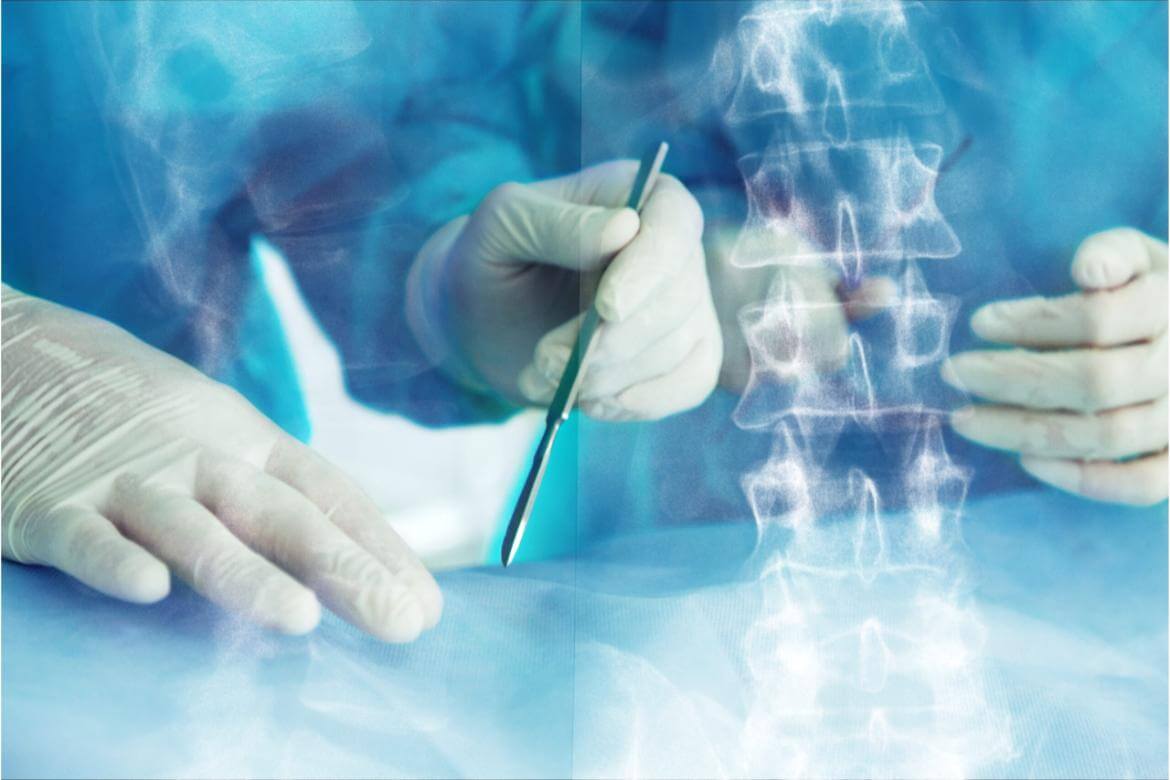
The anesthesia method used for herniated disc surgery is local, general, or spinal anesthesia, depending on the location and progression of the herniated disc. The patient lies face down throughout the surgery. A small 1.5-2 cm incision is made in the disc at the site of the herniated disc. The microscope used during the surgery allows for three-dimensional, detailed imaging of the tissues, reducing the risk of complications. The lumbar muscles are dissected from their attachment points using specialized instruments, allowing access to the herniated disc. Protruding discs may require further intervention. After surgery, once the patient feels better, they are helped to stand up and walk a few steps with support.
Things to Consider After a Herniated Disc Surgery
The first three weeks after herniated disc surgery are crucial. Avoiding any activity or activity your doctor prescribes reduces the risk of a herniated disc recurring. After the patient completes the three-week period without any problems, a rigorous exercise program is developed. Rest is crucial during this period. The patient should be more careful when moving and pay attention to their diet. Patients should strengthen weak back muscles by attending physical therapy or performing exercises recommended by their doctor. Avoid excessive weight-bearing while lifting weights. Avoid movements that could damage the back (slouching, bending over) and driving should be avoided for a while.
Herniated Disc Surgery in Women
In women, a herniated disc can often occur during pregnancy, the postpartum period, or due to factors such as osteoporosis. This condition occurs when discs in the lumbar region slip, putting pressure on nerves and causing pain. Surgery for a herniated disc in women is preferred in cases that fail to improve with medications and physical therapy. Surgery is generally performed using minimally invasive techniques, and patients can return to their daily activities quickly after surgery.
Herniated Disc Surgery in Men
Herniated discs are more common in men due to factors such as heavy workload, sports injuries, and age-related disc degeneration. A herniated disc can cause loss of strength in the legs and severe pain. Herniated disc surgery is often considered for men, especially when other treatment options are inadequate. These surgeries are usually performed using microsurgical techniques, which shortens recovery time and improves the patient's quality of life.
Herniated Disc Surgery in the Elderly
In the elderly, a herniated disc typically develops due to the weakening and displacement of the discs in the lumbar spine due to age. A herniated disc can reduce quality of life in older individuals, causing limited mobility and pain. However, herniated disc surgery in the elderly is generally planned after considering other health conditions. Conservative treatment methods such as physical therapy and pain management are preferred before surgery. If these methods are insufficient, herniated disc surgery can alleviate pain and increase mobility.
Frequently asked questions?
How Should People With a Herniated Disc Sleep?
It's crucial for people with a herniated disc to adopt the correct sleeping position to ensure a comfortable sleep. Placing a pillow under your knees when lying on your back, using a pillow between your knees when lying on your side, and avoiding sleeping on your stomach can all help reduce pain. Additionally, choosing the right mattress and pillow can improve sleep quality and contribute to the healing process. If you experience persistent pain during sleep, you can consult a specialist to learn more about your sleep patterns.
What are the Prices for Herniated Disc Surgery?
The most important factors in herniated disc surgery are the patient's age, the location of the herniation, and their overall health, all significantly impacting the cost of the procedure. It's impossible to provide a price quote without a thorough assessment of the patient's condition. To provide a definitive estimate on herniated disc surgery prices, the patient undergoes a series of checkups, which are then determined by our doctors based on the patient's condition. You can also undergo a neurosurgery examination at our hospital and have the procedure performed with confidence by our expert physicians. For more detailed information about herniated disc surgery, please contact us at 0312 212 80 80. We at Private Ankara Magnet Hospital wish you good health.
How to Treat Lower Back Pain?
Back pain is a common health problem, particularly due to the modern lifestyle and inactivity. In addition to serious conditions like a herniated disc, it can also be caused by simple causes like muscle strain, poor posture, and heavy lifting.
- Rest and Light Activity - Hot and Cold Applications
- Avoiding Stress - Avoiding heavy lifting
- Exercise and Movement - Massage and Manual Therapy
- Posture Regulations
Which Department Looks at Herniated Disc?
Different departments may work together to treat a herniated disc. Physical Therapy and Rehabilitation is usually the first department to consult, but depending on the complexity of the condition , Neurology , Orthopedics and Traumatology , or Brain and Neurosurgery may also be involved. A comprehensive evaluation by a specialist is crucial to determine the appropriate treatment plan for a herniated disc.
How to Understand a Herniated Disc?
A herniated disc typically presents with symptoms such as lower back pain, pain radiating to the legs, numbness, and muscle weakness. However, for a definitive diagnosis, a doctor should be consulted and the necessary tests performed. Early diagnosis and treatment can help manage a herniated disc before it leads to more serious complications.
Which Leg Does a Herniated Disc Affect?
Pain in the Right Leg:
If a herniated disc is pressing on the nerve roots on the right side, the pain will be more pronounced in the right leg. In this case, the pain can radiate from the lower back to the right buttock, thigh, knee, and even the toes. This type of pain is called sciatica and is usually felt in the right leg.
Pain in the Left Leg:
Similarly, if a herniated disc presses on nerves on the left side, the pain will be concentrated in the left leg. The pain may begin in the left buttock and travel down the leg. In this case, symptoms of sciatica will also appear in the left leg.
As a result , a herniated disc can often compress nerve roots, sending pain down the legs. Which leg the pain is felt in depends on where the herniated disc is located in the spine and which nerve it's pressing on. One-sided pain is a common symptom of a herniated disc affecting the legs.
Does a Herniated Disc Reoccur?
The recurrence rate for patients who undergo surgery for a herniated disc is quite low. In fact, the recurrence rate can be around 2-3 percent depending on where the herniated disc is located.
Does a Herniated Disc Go Away?
Yes, most cases of herniated discs can resolve over time with proper treatment. However, each patient's situation is different. Treatment is individualized and takes into consideration factors such as the patient's age, general health, the size of the herniated disc, and the extent of nerve damage. Treatment typically lasts from a few weeks to a few months.
What Should We Pay Attention to to Avoid a Herniated Disc?
It's crucial for people experiencing a herniated disc to pay attention to weight gain. They should avoid heavy lifting and avoid standing or sitting for extended periods. Those who are overweight (obese) should lose weight. It's important to keep the lower back warm and protect it from the cold.
Is Early Diagnosis Important in a Herniated Disc?
Yes, it's very important. Early diagnosis can prevent progression. After a certain period of herniated disc disease, surgery may not fully resolve the problem.
Is Walking Good for a Herniated Disc?
Walking is generally beneficial for a herniated disc. Walking slowly and carefully strengthens muscles, relieves pain, and speeds up the healing process. However, every individual is different, and if your pain worsens while walking, it's important to consult a professional.
Things you should pay attention to when walking:
- Choosing the right shoes
- Starting slow
- Walking time
- Maintaining a correct posture by keeping your back straight while walking will prevent you from putting too much strain on your waist.
What Happens If Surgery for a Herniated Disc Is Not Performed?
A herniated disc is a condition that occurs when the discs in the lumbar region of the spine become damaged. When the outer layer of the discs wears down, the gel-like material inside can leak into surrounding tissues and press on nerves. Treatment for a herniated disc usually begins with conservative measures, but in some cases, surgery may be necessary.
If herniated disc surgery is not performed, the following possible consequences may occur:
- Persistence of symptoms: Symptoms of a herniated disc can include pain, numbness, tingling, or weakness due to pressure on nerves. Without surgery, these symptoms can persist and even worsen.
- Permanent nerve damage: A herniated disc can cause nerve damage by pressing on nerve roots. In this case, the nerve damage can be permanent, and the chance of recovery is reduced without surgery.
- Loss of Function: A herniated disc can cause loss of leg strength, balance problems, and limited movement. Without surgery, this loss of function can become permanent and affect daily activities.
- Chronic pain: Pain is a common symptom in people with a herniated disc. Without surgery, this pain can become chronic and a long-term problem.
When Does a Herniated Disc Become Dangerous?
A herniated disc is generally not a medical emergency, but in some cases it can be dangerous. Situations where a herniated disc can be dangerous include:
- Cauda Equina Syndrome: Pressure on nerve roots from a herniated disc can cause compression of the nerve bundle called the cauda equina. This may require emergency surgery. Symptoms of cauda equina syndrome include loss of urinary or bowel control, severe muscle weakness, sexual dysfunction, and anesthesia (numbness).
- Severe weakness: A herniated disc can cause weakness in the legs by pressing on nerve roots. If the weakness progresses rapidly and the person is unable to walk normally or has difficulty standing, this condition can be dangerous and may require immediate surgery.
- Loss of urinary or bowel control: A herniated disc can put pressure on nerve roots, affecting urinary or bowel control. If complete loss of urinary or bowel control occurs, it is considered a serious condition and may require immediate medical attention.
- Severe pain: A herniated disc usually causes pain, but in some cases, the pain can become severe and unmanageable. If the pain from a herniated disc is severe and cannot be controlled with medications or other treatments, surgery may be considered.
How Many Hours Does a Herniated Disc Surgery Take?
The duration of a herniated disc surgery can vary depending on various factors. It is usually performed laparoscopically, but open surgery may be necessary. Laparoscopic surgery is less invasive and typically takes 1-2 hours. However, if open surgery is used, this time may be slightly longer, up to 2-3 hours.
What is the Recovery Process Like After a Herniated Disc Surgery?
The recovery process after herniated disc surgery can vary depending on the type of surgery and the patient's overall health. However, most patients can return to their normal routine within a few weeks. The key is to follow your doctor's instructions and be patient during the recovery process.
What are the Complaints After Lumbar Disc Herniation Surgery?
Symptoms experienced after herniated disc surgery are generally temporary and part of the recovery process. However, if symptoms persist for a long time or lead to more serious problems, it's important to consult a doctor. For a healthy recovery after herniated disc surgery, it's important to follow your doctor's recommendations, have regular checkups, and gradually reintroduce physical activity.
- Pain and discomfort
- Numbness and tingling
- Restriction of movement
- Urinary and bowel problems
- Risk of infection
- Mood changes
How Can I Find a Doctor Who Performs Good Herniated Disc Surgery?
He is a neurosurgeon with extensive expertise and experience in this field. For more information, please visit our Ankara Private Magnet Hospital for a consultation with our General Surgery Specialist.
Does Social Security Cover Herniated Disc Surgery?
SGK covers a certain portion of the costs of herniated disc surgery performed in private hospitals that have agreements with it.
Should I Wear Support Garments After Herniated Disc Surgery?
Wearing a support garment after herniated disc surgery can be an important step in aiding the healing process. However, the patient's overall condition and the doctor's advice are crucial when making this decision.
