


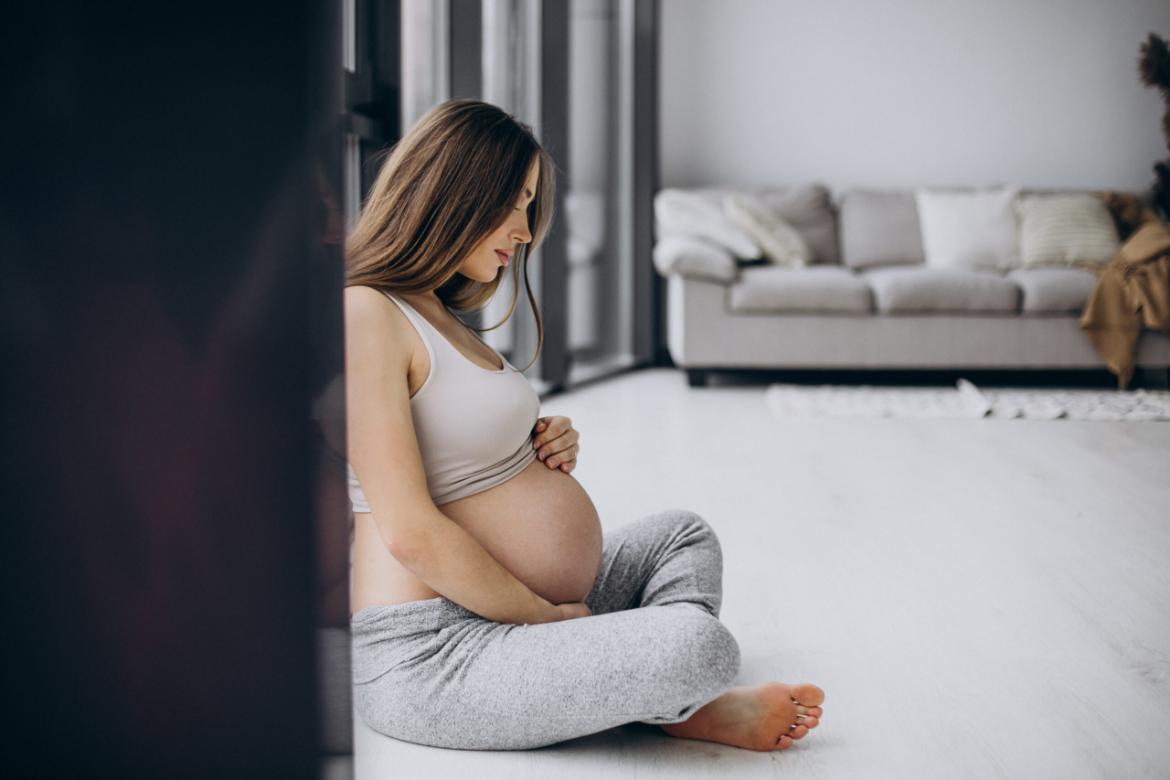
Health During Pregnancy
Pregnancy is a unique and eagerly awaited time in many women's lives. Giving birth to a healthy baby is every expectant mother's greatest desire. Every experience directly impacts the health of both mother and baby. Therefore, it is crucial for expectant mothers to act consciously to navigate the process in a healthy way. Compared to pre-pregnancy, hormone levels in the body change, and these changes can affect expectant mothers both physically and emotionally. During pregnancy, expectant mothers may struggle with health issues such as heartburn, urinary problems, appetite changes, and weight gain.
Here's what pregnant women need to know to solve these health problems in the most appropriate way:
Heartburn during pregnancy
Heartburn and heartburn are common during pregnancy. Hormonal changes and the pressure the baby puts on the stomach can trigger these problems. The progesterone hormone released during pregnancy slows digestion, reducing the rate at which food is absorbed into the bloodstream and causing it to remain in the stomach for longer. This can lead to heartburn and heartburn. Additionally, muscle weakening during pregnancy can affect the stomach lining, making it more likely for acids to leak into the esophagus.
Heartburn typically occurs in healthy individuals as a result of conditions such as gastritis or acid reflux. Certain foods, such as syrupy desserts, chocolate, acidic beverages, onions, tomatoes, garlic, fried foods, spicy foods, and oranges, can trigger heartburn. Pregnant women, like those with reflux or gastritis, should avoid these foods.
Frequent urination during pregnancy
During pregnancy, due to both hormonal changes and the pressure the baby puts on the bladder, bladder capacity decreases and urine production increases. This condition often manifests itself as frequent urination in pregnant women, from the beginning of pregnancy until birth. This is a normal and common occurrence. However, if symptoms such as pain during urination, cloudy, foamy, or foul odor in the urine, chills, or fever accompany frequent urination, it could indicate a urinary tract infection or other health problems.
It's important for pregnant women experiencing these symptoms to seek medical attention and get the necessary tests. Conditions like urinary tract infections can lead to serious health problems during pregnancy, so a professional medical evaluation regarding these symptoms is crucial.
Increased appetite during pregnancy
During pregnancy, an increase in appetite typically becomes noticeable after the third month and can persist until the sixth month. During the first trimester, pregnant women may often avoid favorite foods due to nausea. However, after this period, they may experience a significant increase in appetite and a desire to overeat.
During pregnancy, especially midway through, expectant mothers may be inclined to eat more due to increased nutritional needs for the baby and a relaxed state. This typically coincides with the period of greatest weight gain throughout pregnancy.
However, weight gain should be carefully monitored and under the supervision of a doctor. Excessive weight gain can pose a health risk to both mother and baby. Therefore, it is important to follow your doctor's recommendations regarding a balanced diet and appropriate weight gain.
Hunger intolerance during pregnancy
During pregnancy, glucose tolerance may be impaired. Especially when combined with unhealthy or unbalanced eating habits, pregnant women may develop hunger intolerance. Foods with a high glycemic index—foods that rapidly raise blood sugar followed by a sudden drop—can exacerbate hunger intolerance. Pregnant women with this condition may experience sweet cravings or symptoms such as tremors and dizziness due to low blood sugar. Pregnant women experiencing such conditions should first consult a doctor.
Expecting mothers experiencing hunger intolerance should choose healthier carbohydrate sources, such as high-fiber whole grains, vegetables, fruits, and fiber-rich legumes, instead of sugary foods and processed grains. These foods can help maintain more stable blood sugar and reduce the effects of hunger intolerance. However, it's important to consult a healthcare professional for specific recommendations.
Temporary or permanent high blood sugar levels during pregnancy
During pregnancy, some expectant mothers, especially those who are overweight or have a family history of diabetes, may develop high blood sugar even if they had no insulin resistance, diabetes, or high blood sugar before pregnancy. This condition tends to be more common in individuals with risk factors. Uncontrolled high blood sugar levels can increase the risk of a larger-than-normal baby, premature birth, or complicated labor.
High blood sugar levels that develop during pregnancy are often referred to as gestational diabetes or pregnancy diabetes. This condition typically resolves after birth, but if precautions are not taken, it can progress to type 2 diabetes and become permanent. In a healthy pregnancy, fasting blood sugar levels should be no more than 90 mg/dL, and postprandial blood sugar levels should be no more than 120 mg/dL. Blood sugar levels above these levels may indicate the presence of gestational diabetes.
The oral glucose tolerance test (oral glucose tolerance test), which can be performed between weeks 24 and 28 of pregnancy, is important for detecting abnormalities in postprandial blood sugar levels or prediabetes. This test is an important tool for early detection of any elevated blood sugar. Therefore, it is important to perform this test within the timeframe recommended by your doctor and to strictly follow your doctor's recommendations if any elevated blood sugar is detected.
Excessive weight gain during pregnancy
During pregnancy, factors such as cravings and concerns about inadequate nutrition can sometimes lead to overeating. However, excessive weight gain beyond normal levels can pose a health risk for both mother and baby. Excessive weight gain can increase risks such as insulin resistance and gestational diabetes. Furthermore, expectant mothers can experience many negative effects, such as back pain and obesity-related cardiovascular disease.
Therefore, for the health of both mother and baby, weight gain during pregnancy should be carefully monitored and monitored by a doctor. Avoiding excessive or inadequate weight gain is crucial for a healthy pregnancy. Following a doctor's recommended nutrition plan and regular exercise can contribute to balanced weight gain and a healthy pregnancy. This can protect the health of both mother and baby, while minimizing potential risks.
Anxiety and other psychological problems during pregnancy
Various psychological issues can arise during pregnancy, and this can be due not only to experiences but also to shifting hormonal balances. A mother's fear of losing her baby, in particular, can be at the root of psychological problems. Past experiences such as failed pregnancies, negative IVF treatments, miscarriages, or stillbirths can trigger psychological problems.
Not limited to pregnancy, an expectant mother's anxiety can also impact psychological issues during the postpartum period. While anxiety is a fundamental emotion that helps people survive, excessive levels of anxiety can negatively impact psychology. Pregnant women may experience anxiety when experiencing high levels of anxiety.
Support from others is crucial for overcoming such situations. However, expectant mothers also need to distance themselves from negative thoughts. Listening to their bodies during pregnancy, avoiding panic, and engaging in positive fantasies about their future babies can help mothers find relief. Avoiding negative thoughts and focusing on positive ones supports expectant mothers' psychological well-being. Professional assistance can also be crucial when needed.
Extreme nausea and vomiting during pregnancy
During pregnancy, extreme nausea and vomiting are among the most common problems for many women. Nausea is normal in the first few weeks of pregnancy, particularly in the morning, and is also known as "morning sickness." It can vary from woman to woman; some experience mild nausea, while others experience more severe nausea and vomiting.
This nausea usually subsides and disappears over time, starting around the third month. This is a normal part of pregnancy and is generally not a sign of a health problem. However, some expectant mothers may believe that nausea and vomiting negatively impact their baby's health, but this is generally normal and not a cause for concern.
Although pregnancy generally progresses within a specific framework, each individual may experience it differently. Rarely, persistent vomiting and weight loss may occur. These conditions may affect the health of both mother and baby, so they may require medical consultation. However, nausea and vomiting are generally a natural part of pregnancy and can vary from woman to woman.
Hypertension during pregnancy
Conditions such as gestational hypertension can occur during pregnancy. This hypertension usually resolves after the pregnancy is over. However, it is important to control hypertension during pregnancy for the health of both mother and baby. Therefore, regular blood pressure measurements should be performed in addition to the doctor's recommendations.
Expectant mothers experiencing hypertension can protect both their own health and the health of their babies by paying attention to the foods they consume. Persistent hypertension after pregnancy may require treatment. Therefore, this issue should be prioritized in the postpartum period and a doctor should be consulted. Expectant mothers should be regularly monitored after birth and any necessary treatment initiated. Monitoring hypertension both during pregnancy and after birth is crucial for the health of both mother and baby. It is essential to follow the doctor's recommendations and regularly monitor their health during this period.
Protein loss in urine during pregnancy
In a normal and healthy pregnancy, some protein in the urine is common. This is considered normal to a certain extent, especially in the later weeks of pregnancy, due to increased kidney permeability. However, provided the urine protein level is not too high, it is monitored regularly and generally does not require intervention.
Following the end of pregnancy, it is important for the expectant mother to undergo a general health checkup. If high protein loss in the urine persists, a nephrologist should be consulted to evaluate the condition and administer appropriate diagnostic methods. Such situations should be evaluated by specialists, and appropriate measures should be taken, as excessive protein loss can sometimes indicate serious kidney or health problems. Therefore, if protein loss persists in the urine after pregnancy, it is important to be evaluated by a specialist.
Skin edema during pregnancy
During pregnancy, expectant mothers' circulating blood volume increases by approximately 50 percent. This increase causes blood vessels to dilate, and excess fluid can accumulate in the tissues. This can lead to swelling, known as edema. Edema can often occur in the feet, legs, or other areas of the body during pregnancy.
However, water needs increase during pregnancy because water intake helps prepare the pelvic joints for birth, and some of it is stored in the body. This stored water can lead to effects similar to edema.
A healthy diet, adequate protein intake, and light exercise can help reduce edema. Avoiding foods high in sodium and drinking adequate amounts of water can reduce the risk of edema. Additionally, prolonged standing or inactivity can also increase edema, so regular rest and leg elevation are recommended. However, in cases of severe or sudden edema, it's important to seek medical advice, as it can sometimes indicate underlying medical conditions.
Preeclampsia and eclampsia in pregnancy
During pregnancy, symptoms such as hypertension, excessive protein loss in the urine, and edema can sometimes occur in expectant mothers, leading to conditions known as preeclampsia and eclampsia. Preeclampsia and eclampsia are rare but can cause serious complications during pregnancy.
Preeclampsia presents with symptoms such as hypertension, excessive protein loss in the urine, and edema. This condition can pose serious risks to both mother and baby and requires careful monitoring during pregnancy. Preeclampsia can lead to a more serious condition called eclampsia, which is characterized by confusion or seizures that follow preeclampsia. This condition can seriously affect the health of both mother and baby, so delivery is often the only option.
Pregnancy is a serious period that requires careful attention. Therefore, whether you're considering pregnancy or are already pregnant, it's important to have regular checkups. This will help ensure the best possible health for expectant mothers and their babies, allowing you to embark on a healthy life. Following expert advice and consulting your doctor when necessary is crucial for a healthy pregnancy.
