


Health Benefits of Chestnuts
Chestnuts are not only a natural source of flavor but also an important nutrient for health. Rich in vitamins, minerals, antioxidants, and fiber, chestnuts offer a nutritious profile. They offer numerous health benefits, from heart health and digestive function to immune system and bone health. They can also boost endurance by energizing the body.
Chestnuts have been considered a valuable food source in various cultures for centuries. This fruit, obtained from trees called Castanea, generally grows in temperate climates and exists in various species. Chestnut trees are generally large and have thick trunks. Their fruits are surrounded by a hard outer shell and contain an edible inner part. This inner part is known as a chestnut and is consumed.
Nutritional values of chestnuts
Chestnut (Castanea Sativa), a plant belonging to the beech family (Fagaceae), is a nut grown and consumed in temperate climates. Unlike other nuts, chestnuts are lower in fat and contain high amounts of starch and vitamin C. They are known for their slightly sweet flavor and can be ground into flour due to their high starch content. Chestnut flour is gluten-free, making it a popular choice for bread and pastries.
The nutritional values of 100 grams of roasted chestnuts are as follows:
- 190 calories
- 41 grams of carbohydrates
- 10 grams of sugar
- 4 grams of fat
- 7 grams of protein
- 3 grams of fiber
Chestnuts contain vitamins C, E, and B (B1, B2, B3, B6, and B9). They also contain various minerals such as phosphorus, magnesium, sulfur, and calcium.
Roasted chestnuts, in particular, have a higher vitamin and mineral content. They are rich in vitamin C and a rich source of vitamin B6. They are also an important source of fiber for proper digestive function.
Health benefits of chestnuts
Chestnuts offer numerous health benefits, and the components they contain have health-supporting effects. Their antioxidant, fiber, and vitamin content, in particular, offer a variety of positive effects:
- Anti-inflammatory effect: Chestnuts contain antioxidants that help reduce inflammation in the body. This property may protect against heart disease and cancer.
- Cholesterol -lowering effect: Its vitamin C content along with Omega-3 and Omega-6 fatty acids can help balance cholesterol levels.
- Supporting digestive health: Its high fiber content protects the intestinal flora, regulates the digestive system and supports digestion.
- Supporting heart health: Antioxidants and potassium content are effective in protecting heart health by helping regulate blood pressure.
- Supporting bone health: With its calcium, phosphorus and magnesium content, it strengthens bones and teeth and protects bone health.
- Nervous system and production of the happiness hormone serotonin: Phosphorus and B vitamins in chestnuts strengthen the nervous system and can have a positive effect on mental health by supporting the production of serotonin.
- A suitable food source for celiac patients: Chestnuts are a gluten-free alternative and are a suitable food for celiac patients and people with gluten intolerance.
- General nutritional value: Chestnuts are rich in many vitamins (K, B5, B3) and minerals (phosphorus, magnesium), making them a generally nutritious source.
The positive health effects of chestnuts stem from their rich nutritional content. Many of these benefits can be achieved by consuming chestnuts regularly. However, for any health condition or specific dietary plan, it's important to consult a healthcare professional for advice.
Harms of chestnuts
- It may cause digestive problems if consumed raw: When chestnuts are consumed raw, some of the natural substances they contain may cause digestive problems and irritate the digestive system.
- It may cause gastritis or indigestion problems: Especially in some people with sensitive intestines or stomach disorders, chestnut consumption may trigger problems such as gastritis or indigestion.
- Possible effects of excessive consumption: Excessive consumption of chestnuts may cause conditions such as diarrhea, high blood pressure or increased blood sugar.
- Starch and sugar content: Especially for diabetics or people who need to keep their blood sugar under control, chestnuts are a food that should be taken into consideration due to their high starch and sugar content.
These potential side effects may vary depending on a person's health condition, sensitivity, and the amount consumed. It's important for individuals with any health issues or dietary restrictions to consult a healthcare professional or nutritionist before consuming chestnuts. In general, cooking chestnuts can reduce their effects on the digestive system and minimize potential side effects.
Is it possible to lose weight with chestnuts?
Chestnuts' contribution to weight loss should be considered in conjunction with the overall structure of the diet and other foods consumed. Thanks to their fiber content, chestnuts can promote long-term satiety. Research suggests that a high-fiber diet can suppress the hunger hormone ghrelin and increase the secretion of certain appetite-reducing hormones.
However, it would be misleading to claim that chestnuts alone will be effective in weight loss. Chestnuts should be considered as part of a balanced diet and an active lifestyle. Furthermore, chestnuts can be high in calories, which can lead to weight gain if consumed excessively.
Chestnuts can aid weight loss, but they're not a standalone solution. Achieving weight loss goals requires, in addition to consuming chestnuts, adopting healthy eating habits, regular exercise, and prioritizing dietary diversity. While chestnuts can contribute to a nutritional program by promoting satiety, a holistic approach that encompasses all key factors is crucial for weight loss.
How to consume chestnuts?
Chestnuts can be consumed in a variety of ways. Here are some suggestions on how to consume them:
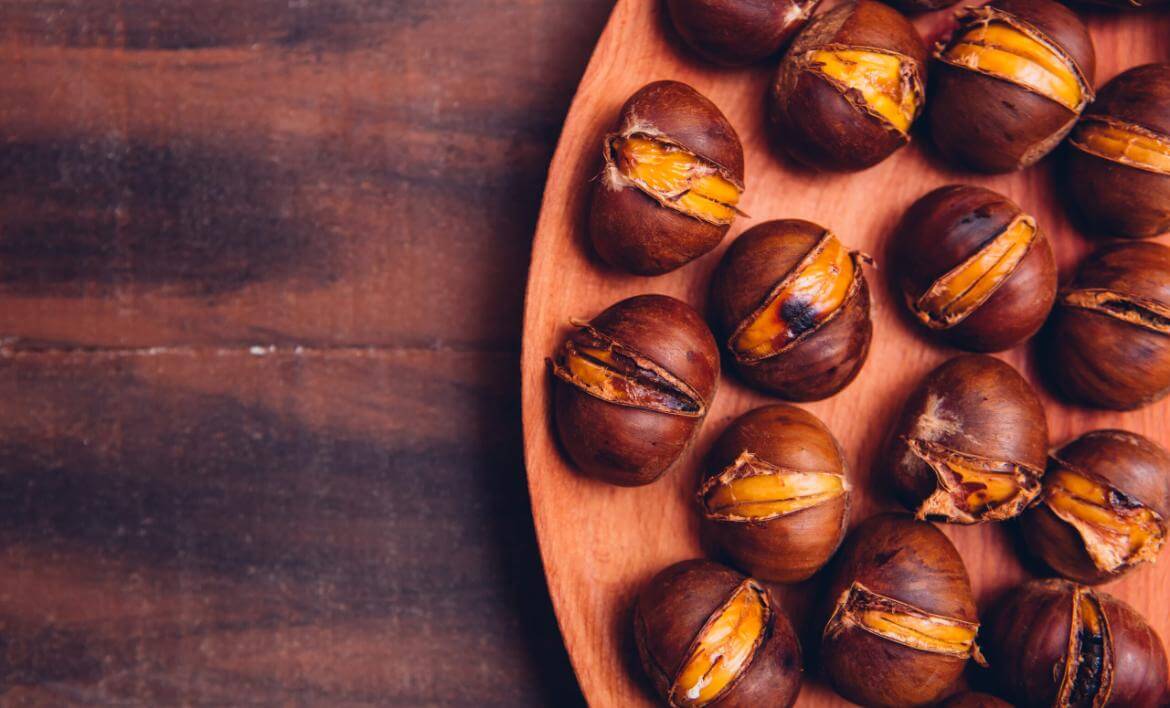
- Roasted or roasted chestnuts: Chestnuts are generally consumed roasted or roasted. They are cut or scored in several places and then roasted in the oven or over a fire. Once cooked, the outer shells can be peeled off and the insides can be eaten.
- Boiled chestnuts: Chestnuts can also be boiled. Score the chestnuts a few times and blanch them in boiling water. Once the cooked chestnuts have cooled, they can be peeled and consumed.
- Chestnut puree: After cooking, chestnuts can be crushed or pureed and used in desserts or other recipes. Chestnut puree is an ideal ingredient for adding flavor to desserts or cakes.
- Chestnut flour: Chestnut flour, obtained by grinding roasted chestnuts, can be used in various bakery products or bread making since it does not contain gluten.
- Chestnut soup: Cooked chestnuts can be prepared as a soup with vegetables and spices.
- Chestnut salad or dish: Boiled chestnuts can be used in salads or dishes. They can also be combined with vegetables or meat dishes.
- Chestnut desserts: Chestnuts can also be used in desserts. Chestnut candy, chestnut halva, or other desserts made with chestnuts are popular options .
Chestnuts are generally more readily available during the winter months, and depending on the cooking method, they can achieve different flavors. How they are consumed depends on personal preference; some prefer to consume them straight, while others choose to combine them in various recipes to achieve different flavors.
Are chestnuts high in sugar?
Chestnuts have a lower sugar content than other nuts. However, they are high in carbohydrates, most of which come in the form of starch. Roasted or cooked chestnuts are generally lower in sugar.
Roasted chestnuts are approximately 10% sugar. This means that the vast majority of the carbohydrates in a chestnut are starch. In a naturally ripened chestnut, starch predominates over fruit sugars. This means that chestnuts are not as high in sugar as other fruits. However, because chestnuts are high in carbohydrates, it's important for diabetics and those trying to control their blood sugar to be mindful of their intake.
Which organ is chestnut good for?
Chestnuts, thanks to their vitamins, minerals, and fiber content, can be beneficial for many organs. They play a particularly important role in supporting digestive health. Their fiber has a positive effect on the digestive system, regulating bowel movements and contributing to the digestive process.
Additionally, the minerals (e.g., magnesium, phosphorus, calcium) and vitamins (e.g., vitamin C, B vitamins) contained in chestnuts support overall health. For example, magnesium is important for nerve function, while vitamin C has antioxidant properties and is beneficial for the immune system.
Chestnuts, thanks to these vitamins and minerals, generally have positive effects on the digestive system, immune system, and overall health. Their nutritional content can support the functions of many organs and contribute to a healthy life. However, it's important to seek advice for those with any health issues or special dietary requirements.
