


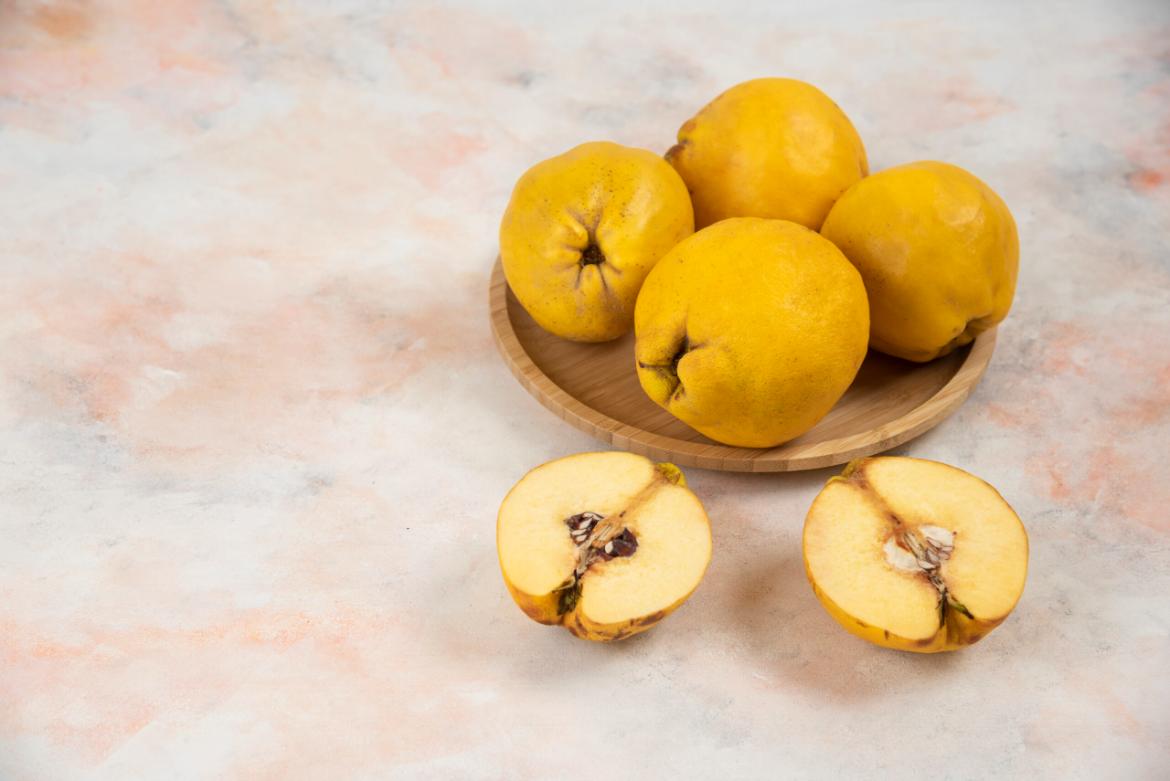
Benefits of Quince
Quince, a fruit belonging to the Rosaceae family, is rich in fiber, antioxidants, and vitamin C. It plays a significant role in strengthening the immune system, and consumption can vary. With its copper, potassium, iron, and various micronutrients, quince can reduce bacterial growth, support heart health, help wounds heal faster, and alleviate health problems like constipation.
Nutritional value of quince
Quince, with its firm, yellow texture, contributes to human health with its numerous vitamins and minerals. It's also known as a nutritious fruit, along with being low in calories. The nutritional values for 90-100 grams of quince are listed below:
- Calories: 52
- Fat: 0 grams
- Protein: 0.3 grams
- Carbohydrate: 14 grams
- Fiber: 1.75 grams
- Vitamin C: 15% of the Daily Value (DV)
- Thiamine (vitamin B1): 1.5% of the DV
- Vitamin B6: 2% of the DV
- Copper: 13% of the DV
- Iron: 3.6% of the DV
- Potassium: 4% of the DV
- Magnesium: 2% of the DV
What are the benefits of quince?
Quince is a fruit rich in antioxidants and offers a number of health benefits. The benefits of quince include:
- Antioxidant content: Quince may reduce inflammation by protecting the body against free radicals. Antioxidants like quercetin and kaempferol may protect against chronic conditions like heart disease.
- Digestive health: Thanks to its high fiber content, it can alleviate problems such as constipation by ensuring the regular functioning of the digestive system.
- Immune system support: Quince has antibacterial properties that can prevent the growth of harmful bacteria. It's also rich in vitamin C, which supports the immune system.
- Reducing nausea during pregnancy: Sherbet or syrup prepared from quince can help reduce the symptoms of nausea and vomiting during pregnancy.
- Skin health: Thanks to its high antioxidant and vitamin content, it supports the skin to remain healthy and youthful, and reduces damage to skin cells.
- May help treat stomach ulcers: Some research shows that quince juice may inhibit the growth of bacteria that cause stomach ulcers.
- Improving skin health: Thanks to its high vitamin C content, quince can help control inflammation in the skin and improve skin health.
- Boosting hair follicle health: Quince can support hair follicle health and promote hair growth with the minerals it contains, such as iron, copper and zinc.
- It can reduce the symptoms of acid reflux: Quince sherbet can relieve the symptoms caused by acid reflux.
- Supports wound healing: Thanks to its healing properties, it can contribute to the healing of wounds.
- High in nutritional value: Although low in calories, it contains many essential nutrients such as fiber, vitamin C, B vitamins, iron, potassium and magnesium.
With these benefits, quince is a healthy food that is low in calories and is a rich fruit that can meet many of the body's needs.
Some diseases that quince is beneficial for
Quince can help alleviate various health problems. Some of the health problems that quince positively affects are:
- Digestive disorders: Quince supports digestive health and can protect intestinal health by binding toxins and chemicals in the intestines.
- Stomach and intestinal bloating: The components contained in quince can reduce the bloating of the stomach and intestines by protecting the mucosa.
- Diarrhea: Quince can help relieve diarrhea as it is rich in fiber that can regulate the digestive system.
- Cough: In some cases, quince has been observed to have a cough-relieving effect.
- Swelling and pain in joints: Thanks to its anti-inflammatory properties, quince can relieve swelling and pain in joints.
- Skin injuries: Thanks to its high antioxidant content, quince can support the skin's healing process and help skin wounds heal faster.
- Eye disorders: In some cases, quince has been shown to have a positive effect on eye health, although further research may be needed on this topic.
Additionally, quince is known to lower LDL cholesterol, also known as bad cholesterol, and may protect against coronary heart disease. However, it's important to consult a healthcare professional for advice and treatment regarding any health condition.
How should quince be consumed?
Quince can be eaten raw, cooked, or prepared in various ways. Different ways to consume quince:
- Raw: When ripe, quince can be eaten raw. Washed and peeled quince can be added to salads, in fruit salads, or as a snack, either sliced or diced.
- Cooking: Quince can be consumed cooked. It can be boiled with its peel or grated and used to make jam or marmalade. It can also be baked and used in recipes such as desserts, cakes, pies, or compotes.
- Juice or drink: Quince juice or syrup can be prepared. These can be freshly squeezed or purchased ready-made. Drinking quince juice or using it as a sweetener can be beneficial.
- Dried Quince: Quince slices can be dried and consumed as dried fruit. Dried quince can be used as a snack or mixed with other dried fruits.
- Use in various recipes: Quince can be used in various recipes to prepare different dishes such as desserts, sauces, jams, soups or meat dishes.
Quince is not only delicious and nutritious, but it can be used in a variety of dishes and recipes. You can enjoy it raw, cooked, or prepared according to your preferences and taste.
How to prepare quince tea at home?
Making quince tea at home is quite easy and can have health benefits. Homemade quince tea recipe:
Materials:
- 2 medium-sized ripe quinces
- 6-8 glasses of water
- 2-3 slices of lemon (optional, to taste)
How to make:
- Thoroughly wash the quinces and slice them thinly, including the skins. You can remove the seeds if you wish, but since they are thought to not affect the flavor of the tea, removing them is generally unnecessary.
- Place the chopped quinces in a pot and add water. Adjust the amount of water to cover the quinces completely.
- Bring the pot to a boil over medium heat. Once boiling, reduce the heat and continue simmering for approximately 15-20 minutes. The quinces will begin to bleed into the water, darkening it.
- Once the boiling process is complete, remove the pot from the heat and let the tea steep for 15-20 minutes.
- At the end of the brewing time, strain the tea and optionally add lemon slices.
- You can drink the quince tea hot or cold. You can add honey or sugar to sweeten it if you like.
Notes:
- If you wish, you can obtain different flavors by mixing quince tea with cinnamon, ginger or other herbal teas.
- You can adjust the quantities and brewing time according to your personal preference.
- You can also consume the quince tea you have prepared cold by keeping it in the refrigerator.
You can make delicious and healthy quince tea at home with this simple recipe. Bon appetit!
Benefits of quince seeds
Quince seeds contain many nutrients and health benefits. Some of the benefits of quince seeds are listed below:
- Antioxidants: Quince seeds are rich in antioxidants, which protect the body against the harmful effects of free radicals and may reduce cellular damage.
- Skin health: Quince seeds are rich in vitamin E, which helps keep skin youthful and healthy. Their antioxidant properties can reduce signs of aging.
- Hair and nail health: The nutrients they contain can help hair and nails become stronger and healthier.
- Supporting cholesterol levels: Some research shows that quince seeds may balance cholesterol levels and support heart health.
- Immune system support: The vitamins and minerals they contain can help support the body's immune system.
- Digestive health: Quince seeds are rich in fiber, which can help regulate the digestive system and support digestive issues.
- Cancer-protective effects: Some studies suggest that compounds found in quince seeds may have cancer-protective effects. However, more research is needed in this area.
More scientific studies may be necessary to provide more definitive data on the health benefits of quince seeds. However, due to their antioxidants, vitamins, and minerals, quince seeds may offer health benefits. However, consuming large amounts or exceeding the recommended dosage may pose health risks. Therefore, it's important to consult a healthcare professional before using any supplements or natural products.
Can quince be used in diets?
Yes, quince can be enjoyed as part of a healthy diet. Its nutrients, such as fiber, vitamins, and antioxidants, can be beneficial for a healthy lifestyle and a balanced diet.
Quince is low in calories and rich in fiber. Fiber helps regulate digestion, promotes satiety, and can help maintain more balanced blood sugar levels by prolonging digestion. Therefore, it can support weight management or weight loss goals.
Additionally, quince is rich in vitamin C and has antioxidant properties. These properties can support the immune system and protect the body against the harmful effects of free radicals.
However, with any diet plan, it's important to eat a balanced diet and consume a variety of foods. Rather than relying heavily on a single food item, a balanced diet that includes a variety of foods, such as fruits, vegetables, whole grains, protein sources, and healthy fats, is recommended.
Quince can be used in salads, fruit platters, smoothies, or cooked in various recipes, such as desserts, jams, or soups. However, the amount consumed should depend on your personal needs and health status. It's also recommended that you consult a healthcare professional beforehand if you have any health conditions or allergies.
How much quince should be consumed per day?
Everyone's fruit intake needs are individual and can vary depending on their age, health status, and diet. In general, the Ministry of Health and other health authorities recommend 2-4 servings of fruit per day.
In winter, a medium-sized quince can be equivalent to one serving of fruit. Therefore, consuming one medium-sized quince a day can meet some of your daily fruit needs.
