


Hand-Foot Disease Symptoms, Causes and Treatment Methods
Hand-foot disease is a contagious viral infection that typically occurs in children. It is most commonly triggered by viruses such as coxsackievirus A16 and enterovirus 71. As its name suggests, the disease manifests with a rash on the hands, feet, and mouth. This mild but highly contagious disease can spread rapidly, especially in areas where children congregate, such as daycare centers and schools.
What is Hand-Foot Disease?
The incubation period for hand-foot disease is 3-7 days. In the initial stages, symptoms such as a mild fever, sore throat, and loss of appetite may appear. Within a few days, the disease progresses to symptoms such as mouth sores, rashes on the hands and feet, a mild fever, fatigue, and weakness.
- Mouth Sores: Small, painful blisters may appear in and around the mouth. These sores cause pain, especially when eating or drinking.
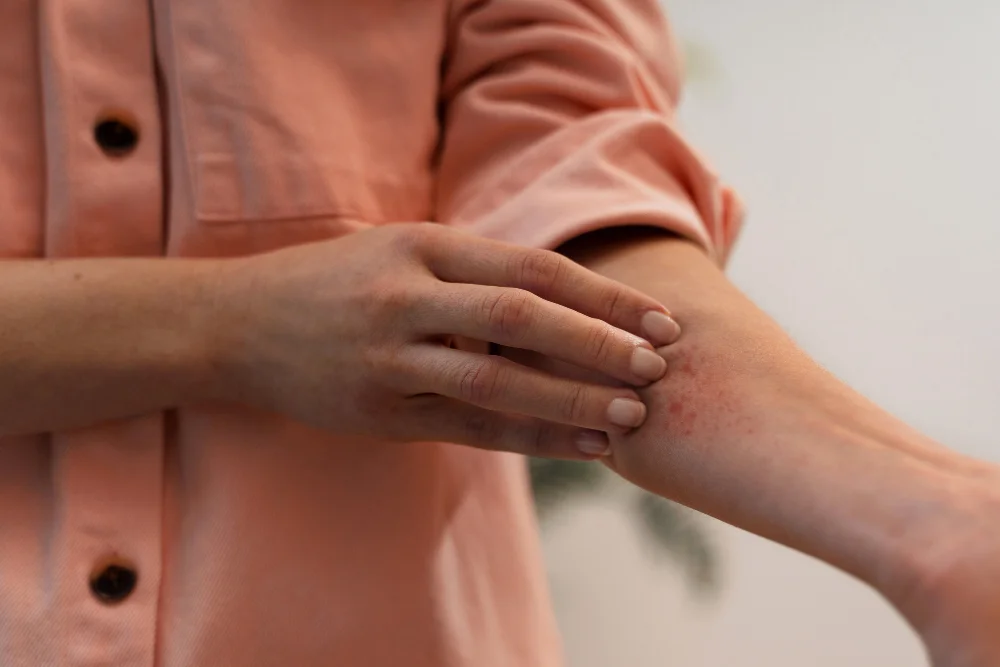
- Rashes on the Hands and Feet: Red rashes may appear on the hands and feet, and sometimes on the knees, elbows, and buttocks. These rashes may develop into blisters over time.
- Mild Fever: A fever of around 38-39°C may occur at the beginning of the disease or in the following days.
- Fatigue and Weakness: Especially in the first days of the disease, the patient generally feels tired and weak.
How Many Days Does It Take to Treat Hand-Foot Disease?
This disease can be transmitted through respiratory secretions, saliva, feces, and touching infected surfaces. It can spread rapidly, especially in crowded environments such as daycare centers, schools, and playgrounds.
Although the disease is most common in summer and fall, it can occur at any time of year. Individuals with weakened immune systems, pregnant women, and young children are more susceptible to the disease.
Hand-foot disease is usually diagnosed through a doctor's examination. The doctor evaluates the patient's symptoms and makes the diagnosis. In most cases, laboratory tests are not necessary, but in cases of concern, your doctor may order tests.
While there's no specific treatment for this disease, some measures can be taken to alleviate symptoms. To prevent dehydration, plenty of fluids like water, milk, and natural fruit juices should be consumed. To prevent irritation of mouth sores, hot, spicy, or acidic foods should be avoided; soft foods like yogurt, pudding, and soup should be preferred. Frequent hand washing and avoiding close contact with infected individuals are among the measures that will help prevent the spread of the disease.
Ways to Prevent Hand-Foot Disease
Here are some precautions that can be taken to prevent the spread of disease:
- Washing your hands frequently: It is important to wash your hands with soap and water, especially after using the toilet, before meals, and after coming home from outside.
- Disinfecting Items: Toys, door handles and other surfaces that the infected person has come into contact with should be cleaned regularly.
- Avoiding Contact with Sick Individuals: Avoiding close contact with individuals carrying the disease during the contagious period of hand-foot disease can reduce the risk of transmission.
- Strengthening the Immune System: A healthy diet, regular sleep and exercise can strengthen the immune system and increase resistance to diseases.
Can Hand-Foot Disease Be Transmitted to Adults?
Hand-foot disease is a generally mild but highly contagious infection. While it's common in children, it can also spread to adults. While most cases resolve on their own, complications can develop in some cases. Therefore, when symptoms appear, it's recommended to maintain good hygiene, rest, and consult a healthcare professional if necessary.
Private Magnet Hospital , with its expert physicians and state-of-the-art medical equipment, is ready to assist you with all your health concerns. Contact us to receive sterile healthcare services in safe hands and make a significant investment in your health.
