


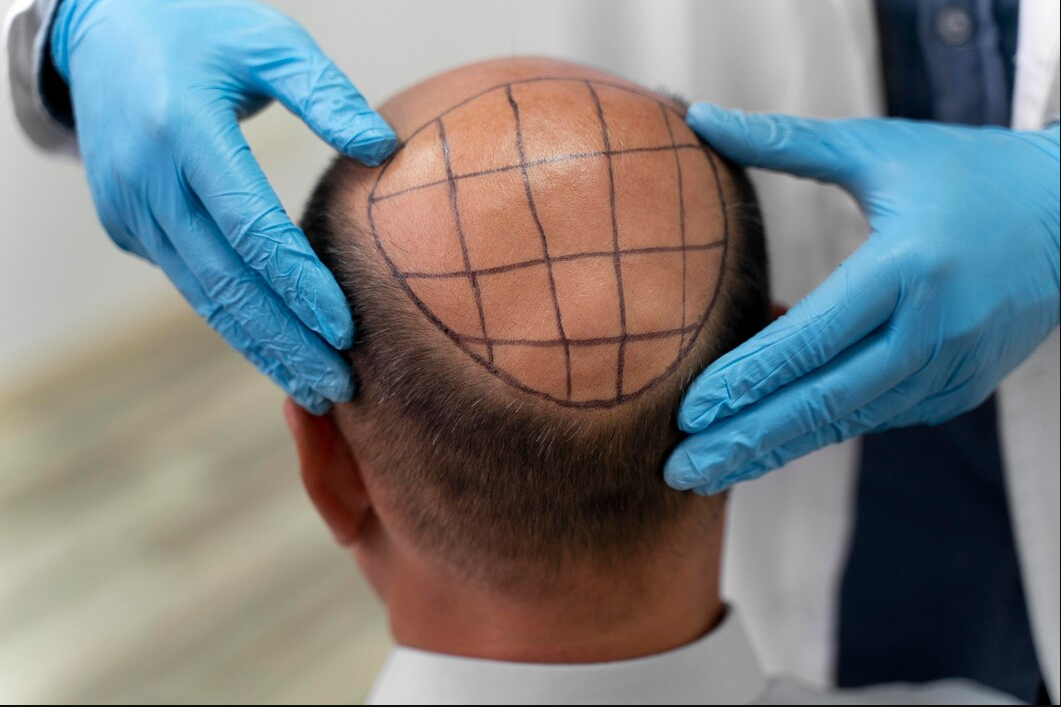
Hair Transplant Guide - What is it? How is it done?
Hair transplantation is the process of transplanting healthy hair follicles from individuals experiencing hair loss to the affected area . Hair follicles (grafts), usually taken from the nape of the neck, are placed in sparse or bald areas. The procedure provides permanent results and restores aesthetic appearance.
Why is Hair Transplantation Done?
Hair transplantation is performed on individuals experiencing hair loss due to genetic hair loss (androgenetic alopecia), stress, trauma, burns, disease, or aesthetic concerns. The primary goal is to achieve a natural and permanent hair appearance.
How is Hair Transplantation Done? What are the Methods?
Hair transplantation is performed using two basic methods:
FUE (Follicular Unit Extraction) : Hair follicles are extracted individually and transplanted using special tips. No stitches are required, and recovery is rapid.
DHI (Direct Hair Implant) : Hair follicles are transplanted directly with a special pen as soon as they are harvested. This provides a denser and more natural appearance.
FUT (Follicular Unit Transplantation): This is the classic method, where hair follicles are removed in strips through a surgical incision. It is less preferred today.
Before the procedure, the area is numbed with local anesthesia, and then the grafts are transplanted one by one. The average procedure time is 4–8 hours.
Post-Hair Transplant Process
First 1–2 Weeks: Shock Shedding and Recovery
Transplanted hair usually falls out within 1–3 weeks. This is normal; don't worry; the transplanted hair is healthy at the root. You may experience some scaling, redness, or mild itching on your scalp.
2. 1–3 Months: Rest and Beginning of Development
New hair isn't visible yet; the roots are resting deep within. During this period, hair growth is very slow, so patience is essential.
3. 3–6 Months: First Visible Emergence
New hair begins to grow back thin and soft, resembling spoon-like hair, but is not as dense or thick.
4. 6–9 Months: Concentration Period
Hair strands thicken, creating a fuller appearance. The hairline becomes more defined, and the difference in missing areas begins to diminish.
5. 12 Months and Beyond: Fully Fitted
A hair transplant usually takes 12–18 months to fully establish. Shedding has subsided, and the hair has reached its natural density. Any finishing touches or thinning needed will be discussed with your doctor.
Who Can Get Hair Transplantation?
For those experiencing male pattern hair loss
Those who have thinning hair or baldness
Those who experience hair loss due to trauma, burns or surgical scars
For people whose hair loss has stopped
For hair transplantation, the donor area (nape) must have sufficient density.
Who Cannot Have Hair Transplantation?
For individuals with active hair loss
Those with serious illnesses such as blood clotting disorders, heart disease, uncontrolled diabetes
For people with insufficient donor area
Individuals under the age of 18
Alternative treatment methods are recommended for these people.
Things to Do Before Hair Transplantation
Smoking and alcohol should be stopped 1 week before the procedure.
Blood thinning medications (aspirin, etc.) should be discontinued.
Hair must be clean and no cosmetic products should be used.
Before the operation, blood tests and examinations are performed.
Things to Do After Hair Transplantation
Hair should not be washed for the first 3 days.
Hats or helmets should not be worn.
It is recommended to keep the head elevated while sleeping.
Scratching or touching should not be done.
For the first month, avoid strenuous exercise and avoid sun exposure. Initial results are seen in the third month, with full results seen in 9–12 months.
In which department and by whom is hair transplantation performed?
Hair transplantation must be performed by a dermatologist or plastic surgeon in a sterile clinical environment. The hair transplant center must be approved by the Ministry of Health and have an experienced team.
Hair Transplant Risks
Infection
Swelling and redness
Temporary numbness
Unbalanced hair growth
Scarring in the donor area
These risks can be minimized under the supervision of a specialist physician.
What should a good hair transplant center be like?
There must be a specialist physician and an experienced team.
Sterile hospital conditions must be provided
A follow-up process should be carried out after the patient
Before-after photos and patient comments should be transparent.
Alternative Methods to Hair Transplantation
PRP (Platelet Rich Plasma) application
Mesotherapy
Laser treatments
Medication-assisted hair loss treatments
These methods can slow down the hair loss, but they are not a permanent solution.
Hair Transplantation for Men
Hair loss is common in men due to genetic factors. FUE and DHI methods provide the most natural results. The frontal hairline is planned according to the individual's facial structure.
Hair Transplantation in Women
Women may experience hair loss or thinning due to hormonal changes, postpartum hair loss, or hair loss. The DHI method can be used without requiring a haircut.
How Long Does Hair Transplantation Take?
The average procedure takes between 4 and 8 hours. The number of grafts to be transplanted, the method, and the experience of the team affect the duration.
Who Cannot Get Hair Transplant?
People with no hair follicles (complete baldness)
Those at high risk of cardiovascular disease
Those with autoimmune diseases
Individuals who are not psychologically ready
Hair Transplantation - Ankara Magnet Hospital
Magnet Hospital Ankara offers hair transplantation services with its expert dermatology and plastic surgery team. We utilize state-of-the-art FUE and DHI techniques, sterile operating rooms, and personalized planning. Patient comfort, naturalness, and permanence are at the forefront of the process.
Magnet Hospital Hair Transplantation Unit plans the most appropriate method after a personalized evaluation and preliminary examination.
Current Hair Transplant Prices
Hair transplantation prices vary depending on the method used (FUE method, DHI method, PRP-assisted transplantation), the size of the area to be treated, the number of grafts, and the experience of the doctor.
Before and After Hair Transplant Evaluation
Hair transplantation can be evaluated by taking before and after photographs between 12 and 18 months.
Frequently Asked Questions
When should I compare before and after hair transplantation?
The first noticeable results are seen after the third month, with full results seen after the 12th month. Comparisons can be made during this period.
Where can I have a hair transplant?
You can have your hair transplant done at any private or university hospital that has a licensed hair transplant center. Ankara Magnet Hospital, with its expert staff, modern techniques, and patient-satisfaction-based approach, is a reliable hair transplant center.
Is hair transplantation a painful procedure?
It is performed under local anesthesia, and the patient does not feel any pain or discomfort.
When does hair grow after transplantation?
The transplanted hair follicles fall out in the second month and begin to grow again in the third month. They reach their natural length within a year.
