


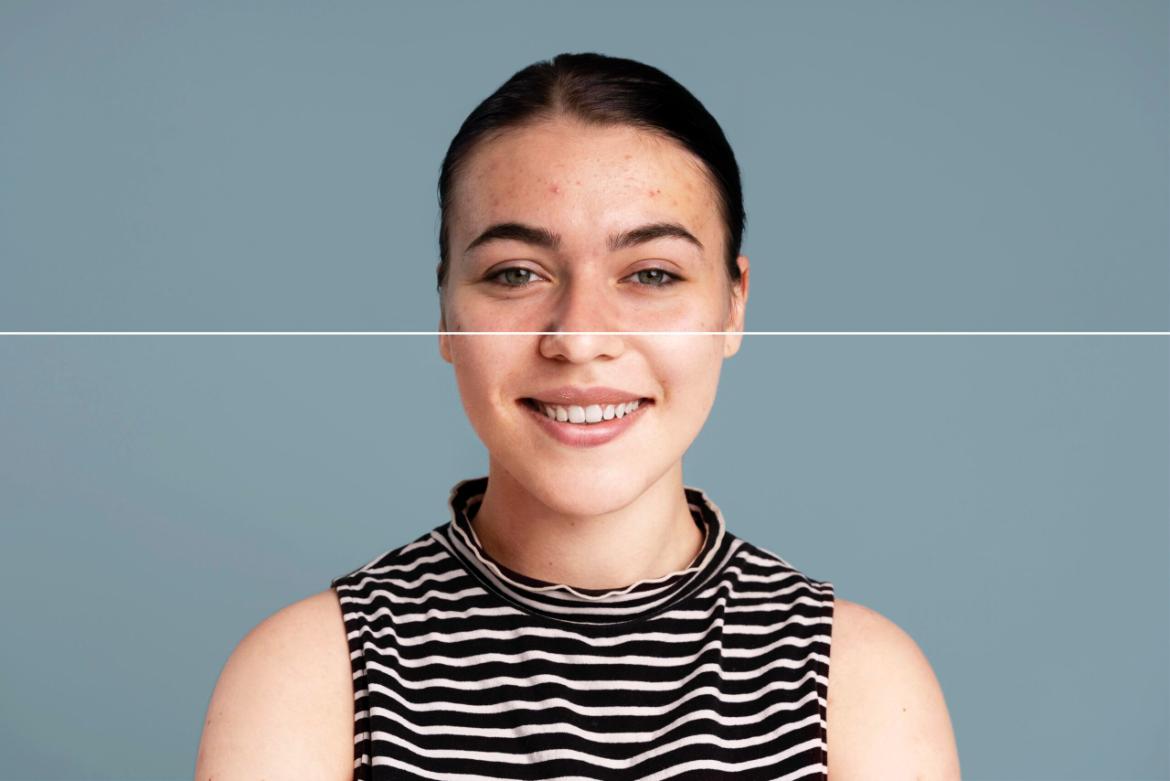
Get Rid of Your Skin Blemishes in Autumn and Winter
Skin blemishes are conditions where discoloration occurs in specific areas of the skin. While these blemishes can occur for a variety of reasons, they come in different types. Common types include sun damage, aging-related blemishes, and hormonal changes.
Autumn and winter can be considered suitable times for spot treatment because sunlight is less effective during these seasons, resulting in less sun exposure. These periods may be preferred for certain spot treatment methods to be more effective. Reduced sun exposure can help the skin respond better to treatment.
However, the appropriate time for spot treatment may vary depending on the individual's skin type, type of spot, and treatment method. Because everyone's skin is unique, determining the most appropriate season or time for spot treatment may require a personalized assessment and expert advice. Therefore, it's important to consult a dermatologist or skin specialist to determine the most appropriate time for spot treatment and select the appropriate treatment methods.
Skin blemishes and cosmetic problems: Treatment options and approaches
Skin blemishes are a significant cosmetic concern that often causes darkening or discoloration of the skin. They can be caused by internal and external factors, such as sun exposure, aging, pregnancy, hormonal changes, acne, and other skin conditions. These blemishes can both affect the aesthetic appearance and cause discomfort.
There are various methods used to treat spots. Lightening creams, peels, mesotherapy, and laser treatments can help reduce the appearance of spots. However, spot treatment can sometimes be challenging for both the patient and the doctor, and even with effective treatment, spots can recur.
In addition to making blemishes less noticeable, treatment can also help revitalize, smooth, and brighten the skin, giving it a softer, more radiant appearance. This can increase patient satisfaction after treatment. While complete blemish removal is not possible, the methods employed can significantly reduce their appearance, improving patient well-being. Consulting a dermatologist or skin specialist can be helpful for detailed information about treatment options and developing a personalized plan.
Skin blemish treatment and characteristics of different methods
A number of treatment methods are available to remove existing skin blemishes and prevent new ones from forming. Treatment for blemishes can vary depending on the chosen method, duration of treatment, and individual skin characteristics. These procedures are generally planned and implemented by specialist dermatologists or skin specialists.
Spot treatments performed by professionals generally don't carry a significant risk of side effects. However, temporary redness and peeling may sometimes occur after procedures like laser or peels. These effects are considered normal and are usually temporary.
Spot treatments are generally not painful. However, topical anesthetic creams may be applied before procedures such as mesotherapy or laser to increase patient comfort.
Because each individual's skin type and response are unique, it's important to seek expert advice to determine the most appropriate treatment method and the details of the treatment process. A specialist can develop a personalized plan to determine the most appropriate treatment options.
Skin blemishes treatment and preventive steps
Various methods can be used to treat skin spots, and these methods can be applied alone or in combination. However, in addition to all these treatments, regular use of sunscreen is crucial. Sunscreen products not only help treat existing spots but can also prevent new ones from forming. Therefore, it's important for those who have had their spots treated to protect their skin from the harmful effects of the sun for the rest of their lives, even if their spots have completely disappeared.
Some of the prominent methods for treating skin blemishes are:
- Lightening creams: Creams containing ingredients such as hydroquinone, arbutin, vitamins C and E, kojic acid, and niacinamide can be used to treat blemishes. Creams containing retinol, which helps with exfoliation, may also be preferred.
- Chemical peels: AHA solutions, particularly those containing glycolic acid, can be used on skin with mild blemishes. For more severe blemishes, stronger solutions containing phenol or TCA may be preferred.
- Enzyme peel (blemish mask): Enzyme-containing blemish masks can be applied to the skin for a specific period of time and then removed. This method can help alleviate blemish problems.
- Mesotherapy: This is a treatment method that involves injecting special solutions into the skin. These solutions may contain stain-removing ingredients.
- Laser treatments: Spot treatment can be achieved using different types of lasers that target melanin. These include Q-switched lasers, fractional lasers, thulium lasers, and IPL devices.
Treatment for skin blemishes can vary depending on skin type, the type of blemish, and its extent. Therefore, it's important to consult a dermatologist or skin specialist to develop a personalized treatment plan. Expert advice can help determine the most appropriate treatment method for each individual, and consistent application of these methods can increase the likelihood of successful treatment.
