


Benefits of Tahini
Tahini offers a nutritious combination, especially when consumed in winter, combined with molasses. However, it also offers numerous health benefits when consumed alone. Produced from sesame seeds, tahini typically has a bitter flavor and is frequently used in Persian, Turkish, and Middle Eastern cuisine. It has widespread benefits, including strengthening the immune system, lowering cholesterol levels, and reducing the risk of heart disease and stroke. A combination of tahini and molasses is also quite beneficial. However, as with everything, it's important to consume it in moderation. Avoiding overdoing it is crucial to avoid potential side effects.
What is tahini?
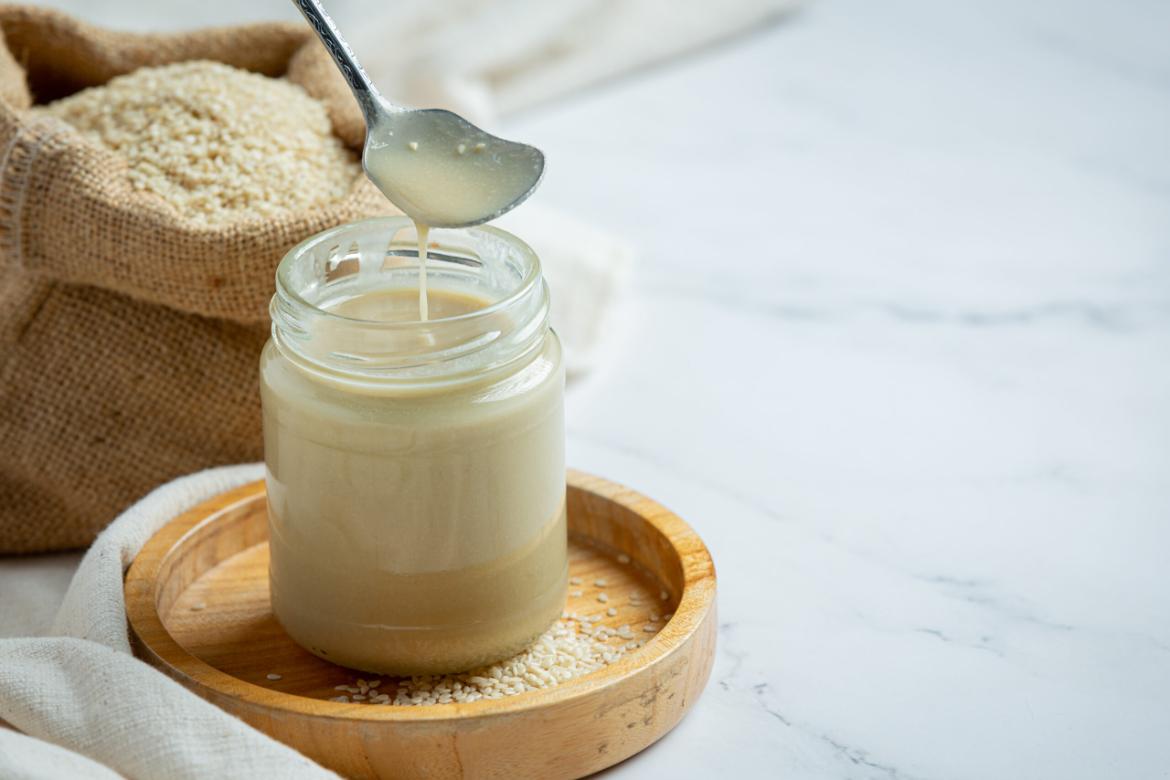
Tahini is a food ingredient obtained by grinding sesame seeds and has a centuries-old history. It is widely used in Turkish, Greek, North African, Iranian, and Middle Eastern cuisines. With a consistency similar to honey or hazelnut paste, tahini has a strong, slightly harsh flavor. It's rich in nutrients and versatile uses, and is frequently used as an alternative flavoring in cuisine.
What are the benefits of tahini?
- It strengthens immunity.
- It can lower cholesterol levels.
- It can reduce the risk of heart diseases and stroke.
- It may help lower blood pressure.
- It can support brain development.
- It supports the body with its high antioxidant content.
- It may help maintain bone health.
- It can prevent anemia by contributing to iron absorption.
- It may have anticancer properties.
- It can support liver and kidney functions.
- It can improve skin health.
Strengthens immunity
Tahini has anti-inflammatory, antioxidant, and antibacterial properties. It also contains high amounts of vitamins and minerals. Thanks to these properties, tahini protects the body against disease, strengthens the immune system, and can help prevent inflammation in the body.
It lowers cholesterol levels
Tahini, with its antioxidants called lignans, can contribute to lowering blood cholesterol levels when consumed regularly and in moderation.
Reduces the risk of heart disease and stroke
Thanks to its high antioxidant content, tahini may help lower cholesterol levels as well as reduce the risk of heart disease and stroke.
It helps lower blood pressure
Tahini is rich in polyunsaturated fatty acids, proteins, vitamin E, and lignans like sesamin, sesamolin, and sesamol. These compounds may help normalize high blood pressure.
Supports brain development
The antioxidants found in tahini may help support brain health. They have been shown to be particularly effective in reducing symptoms of diseases like dementia and Alzheimer's.
It is a high source of antioxidants
Tahini helps prevent free radical damage in the body thanks to its antioxidants called lignans. These antioxidants may play a role in the fight against various diseases, such as heart disease and cancer.
Protects bone structure
Tahini contains high amounts of magnesium, a mineral that plays a significant role in bone health. Magnesium can support bone strength and healthy development.
Absorbs iron, prevents anemia
The iron found in tahini may reduce the risk of anemia by improving low red blood cell count and reducing symptoms such as fatigue that are associated with iron deficiency.
It has anticancer properties
Antioxidants such as sesamin and sesamol found in tahini may be effective against certain cancer cells and may help fight cancer.
Protects liver and kidney functions
Tahini contains compounds that help support liver and kidney function. It may also help flush toxins from the body.
Tahini has many health benefits, but it is important to consume it with caution as excessive consumption can cause some possible side effects.
Improves skin health
Tahini, derived from sesame seeds, contains nutrients like amino acids, vitamin E, vitamin B, minerals, and fatty acids. This content may help regenerate skin cells, maintain skin health, and prevent premature aging.
What are the benefits of tahini molasses?
Tahini molasses, a blend of tahini and molasses, is a highly beneficial food for your health. Here are the health benefits of tahini molasses:
- It has immunity-boosting properties.
- It improves cold and flu symptoms and supports the immune system.
- It increases energy and is effective against fatigue.
- It has a cough-relieving effect and soothes the throat.
- It has antioxidant properties and can fight cancer cells.
- It can help against anemia problems.
- It supports mental development.
- It has a sexual power enhancing effect.
Tahini and molasses are a popular choice for their health benefits, particularly their energizing and immune-supporting properties. However, consuming these foods should be part of a balanced and varied diet. In fact, it's always beneficial to consult your doctor for any health or special circumstances.
What is the nutritional value of tahini?
The nutritional values of approximately 1 tablespoon (15 grams) of tahini are as follows:
- Calories: 90 calories
- Protein: 3 grams
- Carbohydrate: 8 grams
- Fat: 3 grams Fiber: 1 gram
Tahini is also rich in phosphorus and magnesium, which are important for supporting bone health. It's also a rich source of vitamins B1 and B6.
How to consume tahini?
Tahini is a versatile food ingredient and can be consumed in many different ways. Common uses include:
- For breakfast: Tahini is often spread on bread for breakfast. It can also be enjoyed with jam or honey. Tahini and cheese are also a delicious combination.
- Mixed with molasses: Mixed with molasses is a popular way to consume it, especially during the winter months. This mixture offers both a sweetening and nutritious alternative.
- In salads and appetizers: Tahini can be added to salad dressings or appetizers. It can be mixed with lemon juice, olive oil, garlic, or other spices to create wonderful flavors.
- As a sauce for meals : It can be used as a sauce for meat dishes, vegetable dishes, or rice dishes. It will enrich your meal and add a different flavor.
- In desserts and pastries: Tahini can be used in cookies, cakes, pastries, or pita bread. It can also be combined with nuts like walnuts and hazelnuts to create a delicious filling.
Harms of tahini
Tahini is generally considered a nutritious and healthy food. However, in some cases, it can cause allergic reactions in some people. Some of its potential side effects include:
- Allergic reactions: Tahini is made from sesame seeds and can cause allergic reactions such as mouth itching, skin rash, itching, nasal congestion, nausea, vomiting, and diarrhea in people with a sesame allergy. In some cases, more serious anaphylactic reactions can also occur.
- Omega-3 fatty acids: Tahini may be rich in omega-3 fatty acids. Excessive consumption of omega-3s can, in some cases, cause inflammation in the body. This can lead to health problems, especially when consumed in excess.
- Excessive consumption: Tahini's high calorie and fat content can have adverse effects on the body when consumed in excess. Moderate consumption is recommended as part of a balanced diet.
- Contamination risk: For those with a sesame allergy, there may be a risk of tahini being contaminated with other products during production. This could lead to allergic reactions through contact with sesame seeds or sharing the same production lines.
It's important for people with a sesame allergy to consult a healthcare professional if any of the above symptoms occur, or if they experience an abnormal reaction after consuming tahini. This is important to assess potential risks and receive appropriate treatment.
Which disease is tahini good for?
Tahini, with its nutritional content and positive health effects, can be beneficial for many illnesses and health problems. Here are some situations where tahini may be beneficial:
- Heart health: May support heart health thanks to the healthy fats and antioxidants it contains. It may help lower cholesterol levels and reduce the risk of heart disease.
- Bone health: Tahini is rich in minerals like calcium, phosphorus, and magnesium, which can help keep bones healthy and strong.
- Immune system: The antioxidants and nutritional components it contains can help strengthen the immune system and protect the body against diseases.
- Anemia: Tahini, with its iron content, may reduce the risk of anemia. It can be a useful source of iron for those with iron deficiency anemia.
- Brain health : Its antioxidants may support brain function. Omega-3 fatty acids may have positive effects on brain health.
- Skin health: The vitamins and oils contained in tahini can support skin health and help regenerate skin cells.
Tahini can provide these benefits when consumed as part of a generally balanced diet. However, it should not be considered a stand-alone treatment for a specific condition. It's important to consult a healthcare professional if you have symptoms or are receiving treatment for any health condition.
How much tahini should be consumed daily?
While tahini is a nutritious food, daily intake can vary depending on a person's age, gender, overall health, and lifestyle. Generally, one or two tablespoons of tahini daily can be beneficial when consumed in moderation.
The recommended amount of tahini should be adjusted based on its fat and calorie content. If a person is trying to manage their weight or needs to maintain a high calorie intake, it's important not to consume excessive amounts of tahini.
As with any food, consuming tahini in moderate amounts as part of a balanced diet can generally be healthier. Nutritionists and doctors can provide personalized recommendations based on any health conditions or individual needs. Therefore, it may be beneficial to consult a healthcare professional for a personalized recommendation.
Does eating tahini on an empty stomach harm the stomach?
Tahini is generally easy to digest and doesn't upset the stomach. Consuming it on an empty stomach can vary depending on an individual's individual stomach sensitivity. While some foods may cause nausea or discomfort on an empty stomach, others may not experience any problems.
Because tahini typically provides a high amount of fat and protein to the digestive system, consuming it in large quantities on an empty stomach can cause stomach upset in some people. However, everyone's stomach response may vary. In general, consuming tahini in small amounts and in moderation can reduce the risk of stomach upset.
If an individual has stomach discomfort or digestive issues, or has a sensitivity to a particular food, consuming any food on an empty stomach may require caution. Therefore, it may be important to consult a healthcare professional before consuming tahini on an empty stomach, taking into account the individual's individual circumstances and tolerance.
Benefits of tahini for the stomach
Tahini is a nutritious food derived from sesame seeds and has many beneficial properties. However, tahini's specific benefits for the stomach are not readily apparent. Overall, tahini can be beneficial for the body because it's a high-nutrient source of protein and healthy fats.
Tahini may support stomach digestion thanks to its fat and protein content. Proteins and fats can contribute to the digestion and absorption of food entering the stomach.
Tahini may also ease stomach discomfort for some people. Tahini may provide relief from some digestive issues, especially mild heartburn or gas.
However, each individual's stomach sensitivity can vary. While tahini may be soothing for some, it can cause stomach upset for others. If you have stomach issues or a food sensitivity, it may be beneficial to consult a healthcare professional before consuming tahini.
Does tahini have antibacterial effects?
Tahini may have antibacterial properties thanks to its antioxidants and certain compounds. Sesame seeds are one of the primary ingredients in tahini, and these seeds may have antibacterial properties due to the lignans, antioxidants, and fatty acids they contain. Therefore, tahini may possess antibacterial properties.
Regular tahini consumption, particularly due to the antibacterial properties of its sesame seeds, may contribute to the healing process of some skin wounds and wounds caused by diabetes. However, research on this topic has not yet definitively proven these effects. In addition to its antibacterial properties, tahini also has general health benefits and healing properties.
