


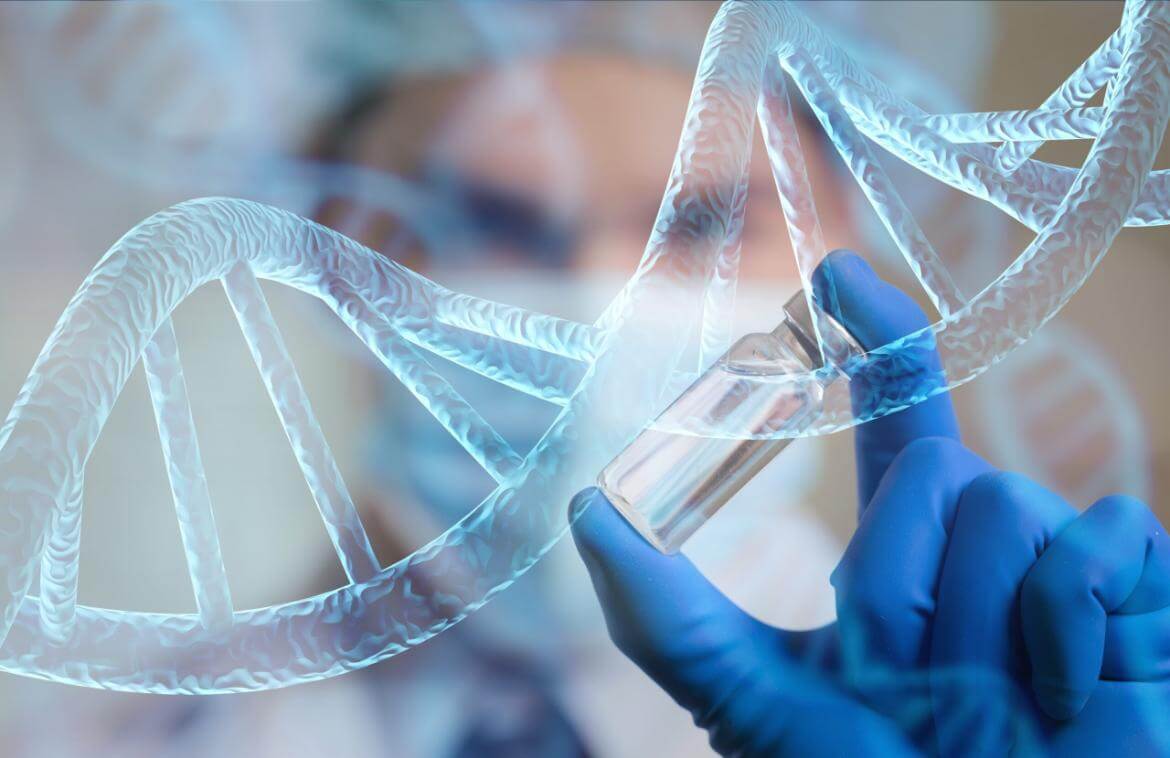
Genetic Diseases
Genetic codes contain information passed down from parents to their children, passed down from generation to generation through DNA strands. DNA structure contains all the information that determines an individual's lifespan, development, growth, health, and even intelligence, emotions, and thoughts. This genetic information is present in an individual's DNA structure from the moment of birth.
Genetic diseases occur as a result of genetic disorders passed down from parent to child. If a parent has a genetic disorder, disease, or variation in their genetic makeup or chromosomes, this can cause changes in the baby, called "mutations." While healthy babies are not affected by their parents' genetic diseases, children of parents with genetic diseases may develop these diseases.
Some genetic diseases are present at birth, but others can develop later in life. According to research, one in 30 people is born with a genetic disorder. Treatment for genetic diseases may be possible with current medical facilities, or patients may be kept under special supervision.
To prevent the transmission of genetic diseases to the next generation, it is crucial to identify these diseases early and take preventive measures. Once genetic diseases are identified, fertility through methods such as in vitro fertilization (IVF) may be recommended under the supervision of a doctor.
Genetic diseases are illnesses that arise from mutations in a baby's DNA due to differences in chromosomes or genes. There are various types of these diseases, some present at birth, while others can appear later in life. For example, individuals with a family history of cancer may experience risky diseases like cancer later in life.
Causes of genetic diseases
Genetic diseases are generally caused by abnormalities in the structure of genetic material, namely DNA or chromosomes. These abnormalities are called mutations, which prevent or disrupt the normal functioning of genes. The main causes of genetic diseases are:
- Genetic mutations: Genetic diseases usually arise from mutations in genes. Mutations can disrupt the normal functioning of genes or affect the normal functions of proteins that are genes' products.
- Chromosomal abnormalities: Some genetic diseases are caused by abnormalities in chromosome number or structure. For example, Down syndrome occurs when three chromosomes are present in the 21st chromosome pair, where there would normally be two.
- Genetic transmission: Genetic diseases are often passed from parents to children. If a parent has a certain genetic disease, that disease can potentially be passed on to a child.
- Genetic changes: External factors, such as environmental factors or radiation, can affect genetic material and cause genetic diseases. This can lead to genetic mutations and predispose to diseases.
- Family history: The presence of genetic diseases in the family can increase an individual's risk of developing these diseases. Individuals with a family history of genetic diseases may be more susceptible to these diseases.
- Random mutations: Some genetic mutations can occur randomly and be passed on to the individual or to future generations. This can lead to genetic diseases.
Genetic diseases have complex etiologies and may result from the interaction of many factors. Therefore, the specific causes of genetic diseases often vary depending on the disease.
Symptoms of genetic diseases
The symptoms of genetic diseases vary widely depending on the type of disease and the organs affected. Each genetic disease has its own unique symptoms, and these symptoms generally depend on the system, organ, or gene affected by the disease. Some common symptoms of genetic diseases include:
- Muscle weakness and fatigue: Some genetic diseases can affect the muscles, causing symptoms such as weakness, easy fatigue, and muscle aches. For example, Duchenne Muscular Dystrophy is one such genetic disease.
- Mental retardation: Some genetic diseases are associated with mental retardation in childhood. Symptoms of these diseases may include cognitive decline, developmental delays, or learning difficulties.
- Liver problems: Genetic diseases can affect the liver, causing symptoms such as liver failure, high bilirubin, or abnormal increases in other enzymes.
- Heart problems: Some genetic diseases can affect heart health and cause heart problems. Examples include heart rhythm disturbances and abnormal heart valves.
- Skin abnormalities: Genetic diseases can cause skin abnormalities. For example, cystic fibrosis can cause a salty taste, especially in sweat, due to salt accumulation in the skin.
- Cancer: Certain genetic mutations can lead to the development of cancer in an individual. A genetic predisposition to common cancers in a family history can cause cancer symptoms, depending on certain gene mutations.
- Vision or hearing loss: Some genetic diseases can affect the eyes or ears, causing vision or hearing loss. For example, retinitis pigmentosa or genetic hearing loss.
- Neurological problems: Some genetic diseases can lead to neurological problems, causing symptoms such as epilepsy, migraine, and Parkinson's.
The symptoms of genetic diseases vary greatly from person to person, and the symptoms of the same disease can vary from person to person. Diagnosis is usually made through genetic testing and evaluation by a specialist physician.
Types and examples of genetic diseases
Genetic diseases arise from abnormalities in DNA. These diseases are generally classified into two main categories:
Chromosomal disorders: Chromosomal disorders are based on abnormalities in an individual's chromosome number or structure. Each person normally has 46 chromosomes (23 pairs). Examples of chromosomal disorders include:
- Down syndrome (Trisomy 21): It is the condition in which an individual has two copies of the 21st chromosome pair instead of three.
- Turner syndrome: It is a disease that occurs when there is a deficiency in one of the sex chromosomes (45,X).
- Klinefelter syndrome: A condition in which males have an extra X chromosome (47,XXY).
- Cri du chat syndrome: a condition in which part of a chromosome is missing.
Chromosomal disorders are usually present at birth and are diagnosed through genetic testing.
Single-gene disorders (Mendelian disorders): Single-gene disorders result from a mutation in a specific gene in an individual's DNA. This usually affects the normal function of that gene, leading to a specific disease. Examples include:
- Cystic fibrosis: It is a genetic disease caused by mutations in the CFTR gene.
- Mucopolysaccharidosis: A group of genetic diseases resulting from mutations in different enzyme genes.
- Thalassemia: A condition in which blood is not produced normally due to mutations in the hemoglobin gene.
Monogenic disorders often run in families and are diagnosed based on a family's genetic history. Genetic testing can be used to determine if you are a carrier or at risk for a potential genetic condition.
Both types of genetic diseases can be diagnosed and treated with genetic counseling and advanced technological methods.
How are genetic diseases diagnosed?
Diagnosis of genetic diseases is usually made by specialist medical geneticists, and the process may include the following steps:
- Patient evaluation: The patient is evaluated for history, family history, and symptoms from birth. A family tree is constructed, and the history of genetic diseases in previous generations is examined.
- Physical examination: A physical examination is performed on the patient to look for symptoms specific to genetic diseases.
- Genetic testing: Genetic testing may be requested when necessary. These tests may include chromosome analysis, single-gene analysis, panel testing, or whole-exome analysis. Karyotype analysis may be used for chromosomal disorders, while PCR or DNA sequencing may be used for single-gene disorders.
- Molecular and genetic analyses: Molecular and genetic analyses are performed to detect specific changes in genetic material. These analyses may examine mutations in specific regions of DNA or structural changes in chromosomes.
- Family study: Family members may undergo genetic testing and the family's genetic predisposition can be assessed.
- Diagnosis and Counseling: Genetic diseases are diagnosed based on test results, family history, and clinical symptoms. Genetic counseling is provided after diagnosis. The family is informed about the disease course, treatment options, and genetic risks.
Diagnosing genetic diseases can be complex and often requires a multidisciplinary approach. Medical geneticists, genetic counselors, and genetic laboratories collaborate to ensure accurate diagnosis and treatment planning.
Treatment of genetic diseases
Treatment for genetic diseases often varies depending on the type of disease, its severity, and symptoms. However, there is no specific or complete cure for most genetic diseases. Some general information about treatment methods for genetic diseases:
- Symptomatic treatment: For many genetic diseases, treatment is symptomatic. This means the goal is to alleviate or control the symptoms that occur. For example, treatments such as painkillers, anti-inflammatory medications, or special diets may be used to manage symptoms.
- Gene therapy: With developing technology, gene therapy is being used to treat some genetic diseases. This method involves manipulating genetic material to add healthy genes or correct abnormal genes. However, gene therapy is still in the experimental phase and can be applied to a limited number of genetic diseases.
- Enzyme therapy: In genetic diseases characterized by enzyme deficiencies, enzyme therapy can be used to supplement the body's enzyme needs. This method allows the patient's body to produce the missing enzyme more effectively.
- Physical therapy and rehabilitation: Physical therapy and rehabilitation may be recommended to manage physical limitations caused by some genetic conditions. This can be done to increase muscle strength, improve mobility, and enhance quality of life.
- Medication: Medications can be used to address the symptoms of certain genetic diseases. For example, certain medications can be used to treat genetic lipid metabolism disorders such as hypercholesterolemia.
- Surgery: In some cases, surgery may be necessary. For example, surgery may be an option for treatment of congenital heart conditions.
Treatment of genetic diseases is generally managed by a multidisciplinary team and relies on strategies tailored to the specific disease type. With advancing scientific and medical research, treatment options for genetic diseases are expanding and improving.
Who is a carrier of genetic disease?
Genetic disease carriers occur primarily among individuals with recessive genes. Recessive genes cause disease symptoms when two identical abnormal genes are present in an individual. Carriers typically have no or very mild symptoms because they carry one normal gene (the healthy gene) and one mutated gene (the abnormal gene).
Heterozygous carrier status refers to a condition in which one side of an individual's genetic material is mutated and the other side is intact. In this case, the individual is not affected enough to pass on a gene that carries a genetic disease because the other gene is normal and dominant over the disease. However, if a carrier has a child with the same recessive gene, their child may develop the disease because both parents carry the mutated gene.
This is important for carriers of autosomal recessive genetic diseases. When a mutation is found on both sides of a couple's family carrying the same genetic disease, the risk of their child developing the disease increases. Genetic counseling is an important tool for determining carrier status, assessing risks, and providing information to parents.
What is the risk of disease in children of a couple with a genetic disease?
A couple with a genetic disease has a 25% chance of carrying the disease in each pregnancy if the disease is inherited in an autosomal recessive manner. If both parents are carriers of the same disease, there is a 50% chance that the children will be carriers.
If it's an autosomal dominant disease, an affected parent has a 50% chance of passing the disease on to their child with each pregnancy. This means each child has an equal 50% chance of inheriting the disease.
What is the relationship between consanguineous marriages and genetic diseases?
The primary cause of genetic diseases is diseased genes found in DNA strands, and consanguineous marriages are not the primary cause of genetic diseases. However, because genetic similarities are greater among individuals from the same family background in consanguineous marriages, the likelihood of developing autosomal recessive diseases (carrying recessive genes) may be higher than in the general population. In this case, the likelihood of genes carrying these diseases being combined within the same couple increases, potentially increasing the risk of developing a diseased genotype.
The origin of genetic diseases: Is it inherited from mother or father?
While most genetic diseases are passed on from affected parents to their children, mutations that occur in the embryo during fertilization and pregnancy can lead to children developing genetic diseases, even if both parents are genetically healthy. Some diseases, particularly cancer, can develop later in life as a result of tissue-specific mutations. Therefore, the source of genetic diseases is not only the mother or father; mutations during embryonic development are also an important factor.
