


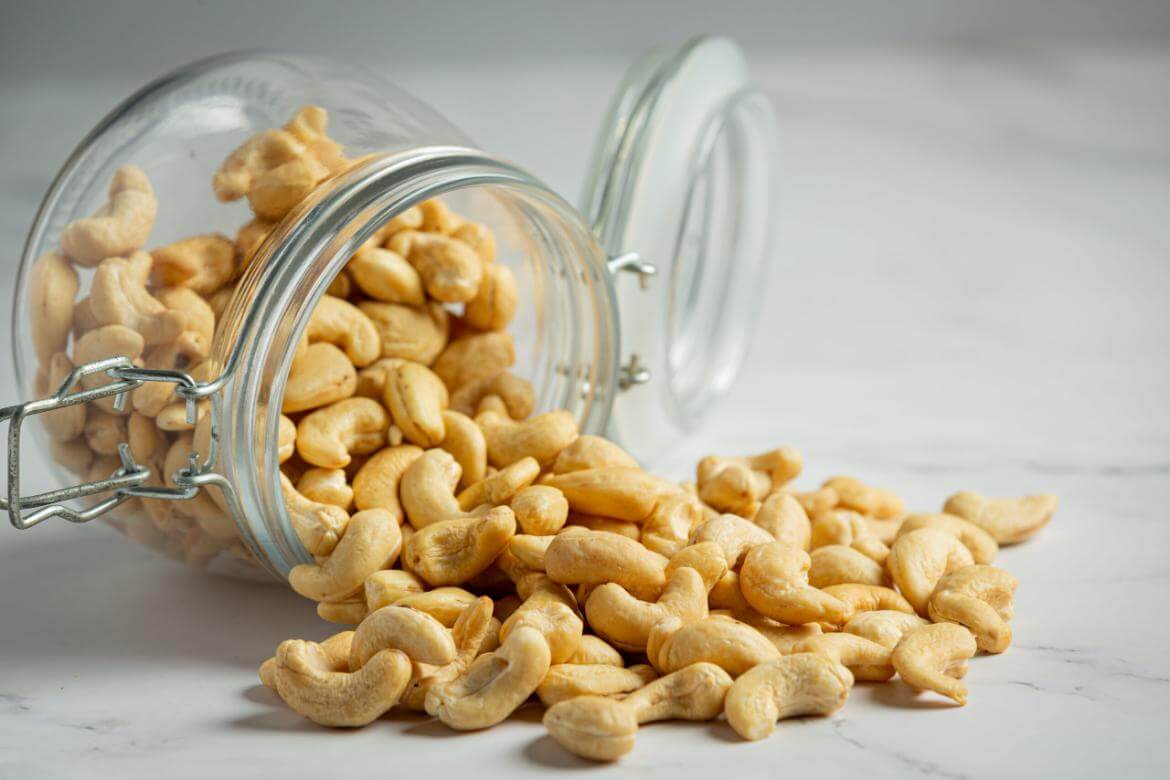
Benefits of Cashews
Cashews are a healthy snack derived from a tree in the Apiaceae family, native to tropical Brazil. These kidney-shaped seeds are commonly consumed as nuts and also add flavor to various dishes. High in nutritional value, cashews offer numerous benefits, including aiding weight loss, regulating blood sugar, supporting heart health, and combating depression.
Roasting cashews can reduce skin reactions compared to consuming them raw. Thanks to their rich nutritional content, fiber, protein, and healthy fats, cashews provide many vitamins and minerals the body needs. Also rich in antioxidants, cashews can be used as a natural treatment for many illnesses.
Rich in protein, healthy fats, and antioxidants, cashews help manage weight by balancing blood sugar. They also support heart health and alleviate the effects of depression. Cashews can be enjoyed not only as a snack but also in oil or milk form.
These healthful properties of cashews contribute to their widespread consumption worldwide. As a healthy food alternative, cashews can be both delicious and nutritious.
What is the nutritional value of cashews?
Cashews are rich in healthy fats, including both monounsaturated and polyunsaturated fats. The protein they contain also makes them an important source of protein, making them a popular choice for vegans and vegetarians.
The nutritional elements found in cashews are:
- Magnesium
- Manganese
- Phosphorus
- Zinc
- Vitamin B6
- Vitamin K
- Selenium
- Vitamin D
The nutritional values of one serving of cashews are as follows:
- Calories: 157
- Protein: 5 grams
- Fat: 11 grams
- Carbohydrates: 10 grams
- Fiber: less than 1 gram
- Sugar: Approximately 2 grams
However, cashews are high in calories, so consumption should be moderate. Excessive consumption can lead to weight gain, and high doses can trigger allergic skin reactions. When consumed in moderation, cashews can be a healthy snack packed with healthy fats and nutrients.
Health benefits of cashews
Cashews have many positive health effects. Cashew benefits:
- Regulates blood sugar and reduces the risk of diabetes: Cashews contain hydroethanolic extract, which has blood sugar-regulating properties. Furthermore, their high fiber content may reduce the risk of diabetes, especially type 2.
- Supports heart health: The healthy fats and high magnesium levels in cashews support heart health. They may reduce the risk of heart disease by lowering bad cholesterol.
- Contributes to brain health: Thanks to the various components it contains, cashews regulate neurotransmitter pathways and support cognitive abilities. Healthy fats, minerals, and vitamins positively affect brain function.
- Helps with weight loss: The fats in cashews create a feeling of fullness and may help reduce post-meal snacking. They also support metabolism by increasing the absorption of fat-soluble vitamins.
- Relieves the effects of depression: Thanks to its zinc content, cashews can help reduce stress and alleviate the effects of depression by increasing serotonin levels.
- Anticancer properties: The high antioxidant content of cashews protects the body from DNA damage caused by oxidative stress and can potentially prevent cancer formation.
- Strengthens bone health: With its calcium, magnesium, potassium and vitamin K content, cashews strengthen bone health and can reduce the risk of osteoporosis.
- Reduces inflammation and provides protection against diseases: Thanks to its high antioxidant content, cashews reduce inflammation in the body and provide protection against diseases.
- It can reduce the risk of gallstones: Cashews can reduce the risk of gallstones with the unsaturated fatty acids, fiber and minerals they contain.
- May reduce the risk of stroke: The magnesium content in cashews can support neuromuscular functions, reducing the risk of stroke.
- Protects skin health: The antioxidants contained in cashews can protect skin health and prevent damage caused by free radicals.
- Creates a strong immune system : The nutritional content of cashews protects the body against diseases by strengthening the immune system.
- Helps reduce migraine headaches: The magnesium it contains can help relieve migraine headaches.
To maximize the benefits of cashews, it's recommended to consume them as part of a balanced and varied diet. However, if you have any health conditions or if you consume them in excess, they should be avoided.
Are there any harmful effects of cashews?
Yes, consuming cashews can be harmful in some cases. Potential harms of cashews:
- High calorie content: Due to their high calorie content, cashews can contribute to weight gain when consumed excessively. Therefore, it's important to moderate their intake, especially for those trying to manage their weight.
- Allergic reactions: Cashews, being a member of the amaranth family, can cause allergic reactions in people with peanut allergies. In this case, it is recommended to perform an allergy test before consuming cashews.
- Kidney stone problems: Individuals with kidney stones should exercise caution. Cashews naturally contain oxalates, which are soluble in the stomach and intestines. These oxalates can cause problems for those with kidney stones. Therefore, individuals with existing kidney stone problems may be advised to limit or avoid cashews.
While cashews offer numerous health benefits, it's important for individuals to consider their overall health before consuming them. It's also recommended that individuals with allergies, kidney stones, or other health conditions avoid consuming large amounts of cashews without consulting their doctor. Consuming cashews in moderation within a balanced and varied diet can reduce potential risks.
Benefits of cashews for pregnant women
The benefits of raw cashews during pregnancy can offer potential advantages in a variety of areas. Here are some specific benefits cashews can offer pregnant women:
- Rich in minerals and vitamins: Cashews, with their rich mineral and vitamin content, can support the healthy development of both mother and baby. This is especially important for meeting the increased nutritional needs during pregnancy.
- Zinc supplement: Zinc, a mineral found in cashews, can contribute to fetal cell development. Zinc intake during pregnancy is an important factor for the baby.
- Fiber content and digestive health: Cashews are rich in fiber, which can help alleviate digestive issues like constipation. Fiber is important for regular bowel movements.
- The role of magnesium: Magnesium may be effective in reducing muscle cramps and migraine attacks, which are common during pregnancy. This mineral is important for muscle function and nerve conduction.
- Iron booster: Cashews are rich in iron and can support the production of red blood cells, which can help reduce fatigue and weakness that are common during pregnancy.
A balanced and nutritious diet during pregnancy is important to support the healthy development of both mother and baby. However, everyone's body is different, so it's important to consult a healthcare professional before introducing any new foods during pregnancy. Furthermore, cashews should be consumed in moderation and as part of a varied diet.
How much cashew nuts should be consumed daily?
Considering the benefits of raw cashews, daily consumption is important. Consuming appropriate amounts of raw cashews within a healthy diet is crucial for meeting daily nutritional needs and balancing calorie intake. Generally, a handful of cashews per day, approximately 25 grams, is recommended as an ideal amount for an adult's health.
However, daily nutrient needs may vary depending on an individual's age, gender, overall health, and physical activity level. Additionally, individuals concerned about weight management, and especially those with existing health conditions, are advised to consult their doctor to learn how to incorporate cashews into their diet.
In a moderate and varied diet, raw cashews can be considered a snack rich in vitamins, minerals, and healthy fats. However, as with any nutrient, excessive consumption should be avoided. Nutritionists can help determine daily cashew intake based on an individual's overall nutritional habits and needs.
