


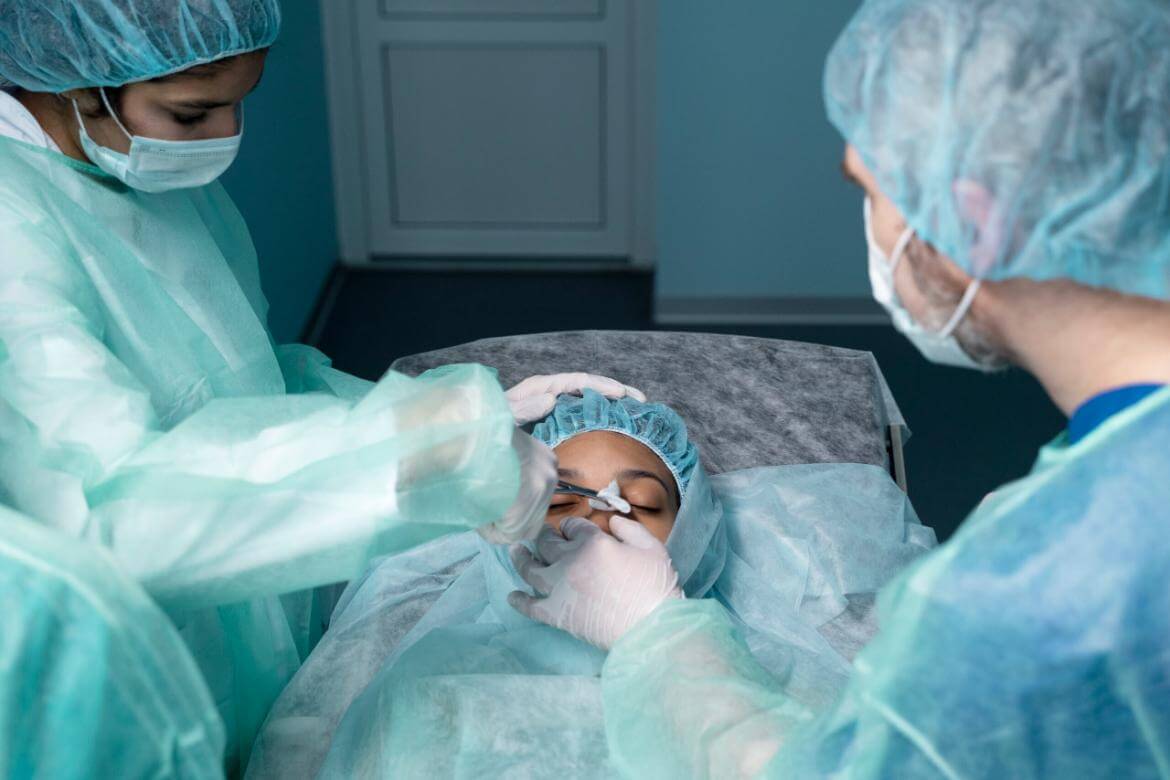
Functional Endoscopic Sinus Surgery (FESS)
What is Endoscopic Sinus Surgery?
Functional Endoscopy Sinus Surgery (FESS) is a surgical procedure used to treat nasal and sinus problems. This procedure aims to treat sinus diseases by opening the sinuses and re-establishing their natural drainage pathways through an endoscopic surgical procedure.
Sinus Surgery (FESS) is considered an effective treatment for nasal and sinus congestion caused by various causes, including allergic reactions, infections, polyps, narrowed sinuses, and deviated nasal septums.
In what cases is sinusitis surgery performed?
- Chronic Sinusitis: FESS is used to treat recurring infections caused by inflammation in the sinuses, such as chronic sinusitis. In this condition, the drainage channels in the sinuses become blocked, causing the disease to recur.
- Polyps: Polyps that form in the nose and sinuses can cause breathing problems. FESS can be used to remove the polyps and open the nasal passages.
- Nasal Deviation: A deviated nasal septum can cause nasal congestion and breathing problems. FESS can be used to straighten the nasal septum and open the nasal passage.
- Sinus Tumors: Although rare, tumors can occur in the sinuses. FESS can be used to remove sinus tumors.
- Other Sinus Problems: Various other problems in the sinuses, such as narrowing or widening of the sinuses, can be treated with FESS.
FESS is the preferred method when other treatments have failed or when symptoms persist. However, every patient is different, and it is recommended to consult with your doctor to determine the appropriate treatment for each case.
How is Sinusitis (FESS) Surgery Performed?
This procedure is usually performed under local anesthesia and usually includes the following steps:
- Anesthesia: The procedure is usually performed under local anesthesia, but sedation is sometimes used. The patient remains awake during the procedure but does not feel any pain. In sinus surgery performed under general anesthesia, the patient is completely asleep.
- Endoscopy : Using a small endoscope inserted into the nose, the surgeon visualizes structures and problems within the sinuses. The endoscope allows the surgeon to visualize polyps, blockages, or other problems within the sinuses. No external incisions are made into the nose.
- Sinus Opening: Using an endoscope, the surgeon uses a small set of instruments to remove or trim tissue and bone inside the sinuses. This procedure opens the sinuses' natural drainage, allowing the inflammatory material and mucus inside to drain out.
- Completion: Once the FESS procedure is complete, the surgeon removes all instruments and equipment from the nose, leaving the nasal passages open. The patient is usually sent home the same day and can return to normal activities within a few days.
FESS is considered an effective treatment for many sinus problems. It's generally considered a low-risk procedure, but like any surgical procedure, it can carry some risks. Risks include bleeding, infection, and anesthesia. Therefore, it's important to discuss these risks and potential complications with your doctor before undergoing FESS.
Sinusitis Surgery takes between 45 minutes and 1.5 hours. The patient does not need to stay in the hospital after the surgery, but if there is a tampon in the nose, he/she can stay in the hospital for 1 day. The tampons are removed and the patient is discharged.
After Sinusitis Surgery
Post-operative recovery can vary depending on the patient's condition, the type of surgery, and how it was performed. However, endoscopic sinus surgery generally involves the following stages:
- Initial Post-Operative Hours: In the first hours after surgery, the patient is awakened and generally kept under observation for several hours. Any nasal bleeding and swelling are controlled. The patient can then be discharged home.
- Initial Days: In the first few days, the nasal passages may become swollen and mucus discharge may increase. A nasal plug may form for a few days. This plug allows the mucus and blood inside the nose to drain naturally.
- Healing: In the first weeks after surgery, the nasal passages may be swollen, and minor bleeding may occur. This swelling and bruising will last for 1-2 weeks. Therefore, it is important for the patient to clean and moisturize the nasal passages. Doctors often recommend nasal sprays or irrigation solutions.
- Returning to Work: After FESS surgery, patients typically stay home for a few days to rest. However, because everyone's recovery is different, when you can return to work depends on your doctor.
- Complications: The FESS procedure is generally low-risk, but like any surgery, it can carry some risks. Possible risks include infection, bleeding, anesthesia-related complications, and other nasal complications. Therefore, it's important to contact your doctor immediately if your symptoms change after surgery or if you notice any signs of complications.
Recovery from functional endoscopic sinus surgery varies from patient to patient. However, pain and discomfort are generally minimal, and patients can usually return to their normal activities within a few days.
Are There Risks to Sinusitis Surgery?
Functional endoscopic sinus surgery (FESS) is generally considered a low-risk procedure. However, as with any surgical procedure, FESS carries potential risks. The most common risks may include:
- Bleeding: Bleeding from the nasal passages may occur during or after surgery. This bleeding is usually mild and stops on its own, but in rare cases, serious bleeding can occur.
- Infection: There is a risk of infection after FESS. This can be treated with antibiotics, but more serious infections may require surgery.
- Nerve Damage: During the FESS procedure, there is a risk of damage to the nerves near the nose. This is rare, but if it occurs, it can cause loss of sensory or motor function.
- Eye Problems: Eye problems can arise during FESS. In rare cases, serious eye problems can occur.
- Anesthesia-Related Risks: FESS surgery is usually performed under general anesthesia. Therefore, there are anesthesia-related risks, but modern anesthesia techniques are designed to minimize these risks.
- Nasal Problems: After FESS, you may experience nasal congestion, runny nose, nosebleeds, or nasal dryness. However, these problems are usually temporary and resolve over time.
Frequently Asked Questions
What happens if sinusitis surgery is not performed?
Without sinusitis surgery, sinusitis symptoms can persist and worsen. Sinusitis symptoms can be serious and, if left untreated, can significantly impact quality of life. Surgery for sinusitis treatment can be an effective option to control symptoms and improve quality of life. Sinusitis symptoms can be serious and, if left untreated, can significantly impact quality of life. Surgery for sinusitis treatment can be an effective option to control symptoms and improve quality of life.
Does sinusitis recur after surgery?
After sinus surgery, symptoms usually decrease or disappear completely because airflow to the sinuses is increased and the inflamed tissues are cleared. However, sinusitis can recur after sinus surgery. Recurrences are often caused by:
- Not all inflamed tissue was removed during surgery
- A false sinus was punctured during the procedure
- Infections or allergies that caused sinusitis have resurfaced
- Post-operative nose and sinuses were not cleaned properly.
- Inflammation in the sinuses has recurred due to smoking or other reasons.
While recurrence of sinusitis after sinus surgery is rare, it can occur in some patients. However, regular postoperative checkups can help diagnose and treat infections early. Additionally, healthy lifestyle choices, such as proper postoperative nasal and sinus cleansing and avoiding allergic triggers, can also reduce the risk of recurring sinusitis.
What should be done to drain the sinuses?
- Nasal irrigation: Using a saline solution or saltwater nasal irrigation can help clear the sinuses. You can use nasal sprays, nasal irrigation bottles, or specialized devices such as a neti pot. This helps clear congestion by flushing mucus and allergens from the sinuses.
- Steam inhalation: Lean over a bowl of hot water and inhale the steam can help open the sinuses. The steam loosens mucus in the sinuses and can relieve congestion. Essential oils such as eucalyptus oil can also be used in steam inhalation.
- Using a humidifier: Humidifiers or vaporizers can help moisten the sinuses and thin mucus, making it easier for the sinuses to drain and reducing congestion.
- Warm compresses: You can use a warm compress to relieve sinus congestion. You can apply gentle pressure to the sinus area using a warm cloth or a warm water bottle. This helps open the sinuses and reduce congestion.
- Drink plenty of fluids: Staying well hydrated can help clear your sinuses. Drinking plenty of water and other fluids can thin the mucus in your sinuses, making it easier to drain.
However, if your sinus congestion and symptoms are chronic or severe, it is important to see a healthcare provider.
Does Nasal Congestion Continue After Sinusitis Surgery?
Nasal congestion generally decreases after endoscopic sinus surgery. However, some patients may experience mild congestion for the first few days or weeks after surgery. This is a time when the sinuses are healing and swelling is decreasing. If nasal congestion persists, it's best to contact your doctor.
When Does Nasal Congestion Go Away After Sinusitis Surgery?
It usually takes 1-2 weeks for nasal congestion to completely resolve after endoscopic sinus surgery. However, recovery time can vary from person to person. It may take several weeks for the sinuses to fully open and airflow to improve. During this time, there may be temporary swelling of the nasal mucosa, which can cause nasal congestion, but this will subside over time.
Will Nose Bleeding Occur After Sinusitis Surgery?
After endoscopic sinus surgery, mild nosebleeds may occur. This is normal, especially in the first few days of surgery. Bleeding usually occurs during healing and tissue regeneration within the nose. However, if bleeding becomes heavy or persists for a long time, it's important to contact your doctor. Using a nasal spray or saline solution can help control bleeding.
Which Doctors Perform Sinusitis Surgery?
Sinusitis surgeries are performed by ENT (ear, nose, and throat) specialists. ENT doctors specialize in diseases of the nose and sinuses and are trained in sinus surgery.
When Does an ENT Doctor Recommend Sinusitis Surgery?
- If chronic sinusitis does not respond to medication
- If there is congestion or polyps in the sinuses
- If you experience severe headache, facial pain and breathing difficulties
- If you have recurring sinus infections
Which ENT Doctor Should I Choose?
- An ENT doctor who is experienced and specialized in sinus surgery should be preferred.
- You can inquire about whether he/she has experience with endoscopic sinus surgery.
- You can get an idea about the doctor by reading the comments of patients who have had surgery before.
Is There Anesthesia During Sinusitis Surgery?
In sinusitis surgery , general anesthesia (full sedation) or local anesthesia (only the nose and surrounding area are numbed) may be applied , depending on the patient's condition, the surgeon's preference, and the method used .
- General Anesthesia (Full Anesthesia): Most sinus surgery is performed under general anesthesia. The patient is completely asleep and feels nothing. Common procedures, such as endoscopic sinus surgery (FESS), are usually performed under general anesthesia. The surgery takes approximately 1-2 hours , and the patient can be discharged a few hours after waking up.
- Local Anesthesia (Local Numbing): For some minor procedures (e.g., removing nasal polyps or opening narrow sinus passages), local anesthesia may be preferred. The patient will be awake, but because the nasal area is completely numbed, they won't feel any pain. It's especially suitable for patients who can't tolerate general anesthesia.
Which Anesthesia Method Should Be Chosen?
- General anesthesia is preferred for extensive sinus surgeries (chronic sinusitis, nasal polyps, sinus drainage problems) .
- Local anesthesia may be sufficient for simple and short-term procedures .
What Happens If Sinusitis Is Not Treated?
If sinusitis is left untreated, the infection can progress and become chronic, causing symptoms such as nasal congestion, headaches, and loss of smell. Furthermore, inflammation accumulated in the sinuses can spread to surrounding tissues over time. Because it is particularly close to the brain and eyes, it can lead to serious complications. Risks such as inflammation of the meninges (meningitis), infections around the eyes, and bone inflammation can occur.
Is Sinus Surgery Painful?
Because sinus surgery is usually performed under general anesthesia, patients don't feel any pain during the procedure. Some mild pain and discomfort may occur after the procedure, but this can be controlled with painkillers recommended by the doctor. Thanks to modern surgical techniques, recovery has also become more comfortable.
Will Breathing Improve After Sinus Surgery?
Yes, there is a significant improvement in breathing after sinus surgery. As the sinus congestion is cleared, airflow improves, making breathing through the nose easier. However, full recovery can take several weeks. Breathing may not fully improve, especially in the first few days, due to mild swelling and crusting, but this is temporary.
Is There a Risk of Infection After Sinus Surgery?
As with any surgical procedure, there is a risk of infection after sinus surgery. However, this risk is quite low and can be easily prevented by following your doctor's recommended antibiotics and aftercare instructions. Maintaining good nasal hygiene, using nasal sprays regularly, and avoiding irritants like smoking minimize the risk of infection.
Does Sinus Surgery Provide a Permanent Solution?
Sinus surgery can provide a permanent solution for many patients, but in some cases, sinusitis can recur. Allergies, smoking, and chronic upper respiratory infections can all contribute to the recurrence of sinusitis. Following the doctor's recommended preventative measures after surgery helps maintain healthy sinuses.
Is Sinusitis Surgery Difficult?
Sinus surgery has become much more comfortable and safer than in the past thanks to modern techniques. However, the degree of difficulty varies depending on the patient's condition and the method used.
When Can I Return to Normal Life After Surgery?
After sinus surgery, patients can usually return to light daily activities within a few days. However, a full recovery typically requires an average of 2-4 weeks. During the first week, strenuous exercise should be avoided, nose injuries should be avoided, and the doctor's care recommendations should be followed. The time it takes to return to work or social life may vary depending on the extent of the surgery and the individual's recovery rate.
Does Social Security Cover Sinusitis Surgery?
The Social Security Institution (SGK) may cover some or all of the cost of sinus surgery. For more information or to schedule an appointment, please visit Private Ankara Magnet Hospital or call our hotline at 0 312 212 80 80 .
Does Supplemental Health Insurance Cover Sinusitis Surgery?
Supplementary Health Insurance (TSS) is a type of insurance that covers copayments at private hospitals contracted with the Social Security Institution (SGK). The treatments and surgeries covered by your supplementary health insurance policy vary depending on the policy you're covering. You may need to obtain the following information from your insurance company regarding your supplementary health insurance.
- Policy Coverage: Examine your insurance coverage. Some supplemental health insurance policies only cover certain medical services, illnesses, or procedures.
- Choosing a Hospital and Doctor: Your insurance company may have agreements with some private hospitals and doctors. You may need to choose a hospital and doctor that your insurance covers.
- Urgency of the Surgery: The insurance company may pay based on the urgency of the surgery.
- Insurance Company Requirements: Approval may be required before treatment, based on criteria determined by your insurance company. You may also be required to meet a certain period of coverage under your policy.
For detailed information and verification regarding your policy, please contact your insurance company or provide your policy number to a hospital representative to verify its contents. For more information or to schedule an appointment, please visit Private Ankara Magnet Hospital or call our hotline at 0 312 212 80 80 .
Does Private Health Insurance Cover Sinusitis Surgery?
Private health insurance generally covers surgeries, but the details depend on your policy's coverage, the company's terms and conditions, and the type of surgery being performed. Here are some things to consider when considering whether private health insurance covers surgery:
- Policy Coverage: The terms of the private health insurance policy determine which treatments and procedures are covered.
- Choosing a Hospital and Doctor: The insurance company works with contracted hospitals and doctors. Surgeries performed at hospitals where the insurance is valid will generally be covered by the insurance.
- Type and Timing of Surgery: Emergency and accidental surgeries are generally covered by insurance. However, planned and elective surgeries may sometimes require approval from the insurance company.
- Your Own Share: In some policies, the insurance company covers a certain portion, but the patient may pay a certain amount themselves under a “copay” or “deductible.”
- Prior Approval: Some insurance companies may require prior approval, especially for high-cost surgeries.
For detailed information or to make an appointment, you can visit Private Ankara Magnet Hospital or call our contact line at 0 312 212 80 80 .
Sinusitis Surgery Ankara
There are many private and public hospitals in Ankara offering sinusitis surgery. Magnet Hospital offers a full range of surgical procedures and operations, with its state-of-the-art infrastructure, expert physicians, comfortable service, and affordable pricing. For more information or to schedule an appointment, please visit Ankara Magnet Hospital or call our hotline at 0 312 212 80 80 .
What is the Price of Sinusitis Surgery?
Surgery costs can vary depending on many factors. The costs of a simple procedure can vary from a complex one. If you have private health insurance, your insurance may cover part or all of the cost of the surgery, depending on your policy. The reputation of the surgeon performing the surgery, the surgical equipment used, and hospital expenses can also increase the cost.
How can I find a good sinus surgery doctor in Ankara?
If you're looking for a qualified doctor who performs sinusitis surgery in Ankara, there are a few key steps you can follow to make the right choice. First, it's important to research experienced Ear, Nose, and Throat specialists. Learning about patients' previous experiences, their communication skills, and their success rates can also help you make a decision. At Magnet Hospital, sinusitis surgery is performed by specialist doctors in a comfortable and safe environment. For more information or to schedule an appointment, please visit Private Ankara Magnet Hospital or call our hotline at 0 312 212 80 80 .
How can I find a good hospital that performs sinusitis surgery in Ankara?
The hospital's technological infrastructure and the quality of its surgical equipment also play a significant role in the surgical process. Private Ankara Magnet Hospital prioritizes patient satisfaction and is a healthcare facility known for its comfortable, technologically advanced infrastructure and specialized, experienced physicians.
| Please call 0312 212 80 80 to get free consultation and information from our doctor . Please click to make an online appointment . |
