


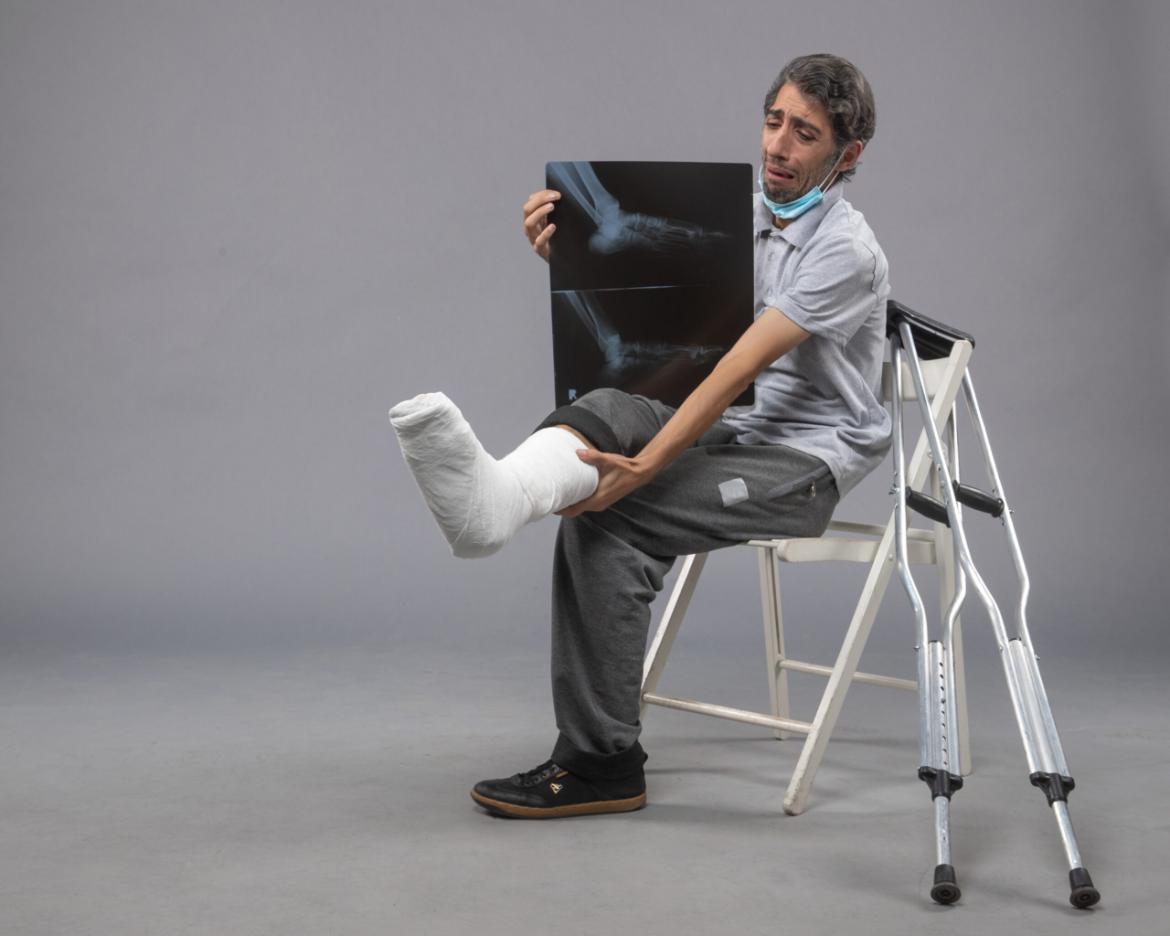
Fractures and Dislocations
Fractures and Dislocations: Bone fractures, which usually occur after a fall or impact, but can sometimes occur spontaneously, occur after trauma in young patients, while in older patients, they are often due to osteoporosis. Bone integrity impairment should be taken more seriously in an elderly person than in a younger patient. Bone fractures are a life-threatening condition for an elderly patient. If left untreated, they can even lead to hip fractures and even death. The possibility of fractures and dislocations is a natural occurrence for everyone.
A fracture is a disruption of bone integrity resulting from direct or indirect trauma that exceeds the bone's flexibility. This can occur anywhere in the bone. The fracture can also damage the soft tissues surrounding the bone. Surrounding tissues should also be examined when evaluating fractures.
A dislocation is known as a bone displacement. It is an injury to the joints where two or more bones meet. Some dislocations can occur at birth, while others occur as a result of sudden, abnormal movements of the body, falls, or impacts. The most common locations for dislocations are the shoulders and fingers. If a dislocation occurs in one area, further injury to the same area can lead to further dislocation.
Fracture and Dislocation Symptoms
- When a fracture occurs, severe pain occurs with movement of the area.
- Swelling in the area where the fracture is located
- Deformities that occur with fracture
- Bruising and edema formation due to swelling caused by fracture
- Limited movement in the area of the fracture and inability to move the area
- Tingling in the area where the dislocation is located and numbness around it
- Color change in the area where the dislocation occurs
Fracture Types
There are two different types of fractures: open and closed. These are:
Open Fracture : An open fracture poses a risk of infection and bleeding in the area where the bone is broken. This risk can lead to both texture and deformities in the skin.
Closed Fracture : A closed fracture occurs internally in the body. There is no disruption or damage to the skin. Depending on the severity of the fracture, bone integrity may be compromised in a closed fracture.
First Aid Procedures for Fractures and Dislocations
Fractures and dislocations can occur at any time and for any reason. The first thing anyone facing this situation should do is know the correct intervention. Knowing the correct intervention for fractures and dislocations is crucial. First aid measures that can be performed in such cases include:
- First, the fractured and dislocated area must be identified correctly.
- The area with suspected fracture should be kept unmoved.
- To prevent edema after trauma, accessories such as watches, rings, and bracelets should be removed.
- The person should not be given any food by mouth after the trauma.
- If there is an open fracture, it should be covered with a clean cloth to prevent infection.
- Details such as the person's pulse, skin tone, and skin temperature should be checked in the area where the dislocation occurred.
- The patient must seek help from a doctor or specialist as soon as possible.
How Are Fractures and Dislocations Diagnosed?
There are two methods for confidently diagnosing fractures and dislocations. First, X-rays, an imaging method, allow you to determine the extent of damage to the fractured or dislocated area and determine the treatment method.
Fracture surgery is defined as the disruption of the integrity of bone tissue due to various factors and causes. Fracture dislocation surgery is a treatment method that prevents fractures in the body. Fractures usually occur as a result of external force and require immediate treatment. Dislocations, however, occur as a result of sudden movements. A dislocation can cause severe pain and limited movement in the area. The pain and discomfort in the area can sometimes be unbearable. Fracture dislocation surgery is the most effective treatment method.
A specialist orthopedic surgeon determines whether surgery for fractures or dislocations will be necessary. The initial interventions for fractures and dislocations are crucial. The preoperative period is crucial for the patient. The patient must undergo a comprehensive examination by a specialist orthopedic surgeon, and the treatment must be performed by a specialist orthopedic surgeon.
Fracture and Dislocation Treatment
In the treatment of fractures and dislocations caused by various conditions, the location of the damaged structure and the type of treatment applied are directly proportional to each other. Pain and discomfort experienced in fractures can vary in some cases. In some patients, the fracture manifests itself with severe pain, while in others, the pain is quite mild. If a patient experiences symptoms of a fracture, they should consult a specialist orthopedic surgeon immediately.
In some fractures, the patient is subjected to an angle fixation. While there are many methods of fracture treatment, one of them is open reduction and internal fixation.
In fracture treatment, open reduction and internal fixation involves surgically repositioning the fracture anatomically and using various materials to stabilize it. This procedure is performed after a physician's decision. Hip prosthetics are also used in the treatment of older patients. Various methods are used in the treatment of fractures and dislocations. Treatment for dislocations can include repositioning, fixation, or surgery.
Fracture and Dislocation Diagnosis
Fractures and dislocations that occur as a result of trauma in young people can also occur in older adults due to weakening of the bones and tissues that form the joint. If a patient exhibits symptoms of a fracture or dislocation, it's crucial to first confirm the diagnosis. A specialist orthopedic surgeon should perform the necessary tests and provide a definitive diagnosis. The specialist orthopedic surgeon determines that the patient's MRI, CT scan, and X-rays are the most important steps in treating fractures and dislocations.
The doctor's imaging techniques help identify the damage caused by fractures and dislocations, ensuring the most appropriate treatment is administered. Fractures and dislocations should be treated as quickly as possible, and even surgery should be performed immediately if necessary. All fractures, including hip fractures in young patients, are treated by applying devices such as nails, plates, and screws to the broken bone.
Fracture and Dislocation Treatment Methods
Several factors influence the treatment methods used for fractures and dislocations. The effects of the fracture and dislocation vary depending on the age at which the fracture occurred. Age is a key factor in treatment. While childhood fractures can be treated with a cast, other surgical interventions, such as fracture and dislocation surgery, are used for fractures in older adults. Metal plates, screws, nails, and prosthetics are also used in the treatment of adult fractures. In some cases, if cast treatment has not affected the healing of the fracture, surgical methods such as fracture and dislocation surgery are employed. After the patient is correctly diagnosed, the procedure is performed by specialized orthopedic surgeons.
Types of Dislocations
How to Distinguish Between Fractures and Dislocations?
In the area where the bone is fractured, movement becomes difficult. Movement in the fractured area becomes impossible. In cases of fractures, movement can occur because the bone's integrity is maintained.
What are the symptoms of dislocation?
If a patient experiences a dislocation, they usually experience a shift in their bones. General symptoms of a dislocation include:
Numbness and a tingling sensation may occur in the dislocated area. In addition to numbness, a deformity is observed in the dislocated area. Patients may experience limited movement and pain and discomfort in the dislocated area, indicating an abnormality.
It should also be noted that swelling occurs in the dislocation area.
Fracture Symptoms
The patient experiences severe pain when moving the fracture site. Swelling and limited movement in the area also increase significantly. The fracture results in deformity.
How Long Does It Take to Heal Fractures and Dislocations?
Fractures and dislocations are conditions that absolutely require medical attention. Failure to treat a fracture or dislocation can lead to disastrous outcomes for the patient. When properly repositioned, the dislocation typically regains its former function within a few weeks. For fractures, the location of the fracture and the patient's average age influence the treatment method and healing process. For all these reasons, the individual's recovery process also varies.
What Should Be the First Aid in Fractures and Dislocations?
The treatment method applied to the patient in the initial stages of fractures and dislocations is also crucial for their health. To avoid incorrect procedures in fractures and dislocations, patients should consult with a specialist orthopedic surgeon immediately and receive the necessary treatment. First aid for fractures and dislocations should include cleaning any wounds in the area where the fracture occurred, and the patient should be examined by an orthopedic surgeon as soon as possible.
Most Frequently Asked Questions
Which Fractures Require Surgery?
- Complicated fractures: Complicated fractures are those in which bones are severely broken or soft tissues are affected. These types of fractures often require surgery. For example, open fractures are those in which bone ends are exposed or soft tissues are injured and may require surgery due to the risk of infection.
- Joint fractures: Joint fractures are breaks that occur in the joints where bones meet. Surgery may be necessary, especially if the joint surface is damaged or bone fragments have penetrated the joint space. These types of fractures can be treated surgically to restore joint motion and repair the damage.
- Hollow bone fractures : Fractures in hollow bones occur primarily in long bones (e.g., femur, tibia). In cases where the bone marrow space within the bones is affected or the bones are fragmented, surgery may be necessary. These fractures can usually be treated with nailing (intramedullary nailing) or hollow bone implants such as plates and screws.
- Fractures that don't heal properly: Some fractures don't heal properly, or the bone fragments don't align correctly. In these cases, surgery may be necessary. Surgery may be performed to realign the fracture (reduction) and hold it in place (osteosynthesis).
- Fractures affecting nerves or blood vessels: Surgery may be necessary when fractures compress or damage nerves or blood vessels. Surgery may be necessary to release or repair the nerves or blood vessels.
What Happens If the Fracture Is Not Operated?
- Malunion: When a fracture is not properly aligned or stabilized, the bone can fuse incorrectly. In this case, the fracture doesn't heal properly and the bones don't fuse together properly. As a result, deformity, curvature, or limited limb function can occur at the fracture site.
- Delayed union: The healing process of a fracture may take longer than usual. It may take longer for the bones to fuse and the fracture to heal completely. In this case, it may take a longer time for the fracture to heal completely.
- Bone nonunion: In cases where a fracture fails to heal completely, a complication called bone nonunion can occur. A nonunion is a condition in which the bones fail to fuse together, halting the healing process completely. In this case, re-treatment and surgery may be necessary because the fracture has not healed properly.
- Additional complications: If fractures are not operated on, there may be a risk of further damage to surrounding tissues (muscles, nerves, blood vessels). Fracture fragments can press on soft tissues or cause injury. Additionally, open fractures can increase the risk of infection.
The need for surgery and the timing of surgery should be evaluated by an orthopedic surgeon based on the type, location, and severity of the fracture.
How Many Days Does It Take for a Dislocation to Heal?
The term "healing" of a dislocation does not refer to the return of the protruding bone or joint fragments to their normal positions. Instead, the goal is to bring the protruding bone or joint fragments back into place and provide stability.
Treatment for dislocations varies depending on the type, severity, and location of the dislocation. Treatment for dislocations is usually performed by a healthcare professional and may include the following:
- Manipulation and reduction: Manipulation and reduction may be performed manually or with surgical instruments to relocate and correct the dislocation. This procedure is usually performed in the emergency room or operating room.
- Immobilization: After a dislocation, a splint, cast, or similar immobilization method may be used to stabilize the joint and aid healing. This method allows the bone or soft tissues in the joint to heal.
- Rehabilitation and physical therapy: Post-dislocation rehabilitation and physical therapy programs can help restore joint mobility and strength. They use exercises and therapies administered by physical therapists or specialists.
The time it takes for dislocations to heal depends on the type of dislocation, its severity, treatment methods, and individual patient factors. Every case is unique and can vary from person to person. While prompt adjustment is generally important in the early stages of dislocations, full recovery can typically take several weeks to several months.
