


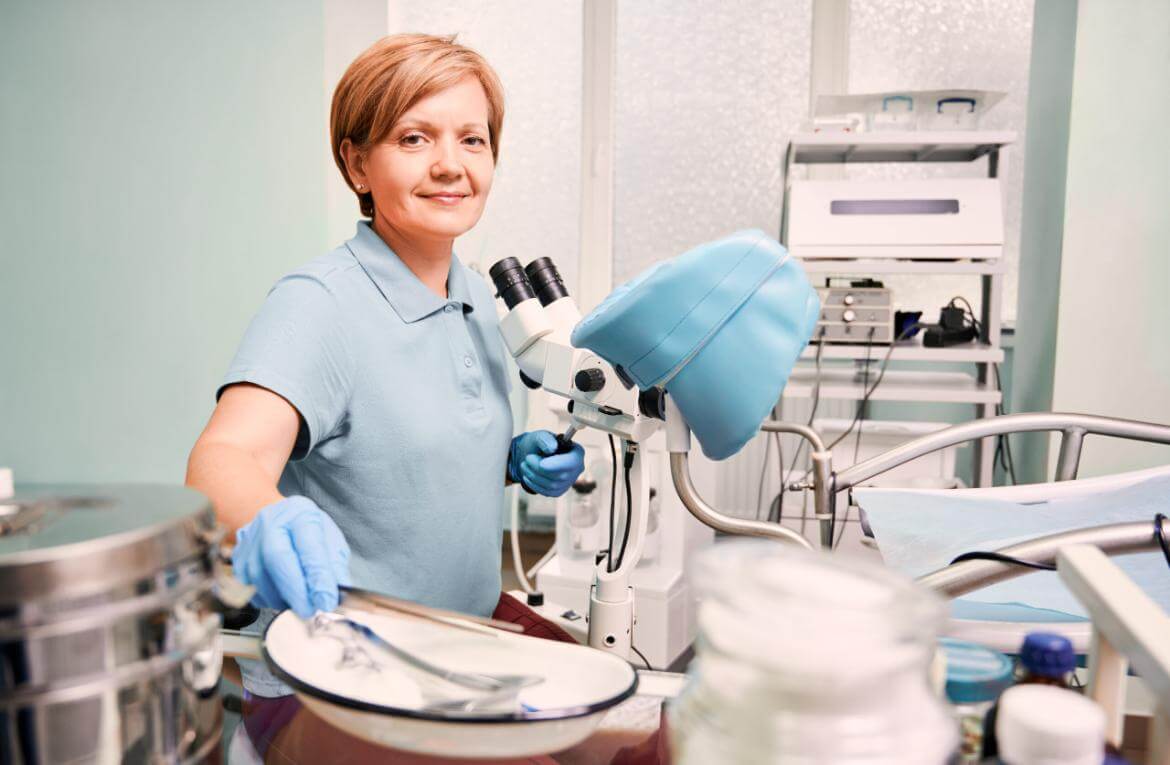
Colposcopy
Colposcopy is the direct examination of the cervix using a special instrument. A colposcopy is a dual-lens microscope used to magnify and examine the cervix. This simple procedure allows for the identification of abnormal tissue by examining the areas of the cervix. During a colposcopy, the cervix can be examined approximately 40 times.
Why Is Colposcopy Performed?
Colposcopy is a medical procedure performed to examine the tissues of the cervix, vagina, and vulva in more detail. It is often performed in cases such as abnormal Pap smear results, suspected HPV infection, or abnormal vaginal bleeding. This method helps detect precancerous cellular changes early, allowing for biopsies if necessary. This allows for early diagnosis of potential conditions and the development of an appropriate treatment plan.
How Should You Prepare Before Colposcopy?
Before the colposcopy, your doctor will provide you with information and explain the procedure. This procedure is painless and virtually risk-free. Unlike surgical procedures, there is no need to go hungry. If you are pregnant or think you may be pregnant, you should inform your doctor immediately. It is very important to inform your doctor of any medications or allergies you are taking, as you may be advised to discontinue these medications before the procedure. You should not use tampons, vaginal creams, or other medications 24 hours before the colposcopy. You should not shower or have sexual intercourse 24 hours before the test.
How is Colposcopy Performed?
Before the procedure, the patient must refrain from vaginal douches, tampons, and sexual intercourse for two days. Colposcopy is generally recommended before or after menstrual bleeding. The procedure takes approximately 15-20 minutes. No anesthetic is required during the procedure. The procedure begins in a gynecological examination chair. Your doctor inserts a device called a speculum into the vagina. The speculum is used to expose the part of the uterus that connects to the vagina and to separate the vaginal walls. During the procedure, the tissues are cleaned and examined using a colposcopy device.
Your doctor can distinguish abnormal cells from healthy ones using various staining methods. If necessary, a sample is taken from the cervix, and the abnormal tissue is sent for examination. The area to be biopsied is numbed, and the tissue is removed. A topical paste-like medication or pressure dressing is used to prevent bleeding during the biopsy . The tissue is then sent for examination.
What can be detected with a colposcopy procedure?
In general, colposcopy allows for a detailed examination of the cervix and vaginal walls. It is very important in detecting certain health problems. These include:
Vaginal tumors: Benign or malignant tumors can be detected in the vaginal wall. Furthermore, it is a very useful procedure for identifying and subsequently removing polyps and cysts.
Detection of cancer cells in the cervical region: Colposcopy is particularly important for early detection of cancerous cells in the cervix of individuals with abnormal Pap smear findings. If abnormal cells are detected in a patient, interventions are performed to remove the abnormal cells from the area.
Other tumors of the cervical region: Testing for and removing benign tumors in the cervical region is crucial. In some cases, cysts form due to blockage of the glands in the cervical region. Treatment for these cysts can be performed with colposcopy.
Cervical and Vaginal Infections: Infections occurring in the cervix and inner parts of the vagina due to various reasons can be revealed by colposcopy.
What should be taken into consideration after colposcopy?
The recovery process varies depending on the type of biopsy performed and the anesthesia used. Generally, the risk of experiencing any abnormalities is very low. It's normal to experience mild cramping, spotting, and some colored discharge for a few days. You can use sanitary pads for this. Recovery usually takes approximately 2-3 days.
If you have had a biopsy, be sure to shower after the recommended time by your doctor. The patient should abstain from sexual intercourse, avoid tampons, and avoid vaginal douches for one week. The patient can return to their daily routine after the procedure. You can take painkillers recommended by your doctor.
What are the risks of colposcopy?
The patient doesn't feel any pain during the colposcopy procedure, but they may experience bleeding or discharge, and mild pain for a few days afterward. While uncommon, there are some complications that can arise from the biopsy taken during the procedure. These include:
- Severe bleeding in the sick person
- Infection formation
- Occurrence of pain in the pelvic area
- Severe abdominal pain and groin cramps
- The patient develops chills and fever
- More pain during menstruation, unlike the normal menstrual cycle
Frequently Asked Questions
Is Anesthesia Required for Colposcopy?
This procedure does not require anesthesia. Most people feel no pain during the procedure, but some patients may experience mild discomfort or pressure. If any pain or discomfort occurs, your doctor may prefer to use a local anesthetic. This ensures comfort during the procedure and is usually short-lived.
Does the colposcopy procedure hurt?
This procedure is extremely painless. The patient doesn't feel much pain during the procedure. The patient may feel a slight pressure as the speculum is inserted.
How long does the colposcopy procedure take?
It usually takes between 10 and 20 minutes. During the procedure, the doctor carefully examines your cervix and, in some cases, may perform a biopsy. While it's a simple exam, a biopsy may take a little longer. However, you can usually return to your daily activities immediately after the procedure.
What should be taken into consideration after colposcopy?
There are a few important points to keep in mind after a colposcopy. First, you may experience some vaginal bleeding or spotting after the procedure, which is completely normal. However, if the bleeding is heavy, it's important to consult your doctor. It's also recommended that you refrain from sexual intercourse, douche, or tampon use for the first 24-48 hours after the procedure. If a biopsy was performed, your doctor may provide additional care instructions. It's also beneficial to avoid strenuous exercise and swimming in public areas like pools for a period after the procedure.
When can I return to my normal life after colposcopy?
Most people can return to their normal routine within a few hours after a colposcopy. If no biopsy was performed, you can resume your daily activities immediately. If a biopsy is performed, you may experience some light bleeding or discomfort for a few days after the procedure, so you may need to opt for relaxing activities. However, you can usually return to work or social activities within a day. However, it's best to follow your doctor's instructions.
What Happens If Colposcopy Results Are Abnormal?
Abnormal results may require different treatment approaches depending on the severity of the cellular changes. Mild changes are monitored, while moderate or severe cellular changes may require treatment such as LEEP or cryotherapy.
What are LEEP and Cryotherapy?
If abnormal cell changes are detected after colposcopy, your doctor may recommend certain treatment methods. The most common of these are LEEP (Loop Electrosurgical Excision Procedure) and Cryotherapy (Freezing Treatment) .
LEEP (Loop Electrosurgical Excision Procedure)
LEEP is a procedure used to remove abnormal cells from the cervix. A thin wire loop is used to cut and remove the abnormal tissue with a low-voltage electric current.
Advantages of LEEP: It is a short procedure (usually 10-15 minutes). It can be performed with local anesthesia and does not require hospitalization. The removed tissue can be sent for pathological examination.
Things to Consider After LEEP:
- Light bleeding or spotting may occur for a few days after the procedure. Strenuous exercise, sexual intercourse, and tampon use are not recommended for four weeks. Rarely, complications such as infection or cervical stenosis may occur.
Cryotherapy (Freezing Treatment) Cryotherapy is a treatment that uses cold gas (usually liquid nitrogen or carbon dioxide) to destroy abnormal cells . Abnormal cells in the cervix are destroyed by freezing, allowing healthy cells to take their place.
Advantages of Cryotherapy: It is a quick and simple procedure (usually 5-10 minutes). It does not require local anesthesia. It does not require a serious recovery period after the procedure.
Things to Consider After Cryotherapy:
- After the procedure, watery and thick vaginal discharge may last for several weeks. Tampons and sexual intercourse should be avoided for four weeks. Mild cramping may occur, but usually no serious pain occurs.
Which Method Is Better? LEEP is generally preferred for moderate to severe cellular changes because it removes abnormal tissue. Cryotherapy is generally suitable for mild cellular changes . Your doctor will determine which method is best for you based on the results of your Pap smear and biopsy. Both procedures are effective methods for preventing cervical cancer. Following your doctor's recommended treatment plan will help you take steps toward a healthy future.
Is sexual intercourse harmful during colposcopy?
Yes, it's extremely harmful to engage in sexual intercourse immediately after the procedure. Your doctor will advise you against engaging in sexual intercourse for one or two weeks after the procedure.
When will the colposcopy results be available?
If your doctor notices abnormal-looking tissue during a colposcopy, they may take a biopsy. If a colposcopy alone is performed, the results are usually evaluated the same day or within a few days. However, if a biopsy is performed, the tissue is sent to a laboratory for pathological examination. This process typically takes one to two weeks to complete . Once your results are ready, your doctor will contact you to evaluate the results and, if necessary, develop a treatment plan.
Will menstruation be delayed after colposcopy?
Although it is not certain, there may be a delay depending on the patient's condition.
What are the Prices for Colposcopy Surgery?
Colposcopy surgery prices can vary depending on many factors. You can visit Ankara Private Magnet Hospital for a preliminary consultation with our Gynecology and Obstetrics doctor and receive pricing information. To easily reach us and schedule an appointment, call 0312 212 80 80.
