



Erectile Dysfunction
Erectile dysfunction (ED) is a condition in which the penis experiences problems with erection during sexual intercourse. In other words, it's the inability of the penis to become sufficiently erect or to maintain an erection in men. ED can affect the ability to maintain or complete sexual activity, leading to problems such as insufficient satisfaction with sexual intercourse or stress and anxiety.
What are the causes of erectile dysfunction?
Erectile dysfunction, also known as erectile dysfunction, is a condition in men. Multiple factors can contribute to the development of erectile dysfunction. Some of the more common causes include:
- Psychological factors: Psychological factors such as stress, depression, anxiety, relationship problems, and performance anxiety can cause erectile dysfunction.
- Vascular issues: Vascular issues that affect blood flow are a common cause of erectile dysfunction. Conditions like diabetes, high blood pressure, and high cholesterol can affect vascular health and lead to erectile dysfunction.
- Hormonal issues : Hormonal imbalances, particularly low testosterone levels, can trigger erectile dysfunction. A natural decline in testosterone levels occurs with aging.
- Neurological problems: Neurological problems such as spinal cord injuries, multiple sclerosis, and Parkinson's disease can affect nerve conduction, leading to erectile dysfunction.
- Side effects: Side effects of some medications, especially antidepressants, antihistamines, blood pressure medications, and diabetes medications, can cause erectile dysfunction.
- Alcohol and substance use: Alcohol consumption, smoking, and drug use can also contribute to erectile dysfunction.
- Physical factors: Physical factors such as pelvic area injuries, surgical operations, obesity, and sleep apnea can also cause erectile dysfunction.
- Other health problems: Other health problems, such as prostate cancer treatment, radiation therapy, and urinary tract infections, can also trigger erectile dysfunction.
The causes of erectile dysfunction can vary from person to person. If you suspect you are experiencing erectile dysfunction, it's important to consult a doctor. Your doctor will evaluate your medical history and recommend appropriate treatment options.
Who suffers from erectile dysfunction?
Erectile dysfunction (ED) can occur in men of all ages, but it becomes more common with age. It's known that ED tends to increase with age. However, erectile dysfunction can occur at any age and can develop due to a variety of factors.
Below are some risk factors for erectile dysfunction:
- Age: Aging is one of the most common causes of erectile dysfunction. With age, a natural decline in sexual function occurs, and erectile dysfunction becomes more common.
- Chronic diseases: Chronic health problems such as diabetes, high blood pressure (hypertension), high cholesterol, and heart disease can increase the risk of erectile dysfunction. These conditions can negatively affect vascular health and blood flow.
- Obesity : Being overweight or obese can increase the risk of erectile dysfunction. Obesity can affect hormone levels, impair circulation, and contribute to psychological factors.
- Psychological factors : Psychological problems such as stress, depression, and anxiety can trigger erectile dysfunction or worsen existing problems.
- Smoking and alcohol use: Smoking and excessive alcohol consumption can negatively affect vascular health and contribute to erectile dysfunction.
- Medications and treatments: Certain medications, especially antidepressants, antihistamines, and high blood pressure medications, can cause erectile dysfunction. Radiation or surgery used to treat prostate cancer can also cause erection problems.
- Trauma or surgery: Injuries to the pelvic area, spinal cord damage, or surgery in the pelvic area may increase the risk of erectile dysfunction.
- Other factors: Other factors such as drug use, hormonal imbalances, and sleep apnea may also increase the risk of erectile dysfunction.
What are the diagnostic methods for erectile dysfunction?
- Medical and sexual history: Your doctor will ask you questions to assess your symptoms and sexual health history. During this process, you'll be asked to provide information about any current or pre-existing health problems, medications, psychological factors, and details about your sexual intercourse.
- Physical exam: Your doctor will perform a physical exam to assess your overall health. He or she will focus on the genital area to identify any anatomical abnormalities in the penis, as well as nerve function and the circulatory system.
- Blood tests: Blood tests may be done to check hormone levels, particularly testosterone levels, and to check for underlying health conditions such as diabetes.
- Psychological evaluation: The doctor may perform a psychological evaluation or refer you to a specialist to assess whether erectile dysfunction is related to psychological factors.
- Delayed erection test: This test is performed to assess the normal occurrence of nocturnal erections. If adequate erections occur throughout the night, physical causes are more likely. This is typically done using a measuring device (rigidometer) or a tape placed over the penis.
- Doppler ultrasound: This test is used to evaluate blood flow. A Doppler ultrasound can detect vascular problems by measuring the speed and volume of blood flow to the penis.
- Psychological testing: In some cases, psychological testing may be used to determine whether sexual dysfunction is psychologically related. These tests can be used to assess factors such as depression, anxiety, and relationship problems.
One or more of these methods may be necessary to accurately diagnose erectile dysfunction. Based on the diagnosis, your doctor will recommend appropriate treatment options.
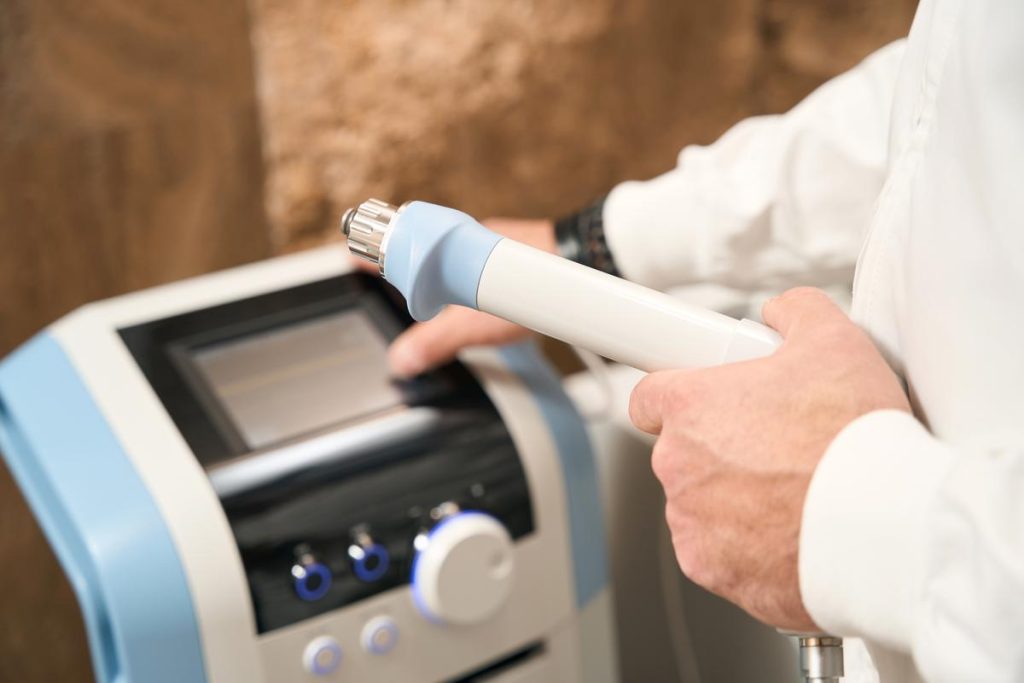
What are the treatment methods for erectile dysfunction?
Treatment for erectile dysfunction can vary depending on the underlying cause. Treatment options include:
- Lifestyle changes: Healthy lifestyle habits can help improve erectile dysfunction in some cases. These include regular exercise, adopting a healthy diet, losing weight, quitting smoking, and reducing alcohol consumption.
- Medication: Various medications are available for erectile dysfunction. The most commonly used medications are phosphodiesterase type 5 (PDE5) inhibitors. These medications work by dilating blood vessels in the penis and increasing blood flow, resulting in an erection. PDE5 inhibitors such as sildenafil, tadalafil, vardenafil, and avanafil are available. However, these medications must be obtained with a prescription and used under the supervision of a doctor.
- Hormone therapy: In some cases, low testosterone levels can cause erectile dysfunction. Hormone therapy can be used to correct testosterone deficiency. However, it is only effective in men with low testosterone levels.
- Vacuum devices: Vacuum devices are a method used to increase blood flow to the penis. A vacuum device is placed over the penis, creating a vacuum. This increases blood flow to the penis, resulting in an erection. Once an erection is achieved, a ring (penis ring) is used to maintain the erection.
- Penile injections : Injecting medication directly into the penis is a method used to achieve an erection. A medication called alprostadil is often used. This medication increases blood flow by relaxing the smooth muscles in the penis.
- Penile prosthesis: A penile prosthesis is a surgical option when other treatment options are ineffective or not preferred. A penile prosthesis is a surgically implanted device that allows for an erection during sexual intercourse.
