


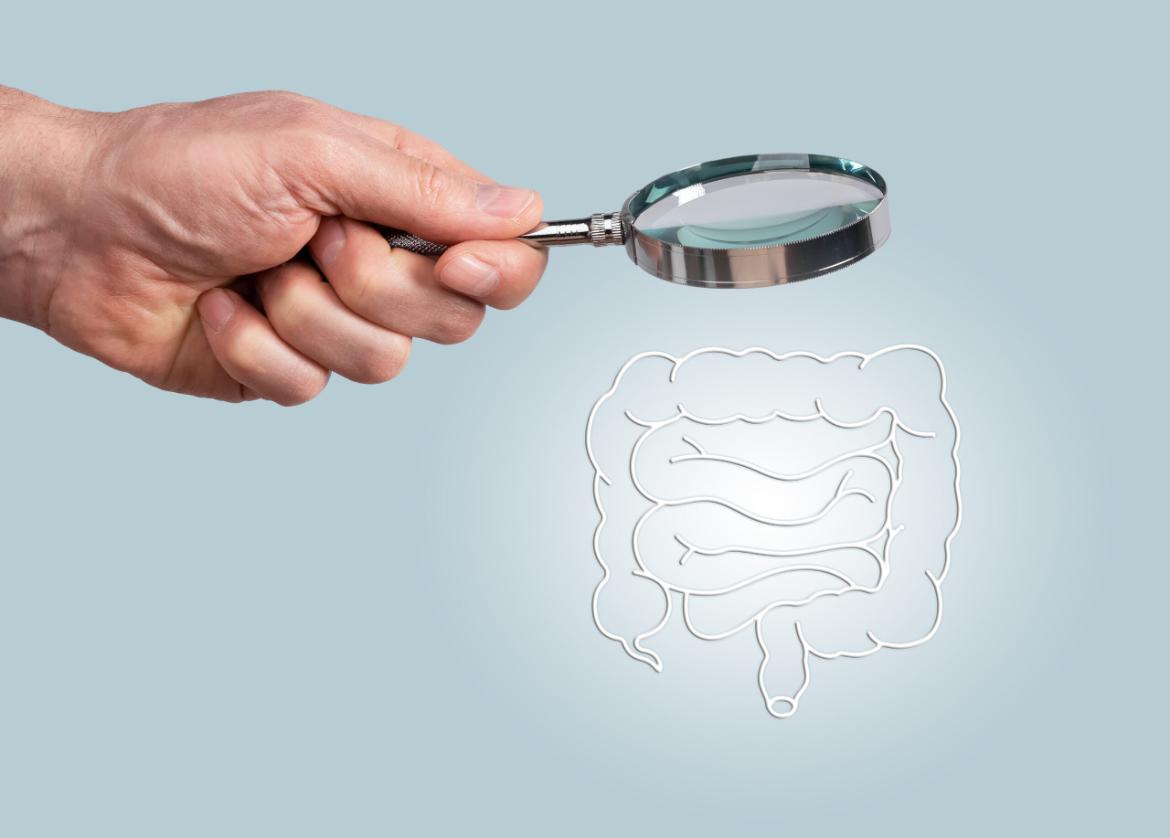
Colonoscopy
A colonoscopy is a procedure that examines the rectum and large intestine. If necessary, a tissue sample can be taken from the intestine during the colonoscopy and analyzed in a laboratory. A colonoscopy is performed through an anus and is used for both diagnostic and therapeutic purposes. Like an endoscopy, a colonoscopy uses a flexible tube with a camera and light at its end.
In Which Diseases Is Colonoscopy Performed?
- Persistent abdominal pain
- Rectal bleeding
- Chronic constipation or chronic diarrhea
- Unexplained anemia or iron deficiency
- Unexplained weight loss
Even if nothing else, a colonoscopy is used to diagnose colon and rectal cancer. A colonoscopy is recommended every five years for people over the age of 50. Those who have previously had colon polyps should also have a colonoscopy at regular intervals.
How is a Colonoscopy Performed?
Before a colonoscopy, as with any procedure, the doctor should be informed about lung and heart conditions, pregnancy, current medications, and allergies. For a successful colonoscopy, the colon must be clean. Various methods can be used to achieve this. Failure to properly cleanse the colon can lead to the oversight of polyps and lesions during the procedure.
On the day of the procedure, loose-fitting clothing should be worn for comfort. Before the colonoscopy, the patient is given a sedative to help them relax. During the procedure, a garment called colonoscopy pants is worn, revealing the patient's back. The patient is placed on their side, then their knees are pulled up to their abdomen. This is called the colonoscopy recumbency.
If necessary, devices may be attached to the patient to monitor their heart rate and blood pressure. The patient's age and other underlying health conditions are important factors in this regard. The doctor may inject air to facilitate the procedure and improve visualization. If any abnormalities are detected, the doctor will take a biopsy sample from the area.
The colonoscopy has a tiny camera at its tip, which transmits images to a screen in the room. The resulting images are recorded, and the doctor concludes the colonoscopy.
Why Is a Colonoscopy Performed?
Some common uses of colonoscopy include:
- Screening and early detection: Used for early detection of colon cancer and other diseases of the colon. Colonoscopy helps detect and remove pre-tumor growths called polyps.
- Evaluating symptoms: Colonoscopy is used to evaluate patients with symptoms such as chronic diarrhea, bloody stools, abdominal pain, and weight loss. Colonoscopy is an important investigative tool for determining the cause of these symptoms and developing an appropriate treatment plan.
- Inflammatory bowel diseases: Colonoscopy is used to diagnose and monitor inflammatory bowel diseases such as Crohn's disease or ulcerative colitis.
- Checkups and follow-up: Patients with colon cancer or polyps are regularly followed up with a colonoscopy. This includes the detection and removal of polyps.
Colonoscopy is a procedure used for both diagnostic and therapeutic purposes.
What is the Difference Between Colonoscopy and Virtual Colonoscopy?
Colonoscopy and virtual colonoscopy are two different medical imaging procedures used to evaluate the lining of the large intestine (colon) and rectum. They differ in how they work and how they result.
Colonoscopy
- Colonoscopy is performed by inserting a flexible tube, the colonoscope, through the anus and into the colon.
- The colonoscope has a camera and light source inside so the doctor can get a detailed view of the bowel wall.
- A colonoscope may also be used to remove polyps, take biopsies, or perform other procedures.
- Because colonoscopy is performed in real time, polyps or abnormalities can be detected immediately and treated if necessary.
- A colonoscopy is an invasive procedure and is usually performed under sedation.
Virtual Colonoscopy (Computed Tomography Colonography – BTK)
- Virtual colonoscopy is the creation of 3D images of the inner surface of the colon using a computed tomography (CT) scan.
- A virtual colonoscopy can be an alternative to a colonoscopy, but it is not a substitute for a full colonoscopy. In some cases, it can be used to identify the presence of polyps or abnormalities.
- A virtual colonoscopy is a non-invasive procedure. Instead of a tube inserted through the anus, a CT scan is performed by injecting air, or sometimes contrast material, into the rectum.
- A virtual colonoscopy takes images from the outside of the colon and creates a 3D model, which is then evaluated for polyps or abnormalities.
- If abnormalities are detected during a virtual colonoscopy, the doctor usually recommends a real colonoscopy.
Both methods are different options with their advantages and disadvantages. Colonoscopy provides real-time imaging and treatment, but it is an invasive procedure. Virtual colonoscopy, on the other hand, is a non-invasive option, but it may detect some abnormalities less accurately than a live colonoscopy. It's important to talk to your doctor to determine which method is best for you.
How Often Should Colonoscopy Be Repeated?
The time it takes to repeat a colonoscopy can vary depending on many factors. Generally, the follow-up period and the time it takes to repeat a colonoscopy are determined by the findings, the patient's medical history, family history of colorectal cancer, and other risk factors. The following are general guidelines, but it's important to plan individually for each patient:
Screening Colonoscopy:
- Screening colonoscopy is recommended for healthy individuals starting at age 50.
- If normal results are obtained, repeat colonoscopy is usually performed after 10 years.
Presence of Polyps or Abnormalities:
- If polyps (pre-tumor formations) are detected during colonoscopy, the time to recurrence is determined depending on the number, size and histopathological features of the polyps.
- Generally, if small polyps (e.g., less than 1-2 cm) are detected, a repeat colonoscopy may be recommended after 5-10 years.
- If large polyps or adenomas (which carry a risk of cancer) are detected, a repeat colonoscopy is usually due after 3-5 years.
Inflammatory Bowel Disease:
- In people with inflammatory bowel disease, such as Crohn's disease or ulcerative colitis, regular follow-up colonoscopy is recommended to control inflammatory activity and consider the risk of colon cancer.
- The follow-up period may vary depending on disease activity and overall condition, but a colonoscopy every 1-3 years is generally recommended.
The above times are a general guideline. However, the recurrence time for each patient should be determined based on your doctor's evaluation and your specific situation. Therefore, it's important to discuss your specific follow-up plan with your doctor.
Most Frequently Asked Questions
What should be taken into consideration before a colonoscopy?
Some dietary and fluid supplements may be prescribed before a colonoscopy. However, this varies from patient to patient and is determined by the doctor. The goal of this diet is to avoid high-fiber foods that cause fiber. It's also beneficial to avoid high-fat, spicy, and tomato-based foods.
What can be done against anal fissures and irritation while preparing for a colonoscopy?
Because of frequent toilet visits before a colonoscopy, irritation may occur, so baby diaper rash cream and Vaseline are very helpful.
What should the patient pay attention to after colonoscopy?
After the colonoscopy, the patient can return home the same day after resting for one hour. It is important to have someone with them. They should not drive during the day. Gas pains may occur after the procedure. Heavy lifting and strenuous activities should be avoided. You may notice some blood in your stool after the colonoscopy, but if it persists, you should consult a doctor. You can return to your normal eating habits after the colonoscopy, but if a tissue sample was taken during the procedure, your doctor may prescribe a special diet.
It's recommended to drink plenty of fluids after a colonoscopy. Patients taking blood thinners may be asked to discontinue these medications for a period after the procedure. You should monitor yourself closely after the colonoscopy. If you experience symptoms such as chills, fever, vomiting, difficulty passing urine, or blood in your urine, you should contact your doctor immediately.
Will there be any uncomfortable feeling after the procedure?
Conditions such as bloating, sore throat, and cramps may occur.
What are the medications for colonoscopy?
Medicines containing sodium phosphate, laxatives, mannitol, and macrogol active ingredients.
Is colonoscopy a painful procedure?
Before the procedure, patients are put to sleep with general anesthesia and given a sedative, so they do not feel any pain or discomfort.
How long does a colonoscopy take?
It takes between 20 minutes and 1 hour.
What are the risks of colonoscopy?
It's a very safe procedure. But, as with any procedure, complications can sometimes occur after a colonoscopy. It's important to be aware of conditions like bleeding, inflammation, severe abdominal pain, and adverse reactions to sedation during the procedure.
Does a colonoscopy reveal everything?
During a colonoscopy, procedures such as mucosal biopsy and polyp or tumor removal can often be performed. However, a colonoscopy doesn't guarantee complete removal. Abnormal images or lesions within the colonoscope's reach can be removed. These are often small pre-tumors, such as polyps, or tumors.
