


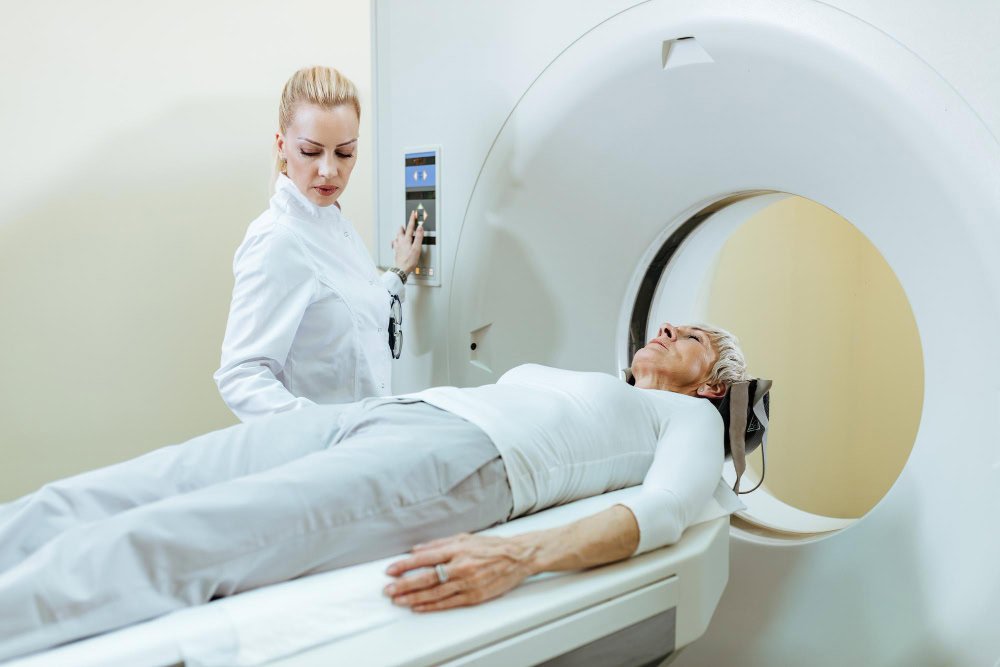
Cardiac CT Angiography (Virtual Heart Angiography)
CT Cardiac Angiography is a non-invasive (non-surgical) diagnostic procedure that visualizes the heart vessels using contrast material and a computed tomography (CT) device. This procedure is particularly important in the early diagnosis of coronary artery disease. Also known as "virtual cardiac angiography," it does not require a groin approach like a traditional angiography.
1. What is Cardiac CT Angiography?
Cardiac virtual angiography is an imaging method that allows detailed examination of the coronary arteries (the vessels that feed the heart) using computed tomography (CT) without the need for an intravascular catheter.
During the procedure, a contrast agent (medication) is administered intravenously, providing a three-dimensional assessment of coronary artery patency, stenosis, and plaque.
In Which Diseases Is Cardiac Virtual Angiography Performed?
1. Coronary Artery Disease (Cardiovascular Occlusion)
-
Its most common use is
to detect narrowing or blockage in the vessels that feed the heart. -
Plaques and calcifications formed in the vascular wall are clearly visualized with virtual angiography.
-
It provides early diagnosis in patients at risk of heart attack or with chest pain.
2. Congenital Cardiovascular Anomalies
In some individuals, the coronary arteries arise from a different location or are located differently than normal.
Cardiac virtual angiography can reveal the type and progression of these anomalies.
Specifically,:
-
Screening for congenital anomalies is performed in those who experience sudden cardiac arrest or shortness of breath with exercise at a young age.
3. Aortic Aneurysm and Dissection
It is used to diagnose dilatation (aneurysm) or rupture (dissection) of the aorta, the major artery originating from the heart.
It clearly shows the integrity of the vessel wall and the extent of the tear.
4. Heart Valve Diseases and Prosthetic Valve Follow-up
Cardiac CT angiography provides information about valvular calcification, deformation, or the status of the prosthetic valve.
It can also be used for postoperative follow-up.
5. Heart Tumors and Masses
In the rare presence of intracardiac tumors or masses, the location and size of these structures are determined by virtual angiography.
6. Post-Coronary Stent or Bypass Follow-up
In patients with stent placement or bypass surgery, the patency of the vessels and the risk of new narrowing can be monitored with this method.
For Which Complaints is Cardiac Virtual Angiography Performed?
Cardiac virtual angiography is preferred in individuals with the following symptoms or risk factors:
-
Chest pain or tightness (especially worse with exertion)
-
Shortness of breath
-
Palpitations, fainting or dizziness
-
Decreased exercise capacity
-
Those with a family history of early heart disease
-
People with risk factors such as high cholesterol, blood pressure, diabetes or smoking
-
Patients with suspicious findings on echocardiography or ECG
Role of Cardiac Virtual Angiography
Coronary artery disease Detects vascular occlusions
Congenital vascular anomalies Determines the course and origin of the vessel
Aortic dissection/aneurysm Detects rupture in the vascular wall
Valvular disease Checks for calcification, deformation, or prosthetic valves
Post-stent/bypass Checks vascular patency and risk of restenosis
2. How is CT Cardiac Angiography Performed?
Before the procedure, the patient is placed in an vascular access and given a contrast agent. The CT scan takes millisecond-by-millisecond images of each heartbeat. This allows for a clear view of the internal structure of the arteries, including blockages or calcification. The procedure takes approximately 10-15 minutes.
3. Pre-Procedure Preparation
-
You should not eat 4-6 hours before the procedure.
-
Caffeinated drinks and cigarettes should not be consumed.
-
If necessary, the doctor may prescribe medication to lower the heart rate.
-
Metal jewelry and accessories should be removed.
4. How Long Does CT Cardiac Angiography Take?
The procedure, including preparation, takes approximately 30-45 minutes to complete. The imaging procedure itself takes only about 10 minutes. The patient can return home the same day.
5. Things to Consider After the Procedure
-
Drinking plenty of water helps flush the contrast material from the body.
-
A slight dizziness or feeling warm is normal.
-
In patients with kidney disease, kidney function should be monitored after contrast medium administration.
6. Who is Not a Candidate for CT Cardiac Angiography?
-
Pregnant women (due to radiation risk),
-
Those with severe renal failure,
-
Patients with iodine allergy,
-
It is not preferred for individuals with very irregular heart rhythms.
7. Areas of Use of CT Cardiac Angiography
-
Investigating the causes of chest pain and shortness of breath
-
Diagnosis of coronary artery disease
-
Detection of coronary artery occlusion, calcification, aneurysm or congenital vascular anomalies
-
Post-bypass vascular control
8. Disadvantages of CT Cardiac Angiography
-
There is radiation exposure (low-dose technologies are used today).
-
Contrast material allergy may occur, although it is rare.
-
Image quality may decrease in situations where the heart rate is high.
9. Difference Between Virtual Heart Angiography and Classic Angiography
|
Feature |
Virtual (CT) Angiography |
Classic Angiography |
|
Login Method |
Intravenous access (needle) |
Groin/arm vein (catheter) |
|
Duration |
10-15 minutes |
30-60 minutes |
|
Radiation |
Low |
Middle |
|
Treatment Opportunity |
Just diagnosis |
Diagnosis + intervention |
|
Comfort |
High |
Middle |
10. Does Social Security Cover CT Cardiac Angiography?
The Social Security Institution (SGK) may partially or fully cover the cost of CT Cardiac Angiography for patients with suspected heart disease and deemed appropriate by a doctor. However, copayments or a differential fee may apply for procedures performed at private hospitals.
11. Is CT Angiography Covered by Private Insurance?
Many private health insurance companies cover CT Cardiac Angiography, depending on the policy coverage. Some private hospitals, such as Magnet Hospital, also offer advantageous payment options to patients with supplemental health insurance.
12. CT Cardiac Angiography Prices
CT Cardiac Angiography prices vary depending on the hospital's equipment and insurance status:
-
State hospitals: (SSI coverage) free of charge.
-
University hospitals: transaction difference is charged.
-
Private hospitals: transaction difference is charged.
-
Magnet Hospital: Offers discounted price options to SSI contracted and privately insured individuals.
13. Where to Get CT Cardiac Angiography in Ankara?
Main centers providing CT Cardiac Angiography services in Ankara:
-
Magnet Hospital (modern CT devices, SSI agreement)
-
University Hospital
-
City Hospital
-
Imaging Centers
It is possible to have a virtual cardiac angiography safely in these centers with both SGK and private insurance support.
14. CT Cardiac Angiography at Magnet Hospital
Magnet Hospital stands out in Ankara for its advanced CT Cardiac Angiography technology, experienced cardiology team, and patient-centered approach. Thanks to its partnerships with the Social Security Institution (SGK) and private insurance companies, it offers affordable, high-quality diagnostic services.
15. Frequently Asked Questions (FAQ)
1. Is CT Cardiac Angiography painful?
No. There is no pain or discomfort during the procedure.
2. Can I return to work after CT Angiography?
Yes, you can usually return to normal life the same day.
3. How long does it take to get results from CT Angiography?
Results are usually reported the same day.
4. Does virtual angiography provide a definitive diagnosis?
Yes, it provides highly reliable results thanks to the detailed visualization of the vascular structure.
