


Bruxism – Teeth Clenching
Bruxism , also known as teeth clenching or grinding, is a behavior that is often performed unconsciously. In this condition, a person grinds their teeth, applying constant pressure between the upper and lower jaws. Bruxism typically occurs during sleep, but some people may also grind their teeth during the day without realizing it.
Causes of Teeth Grinding
- Stress and anxiety: A stressful or anxious lifestyle can increase the risk of bruxism. People under stress may be more likely to clench or grind their jaw muscles.
- Sleep disorders: Sleep disorders such as sleep apnea or snoring may be associated with bruxism. In this case, breathing problems during sleep can affect the activation of jaw muscles and cause teeth clenching or grinding.
- Dental problems: Problems with dental structure, such as misalignment, missing teeth, or teeth that are misaligned, can increase the risk of bruxism. When the jaw and teeth are misaligned, a person may unconsciously clench their teeth to correct the misalignment.
- Genetic factors: Bruxism may be more common in people with a family history of bruxism. Genetic factors may increase the risk of bruxism by causing changes in jaw muscle control or tooth structure.
- Psychological factors: In some cases, psychological issues such as post-traumatic stress disorder, depression, or anxiety may be associated with bruxism. In these cases, bruxism may occur as a reflection of psychological stress or as a coping mechanism.
Although these factors have been associated with bruxism, different factors may play a role in each individual.
Symptoms of Bruxism – Clenching Teeth
Bruxism, the clenching or grinding of teeth, can manifest with a variety of symptoms. Some of the symptoms of bruxism include:
- Tooth wear : Because bruxism puts teeth under constant pressure, symptoms such as abrasion, scratches, uneven surfaces, or tooth enamel loss may occur.
- Jaw pain and fatigue: Constantly clenching or grinding the jaw muscles can cause pain and fatigue in the jaw area. This pain can sometimes start in the jaw and radiate to the head, neck, and even shoulders.
- Headache: Bruxism can often cause headaches. Tension-type headaches, especially those felt in the temples or forehead, may be associated with bruxism.
- Temporomandibular joint problems (TMJ): Bruxism can put pressure on the temporomandibular joint (jaw joint), which can lead to TMJ problems. Symptoms may include jaw joint pain, a locked jaw, and jaw joint noises (clicking or popping).
- Sleep problems: Bruxism often occurs during sleep. Therefore, people with bruxism may experience sleep disturbances, insomnia, frequent awakenings, or waking up feeling tired.
- Tooth and jaw sensitivity: Bruxism can cause sensitivity or pain in the teeth and jaw area. The pressure on the teeth can increase sensitivity to cold or hot foods or drinks.
- Earache: Bruxism can cause pain in the ear area. Pain around the ear or sounds such as ringing in the ear may be associated with bruxism.
What are the Types of Bruxism?
Bruxism, also known as teeth grinding, is the unconscious clenching or grinding of teeth caused by contraction of the jaw muscles. Bruxism typically occurs during sleep, so many people are unaware of it. Bruxism can take many forms. Some common types include:
- Sleep bruxism: This is the most common type of bruxism and occurs during sleep. A person unconsciously clenches, grinds, or clenches their teeth. This can be associated with stress, anxiety, or sleep disorders.
- Daytime bruxism: Some people may experience clenching or grinding their teeth during the day. Daytime bruxism is often associated with stress or tension and often occurs unconsciously.
- Seasonal bruxism: Some people experience bruxism symptoms during certain seasons. In some people, this may be related to allergies or stress.
- Painful bruxism: Bruxism can sometimes cause symptoms such as jaw pain, headaches, earaches, or tooth wear. This may be more common in people with temporomandibular joint (jaw joint) problems.
These classifications help us understand the different aspects and symptoms of bruxism, although a combination of the types mentioned may be seen in each individual.
How is Bruxism – Teeth Clenching Diagnosed?
Commonly used methods for diagnosing bruxism:
- Assessing symptoms: A dentist or specialist can assess the possibility of bruxism by listening to the patient's symptoms. Symptoms may include jaw pain, headaches, tooth wear, sleep disturbances, and tension or excessive contraction of the jaw muscles.
- Dental exam: Your dentist may perform an oral exam to check for tooth wear, tenderness in the jaw joint, or other signs of bruxism. This may indicate tooth wear or a problem with the jaw joint.
- Imaging tests: In some cases, your dentist may order X-rays or other imaging tests to evaluate the condition of your jaw joint or surrounding tissues. This can help detect jaw joint problems.
- Polysomnography: Because bruxism typically occurs during sleep, a sleep polysomnography (PSG) may be performed. This test records a person's teeth clenching or grinding activity during sleep.
Diagnosing bruxism relies on evaluating symptoms and signs. Therefore, it is important to consult a dentist or sleep disorders specialist for a correct diagnosis.
Bruxism Treatment
Bruxism is a condition characterized by the clenching or grinding of teeth, day or night. This can damage the jaw muscles and jaw joint, as well as damage the teeth. Treatment for bruxism can vary depending on the severity of symptoms and the individual's condition. Some common methods for treating bruxism include:
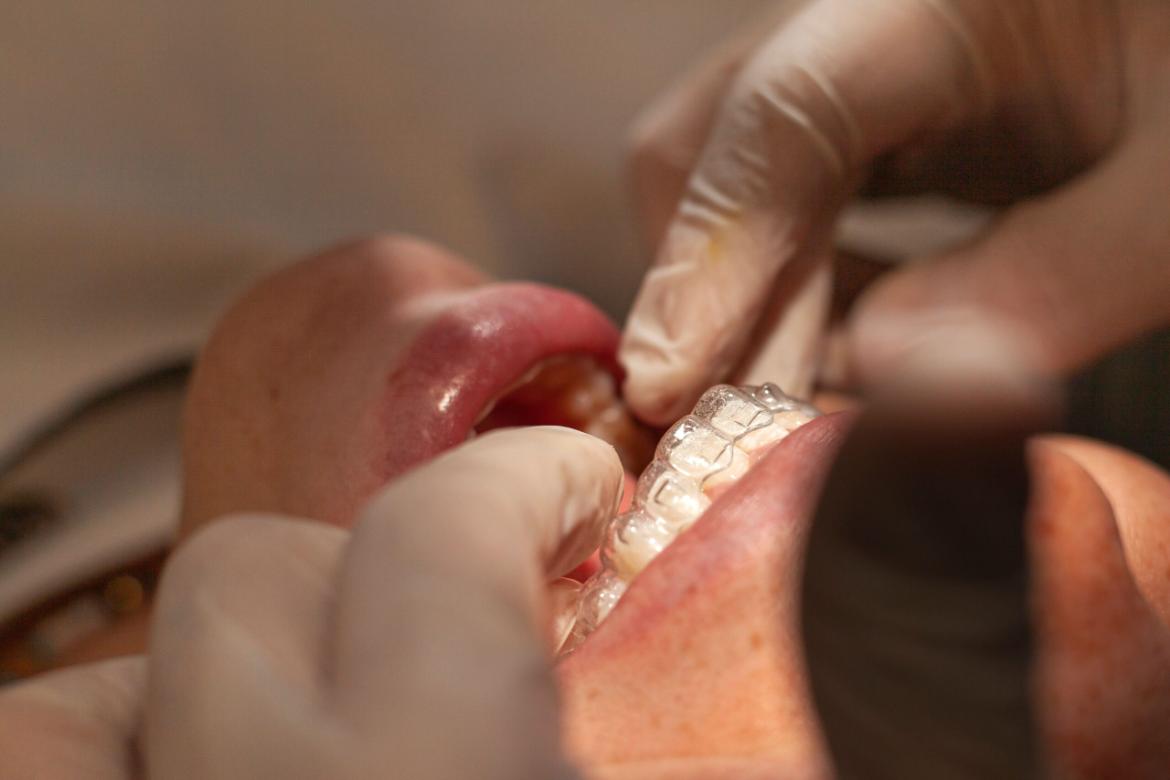
- Night guards or splints: These guards reduce the effects of teeth grinding by protecting your teeth and distributing the force of chewing. Your dentist can custom-make a night guard or splint specifically for you.
- Stress management : Bruxism is often associated with stress or tension. You can try relaxation techniques, meditation, yoga, or breathing exercises to reduce or manage stress. Talking to a psychologist or therapist can also be helpful.
- Physical therapy: Physical therapy may be used to relax the jaw muscles and improve jaw joint function. These include heat applications, massage, muscle relaxation exercises, and electrotherapy.
- Teeth straightening: Bruxism can be caused by misaligned teeth or a bad bite. If these conditions are present, your dentist may recommend orthodontic treatment.
- Medication: In some cases, medications such as muscle relaxants or antidepressants may be prescribed to relieve bruxism symptoms. However, medication is usually a temporary solution and is used in conjunction with other treatments that address the underlying symptoms.
What can be done to prevent bruxism?
Bruxism can cause problems such as jaw muscle pain, tooth wear, headaches, and sleep disturbances. Here are some tips to help prevent bruxism:
- Reducing stress: Stress is one of the most common causes of bruxism. You can try methods like meditation, yoga, breathing exercises, listening to music, hobbies, or counseling to reduce stress.
- Relaxing the jaw muscles: Bruxism can be caused by tension in the jaw muscles. Warm compresses, massage, stretching, or relaxation techniques can be used to loosen the jaw muscles.
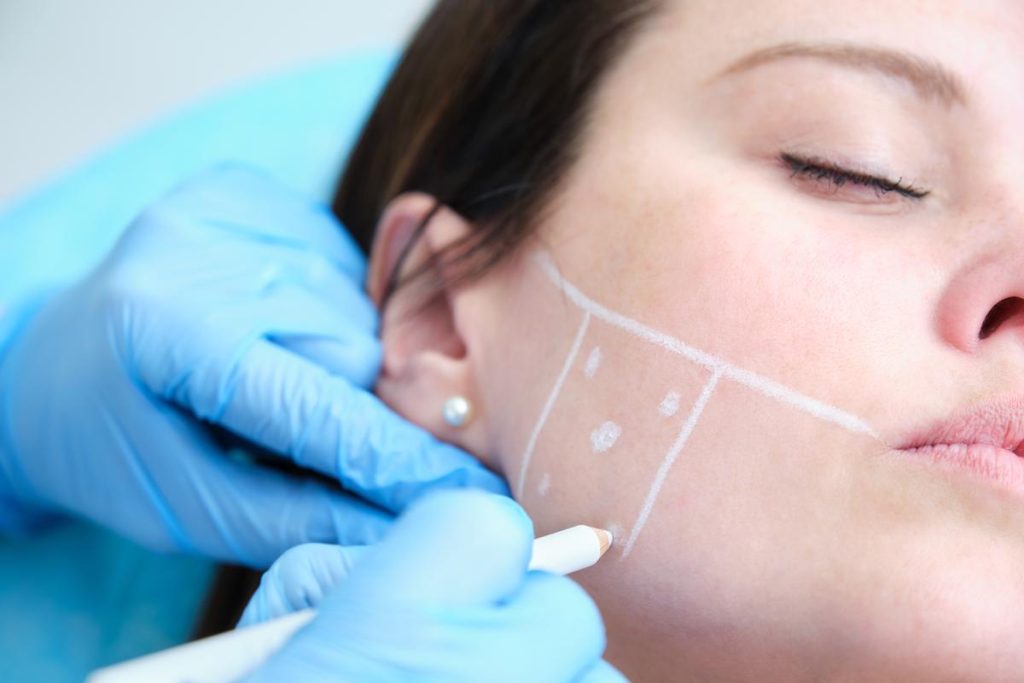
- Seeing a dentist: A dentist can perform an examination and tests to determine the cause and treatment of bruxism. Your dentist may recommend a night guard, Botox injections, medication, or other methods to prevent or reduce bruxism.
- Changing habits: Bruxism can also be affected by habits such as smoking, drinking alcohol, caffeine intake, or gum chewing. Reducing or stopping these habits can help prevent bruxism.
- Relaxing your jaw muscles: You can do exercises to relax the jaw muscles that have become tense as a result of bruxism. For example, open and close your jaw, press your tongue against the roof of your mouth, move your jaw from side to side, or massage it. You can also apply a hot or cold compress.
- Improving sleep quality: Improving sleep quality is important for those who experience bruxism during sleep. Maintain good sleep hygiene, engage in relaxing activities before bed, and ensure your sleep environment is quiet, dark, and comfortable. If you have a sleep disorder like sleep apnea, seek treatment.
Is Bruxism Hereditary?
Bruxism is not generally considered a hereditary condition. However, some research suggests that genetic factors may play a role in the development of bruxism. Individuals with a family history of bruxism are thought to be at higher risk than those without.
Bruxism is a complex condition that can be caused by a combination of factors, including stress, anxiety, sleep disorders, tooth misalignment, jaw abnormalities, or an incorrect bite.
So, bruxism isn't usually a hereditary condition, but genetic predisposition or inherited factors within a family can increase the risk of developing the condition. Therefore, if you have a family history of bruxism, it's important to monitor your symptoms and learn about appropriate treatment options by consulting your dentist or other qualified healthcare professional.
Does Bruxism Go Away on Its Own?
While bruxism can resolve spontaneously in some cases, it can be permanent in others. The duration and severity of bruxism symptoms can vary from person to person. For some people, bruxism may only occur briefly and resolve on its own, while for others, it can be a long-term condition.
Bruxism is often associated with various factors, such as stress, anxiety, sleep disorders, or jaw structure problems. If these factors are addressed or treated, bruxism symptoms may decrease or disappear.
However, in some cases, bruxism can be a chronic condition and require long-term treatment. Your dentist or sleep disorders specialist can evaluate your bruxism symptoms and recommend appropriate treatment methods. Treatment generally aims to alleviate or control symptoms.
