


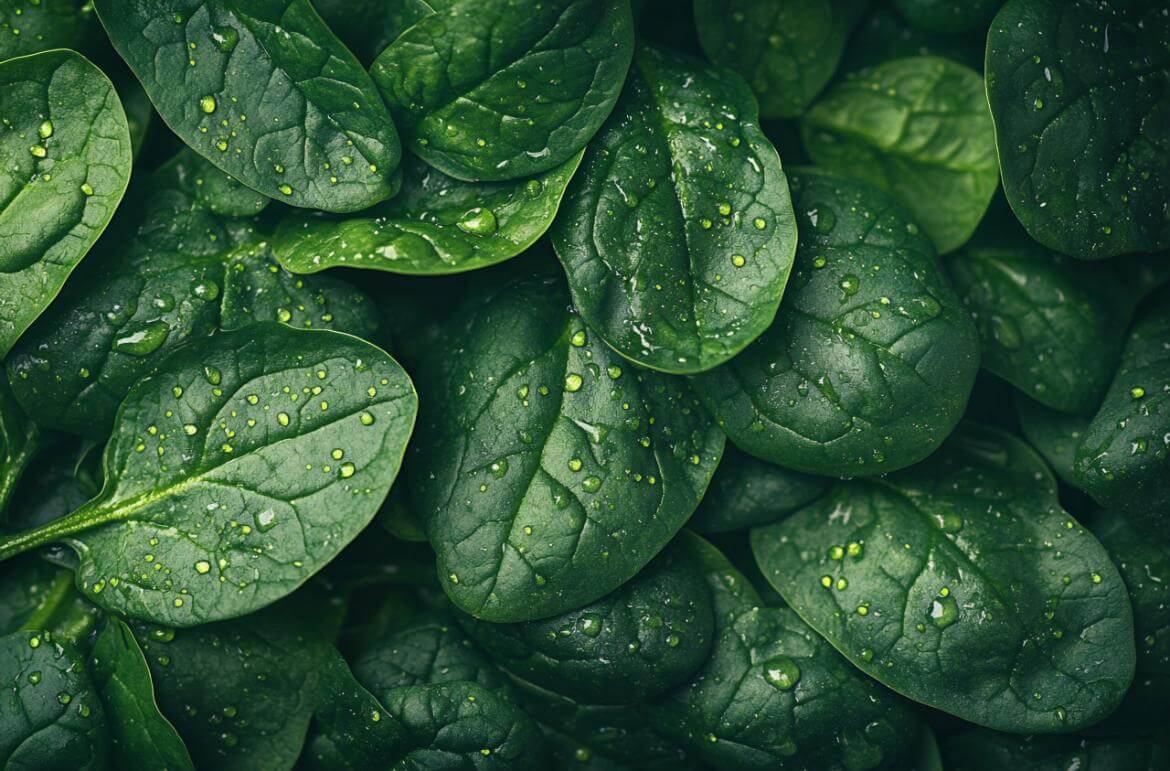
Benefits of Spinach
Spinach holds a prominent position among dark green leafy vegetables. Harvest begins in winter and continues until late spring, when it can be enjoyed fresh. It's also available frozen year-round, making it suitable for consumption in any season.
Spinach has a high nutritional value for healthy individuals, and therefore, it is recommended to include it regularly in their diet. Spinach is notable for its rich vitamin and mineral content. Its botanical components and antioxidants may be effective in combating various diseases.
This healthy vegetable can boost the overall immune system and protect the body against disease. The antioxidants in spinach can reduce cellular damage by fighting free radicals and help improve overall health.
Spinach can be used in salads, stews, or smoothies. It can be enjoyed fresh, or cooked or frozen, and it can be part of a healthy diet.
Calories and nutritional value of spinach
Spinach is one of the most essential winter vegetables. Containing approximately 23 calories per 100 grams, spinach also boasts nutritional properties. For example, 100 grams of spinach contains 2.9 grams of protein, 3.6 grams of carbohydrates, 0.4 grams of sugar, 0.4 grams of fat, and 2.2 grams of fiber. Fiber is a particularly high component of its carbohydrate content.
Like other leafy green vegetables, spinach also contributes significantly to our health by protecting us from disease. However, there are some important points to consider to benefit from these benefits. It's important to consume spinach immediately after preparation, as its nutritional value can decrease over time and it can quickly go rancid. Therefore, if you're using spinach in a dish or other dish, it's important to buy as much as you can consume daily, cook it quickly, and consume it the same day.
If spinach can't be consumed immediately, it should be consumed as soon as possible and stored properly. To maintain its freshness and nutritional value, it should be stored in the refrigerator under appropriate conditions.
Stages of preparing and cooking spinach
It's important to wash spinach carefully before cooking. The roots and leaves may contain traces of soil, so washing is necessary. Washed spinach can be soaked in vinegar water for a while. This can provide a more effective cleaning.
When cooking spinach, remember not to cook it for too long. Prolonged cooking can lead to a loss of vitamins and minerals in spinach. After washing, soak the spinach in vinegar water, then rinse again. Then, immediately shred the spinach. Using a metal knife can cause the spinach to lose its vitamins, so it's best to separate it by hand.
Cook spinach quickly and consume it without waiting too long. Before using it in your dishes or salads, it's important to follow these steps to ensure it stays as fresh and nutritious as possible.
Benefits of spinach
- Nutritional values: Spinach is rich in vitamins C, E, and B, as well as magnesium, iron, and calcium, making it a nutritious vegetable.
- Contribution to eye health: Thanks to its vitamin A content, it has a positive effect on eye health.
- Cardiovascular health: It slows clotting, helps lower high blood pressure and may have a protective effect against cardiovascular diseases.
- Fiber content: Thanks to its high fiber content, it can prevent constipation and support the digestive system.
- Contribution to blood production: It helps the body produce blood and supports blood health with its iron content.
- Protects against cancer: Being rich in antioxidants, it may have a protective effect against cancer.
- Alzheimer's and memory-improving effect: It can reduce the risk of Alzheimer's and strengthen memory with its beta carotene and folic acid content.
- Energy and muscle strengthening: It can provide energy and strengthen muscles in those who consume it regularly.
- Liver cleanse: May contribute to liver health.
- Accelerating metabolism: The magnesium it contains can support metabolism.
- Meeting the need for folic acid during pregnancy: Since it is rich in folic acid, it can meet this need during pregnancy.
- Supports bone health: With its vitamin K content, it can help bone development and reduce the risk of osteoporosis.
- Skin health: May support skin health.
This wide range of spinach benefits can contribute to health when consumed regularly. However, nutritional plans should be tailored to individual needs and overall health.
Differences between raw and cooked spinach
The differences between raw and cooked spinach are quite significant. Contrary to popular belief, raw spinach may offer more benefits than cooked spinach. This is because cooking causes the loss of some nutrients in spinach. Vitamin C, in particular, is sensitive to heat and can be reduced or lost entirely during cooking.
Additionally, prolonged heat treatment can cause the nitrite in spinach to convert to nitrate. Nitrate is a compound that can be harmful to the body when consumed in excessive amounts. This may be more pronounced in cooked spinach, as the amount of nitrate increases with cooking time.
For these reasons, raw spinach may contain more nutrients and antioxidants than cooked spinach. However, consuming spinach in both forms is important for a healthy diet. This way, you can benefit from the nutrients in both forms.
Who should be careful when consuming spinach?
Although spinach is generally a healthy food, some specific conditions and illnesses may limit its consumption. Here are some things to keep in mind:
- Kidney disease: Spinach is high in potassium and purines. Because of these properties, it's important for people with kidney disease to consult their doctor to manage their spinach intake to balance potassium and uric acid levels.
- Ulcerative colitis and Crohn's disease: Due to its high fiber content, it can cause flare-ups in people with these conditions. In this case, it's recommended to consult your doctor about spinach consumption.
- Blood thinner use: Due to its vitamin K content, it can affect blood clotting. It's important for people taking blood thinners to consult their doctor and monitor their intake of vitamin K-containing foods.
- Kidney stones: People with calcium oxalate stones or uric acid stones may need to restrict their consumption of spinach, as it may increase the excretion of components found in some kidney stones.
If you have any health conditions or are taking medication, it would be best to discuss these conditions with your doctor and adjust your consumption in line with their recommendations.
How to eat spinach is beneficial?
Spinach is a nutritious vegetable that offers many health benefits. To take full advantage of its benefits, you can try these methods:
- Consuming spinach raw: You can consume spinach raw in salads or sandwiches. This way, its vitamins and antioxidants are better preserved.
- Cooking methods: You can cook spinach by steaming or lightly sautéing it. This method minimizes nutrient loss.
- Adding spinach to smoothies: By adding spinach to smoothies, you can meet your daily green needs with a healthy drink.
- Spinach recipes: Recipes made with spinach can be quite delicious. Spinach pie, spinach dishes, or dishes made with various vegetables can help you incorporate the benefits of spinach into your meals.
Spinach contains many nutrients, including iron, calcium, and vitamins A, C, and K. Therefore, it's recommended to incorporate it into a healthy diet by consuming it raw or in various recipes. However, if you have any health conditions or are considering starting a new diet, it's best to consult a healthcare professional first.
