


Benefits of Quinoa
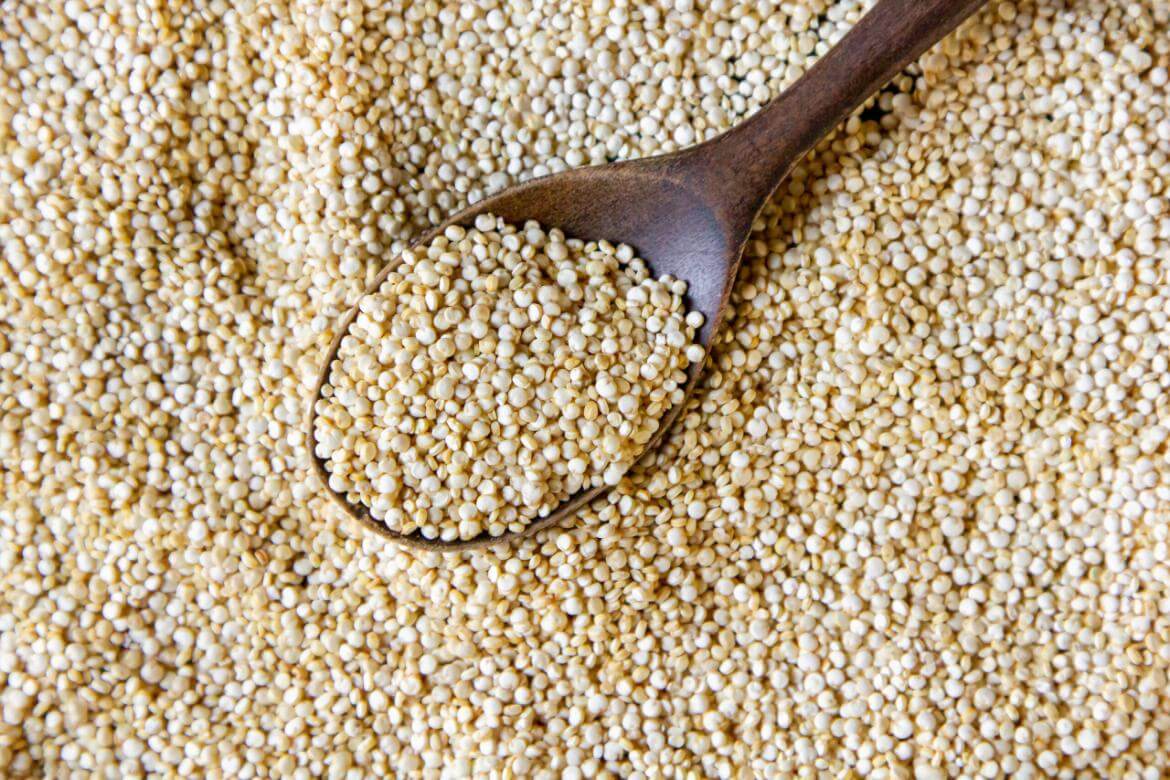
Quinoa, a superfood originating from South America, has rapidly gained popularity worldwide in recent years. It's a key ingredient in healthy eating, especially for vegan and vegetarian diets. Produced from the seeds of the Chenopodium quinoa plant, quinoa is notable for its high protein and fiber content.
Unlike other seeds, quinoa is generally cooked like grains like rice or bulgur. This process preserves its nutritional value while allowing it to be used in delicious and diverse dishes. Furthermore, although quinoa is not a member of the wheat family, its rich nutritional content shares similar properties with whole grains.
Quinoa stands out for its high protein content. It's also a good source of many important nutrients, including folate, magnesium, zinc, and iron. It's also highly beneficial for your health; its fiber content makes it highly filling and, like the benefits of whole grains, may have preventative effects on diseases like coronary heart disease and cancer.
Quinoa varieties include white, red, and black. Each has different uses and nutritional values. White quinoa can be used as a substitute for traditional grains like rice or bulgur. It has a soft texture and is preferred in many dishes.
Black quinoa stands out for its intense flavor and high antioxidant content. Its ability to remain firm even after cooking makes it a popular choice in salads and stews. Like black quinoa, red quinoa retains its firmness after cooking, making it an ideal choice for salads. It also contains more vitamin E than white quinoa, which is beneficial for skin health.
Quinoa is a versatile food that can be used in a wide range of ways and is an important component of a healthy diet.
What is the use of quinoa?
Quinoa is a highly nutritious food known for its various benefits. The benefits of quinoa include:
- High protein content: Unlike other grains like rice or wheat, quinoa contains all eight essential amino acids. This makes it a balanced and nutritious source of protein.
- Fiber content: Quinoa is known for its high fiber content. This makes it a preferred choice in weight-maintenance programs and can help prevent and treat constipation by supporting the digestive system.
- Gluten-free and nutritious: Quinoa is a gluten-free grain alternative, making it a suitable choice for those with celiac disease and gluten sensitivity. It's also a rich source of vitamins and minerals.
- Antioxidant content: Thanks to the antioxidants it contains, quinoa can support the body and have a protective effect against diseases such as cancer and coronary heart disease.
In short, quinoa's diverse nutritional profile may offer numerous health benefits. Its richness in protein, fiber, vitamins, minerals, and antioxidants makes it a key factor in supporting its inclusion in the diet.
What are the benefits of quinoa?
Quinoa stands out as a nutritious food with many health benefits. Quinoa benefits include:
- A complete protein source: Quinoa contains all eight essential amino acids the body needs. It's particularly high in amino acids like lysine and methionine. This makes it a preferred protein source, especially in vegan and vegetarian diets.
- High fiber content: Containing more fiber than other grains, quinoa supports the digestive system, promotes regular bowel movements and may help with weight control by increasing the feeling of fullness.
- Filling and satiating: Thanks to its high fiber and protein content, quinoa keeps you feeling full for a long time when included in a balanced meal. This makes it an ideal choice for weight management programs.
- Rich in vitamins and minerals: Quinoa contains many vitamins, including A, B, C, and K. It's also rich in minerals like magnesium, calcium, phosphorus, zinc, and iron. Thanks to this content, it supports heart health and may reduce the risk of anemia.
- Gluten-free and easily digestible: Gluten-free quinoa is a suitable food for celiac patients and those with gluten sensitivity. It is easily digested and does not cause digestive problems.
- Rich in antioxidants: Quinoa is rich in antioxidants, which may have a delaying effect on aging. It is also thought to have a protective effect against cancer.
- Low fat and glycemic index: It contains little fat and has a low glycemic index. It balances blood sugar and provides a feeling of fullness for a long time.
Quinoa stands out for its various health benefits and nutritional properties and can be an important part of a healthy eating program.
Calories and nutritional value of quinoa?
Quinoa is a food rich in nutrients. Some of the nutrients found in quinoa are:
100 grams of cooked quinoa contains approximately:
- Calories: Approximately 120 kcal
- Carbohydrate: 21.3 grams
- Protein: 4.4 grams
- Fat: 1.92 grams
- Fiber: 2.8 grams
Additionally, quinoa is rich in the following vitamins and minerals:
- Vitamins: A, Thiamine (B1), Riboflavin (B2), Niacin (B3), Vitamin B6, Folic Acid (B9), Vitamin C, Vitamin E (alpha-tocopherol), Vitamin D, Vitamin K (phylloquinone)
- Minerals: Calcium (Ca), Iron (Fe), Magnesium (Mg), Phosphorus (P), Potassium (K), Sodium (Na), Zinc (Zn)
With its rich nutritional profile, quinoa contains many important vitamins and minerals. When combined with other foods, it can contribute to a balanced diet.
How to consume quinoa?
Quinoa is a versatile food, with a variety of cooking methods and uses in a variety of dishes. Here are some suggestions for consuming quinoa:
- Use in salads: Adding cooked and cooled quinoa to salads provides a filling and nutritious meal. Combine it with your favorite vegetables to create healthy and delicious salads.
- Breakfast alternative: Cooked quinoa can be used like porridge. Top it with fruit slices or nuts for a nutritious breakfast option.
- Use in meatballs: Quinoa provides a binding agent in meatballs. It can be used as an ideal base for vegetable meatballs. You can make healthy and satisfying meatballs using cooked quinoa.
- Using it in smoothies and drinks: Adding some quinoa to your smoothies or drinks can make them more nutritious. This will give your drink more protein and boost your energy levels.
- Using it in soups: Add cooked quinoa to your favorite chicken or vegetable soups. This can make your soup more filling and nutritious.
- Rice alternative: Add a fresh flavor to your meals by replacing traditional white rice with quinoa. Pair it with seasonal vegetables for a nutritious and delicious main course.
Quinoa is a versatile ingredient that can be used in a variety of dishes thanks to its versatility in cooking and consumption. With these diverse uses, quinoa can add variety to a healthy diet and help you benefit from its nutritional properties.
Does quinoa help lose weight?
Yes, quinoa can help with weight loss. It can contribute to weight management in many ways:
- Prolonging fullness: Thanks to its high insoluble fiber content, quinoa can increase feelings of fullness. This may result in fewer food cravings and help with portion control.
- Boosting metabolism: The high protein and fiber content can support metabolism. This boost in metabolism can help the body burn more calories.
- Low glycemic index: Quinoa's low glycemic index helps maintain more balanced blood sugar levels, which can help control hunger and prevent sudden hunger pangs.
- Controlled hunger and weight loss: Quinoa can help control hunger by making you feel full. This can help with controlled weight loss.
When considered part of a healthy eating plan, quinoa can contribute to weight management by providing a feeling of fullness while being nutritious and low in calories. However, it won't cause miraculous weight loss on its own; it may be more effective when combined with a balanced diet and an active lifestyle.
How much quinoa should be consumed per day?
It's important to maintain a varied diet and include nutritious foods like quinoa. Generally, recommended intake may vary depending on a person's age, gender, overall health, and other dietary habits.
In general, consuming two servings of quinoa per day (for example, lunch and dinner) two to three times a week is a good option for an adult. A serving is usually about half a cup of cooked quinoa.
Consuming 3-4 tablespoons of quinoa with your meal can be enough to add flavor and additional protein, fiber, and vitamins to your diet. However, personal preferences, your intake of other nutrients, and your body's needs may influence these amounts.
Regularly consuming nutritious foods like quinoa can be part of a healthy lifestyle when creating a balanced diet. Because everyone's needs are different, it may also be helpful to consult a nutrition professional.
Who should not consume quinoa?
While quinoa is generally a healthy and nutritious food, it may need to be consumed with caution in some situations. Here are some situations where quinoa should not be consumed:
- Blood-thinning effect: Quinoa may have natural blood-thinning properties. This may cause problems for people with bleeding disorders. Those with such conditions should consult their doctor before consuming quinoa.
- Saponin and phytic acid content: Quinoa may contain saponin and phytic acid. These substances can interfere with the absorption of some vitamins and minerals. It's important for individuals with vitamin and mineral deficiencies or those taking dietary supplements to exercise caution when consuming quinoa. Individuals with these conditions should consider quinoa consumption in conjunction with a balanced diet and consultation with their doctor.
- Individual allergic reactions: Some people may experience allergic reactions to quinoa. Individuals with a quinoa allergy should avoid quinoa and consider alternative foods after consulting their healthcare professional.
While quinoa is generally a healthy food, it should be consumed with caution in certain circumstances or under specific health conditions. If you have any health concerns or are unsure about your diet, it's important to consult a doctor or nutritionist.
