


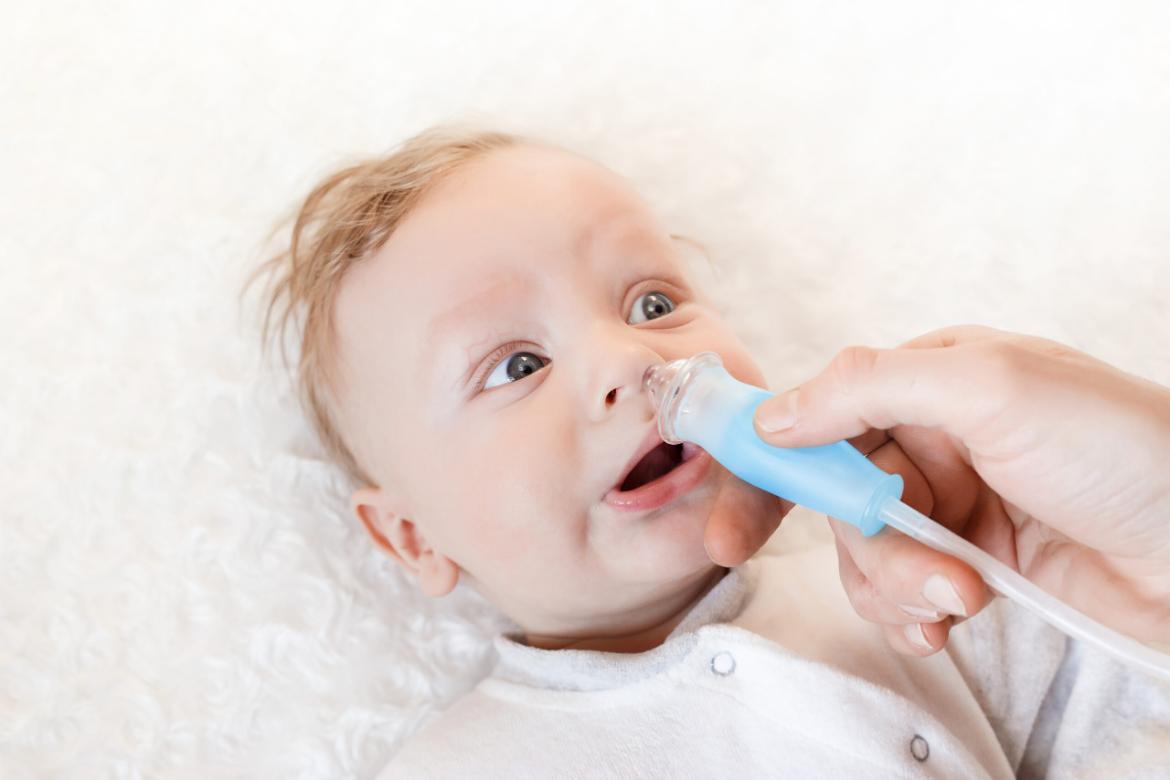
Aspiration
Aspiration is the passage of a liquid, solid, or gas into or through the respiratory tract (trachea and lungs). Normally, the respiratory tract and digestive tract are separate, and these two systems are equipped with special structures to prevent food and liquids from accidentally entering the lungs.
However, in some cases, food, liquid, or foreign objects ingested from a person's mouth or esophagus can enter the respiratory tract. Aspiration typically occurs while breathing or eating. This can cause serious breathing problems and lung infections.
Aspiration symptoms
Aspiration symptoms can vary depending on the severity of the aspiration and the type of material affected. Common aspiration symptoms include:
- Cough: Aspiration of a foreign object or fluid into the respiratory tract can cause a cough. The cough usually occurs suddenly and can be either harsh or dry.
- Shortness of breath: Material entering the lungs as a result of aspiration can block the airways and cause shortness of breath. The person may have difficulty breathing and may exhibit wheezing or rapid breathing.
- Chest pain: Aspiration can cause infection or irritation in the lungs, causing chest pain. The pain may worsen when breathing or coughing.
- High fever: Aspiration can cause a lung infection, which can cause a fever. A high fever occurs when the body fights the infection.
- Paleness or cyanosis: In the event of a severe aspiration event, the airway may become blocked, making it difficult to take in oxygen. In this case, skin paleness or cyanosis may occur.
- Voice changes: Aspiration can cause irritation to the airway, which can cause inflammation or swelling of the vocal cords. A person's voice may change or become hoarse.
- Wheezing: Wheezing can occur when there is a narrowing or blockage in the airway. The breathing sound may be wheezy or whistling.
If a person has symptoms of aspiration, it is important to seek immediate medical attention. Aspiration can be serious and may require treatment.
Causes of aspiration
Aspiration is the passage or escape of a liquid, solid, or gas into the respiratory tract. Aspiration can have various causes, and some common causes are listed below:
- Aspiration of food or liquid: Food and liquids can enter the respiratory tract, often due to inattention while eating or drinking or difficulty swallowing. The elderly are particularly at risk of aspiration due to impaired swallowing or neurological problems.
- Aspiration of stomach contents: Reflux of stomach contents into the respiratory tract can occur, particularly in individuals who are unconscious, under the influence of alcohol or drugs, in individuals with insufficient gastric emptying, or after gastrointestinal surgery.
- Respiratory reflux: In conditions such as gastroesophageal reflux disease (GERD), stomach contents can flow back up into the esophagus and reach the respiratory tract.
- Neurological conditions: Some neurological disorders, particularly conditions such as cerebral palsy, Parkinson's disease, or cerebral palsy, can lead to difficulty swallowing and an increased risk of aspiration.
- Airway obstructions: Conditions that obstruct or narrow the airway, such as tumors, foreign bodies, or edema, may increase the risk of aspiration.
- Loss of consciousness or insufficient consciousness: Conditions such as loss of consciousness, being under anesthesia, use of narcotic drugs, epileptic seizures or head trauma increase the risk of aspiration by causing impairment of swallowing and protective reflexes.
It is important to take precautions for individuals at risk of aspiration. Therefore, attention should be paid to at-risk groups, such as the elderly, those with loss of consciousness, or those experiencing difficulty swallowing, and appropriate precautions should be taken when necessary.
What causes aspiration?
Aspiration is the passage or escape of a liquid, solid, or gas into the respiratory tract. Aspiration can lead to various health problems and complications. Potential consequences of aspiration include:
- Lung infections: Material that enters the respiratory tract through aspiration can cause lung infections. Aspiration of stomach contents, in particular, can cause stomach acid and digestive enzymes to pass into the lungs, causing pneumonia (lung infection). This condition, also known as aspiration pneumonia, is a serious and potentially life-threatening condition.
- Chemical pneumonia : If a chemical substance is aspirated into the respiratory tract, it can damage the lungs and lead to chemical pneumonia. This occurs when airway tissues become irritated and inflamed.
- Allergic reactions: Aspiration of allergens into the respiratory tract can cause allergic reactions and asthma-like symptoms. Such reactions may be more common in individuals who are particularly sensitive to the allergens.
- Airway obstruction: Large or improperly placed foreign objects can obstruct the airway. This requires immediate medical attention and can result in respiratory failure.
- Lung injury: Material entering the lungs as a result of aspiration can cause lung tissue damage. Lung changes such as inflammation, scarring, and fibrosis can occur.
- Respiratory failure : A severe aspiration event can block the airway or damage the lungs, resulting in respiratory failure. Respiratory failure occurs when the body cannot take in enough oxygen and eliminate carbon dioxide.
Complications resulting from aspiration vary depending on the severity of the aspiration and the type of material affected. Prompt and appropriate treatment is crucial, so it's crucial for anyone experiencing symptoms or risk of aspiration to seek immediate medical attention.
What are the complications of aspiration?
Potential complications of aspiration are listed below:
- Aspiration pneumonia
- Abscesses
- Lung abscess
- Chronic bronchitis and asthma
- Respiratory Failure
- foul-smelling phlegm
- Shortness of breath and frequent coughing
How is aspiration diagnosed?
Diagnosis of aspiration can be made through clinical evaluation, careful review of symptoms and history, and the use of several diagnostic tests. Common methods used to diagnose aspiration include:
- History and physical examination: The doctor begins by listening to the symptoms and history. It is important for the patient to describe any signs of aspiration and any past aspiration episodes. The physical examination includes auscultation of breath sounds, chest examination, and assessment of other relevant findings.
- Imaging tests: Imaging of the lungs can help diagnose aspiration. X-rays or computed tomography (CT) scans can show infection, lung damage, or other abnormalities in the lungs.
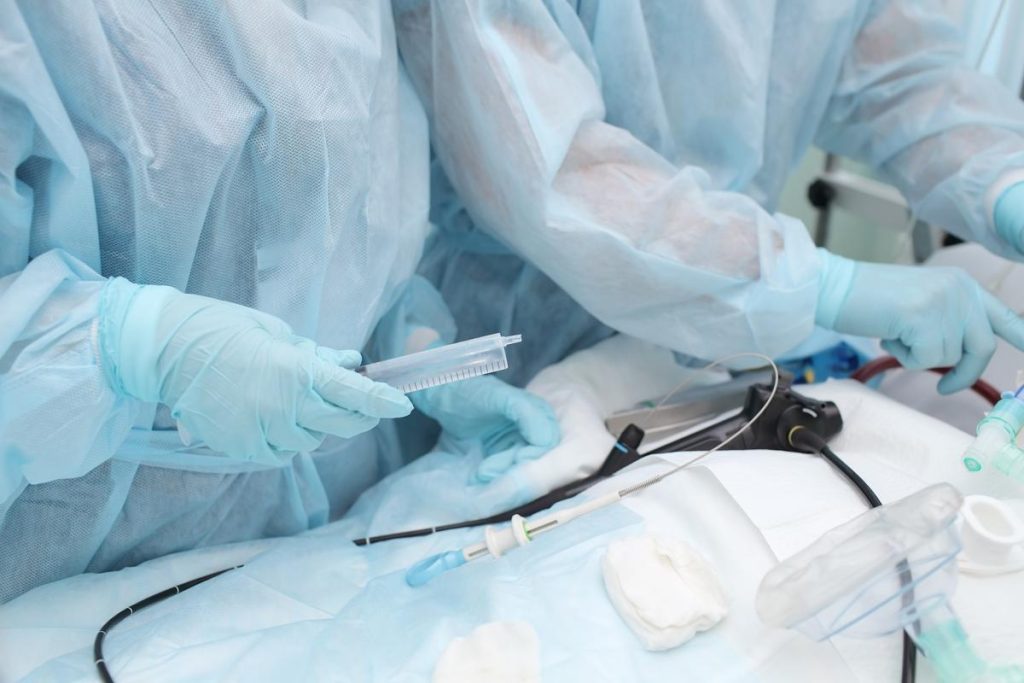
- Bronchoscopy: Bronchoscopy is a procedure used to examine the inside of the airways. A flexible tube (bronchoscope) is inserted into the airways, allowing the doctor to directly view the airways and lungs. Bronchoscopy can evaluate the presence of a blockage or foreign body in the airways as a result of aspiration.
- Respiratory fluid analysis: A sample of sputum or respiratory lavage fluid may be subjected to laboratory testing to diagnose aspiration or assess the presence of infection. These tests may reveal infectious agents or signs of inflammation.
- Blood tests: Blood tests may be done to evaluate for signs of infection or inflammation. Markers such as a blood count, C-reactive protein ( CRP ), and sedimentation rate can indicate the presence of infection or inflammation in the body.
In a patient with suspected aspiration, evaluation of symptoms and use of appropriate diagnostic tests will help establish the correct diagnosis.
Aspiration therapy
- Respiratory tract clearance : Foreign objects or materials that enter the respiratory tract through aspiration should be removed as soon as possible. This procedure is performed immediately after aspiration and aims to keep the airway open and allow airflow. Bronchoscopy or airway suctioning may be used to clear the airway when necessary.
- Antibiotic therapy : In cases of aspiration pneumonia or infection, doctors usually prescribe appropriate antibiotic therapy. Antibiotics provide treatment by killing the bacteria causing the infection. The choice of antibiotic depends on the type of infection and the patient's condition.
- Respiratory support: In cases of severe respiratory failure, the patient may be provided with oxygen therapy or respiratory support. This is done to ensure the patient receives adequate oxygen and supports respiratory functions. Respiratory support may be provided through methods such as an oxygen mask, nasal cannula, ventilators, or mechanical ventilation.
- Hydration: After aspiration, it is important to prevent fluid loss and maintain hydration. Intravenous fluid therapy may be administered if necessary.
- Symptomatic treatment : Symptomatic treatments can be used to relieve symptoms caused by aspiration. Medications such as cough suppressants, antipyretics, or expectorants can help manage symptoms.
- Rehabilitation: After aspiration, rehabilitation programs can be implemented to improve respiratory function, reduce swallowing difficulties, and reduce the risk of aspiration. These programs may be guided by physiotherapists, speech-language pathologists, and dietitians.
Aspiration treatment is individualized based on the patient's condition and the severity of complications. It is important to regularly monitor the patient throughout the treatment process and update the treatment plan as needed. The treatment process for a patient with aspiration is generally managed with a multidisciplinary approach and is monitored by specialized healthcare professionals.
