


Wolff-Parkinson White Syndrome
Wolff-Parkinson-White syndrome is a congenital heart disease that can remain asymptomatic for long periods. Also known as pre-excitation syndrome, this condition involves the development of additional conduction pathways in the heart. These additional pathways can cause the heart to beat faster and, over time, can affect vital functions such as arrhythmias. Furthermore, individuals with the disease may develop additional heart conditions, such as mitral valve prolapse, over time.
Wolff-Parkinson-White syndrome was described in 1930 by three doctors with the surnames White and Wolf-Parkinson. This syndrome is caused by the formation of additional conduction pathways between the atria and ventricles, which enable the heart to pump blood. Over time, these newly formed pathways can become active and cause serious problems.
In some cases, this disease can cause arrhythmias, leading to fainting, and even fatal outcomes such as ventricular fibrillation. Symptoms can often arise due to internal or external triggers, but they may not be evident for many years. This disease, most commonly diagnosed in childhood and adolescence, is generally more common in males.
The worldwide prevalence of Wolff-Parkinson-White syndrome is between 2 and 4 per 1,000 people, making it considered a rare disease. Seventy percent of patients also have other heart conditions, such as cardiomyopathy, mitral valve prolapse, and Epstein anomaly. In 30% of cases, no other heart problems are observed, and the additional conduction pathway may close spontaneously over time.
Wolff Parkinson White Syndrome Symptoms
Symptoms of Wolff-Parkinson-White Syndrome typically begin with palpitations, and patients may not experience significant symptoms until tachycardia occurs. Symptoms of this syndrome can be listed as follows:
- Palpitations: The most noticeable symptom is usually an intense palpitations. This is caused by the depolarization of blood flow being faster than normal. The PR interval is shortened, and the impulses to the ventricles are conducted too quickly.
- Chest pain: Chest pain can occur when tachycardia occurs. This pain can often vary in severity.
- Fatigue and weakness: Especially in situations of intense physical activity, fatigue and weakness may be felt throughout the day.
- Shortness of Breath : A feeling of suffocation and severe shortness of breath may be experienced, especially when associated with an increased heart rate.
- Automatic nervous system reactions: Autonomic nervous system reactions such as sweating, blurred vision, double vision, high blood pressure, dizziness and nausea may be observed due to increased heart rate.
- Fainting symptoms: Fainting can occur frequently in the advanced stages of the disease and in 30% of cases.
- Ventricular fibrillation risk: In rare cases, people with Wolff-Parkinson-White syndrome may develop ventricular fibrillation. This can lead to cardiac arrest.
Interventions such as medication or surgery may often be necessary to manage these symptoms and manage the disease. It is important for patients to seek immediate medical attention if their symptoms are severe.
Wolff Parkinson White Syndrome Treatment
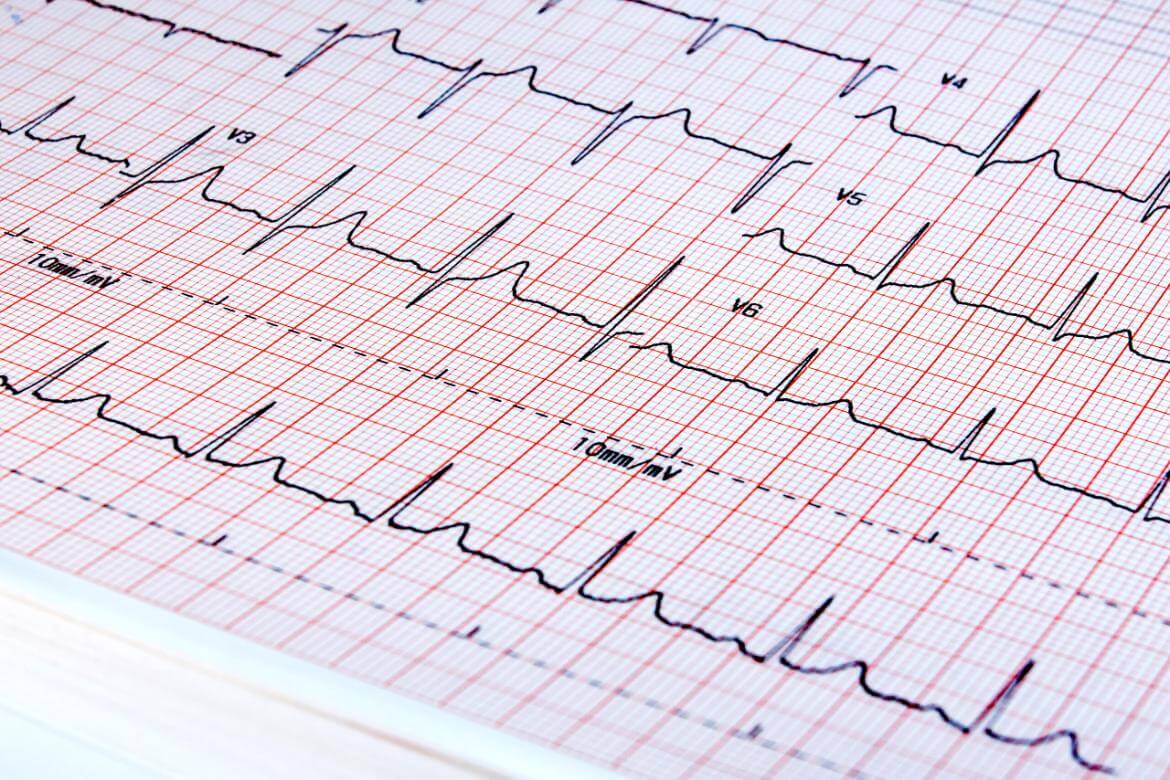
Treatment for Wolff-Parkinson-White (WPW) Syndrome is evaluated by a cardiologist, taking into account the patient's life history, symptoms, and family history. An initial examination, which is crucial, involves assessing the heart rhythm using a stethoscope. An ECG scan provides diagnostic information by examining blood pressure measurements and signs such as delta waves.
The following steps are followed for the treatment of Wolff-Parkinson-White Syndrome:
Observation and medication:
- If the patient's palpitations are low-level and have no symptoms, treatment may not be necessary.
- In cases of severe palpitations, antiarrhythmic medications may be used. However, drug therapy is only effective in certain situations and should be administered under the supervision of a doctor, given the potential for side effects.
Electrophysiological study (EPS):
- When drug therapy is insufficient or inappropriate, an electrophysiological study may be performed. This method identifies an additional pathway in the heart and closes it using radiofrequency energy or cryoablation.
Ablation methods:
- Ablation methods, particularly radiofrequency ablation or cryoablation, are used to control the additional pathway in a patient's heart. Radiofrequency ablation neutralizes the additional pathway by heating it, while cryoablation uses the principle of freezing it using low temperatures.
Options depending on the patient's condition:
- During the ablation procedure, the appropriate method is selected based on the location of the additional pathway and its risk factors. Cryoablation may be preferred in cases where additional pathways are located in critical areas.
- After surgery, patients can usually return to their normal lives in a short time.
Monitoring and controls:
- Regular follow-up and follow-up examinations are important after treatment. In rare cases, the disease can recur, so regular follow-up is important.
Thanks to highly successful treatment methods, patients generally regain their health. However, if treatment is neglected, the risk of sudden death can increase. Wolff-Parkinson-White Syndrome often goes asymptomatic with age, but treatment can improve quality of life and minimize potential risks.
Wolff-Parkinson-White syndrome: Treatment and management approaches
Wolff-Parkinson-White (WPW) Syndrome usually begins in childhood and resolves spontaneously in infancy in most children. However, some children may experience recurrence of symptoms during adolescence. If symptoms become more severe later in life, treatment options may be considered.
The disease is usually observed in childhood and resolves naturally in many children. However, careful monitoring is recommended for cases where symptoms reoccur during adolescence. For individuals whose symptoms worsen later in life, medication may be recommended.
In cases that do not respond to or are not suitable for medical treatment, surgical techniques such as ablation or cryoablation are considered. These surgeries are generally successful and reduce the likelihood of recurrence. If the disease recurs, the ablation procedure can be repeated.
The exact cause of WPW Syndrome is unknown, as it is a syndrome and often no specific cause can be found. If the latent disease is detected early, risk assessment can be performed during adolescence using methods such as exercise stress testing.
The key is to evaluate treatment options appropriate for the individual's symptoms and condition. This may vary depending on the patient's age, severity of symptoms, and response to treatment. Continuous monitoring of the disease and adherence to specialist recommendations are crucial for maintaining an individual's health.
Danger of Wolff-Parkinson-White syndrome: Symptoms and treatment results
In some patients, Wolff-Parkinson-White Syndrome can remain asymptomatic for a lifetime. However, in some patients, symptoms such as dizziness and palpitations can diminish their quality of life, indicating the need for treatment. In cases requiring surgery, the high success rate contributes to the positive outcomes of the treatment process. In very rare cases, if the disease is not diagnosed, serious complications such as sudden heart attack, cardiac arrest, and death can occur.
What will be the outcome if Wolff-Parkinson-White syndrome is not treated?
If Wolff-Parkinson-White (WPW) Syndrome is left untreated, it can lead to serious complications. Possible consequences of going untreated include:
- Tachycardia attacks: WPW syndrome can cause rapid heartbeats, called tachycardia. These attacks can cause the heart to beat much faster than its normal rhythm. This indicates a problem with electrical conduction between the heart chambers.
- Ventricular fibrillation : Although rare, individuals with WPW syndrome may develop ventricular fibrillation. This is an irregular and uncoordinated contraction of the heart chambers. Ventricular fibrillation is a serious heart rhythm disorder that requires immediate medical attention.
- Cardiac arrest: WPW Syndrome can lead to cardiac arrest due to abnormalities in electrical conduction in the heart. This is a life-threatening condition that requires immediate medical attention.
- Risk of sudden death: In very rare cases, individuals with WPW syndrome may have an increased risk of sudden death. This is usually due to ventricular fibrillation or serious heart rhythm disturbances.
- Aggravation of symptoms: Untreated WPW Syndrome can cause symptoms to worsen over time. This can lead to frequent and intense symptoms such as dizziness, fainting, and palpitations.
WPW Syndrome is generally a treatable condition. Treatment options include medications and surgical interventions such as ablation or cryoablation. Therefore, it is important for individuals with symptoms to be evaluated by a cardiologist to determine appropriate treatment options.
