


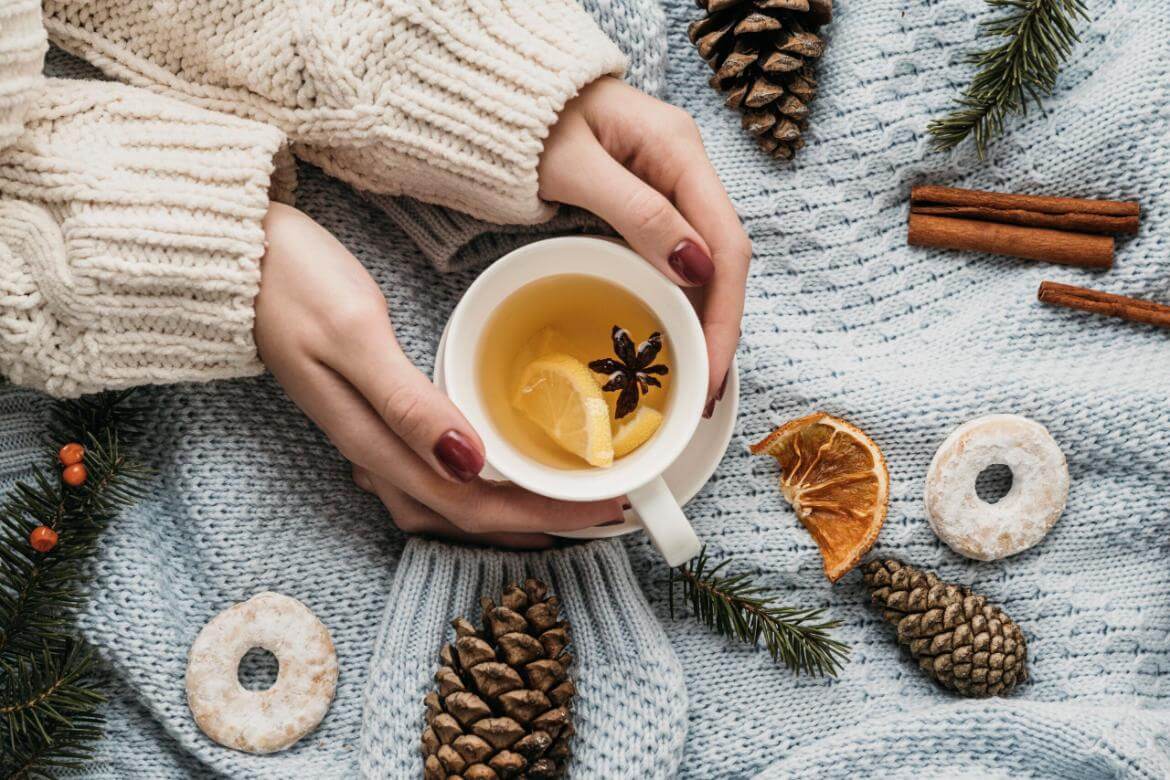
Winter Tea Benefits
Natural winter teas that can be easily prepared at home can protect your body against illnesses such as colds, flu and flu, which increase with the arrival of cold winter months.
The benefits of winter teas can be quite effective against these ailments during the winter season. They offer benefits such as strengthening the immune system, building resistance to illness, and protecting against viral and bacterial infections. Winter teas generally provide these benefits thanks to the various herbs, fruits, and spices they contain. Winter fruits such as orange, apple, lemon, and quince, as well as herbs such as linden, ginger, fennel, mint, cloves, cinnamon, sage, and rosehip, are among the elements that enrich the ingredients of winter teas.
If you'd like to make your own winter tea at home, you can easily find a recipe that suits your taste and make it easy. Alternatively, store-bought winter teas are an alternative. Sweetening your tea with honey instead of sugar can be a more natural and healthy option.
What are the health benefits of winter tea?
The many benefits offered by winter teas strengthen your body's defenses against cold and illness. Here are some of the benefits winter teas can offer:
- Strengthens the immune system: Winter teas support the immune system thanks to the vitamins, antioxidants, and other nutrients they contain. This makes your body more resistant to illness.
- Expectorant effect: Winter teas, especially thanks to the herbs and spices they contain, can have expectorant properties. This can help clear mucus from the respiratory tract.
- Reduces fatigue and provides vitality: Thanks to the energizing ingredients they contain, winter teas can reduce fatigue and increase energy levels by revitalizing the body.
- Calming effect: Winter teas can reduce stress and have a calming effect on people due to the calming properties of the herbs they contain.
- Relieves asthma: The anti-inflammatory properties of some winter teas can ease asthma symptoms and soothe airways.
- Effective against tonsillitis: Winter teas can be effective against tonsillitis that develops as a result of colds, thanks to their antioxidant and antimicrobial properties.
- Strengthens the vocal cords: Some herbal extracts and spices they contain can make winter teas useful for strengthening the vocal cords, especially on cold winter days when it is important to protect your voice.
These benefits may vary depending on the ingredients and composition of winter teas. If you have any health conditions or allergies, it's important to consult a healthcare professional first.
What is the use of winter tea?
The benefits and effects of winter tea, a popular choice during the winter months, can increase bodily resistance in cold weather and lead to a number of positive effects. Here are some of the health benefits winter tea can offer:
- Strengthens the immune system: Winter tea, when consumed in cold weather, strengthens the immune system by increasing body resistance. This provides more effective protection against illness.
- Natural antibiotic effect: Some herbs and spices found in winter tea can have a natural antibiotic effect against sore throats, headaches, and chest pains. They can also protect against colds and respiratory infections.
- It can be good for indigestion and stomach problems: With its special blend, winter tea can provide a soothing effect against indigestion, bloating and stomach problems.
- May help regulate blood pressure: Some of its ingredients may help regulate blood pressure. However, it's important to consult a qualified healthcare professional.
- It can prevent the formation of edema: Winter tea can prevent the formation of edema by helping to remove excess water accumulated in the body, thanks to some of the elements it contains.
It's possible to experience these benefits of winter tea when consumed regularly and in a balanced manner. However, if you have any health concerns, it's important to consult a professional beforehand.
Winter tea consumption and healthy habits
Winter tea is a beverage often consumed to protect against cold weather. However, the ingredients in winter tea can have varying effects depending on the herbs, fruits, and spices used.
Because each winter tea has its own unique benefits and potential harms, it's important to be mindful of the amount consumed. In general, excessive winter tea consumption should be avoided. Consuming 2-3 cups of winter tea per day is generally considered appropriate.
There's no specific time to drink winter tea; it can be enjoyed at any time of day—morning, noon, or evening. However, drinking it, especially in cold weather, can further boost bodily resistance and protect against illness.
It's important to remember that everyone's body type is different, so the effects of winter tea may vary from person to person. For special circumstances, such as health conditions, pregnancy, or breastfeeding, it's important to consult a healthcare professional to determine the appropriate intake.
How to Make Winter Tea at Home?
It's easy to make winter tea at home to protect yourself from illness and provide internal warmth during cold winter days. A simple winter tea recipe:
Materials:
- 1 liter of water
- 2 oranges (sliced with peel)
- 1 apple (sliced with peel)
- 1 lemon (sliced with peel)
- 1 teaspoon of ginger
- 1 teaspoon of cloves
- 2-3 cinnamon sticks
- Optional: honey or sugar
How to make:
- Boil water and pour it into a large teapot or pot.
- Add the sliced orange, apple and lemon.
- Add the ginger grains, cloves, and cinnamon sticks.
- After the ingredients boil in water for about 15 minutes, turn off the stove.
- Let the mixture steep for 5-6 minutes.
- Strain the tea and optionally add honey or sugar to sweeten.
Note: You can adjust the ingredients to your taste. For example, you can add different flavors to your tea by adding mint or sage.
The relationship between winter tea and weight loss
It's difficult to definitively answer the question of whether winter tea has a direct effect on weight loss. Winter teas generally have metabolism-boosting properties, but it's important to note that this doesn't directly impact weight loss.
Drinking winter tea can stimulate metabolism by increasing body temperature, which can increase energy expenditure. However, drinking winter tea alone won't achieve weight loss. Weight loss should be supported by a healthy diet and regular exercise.
Winter teas are thought to contribute to healthy living and weight management. Teas are generally low- or no-calorie beverages, making them a good choice in place of water. However, they should not replace a balanced diet.
Individuals experiencing weight issues should review their nutrition plan with the guidance of a professional and consume beverages like tea accordingly. Herbal teas, especially when consumed in their natural form without added sweeteners, can be a healthy beverage alternative.
Situations and people who should not consume winter tea
The herbs, fruits, and spices in winter tea can vary from person to person, and depending on these ingredients, consuming winter tea may be unsafe for some individuals or situations. Conditions and people who should not consume winter tea:
- Pregnant women: Some plants and fruits may pose risks during pregnancy. Therefore, pregnant women should exercise caution when drinking winter tea and consult a doctor beforehand.
- Women during breastfeeding: Just as during pregnancy, mothers during breastfeeding should check whether the herbs they contain harm the breastfeeding baby and consult their doctor.
- People at risk for allergic reactions: Some plants, fruits, or spices can cause allergic reactions. People with a history of allergies may be sensitive to ingredients found in winter tea.
- Those with chronic conditions: People with chronic conditions and those taking regular medications should consult their doctor when drinking winter tea due to the interactions of the ingredients used.
- Individuals with any special conditions, such as kidney problems, heart problems or digestive disorders, should consult a qualified health professional before consuming winter tea.
Everyone's health condition is different, so it's important to consult a doctor before consuming winter tea.
Winter teas effective against colds
During the cold winter months, many winter teas can be preferred to boost body resistance and protect against colds. Here are some of these teas:
Hibiscus Winter Tea: A popular choice during cold winter days, hibiscus winter tea is known for its immune-boosting properties. It's quite simple to make. Simply add the desired amount of hibiscus to boiling water and boil for 5 minutes. Then, let it steep for 5 minutes. Adding honey to sweeten the tea is optional.
Atomic Winter Tea: Atomic winter tea is known for its benefits against colds, bronchitis, and tonsillitis. It can also be used as a natural pain reliever and can be used to protect against cold weather.
Both teas contain natural ingredients and can be consumed according to personal preferences and health conditions. However, if you have any health concerns or are pregnant, it's important to consult a healthcare professional before consuming the tea.
Winter tea: Should it be drunk on an empty stomach or a full stomach?
Winter tea can be enjoyed in both situations due to its natural herbs and fruit content. However, the recommended time may vary depending on certain circumstances and individual preferences.
Situations when drinking on an empty stomach:
- Satiation effect: Some herbs in winter tea can promote a feeling of fullness. Therefore, those with weight management or weight loss goals can achieve a feeling of fullness by drinking it on an empty stomach before meals.
- Metabolism-boosting effect: Some people may try to speed up their metabolism by drinking winter tea on an empty stomach. However, this effect can vary from person to person.
Situations where drinking it on a full stomach:
- Those with blood pressure problems: Some of the herbs in winter tea are thought to affect blood pressure. Therefore, it may be more appropriate for those with blood pressure problems to drink it on a full stomach.
- Stomach upset: Drinking hot drinks on an empty stomach can cause stomach upset. Those with stomach problems may prefer winter tea after meals, on a full stomach.
Ultimately, whether to drink winter tea on an empty stomach or with a full stomach depends on personal preference and health status. If you have any health concerns or special circumstances, it's always best to consult a healthcare professional.
Winter tea and babies: Expert advice
Whether or not babies should be given winter tea is usually a matter determined by a specialist doctor. In general, it's important to consult a doctor before giving winter tea to a baby. Here are some basic guidelines:
- It should not be given before 6 months: Babies' digestive systems are not yet sufficiently developed before 6 months. Therefore, giving winter tea to babies before 6 months is not recommended.
- A doctor's approval must be obtained: If anything other than breast milk or formula is to be given, a doctor should be consulted. Recommended feeding and beverages for babies are generally determined by the doctor's recommendations.
- Be careful with herbal teas: Winter teas, especially those containing certain herbs, can be harmful to a baby's health. Therefore, special care should be taken when choosing the ingredients of tea given to a baby.
- Sweeteners should not be added: If babies are given tea, sugar, honey, or other sweeteners should not be added. Introducing sugar to babies can be addictive and negatively impact healthy eating habits.
Ultimately, a doctor's recommendations should be the basis for deciding whether to give your baby winter tea. A specialist doctor should assess the baby's health and nutritional needs.
