


What You Need to Know About Anise Tea
Anise Tea
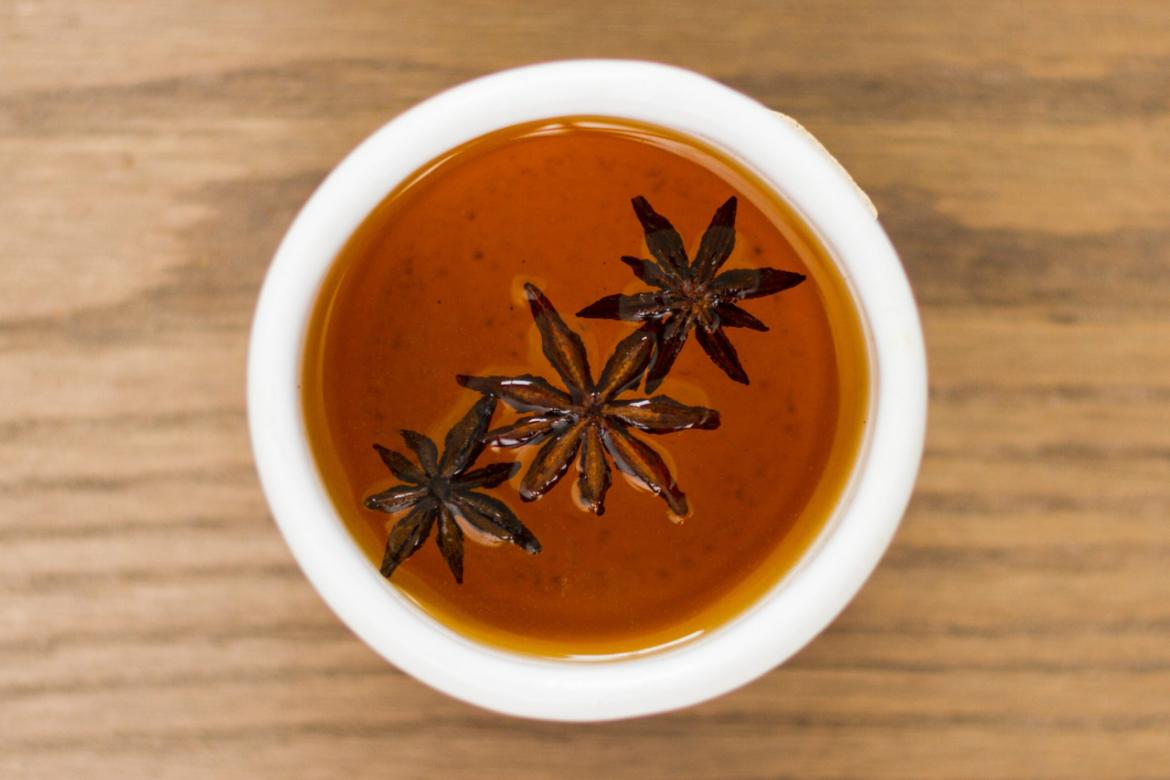
Anise tea is an aromatic beverage prepared by steeping the seeds of the anise plant (Pimpinella anisum) in boiling water. This tea typically offers a pleasant taste and aroma and is consumed as a traditional herbal tea in many cultures. Anise has been used in both culinary and medicinal purposes since ancient times, and is particularly known for its beneficial effects on digestive health.
What are the Benefits of Anise Tea?
Anise tea is an herbal tea known for both its aromatic flavor and health benefits. Key benefits of the tea include:
- Gas and Bloating : Tea soothes the digestive system and can relieve bloating by reducing gas formation.
- Abdominal Cramps : Thanks to its antispasmodic properties, it helps soothe abdominal cramps.
- Appetite Stimulant : It can increase appetite by stimulating the digestive system.
- Cough and Throat Disorders : Anise tea soothes the throat and can help relieve cough.
- Antiseptic Properties : May contribute to the healing of infections in the respiratory tract.
- Stress Reduction : The relaxing effect of anise can reduce stress and anxiety.
- Good for Insomnia : When consumed before going to bed at night, it can improve the quality of sleep thanks to its sedative properties.
- Sensory Relief : It can act as a relaxing drink for individuals with sensory sensitivities.
- Strengthens Immunity : Tea contains various compounds that help strengthen the immune system, thus providing protection against infections.
- Skin Soothing : The antiseptic and anti-inflammatory properties of tea can help treat skin conditions.
Anise tea is a natural beverage that offers many health benefits. However, to reap these benefits, it's important to consume it alongside a balanced diet and a healthy lifestyle. If you have any health concerns or special conditions, it's recommended to consult a healthcare professional before using the tea.
How to Make Anise Tea?
Making the tea is quite easy. Step-by-step tea recipe:
Materials
- 1-2 teaspoons of anise seeds
- 1 cup boiling water
- (Optional) Honey or lemon
Preparation Steps: Prepare the Anise Seeds :
Add 1-2 teaspoons of anise seeds to a teapot or teapot. Lightly crushing the anise seeds can enhance their flavor.
Add Boiling Water :
Pour 1 cup of boiling water over it. The water should be hot, but it can cool slightly before adding it directly.
Brewing Time :
Let the tea steep for 5-10 minutes. The steeping time may vary depending on how intense the anise flavor is desired.
Filtering :
After brewing, strain the tea and pour it into the cup.
Service :
Optionally, you can add honey or lemon to sweeten.
Notes
- The most common way to drink tea is hot, but you can also chill it and drink it with ice.
- If you wish, you can obtain different flavors by mixing other herbs (for example, mint or sage) into the tea.
You can prepare a delicious and healthy anise tea with this easy recipe!
Can Anise Tea Be Given to Babies?
Anise tea is not recommended for infants. Babies' digestive systems are still developing, and some herbal teas may cause allergic reactions or digestive issues. In some cases, anise may have adverse effects on individuals with sensory sensitivities.
Reasons Why Anise Tea Should Not Be Given to Babies:
- Digestive System : Babies' digestive systems are very sensitive to new foods and drinks.
- Allergic Reactions : Anise may cause allergic reactions in some individuals.
- Side Effects : Due to the estrogenic effects of anise, it creates negative effects on hormone balances.
Alternatives
Safe methods for soothing babies or relieving digestive issues include breast milk, formula, or other herbal solutions recommended by a doctor. If your baby has any digestive issues or fussiness, it's important to consult a pediatrician.
Does Anise Tea Help You Lose Weight?
When asked if anise tea helps with weight loss, it's a good idea to mention the Omega-3 fatty acids found in the anise plant. Omega-3 fatty acids can help you eat less by making you feel full. Furthermore, their fat-burning properties can accelerate weight loss.
For healthy weight loss, you should pay attention to the way and amount of anise plant you consume, follow your healthy diet program, and do not neglect your physical activities.
Does Anise Contain Alcohol?
The anise plant and its seeds do not naturally contain alcohol. However, anise is used as a flavoring in some alcoholic beverages. In particular, anise oil and anise flavoring are widely used in the production of alcoholic beverages such as liqueurs. These beverages contain anise extracts to achieve the characteristic flavor and aroma of anise. Therefore, while pure anise seeds or anise tea are alcohol-free, some alcoholic beverages containing anise may contain alcohol.
Is Anise Tea Harmful?
While anise tea is generally considered safe, there are some side effects and risks that require caution. Possible harmful effects of the tea and things to consider:
- Sensitization : Some individuals may have an allergic reaction to anise. Symptoms such as skin rash, itching, or shortness of breath may occur.
- Estrogenic Properties : Anise contains estrogen-like compounds. Therefore, caution is recommended for individuals with hormone imbalances or hormone-related health issues.
- Use During Pregnancy : Anise tea is not recommended during pregnancy, as it can trigger uterine contractions in some cases.
- Breastfeeding : It is important for breastfeeding mothers to consult their doctors before using aloe vera tea.
- Use in Babies : Giving anise tea to babies is generally not recommended. Their digestive systems are sensitive, and anise can have adverse effects.
- Sensory Reactions : In some people, anise may cause digestive problems or headaches.
While anise tea is a safe beverage for most people, the factors mentioned above should be taken into consideration. If you have any health issues, allergies, or special circumstances, it's important to consult a healthcare professional before consuming the tea. It's also always recommended to consume it in moderation and avoid excessive consumption.
