


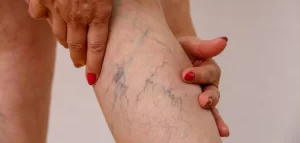
What is Varicose Vein Surgery?
Varicose veins can occur when valves within blood vessels become weakened or damaged. These valves allow blood to flow in one direction, making it easier for the heart to pump blood upwards through the legs. However, if the valves are damaged, blood can backflow, causing the veins to swell and cause varicose veins.
While varicose veins are generally considered an aesthetic concern, they can also cause symptoms such as pain, restless legs syndrome, and skin problems. Treatment options include elevating the legs, wearing tight stockings, laser therapy, sclerotherapy, and surgery. Varicose veins can cause problems that affect many people's daily lives. These problems can be listed as follows:
- Pain in the legs
- A feeling of tingling and numbness in the legs, especially at night
- Edema, swelling and itching in the legs
- Thickening and color changes in skin structure
- Feeling of intense pain in the legs after long periods of walking and sitting
- Feeling of getting tired easily
Who Needs Varicose Vein Surgery?
Varicose vein surgery is especially necessary in the following cases:
- Pain and discomfort: Varicose veins can cause discomfort such as pain, heaviness, burning, and restless legs syndrome, which can significantly impact quality of life. These symptoms may require surgery if they persist or are not relieved by other treatments.
- Skin problems: Varicose veins can cause skin problems such as skin discoloration, itching, swelling, and ulcers. These can occur if varicose veins are left untreated or inadequately treated.
- Bleeding: Although very rare, bleeding caused by varicose veins can be life-threatening. In these cases, emergency intervention may be necessary.
- Aesthetic concerns: While varicose veins are often viewed as purely an aesthetic concern, they can cause significant loss of self-confidence for some people. In these cases, surgery may be necessary for aesthetic reasons as well.
Varicose vein surgery is performed when other treatments are ineffective or unsuitable. Treatment options include medication, compression stockings, laser therapy, and sclerotherapy. However, depending on factors such as the size and location of the varicose veins, surgery may be a more effective option.
Risks of varicose vein surgery include bleeding, infection, anesthesia complications, and vein damage. However, these risks are generally low, and the benefits of surgery outweigh the risks. It's important to discuss the risks and benefits with your doctor before surgery.
How is Varicose Vein Surgery Performed?
Varicose vein surgery involves making small incisions in the groin or ankle, depending on the location of the varicose vein. The vein is located, the ends of the vein are ligated, and the vein is then comfortably removed using specialized techniques. Varicose vein surgery is a surgical procedure used to treat varicose veins. This procedure is generally performed when medication or other treatments are inadequate.
Varicose vein surgery is performed to remove or close varicose veins. This procedure is usually performed under local anesthesia and can take several hours. During the surgery, the surgeon can remove the enlarged veins or use a suitable technique to close them. Currently, the most commonly preferred method for surgical treatment of varicose veins is open surgery and stripping . This procedure is performed in a sterile operating room. Before the procedure, the patient is given general anesthesia. Afterward, the patient is positioned appropriately, and a sterile wire called a stripper is inserted into the varicose vein from the groin and into the leg. Using the specially designed stripper wire, the varicose vein is pulled from one end to the other, removing all the varicose tissue.
Varicose vein surgery generally has a high success rate and rarely requires repeat procedures. The most common methods used for varicose vein surgery include:
- Phlebectomy: This procedure involves removing varicose veins. The surgeon removes the enlarged veins by cutting them open with a notch.
- Sclerotherapy: This procedure involves injecting a medication into a vein to seal it. This procedure is suitable for smaller varicose veins.
- Endovenous ablation: In this procedure, a catheter is inserted into a dilated vein and the vein is closed using high-energy laser or radio waves.
The advantages of varicose vein surgery include its long-term effectiveness and minimal side effects. However, as with any surgical procedure, there are risks. These include bleeding, infection, vascular damage, skin discoloration, and pain.
Varicose vein surgery is an effective treatment option for severe varicose veins. However, it's essential to consult with a doctor before proceeding to discuss the risks and benefits. It's also important to follow your doctor's instructions and receive regular follow-up care after surgery.
Most Frequently Asked Questions
Is varicose vein surgery a difficult operation? Is it dangerous?
Varicose vein surgery is a treatment option that usually requires surgical intervention. Varicose veins are the result of enlarged and deformed veins, typically occurring in the legs and feet. The difficulty and risks of surgery can vary depending on the condition, size, and extent of the varicose veins.
Varicose vein surgery is usually performed under local anesthesia, and patients are usually discharged the same day. Therefore, it is considered less risky than general anesthesia. However, every surgery carries risks, and some potential risks may include:
- Infection: Like any surgery, varicose vein surgery carries a risk of infection. To prevent post-operative infection, it's important to maintain hygiene and follow your doctor's recommendations.
- Bleeding: There is a risk of bleeding during or after varicose vein surgery. Therefore, to reduce the risk of bleeding, limit postoperative activities and follow your doctor's instructions.
- Wound healing problems: Post-operative wound healing problems can sometimes occur, such as delayed wound healing or wound dehiscence. To prevent this, careful attention should be paid to wound cleansing and care after surgery.
- Recurrence of varicose veins: It's possible for varicose veins to reoccur after surgery. To prevent this, it's important to use compression stockings or bandages and make lifestyle changes as recommended by your doctor.
While varicose vein surgery is generally a safe procedure, like any surgery, it has potential risks and complications. Therefore, when considering varicose vein surgery, it's important to thoroughly discuss the risks and benefits with your doctor.
What happens if surgery is not performed?
Varicose vein surgery is typically performed to relieve symptoms, improve aesthetic appearance, and prevent potential complications. However, if varicose vein surgery is not performed, the following adverse effects may occur:
- Worsening of symptoms: Varicose veins can often cause symptoms such as pain, heaviness, burning, itching, cramping, and swelling. These symptoms can worsen and become more bothersome over time. Without varicose vein surgery, symptoms may persist or worsen.
- Venous ulcers : As varicose veins progress, the veins in the legs can weaken further, causing open sores on the skin called venous ulcers. These sores are often difficult to heal and carry a risk of infection.
- Skin pigmentation and changes: Varicose veins can cause skin discoloration and pigmentation. Brown or blue spots may appear on the skin.
- Thrombophlebitis: Blood clots (thrombi) can form in varicose veins. This condition is called thrombophlebitis and is associated with significant pain, swelling, and the risk of infection. If left untreated, the blood clots can grow larger and develop into a serious condition called deep vein thrombosis (DVT).
Treatment options such as varicose vein surgery are important to prevent the progression of varicose veins and prevent potential complications.
How much does varicose vein surgery cost?
Varicose vein surgery options include sclerotherapy, laser or radiofrequency ablation, and phlebectomy (vein removal). The cost of each type of surgery can vary. Because the cost of varicose vein surgery can vary depending on the type of surgery and other factors, it's difficult to provide a definitive price. Therefore, it's best to visit our hospital and contact your doctor to learn more about the cost.
