


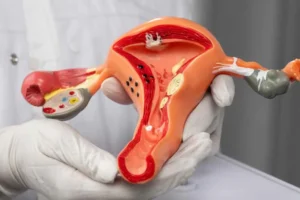
What is Vaginal Tightening Surgery?
Vaginal tightening surgery , also known medically as vaginoplasty or vaginal aesthetic surgery, is performed by reshaping and tightening the vaginal muscles, perineum, and other tissues in the vaginal area that have become loose for various reasons. The primary goal is to correct any stretched or loosened vaginal walls and muscles.
Women may consider vaginal tightening surgery if they experience physical discomfort in the vaginal area or experience discomfort during sexual intercourse . These conditions can occur for reasons such as postpartum tissue loosening, aging, or genetic factors.
Vaginal tightening surgery can provide aesthetic and functional benefits, boosting women's self-confidence and positively impacting their sex lives. However, before considering this type of surgery, it's important for women to consult with a qualified plastic surgeon or gynecologist and understand the potential risks and consequences.
Like any surgery, vaginal tightening carries risks. Therefore, it is important for patients to have informed and realistic expectations about the surgical procedure, recovery, and results.
Why is Vaginal Tightening Surgery Performed?
Vaginal tightening surgery , also known medically as "vaginoplasty" or "vaginal reshaping," is a surgical procedure typically performed to correct aesthetic or functional issues in the vaginal area. The main reasons for this surgery are:
- Postpartum laxity: Pregnancy and childbirth can cause the vaginal muscles and tissues to loosen. This can cause discomfort during sexual intercourse and daily activities. Vaginal tightening surgery may be an option to tighten these loosened tissues.
- Sexual dysfunction: Vaginal loosening or expansion can lead to decreased sexual satisfaction or pain. This can lead to sexual dysfunction and cause problems in the relationship between couples. Vaginal tightening surgery can be performed to improve sensation and satisfaction during intercourse.
- Post-traumatic healing: Traumatic injuries or surgical procedures in the vaginal area can cause changes in the structure of the vagina. Vaginal tightening surgery can be used to correct this tissue damage and promote healing.
- Body appearance and self-confidence: Some women may be dissatisfied with their bodies due to enlargement or structural changes in the vaginal area. Vaginal tightening surgery may be an option to address these aesthetic concerns and boost self-confidence.
The risks and outcomes of surgery can vary depending on the surgical technique and the patient's individual circumstances. Therefore, women considering vaginal tightening surgery should have a thorough evaluation and consultation with a plastic surgeon to learn about the potential benefits and risks.
How is Vaginal Tightening Surgery Performed?
Vaginal tightening surgery is a surgical procedure performed to tighten the tissues in the vaginal area. The procedure itself can vary depending on the surgical technique and the doctor's preference. However, the following steps are commonly used in vaginal tightening surgery:
- Anesthesia: The surgery is usually performed under general anesthesia, so the patient is unconscious and does not feel pain or discomfort during the surgery.
- Incision: Vaginal tightening begins with an incision made inside the vaginal opening. This incision is used to reshape and tighten the vaginal walls.
- Tissue removal: The surgeon removes some of the loosened vaginal tissue. This is the key step in correcting vaginal dilation and laxity.
- Stitching: Incisions in the vaginal walls are closed with stitches. These stitches help bring the tissues together more tightly and securely.
- Stitch removal: After surgery, stitches are removed after a certain period of time. Stitch removal usually occurs during the healing process.
After surgery, the patient's recovery is monitored and, if necessary, guided by specific recommendations. Recovery time varies from person to person, but a return to normal activities is generally possible within a few weeks.
Vaginal tightening surgery is a preferred procedure for improving sexual function and quality of life. However, like any surgery, it carries risks and complications. Therefore, women considering this type of surgery should have a thorough evaluation with a plastic surgeon, obtain full information about the potential benefits and risks of the surgery, and ask all their questions before making a decision.
How Long Does Vaginal Tightening Surgery Take?
The duration of vaginal tightening surgery can vary depending on the complexity of the procedure and the surgical techniques used. Vaginal tightening surgery typically takes between 1 and 2 hours.
Some factors that may affect the duration of surgery include:
- Surgical technique: The surgical technique used is crucial. Different surgical methods can affect the duration of the surgery.
- Surgical complications: Unexpected situations and complications that may arise during surgery may prolong the duration of the surgery.
- Patient condition: The condition of the patient's vaginal tissues and anatomy can also affect surgery time. Cases requiring further correction or revision may increase the time.
- Surgeon experience: The surgeon's experience can affect the length of the surgery. More experienced surgeons can generally complete the procedure faster and more effectively.
The duration of surgery is determined by the surgeon and is determined by each patient's individual condition.
What Should You Consider Before Vaginal Tightening Surgery?
There are several important points that a woman considering vaginal tightening surgery should consider beforehand. These steps are crucial for a successful surgery and a positive recovery. Things to consider before vaginal tightening surgery :
- Choosing a good surgeon: The success of the surgery and the risk of complications depend on the experience and expertise of the surgeon chosen. Therefore, research the surgeon's background, check their certifications, and experience. Ensure your surgeon is a qualified plastic surgeon.
- Detailed consultation: Be sure to have a detailed consultation with your surgeon before surgery. Learn about the procedure, expected results, recovery time, and potential risks. Also, be open about your medical history and current health so the surgeon can assess your suitability.
- Health Assessment : Before surgery, it's important to inform your surgeon of your general health. Inform them about any chronic illnesses, allergies, medications, and previous surgeries. Your surgeon can perform the necessary medical tests to assess your suitability for surgery.
- Smoking and alcohol use: Smoking and drinking alcohol can increase the risk of surgery and negatively impact healing. If possible, quit smoking and drinking before surgery.
- Medications and supplements: Inform your surgeon about any blood-thinning medications, such as aspirin, and certain herbal supplements you're taking before surgery. These medications and supplements can increase bleeding during surgery, so it's important to follow your surgeon's instructions.
- Preparation Period: Follow all preparation procedures recommended by your surgeon. Schedule your food and fluid intake appropriately before surgery. Follow your surgeon's instructions exactly.
- Provide support: Arrange for someone to help you during the post-operative period. It's important to focus on rest and recovery for the first few days after surgery.
- Clearly define your expectations: Before surgery, clearly communicate your expectations to your surgeon. This will help you achieve more satisfactory postoperative results.
Paying attention to all these pre-operative steps will help ensure a successful surgery and a smooth recovery. Following your surgeon's recommendations and carefully monitoring the surgical process will ensure successful outcomes.
What Should You Pay Attention to After Vaginal Tightening Surgery?
After vaginal tightening surgery , there are important steps to follow for a successful recovery. To ensure a comfortable and healthy recovery, it's important to pay attention to the following:
- Follow your doctor's instructions: After surgery, follow your surgeon's instructions exactly. Take medications regularly, change any recommended bandages or dressings, and care for your stitches.
- Get enough rest: Get adequate rest after surgery to allow your body to heal. Avoid strenuous physical activity and rest for the duration recommended by your surgeon.
- Hygiene: After surgery, be careful to clean the vaginal area. When showering, be careful not to damage the stitches and cleanse as recommended by your surgeon.
- Urinary issues: You may experience burning or pain when urinating after surgery. This is normal. However, if you experience signs of a urinary tract infection (fever, frequent urination, blood in the urine), contact your surgeon immediately.
- Sexual intercourse: Get your surgeon's approval before engaging in sexual intercourse. It's generally recommended to abstain from sexual intercourse for a certain period after surgery.
- Don't neglect your checkups: Attend your surgeon's scheduled follow-up appointments regularly. These checkups will monitor your healing progress and provide interventions as needed.
- Recovery and Symptoms: Mild pain, swelling, and bruising are normal after surgery. However, if you experience severe or increasing pain, excessive bleeding, or signs of infection, notify your surgeon immediately.
- Nutrition: Make sure to eat a healthy diet and drink enough water after surgery. This will support your recovery.
- Smoking and drinking alcohol: Smoking and drinking alcohol can negatively impact your recovery. Avoid these habits if possible.
It's important to inform your surgeon of any post-operative issues or concerns. Your surgeon will provide you with more information about your recovery. Taking your recovery seriously and following your doctor's recommendations will help ensure a successful and satisfying outcome.
Who Cannot Have Vaginal Tightening Surgery?
Vaginal tightening surgery may not be suitable for every woman, and in some cases, it is not recommended. Below are some situations and contraindications where vaginal tightening surgery should not be performed:
- Pregnancy: Vaginal tightening surgery is not performed during pregnancy. This surgery should be planned before or after pregnancy.
- Fertility plan: In women planning to become pregnant, it may be recommended to postpone the surgery as it may negatively affect fertility.
- Active infections: Women with active infections, such as vaginal or urinary tract infections, need to have the infection treated before surgery.
- Severe chronic illnesses: Surgery may be risky for women with chronic health conditions such as severe heart, lung, kidney, or liver disease. In these cases, the risks should be evaluated with the surgeon and hospital team.
- Bleeding disorders: Women with bleeding disorders have an increased risk of surgery and a higher risk of postoperative complications.
- Active cancer: Vaginal tightening surgery is not performed in cases of vaginal cancer or active cancer in the pelvic area . It can be considered after cancer treatment is completed, with your surgeon's approval.
- Psychological problems: Surgery can be risky for women with serious psychological problems. It is important to be mentally stable and prepared to be a candidate for surgery.
- Severe obesity: Severe obesity may increase the risk of surgery. The feasibility of surgery should be evaluated based on the patient's level of obesity and overall health.
Every patient is an individual, and a personalized evaluation is necessary to determine their suitability for surgery. Therefore, women considering vaginal tightening surgery should consult with an experienced plastic surgeon to assess the suitability of the procedure based on their individual circumstances. Your surgeon will perform the necessary tests and examinations to determine your suitability for surgery.
Frequently Asked Questions
Are Vaginal Tightening Exercises Helpful?
Exercises can be beneficial for strengthening and toning the pelvic floor muscles before or after vaginal tightening surgery . Pelvic floor muscles are the muscles located around the vagina and serve important functions, such as continence of urine and stool and support of sexual function. Strengthening these muscles supports the health and functionality of the vaginal area.
Vaginal tightening exercises, also known as Kegel exercises, are simple muscle contractions and relaxations that strengthen and tighten the pelvic floor muscles. These exercises can help prevent vaginal dilation, support sexual function, and reduce pelvic floor issues like urinary incontinence.
Can Women Who Have Never Given Birth Have Vaginal Tightening Surgery?
Yes, nulliparous women can undergo vaginal tightening surgery . Vaginal tightening surgery can be used to correct postpartum loosening and expansion, as well as to correct vaginal aesthetic and functional issues in nulliparous women.
Nulliparous women may experience conditions such as congenital vaginal laxity, sexual dysfunction, vaginal permeability issues, or sagging vaginal walls. These conditions can negatively impact a woman's sexual life and quality of life. Vaginal tightening surgery can be used to correct these conditions and tighten the vagina.
Every woman's anatomy and condition are different, so it's important to consult a plastic surgeon before undergoing vaginal tightening surgery. The surgeon will assess your individual needs and the suitability of the procedure, and then develop the most appropriate treatment plan.
Vaginal Tightening Surgery Exercises
Post-operative vaginal tightening exercises are performed to strengthen the vaginal muscles and allow them to contract more effectively. Stronger vaginal muscles also increase sexual pleasure. Kegel exercises involve tightening the muscles in the genital area for 3 seconds and then relaxing them for 5 to 10 seconds. The number of times per day depends on the doctor's recommendations.
Is Vaginal Tightening Surgery Permanent?
Vaginal tightening surgery provides permanent tightening of the vagina.
Who can have Vaginal Tightening Surgery?
Any woman over the age of 18 who has a stretched vaginal area can undergo vaginal tightening surgery . Symptoms of a stretched vagina include loss of sensation and pleasure during intercourse, and the release of air from the vagina, similar to gas.
Who Cannot Have Vaginal Tightening Surgery?
It is not performed in women with irregular bleeding problems, in the presence of genital infections, in chronic and serious diseases, in obesity and other serious mental illnesses.
What is Non-Surgical Vaginal Tightening / Vaginal Tightening Laser Treatment?
Laser vaginal tightening is a procedure that takes between 30 minutes and an hour and is usually performed under local anesthesia. The laser beam heats the vaginal tissue, causing changes in the tissue and tightening. Recovery is much faster, but it may not be as effective as surgery.
Is it possible to have a normal birth after vaginoplasty?
Vaginoplasty does not prevent normal childbirth.
Cesarean Section After Vaginal Tightening Surgery?
Vaginal tightening surgery does not pose a risk for cesarean delivery.
Can It Be Understood That Vaginal Tightening Surgery Has Been Undergone?
It is completely unnoticeable as there will be no scars left after a few months of the procedure.
What Should You Pay Attention to After Vaginal Tightening Surgery?
The tampon placed in the vagina during surgery must remain in place for one day. Mild pain and bleeding are normal in the first few days after surgery. Rest for three days is sufficient. You can shower standing on the second day. Genital care and hygiene are very important, and your doctor's recommendations should be followed exactly.
How Long Does Vaginal Tightening Surgery Take?
Vaginal tightening surgery takes approximately 1 hour.
Sexual Intercourse After Vaginal Tightening Surgery
Sexual activity should begin 6-7 weeks after the procedure.
Vaginal Tightening Surgery Price
Vaginal tightening surgery costs vary depending on the type of surgery, type of anesthesia, and materials used. For more information, please call 0312 212 80 80.
Does the government cover vaginal tightening surgery?
Genital area surgeries are not covered by SSI.
Pain and Bleeding During Intercourse After Vaginal Tightening Surgery?
Pain and light bleeding are normal during the first sexual intercourse after surgery. It may be beneficial to use a lubricant to make the first intercourse more comfortable. If you experience light or heavy bleeding, consult your doctor immediately.
Complaints After Vaginal Tightening Surgery
Bleeding, pain, itching and edema may occur.
How Many Days Does It Take for Vaginal Tightening Surgery Stitches to Heal?
The stitches will dissolve on their own within approximately 6-7 weeks.
Will Period Be Delayed After Surgery?
Your first period after surgery may be delayed by a few days.
Does the Vagina Expand After Vaginal Tightening Surgery?
The vagina is not expected to return to its original state after surgical intervention. Laser tightening should be repeated annually to prevent possible re-expansion.
How Many Centimeters Should Vaginal Tightening Be? How Can You Tell If Your Vagina Is Wide?
The average vaginal width should be 2.5 to 3.5 cm. For enlargements exceeding 5-6 cm, surgical tightening is recommended. With this method, only two fingers can fit into the vagina, which can accommodate three or four fingers.
Do Vaginal Tightening Creams Work?
These products are often temporarily effective or completely ineffective.
Which is the Best Vaginal Tightening?
The method (laser or surgical technique) to be used for tightening should be determined according to the condition of the vagina and the patient.
Does the Vagina Tighten When You Don't Have Sex for a Long Time?
The vaginal muscles are quite elastic. They do not contract or expand depending on the frequency of sexual intercourse.
Which Doctor Performs Vaginal Tightening? Vaginal Tightening Doctor Ankara
Vaginal tightening surgery is performed by gynecologists, obstetricians, and plastic surgeons. To learn more about vaginoplasty performed by our experienced and specialized physicians at our hospital, please call 0212 312 80 80.
Vaginal Tightening Surgery PriceVaginal tightening surgery is performed at many private hospitals. For information and consultation at Private Ankara Magnet Hospital, please call 0212 312 80 80. Vaginal tightening surgery costs vary depending on the type of surgery, type of anesthesia, and materials used. For more information, please call 0312 212 80 80 .
February, 2025
