


What is Urethral Stricture? How is Surgery Performed?
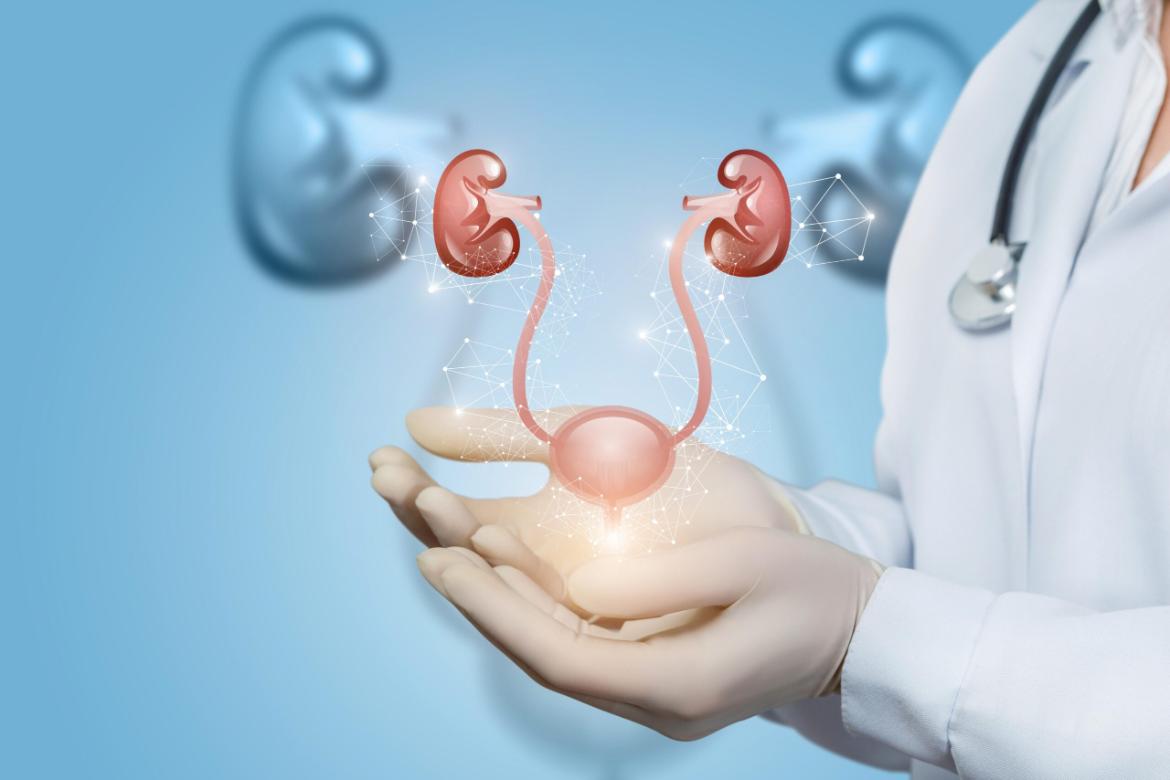
What is a urethral stricture? It is a medical condition that occurs in the urinary tract (urethra). The urethra is the passage through which urine passes from the bladder to the outside. A urethral stricture is a narrowing or blockage in one or more sections of this passage.
Urethral strictures typically occur due to conditions such as inflammatory diseases, trauma, surgery, or congenital structural abnormalities of the urinary tract. The stricture can block or restrict urine flow, make urination difficult, and sometimes cause a complete blockage of the urethra.
What are the causes of urethral stricture?
- Inflammatory Diseases: One of the most common causes is urethral infections. Urethral strictures can develop, particularly as a result of sexually transmitted infections (such as chlamydia and gonorrhea) or urethritis (inflammation of the urethra).
- Trauma: Another cause of urethral strictures is trauma to the urinary tract. For example, a stenosis can occur as a result of a blow to the groin area, accidental injuries, the insertion of a urinary catheter, or urethral surgery.
- Surgical Procedures: Surgery involving nearby structures, such as the urethra or prostate, can cause a urethral stricture. Damage sustained during surgical procedures to treat urethral or prostate cancer or during rectal surgery can cause a stricture.
- Urinary Stones: Stones that form in the urinary tract can cause a urethral stricture. Larger stones can block the urethral canal or cause persistent irritation, leading to the development of a stricture.
- Congenital Structural Abnormalities: Some people may be born with a congenital urethral stricture. This condition usually results from anomalies in the development of the urinary tract.
- Medications: In rare cases, certain medications (for example, those used in radiation therapy) can damage urethral tissue, causing a stricture.
Urethral stricture can occur due to different causes and symptoms are usually related to urination.
What are the symptoms of urethral stricture?
The symptoms of a urethral stricture can vary from person to person and depend on the location, size, and severity of the stricture. However, common symptoms include:
- Difficulty urinating : Urinary tract narrowing or blockage can make urination difficult. Symptoms include a feeling of pressure while urinating or an inability to fully empty the bladder.
- Weak Urine Flow: Urine flow may be blocked or restricted. The rate of urine output may slow down, and a weak urine stream may be observed.
- Frequent Urination: This can lead to an inability to properly empty urine, which can increase the need to urinate frequently.
- Pain or burning during urination: The stricture can cause pressure and irritation in the urethra. This can cause pain or a burning sensation during urination.
- Urinary Stopping and Starting: It can affect the flow of urine, so you may experience frequent pauses or interruptions in the flow of urine.
- Urinary Incontinence: This can cause urine to leak backwards into the bladder, creating pressure. This can lead to urinary incontinence.
- Retrograde Urine Flow: In severe urethral strictures, urine can flow backward from the urethra to the kidneys (retrograde urine flow). This can lead to kidney infections and other serious complications.
Treatment of Urethral Stricture?
Urethral stricture surgery is a surgical procedure performed to correct or repair a narrow area of the urethra. The procedure may vary depending on the location, size, and severity of the stricture. A general procedure for urethral stricture surgery is:
- Anesthesia: Surgery is usually performed under general anesthesia, so the patient is unconscious and painless. In some cases, local or spinal anesthesia may also be preferred.
- Surgical Access : An appropriate surgical access method is selected for the surgery. This may depend on the location of the stricture. Because urethral strictures often occur in the penile region, surgical access is usually performed on the penis.
- Examining the Stricture Area: To accurately assess a urethral stricture, the area of the stricture is examined. The size and length of the stricture area, and the extent to which it needs to be widened, are determined.
- Stricture Removal or Repair: The stricture area may be surgically removed or repaired. If the stricture is to be removed, the area of the stricture is incised and removed. The healthy urethral ends are then reattached or the stricture area is reshaped.
- Graft or Flap Application: In some cases, it may be necessary to use another tissue (graft) or a piece of nearby tissue (flap) to correct the stenosis. The graft or flap is placed over the stenosis and the repair is performed.
- Wound Closure: After urethral stricture surgery, the incision or repair area is carefully closed. Stitches or surgical adhesive may be used. This promotes postoperative healing and reduces the risk of infection.
The surgical procedure may vary depending on the patient's condition, the nature of the stricture, and the surgeon's preference. After surgery, the patient typically requires a hospital stay of several days. Recovery can vary from person to person and may take several weeks or longer. Careful postoperative monitoring and regular checkups are important. Urethral stricture surgery should be performed by a urologist. The most appropriate surgical method for each patient should be determined by the doctor.
Recovery Process After Urethral Surgery
The recovery period after urethral surgery may vary depending on the type of surgery, the location and size of the stricture, the patient's general health, and the success of the surgery. Hospital Stay: Urethral surgery is usually performed in a hospital, and the length of hospital stay varies depending on the type of surgery. Some simple surgeries can be discharged the same day, but more complex surgeries may require a hospital stay of several days.
During the first few days after surgery, patients may experience pain, swelling, and discomfort. Pain relievers and anti-inflammatory medications prescribed by your doctor can be used during this period. Some pain or burning during urination is normal.
After surgery, urinary function and control gradually improve. Urinary flow may be weak in the first few days after surgery. Over time, urine flow normalizes and discomfort during urination decreases.
After surgery, the stitches and wound will heal. If the stitches are self-dissolving, they don't need to be removed. Sterile dressings and hygiene practices are important to promote wound healing.
It's important to follow your doctor's instructions during your post-operative recovery. You may need to avoid heavy lifting, strenuous physical activity, and sexual intercourse for a period of time. With your doctor's approval, you can gradually return to physical activity as you recover.
Frequently Asked Questions
Sexuality After Urethral Stricture Surgery
The recovery process for sexuality after urethral stricture surgery can vary from person to person and depends on the type of surgery, the individual's health status, and the surgical procedure. Therefore, it's important to speak with your doctor to ensure a complete recovery.
In general, the time it takes to return to sexual activity after surgery can range from a few weeks to a few months. Postoperative symptoms such as swelling, pain, or discomfort may occur. It is important to refrain from sexual activity until these symptoms have completely subsided.
What happens if urethral stricture is not treated?
If a urethral stricture (urethral stricture) is left untreated, various health problems can arise. A functioning urethra allows urine to flow from the bladder to the outside of the body. This condition can lead to obstruction of urine flow if the urethra narrows or becomes blocked. This can lead to the following adverse events:
- *Urinary Tract Infections: It can block the proper flow of urine and cause urine to pool. This can increase the risk of developing urinary tract infections. This pooling of urine creates a favorable environment for bacteria to grow and can lead to infections.
- Urinary Retention: When urinary retention progresses, it can occur when urine is not completely emptied. In this condition, urine accumulates in the bladder, causing symptoms such as difficulty urinating, difficulty urinating, or a complete inability to urinate. Urinary retention is a serious condition that requires immediate medical attention.
- Kidney Problems: In severe cases, it can cause urine to flow backwards into the kidneys. This can lead to impaired kidney function and serious complications such as kidney failure.
- Bladder Stones: When urine builds up due to a narrowed urethra, this buildup can lead to the formation of bladder stones. These stones can block the urinary tract and prevent urine from flowing smoothly.
- Impotence: Urinary tract problems can lead to erection problems or erectile dysfunction. If urethral stricture is left untreated, the risk of sexual dysfunction and impotence may increase.
Does urethral stricture go away on its own?
Urethral strictures usually don't heal on their own. They are caused by tissue or structural problems within the urethra (the tube through which the urinary tract passes). This stricture is usually permanent and requires treatment.
In which age range is urethral stricture most common?
This condition is seen in men after age 55 and in older adults. Causes include surgical trauma, prostate enlargement, masses, tumors, and stones in the urinary system.
How is Surgery for Closed Urethral Stricture Performed?
Closed surgery is performed when the size of the stricture is less than 1-2 cm. A special instrument with a light and camera on its tip is inserted into the urinary tract, and the narrow area is cut open with a knife or laser light.
What Happens If Urinary Tract Stricture Is Not Treated?
Since urine flow will be disrupted, various problems and damages may occur in the kidneys and bladder, various infections and kidney stones may occur.
Does Urethral Stricture Recur?
If the stenosis is longer than 1 cm, the risk of recurrence is low. Some studies have shown that despite surgery, the stenosis recurs in nearly half of patients.
What should be done to prevent recurrence of urethral stricture?
To prevent recurrence of urethral stricture, regular post-treatment checkups with a doctor are crucial. Furthermore, the patient should pay attention to their lifestyle, minimize infection risks, and avoid excessive straining. Adhering to the medications and treatment methods recommended by your doctor throughout the treatment process can help prevent recurrence of urethral stricture.
