


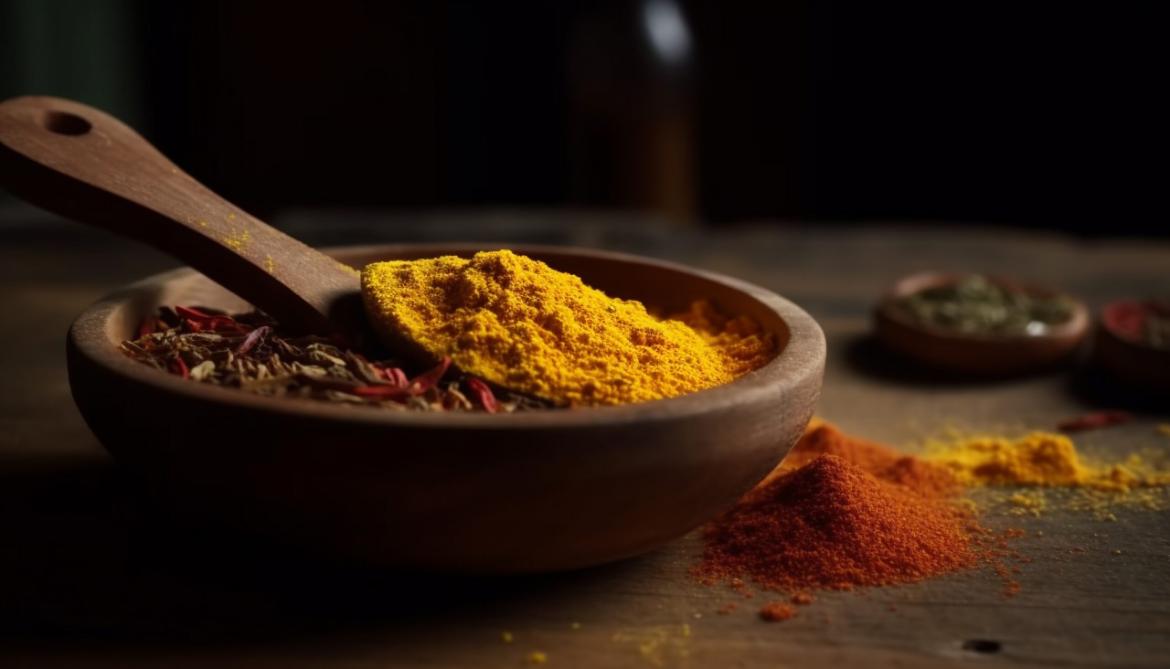
What is Turmeric? Benefits of Turmeric
Turmeric, a plant belonging to the ginger family, contains a compound called curcumin. Native to the Indian subcontinent and Southeast Asia, turmeric is known for its anti-inflammatory properties and is used to treat digestive and liver problems, skin conditions, wounds, and infections. It also contains a wealth of vitamins, minerals, and essential oils.
Turmeric is known for its rhizomes, which are used as a culinary spice, and is also widely used in traditional medicine. Curcuminoids, such as curcumin, include dimethoxycurcumin, bisdemethoxycurcumin, turmerone, atlanton, and zingiberone. It has a slightly sharp and bitter taste and is often used to add flavor and color to salads and dishes.
Consuming turmeric daily can be particularly helpful in supporting the immune system. Consuming turmeric in powdered form is recommended, and 1-2 teaspoons is typically used. This is a common practice for reaping turmeric's health benefits.
What is the nutritional value of turmeric?
The nutritional values contained in one tablespoon of turmeric powder are as follows:
- Calories: 29 kcal
- Carbohydrate: 31 grams
- Protein: 91 grams
- Fiber: 2.1 grams
- Fat : 0.31 grams
- Sugar: 0.3 grams
It also meets approximately 26% of daily manganese needs, 16% of iron needs, 5% of potassium needs, and 3% of vitamin C needs.
These nutrients, found in turmeric, play a particularly important role in fighting infections. Turmeric is known for its anti-inflammatory and antioxidant properties and may be helpful in combating a variety of illnesses.
What are the benefits of turmeric?
The benefits of turmeric are quite diverse and are generally due to its compound called curcumin:
- Anti-inflammatory effects: One of its most important properties is its anti-inflammatory properties, which can reduce inflammation in the body. This property can be particularly beneficial for inflammatory conditions like joint pain.
- Immune system booster: Since turmeric has antimicrobial and antiviral effects, it supports the immune system and can protect against infections.
- Antioxidant properties: Its high antioxidant content can reduce oxidative stress, which damages cells, by fighting free radicals.
- Fighting cancer: Curcumin content can inhibit the growth of cancer cells and show preventive effects on cancer development.
- Supports liver health: Turmeric can help cleanse the liver and has detoxifying properties.
- Improves heart health: It can support heart health and reduce the risk of cardiovascular disease by improving endothelial function.
- Benefits for the digestive system: It can alleviate digestive problems and reduce discomfort such as gas and bloating.
- Mental health: May protect against neurodegenerative diseases such as Alzheimer's, support mental function, and help combat depression.
- Skin health: It can help treat skin conditions such as acne and eczema.
- Regulates cholesterol levels: It can regulate cholesterol levels and reduce the risk of cardiovascular disease.
- Anti-aging effect: With its antioxidant properties, it can fight against free radicals and reduce the signs of aging.
These benefits of turmeric can have positive effects on health when consumed regularly and in a balanced manner.
How to consume turmeric?
Turmeric can be consumed in different ways:
- Adding to dishes: Turmeric powder or freshly grated turmeric root can be used as a spice in dishes. It's a good idea to add a teaspoon of turmeric powder or freshly grated turmeric root during or after cooking.
- Using it with black pepper: A compound called piperine found in black pepper can increase turmeric absorption in the body. Therefore, consuming turmeric with a pinch of black pepper may be more effective.
- Using turmeric with oil: Combining turmeric with oil can help the body better absorb curcumin, in particular. Combining turmeric with healthy oils like olive or coconut oil can enhance its effects.
- Turmeric tea: Turmeric can also be consumed as tea. Boil 2 cups of water and add 1 teaspoon of powdered or grated turmeric. Let the mixture steep for about 10 minutes. You can also add lemon if desired.
- Use in tablet or capsule form: If you want to take high amounts of turmeric for health reasons, concentrated turmeric supplements in tablet or capsule form can be used under the supervision of a specialist physician.
It is important to consult a qualified healthcare professional if you plan to exceed the daily recommended intake of turmeric or use high doses of turmeric for any health condition.
Does turmeric help lose weight?
Turmeric's direct effect on weight loss hasn't been scientifically proven. However, it's thought that the compound curcumin contained in turmeric may increase metabolic rate and support fat burning. Therefore, some people may choose to use turmeric as a weight loss supplement.
Research on the effects of turmeric on weight loss has yet to yield conclusive results. It's generally recommended to adopt a lifestyle supported by a balanced diet and regular exercise, rather than consuming turmeric alone, to achieve weight loss. It may be helpful to seek support from a healthcare professional or dietitian to develop a healthy weight loss plan.
Is turmeric harmful?
You've provided a list of possible side effects that turmeric can cause in some cases. It's important to consult a healthcare professional before using herbal supplements or spices like turmeric, especially if you have a chronic condition, have allergies, or take regular medications.
Side effects and risks of turmeric include:
- May contain heavy metals: Spices from areas with high air pollution may contain heavy metals. This can negatively impact kidney and liver health.
- Stomach upset: Some people may experience side effects such as nausea and diarrhea. People with allergies or stomach problems may not tolerate turmeric.
- Drug interactions: Turmeric can interact with some medications. Therefore, people taking medication are advised not to take turmeric supplements without consulting their doctor.
- Pregnancy and breastfeeding: The use of supplements containing curcumin is not recommended during pregnancy and breastfeeding, but it can be consumed in small amounts as a spice.
- Iron deficiency anemia: Consuming large amounts of turmeric may affect iron absorption in people with iron deficiency anemia.
- Gallstones, bile duct obstruction, liver problems : Turmeric can increase bile secretion, leading to some bile and liver problems.
- Blood thinners, diabetes, reflux medications: People using such medications are advised to consult their doctor before consuming turmeric.
- Blood clotting and surgeries: Turmeric might slow blood clotting, which could increase the risk of bleeding before and after surgery.
- Testosterone levels and fertility: Turmeric may lower testosterone levels and reduce sperm motility, which may have negative effects on fertility.
How much turmeric powder should be consumed per day?
Turmeric can be used in spice form or fresh in cooking. The average daily intake (powder or grated) is generally around 1 teaspoon. Fresh turmeric root can be finely chopped or grated and added to dishes. These amounts are generally standard recommended amounts for a healthy daily intake. However, for individual health conditions and special circumstances, it's always best to consult a doctor or nutritionist.
Turmeric Latte Recipe
Materials:
- 1 cup of your preferred milk (almond, coconut, or regular milk)
- 1 teaspoon of turmeric
- 1 teaspoon of honey or maple syrup
- Half a teaspoon of ginger powder
- A pinch of freshly ground black pepper
- A pinch of cinnamon powder
How to make:
- Pour the milk into a small saucepan.
- Add the turmeric, ginger, black pepper, and cinnamon. Stir over medium heat until the mixture is heated through. Do not boil.
- Add the honey or maple syrup and mix well.
- Remove the heated mixture from the stove and pour it into the glass.
- Optionally, you can serve it by sprinkling a pinch of cinnamon on top.
Note: Some people prefer a frothy consistency. In this case, you can pour the mixture into a pitcher and pour it back into another glass from a height, or use a milk frother to froth it up. Enjoy!
Turmeric Tea Recipe
Materials:
- Half a teaspoon of ginger powder
- Half a teaspoon of freshly ground black pepper
- 2 tablespoons of lemon juice
- 2 cups of water
- 1 teaspoon of honey
How to make:
- Add ginger, black pepper, lemon juice and water to a pot.
- When the mixture begins to boil, reduce the heat and continue to simmer gently for about 10 minutes.
- Then turn off the stove and let the tea cool down a bit.
- Finally, add the honey and strain it using a strainer.
- Your turmeric tea is ready, bon appetit!
Note: You can adjust the amount of honey or sweetener you want to add to your turmeric tea to taste. Balance the amounts for each cup.
