


What is Trypophobia (Hole in Hand)? Symptoms and Treatment Methods
Trypophobia is often defined as an extreme fear or disgust response to irregular patterns, small holes, or voids. The word is derived from the Greek words "tripa" (hole) and "phobos" (fear). However, trypophobia is not currently a recognized medical diagnosis. There remains uncertainty as to whether trypophobia is a true anxiety disorder.
Those with trypophobia may experience feelings of distaste and disgust, especially when they see patterns of holes, even in harmless, normal objects. This discomfort can be particularly heightened when faced with holes on the human body. Trypophobia is simply known as the "fear of holes" and is sometimes referred to as a phobia of perforated hands.
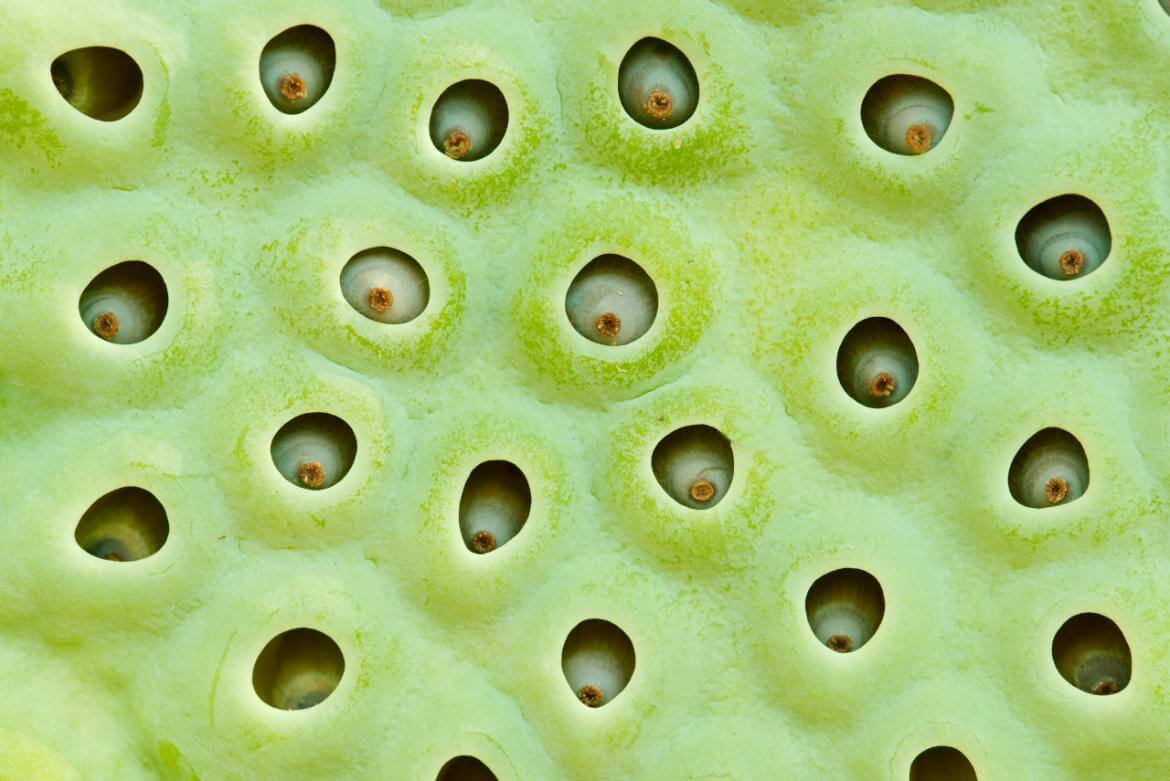
Stimuli that trigger trypophobia include honeycombs, lotus flowers, coral, pomegranates, enlarged skin pores, and pumice stones. These images may trigger trypophobic reactions. However, more research is needed to understand more about trypophobia and whether it is a true anxiety disorder.
Why does trypophobia occur?
Trypophobia may stem from evolutionary adaptations, according to some theories. The disgust response felt in the face of situations like poisonous spotted animals or infected wounds may serve to protect people from potential disease and danger. This disgust response may increase survival by causing people to avoid potentially harmful or infectious areas.
Another theory is that the trigger images that influence trypophobia exhibit high-contrast energy characteristics. Fear-inducing patterns with holes or cracks may subconsciously evoke the appearance of potentially poisonous plants and animals. For example, the light and dark color contrasts of a lotus flower may resemble the skin of poisonous toads or snakes. This similarity may cause high-contrast images to trigger the same fear and disgust responses.
Another theory is that this specific phobia may be learned. Distressing experiences, such as being bitten by a snake or a wasp, can increase the tendency toward trypophobia. Following such experiences, people may become sensitive to certain patterns and exhibit trypophobic reactions as they associate with those patterns.
However, the mechanisms that cause trypophobia are still not fully understood and more research on the subject is needed.
What are the symptoms of trypophobia?
Individuals with trypophobia may experience a variety of symptoms, typically when they see patterns such as holes, spots, or cracks. These symptoms may include:
- Disgust and discomfort: People with trypophobia may experience intense feelings of disgust and discomfort when exposed to certain patterns.
- Physical reactions: They may show physical reactions such as sweating, itching, palpitations, nausea, dizziness and shortness of breath.
- Panic attacks: In some cases, symptoms of trypophobia can cause a person to lose control and lead to actual panic attacks.
- Limitations to daily living: Symptoms can severely limit the affected individual's daily life. They may develop avoidance behaviors toward trypophobic stimuli.
- Stress: The stress associated with trypophobia can affect an individual's overall quality of life. The level of stress varies depending on individual experience and the severity of symptoms.
These symptoms represent the psychological and physiological reactions experienced by individuals with trypophobia. However, because trypophobia is not yet a medical diagnosis, symptoms can vary from person to person, and a general definition cannot be given. If someone is struggling to cope with these symptoms, it is recommended that they seek professional help.
How is trypophobia treated?
Treatment for trypophobia should be planned considering the conditions that often coexist with psychological disorders. Treatment methods may vary depending on the individual's personal preferences, previous experiences, and the severity of the stress experienced. While there is no specific medication for trypophobia, commonly used treatment options include:
- Short-term strategies: Short-term strategies can be used to relieve symptoms of trypophobia. These strategies may include breathing exercises, meditation, or deep relaxation techniques.
- Cognitive behavioral therapy (CBT): CBT is a particularly effective method for treating phobias. This therapy helps individuals understand and change their thought patterns. It also includes learning how to cope with triggers specific to trypophobia.
- Exposure therapy : Exposure therapy aims to help affected individuals confront fearful stimuli and learn to cope with their fears without resorting to avoidance or safety measures. Repeated exposure exercises can help reduce fears.
- Support groups: Support groups where people with trypophobia come together can help them share their experiences and support each other.
- Medication: While there is no specific drug treatment for trypophobia, appropriate medications may be prescribed for comorbid conditions such as depression or anxiety.
Treatment options should be customized to the individual's condition and symptom severity. Working with a qualified healthcare professional is important to determine an appropriate treatment plan and provide personalized support.
How do we know if we have trypophobia?
To determine if you have trypophobia, you can focus on your personal experiences and reactions. Here are some observations and steps that can help you identify the symptoms of trypophobia:
- Visual responses: Do you experience discomfort, disgust, or anxiety when exposed to patterns with holes, gaps, or irregular patterns? Is there sensitivity to certain visuals, particularly images of the lotus flower head?
- Physical reactions: Do you experience physical reactions when exposed to the images mentioned? For example, do you experience physical symptoms such as sweating, nausea, dizziness, or shortness of breath?
- Daily life restrictions: Do your trypophobia reactions interfere with your daily life? Do you tend to avoid certain images or experience significant discomfort when exposed to them?
- Trypophobia questionnaire: You can consult questionnaires used to assess symptoms of trypophobia. Tools like the Trypophobia Questionnaire can help gauge your reactions to certain images.
- Professional help: If you think you're experiencing symptoms of trypophobia, it's important to seek professional help. A psychologist or psychiatrist can assess your condition and recommend appropriate treatment options.
Remember, trypophobia can vary among individuals and should be assessed for its personal distress. Seeking professional help can help you cope and improve your quality of life.
What triggers trypophobia?
Although trypophobia triggers can vary from person to person, some common triggers observed in research include:
- Honeycombs: May trigger trypophobia due to their regular hole pattern.
- Strawberries: Small holes or seeds on the surface of strawberries taken up close may cause discomfort in people susceptible to trypophobia.
- Lotus seed pods: The regular hole pattern in lotus flower seeds may trigger symptoms of trypophobia.
- Pomegranate: The regular holes in the internal structure of the pomegranate can cause trypophobic reactions.
- Moisture droplets: Water droplets with irregular patterns on the surface can trigger symptoms of trypophobia.
- Foams: Regular holes or gaps in the foam surface may cause discomfort for those sensitive to trypophobia.
- Holes or skin blisters on meat: Holes or skin blisters on various meat surfaces can trigger symptoms of trypophobia.
- Bug eyes: The regular pattern of bug eyes can cause trypophobic reactions.
- Coral reefs: Holes in the coral structure can trigger symptoms of trypophobia.
- Holes in rotting meat: Holes in the surface of rotting or diseased meat can cause discomfort in those susceptible to trypophobia.
- Foam packaging sleeves: Regular holes or foam in packaging materials can cause symptoms of trypophobia.
- Images of fruit seeds or sponges: Regular patterns in such images may trigger trypophobia reactions.
Additionally, animals with human-made patterns or similar markings on their fur can also trigger phobic reactions caused by trypophobia. However, trypophobia triggers can vary from person to person and may vary depending on a person's experiences.
How common is trypophobia?
While the exact prevalence of trypophobia is unknown, some research suggests it may be quite widespread in the population. Due to the limited scientific research on trypophobia, it is difficult to provide precise statistics on the number of individuals experiencing this phobia.
Research shows that symptoms of trypophobia can often vary among individuals, and determining whether a person has this phobia is a subjective experience. Because trypophobia triggers vary from person to person, the way people with this phobia express their symptoms may also vary.
Further research and knowledge on trypophobia is crucial for understanding the experiences of individuals with this phobia and improving treatment options. However, it is currently not possible to determine a definitive prevalence rate for trypophobia.
