


What is Transrectal Ultrasound (TRUS)?
Transrectal ultrasound (TRUS) is an ultrasound procedure performed through the rectum that provides detailed images of the prostate, rectal wall, and surrounding tissues. It is typically used to examine prostate enlargement, suspected prostate cancer , inflammation (prostatitis), or rectal masses. A thin probe is gently inserted through the anus; the procedure takes approximately 10-15 minutes, does not involve radiation , and is painless. It can be used for both diagnostic and therapeutic procedures such as prostate biopsies .
What is Transrectal Ultrasound (TRUS)?
Transrectal ultrasound (TRUS) is an imaging method performed through the rectum (rectum), allowing detailed examination of the prostate, rectal wall, and pelvic organs. This procedure uses high-frequency sound waves to clearly visualize internal structures. In men, it is most commonly used to assess prostate enlargement , prostatitis, or suspected prostate cancer. In women, it is rarely used to assess the pelvic floor and rectovaginal region.
How is a Transrectal Ultrasound Performed?
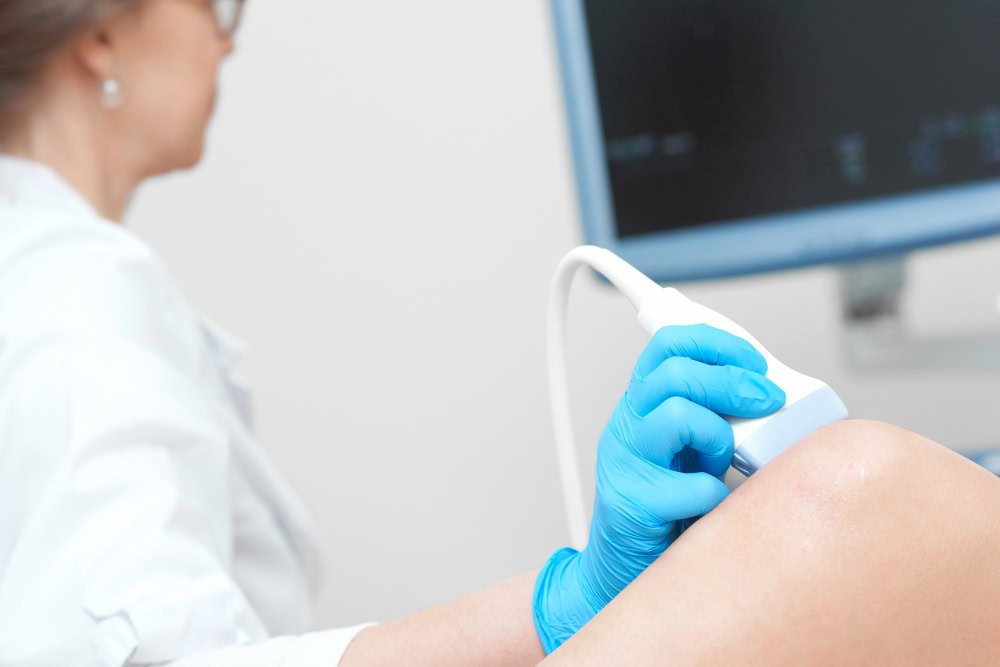
The procedure is usually performed by a radiologist. The patient lies in a lateral position, and a thin, specialized probe is gently inserted into the rectum. A protective sheath is placed over the probe tip, and gel is applied for lubrication. The procedure takes approximately 10-15 minutes and is painless. Anesthesia is not required, but some sensitivity may be felt. Images are viewed in real time on a monitor, and necessary measurements are taken.
Why and in which diseases is transrectal ultrasound performed?
This method is particularly used in the diagnosis of prostate diseases. It is preferred in cases such as prostate enlargement ( BPH ), prostatitis (inflammation), suspected prostate cancer, rectal wall thickening, pelvic abscesses, or masses. It is also used to guide biopsy procedures.
For which complaints and to whom is Transrectal Ultrasound performed?
Patients are often referred to TRUS with the following complaints:
Difficulty urinating or frequent urination
Prostate control or increased blood PSA values
Pain or bleeding in the anus
Change in bowel movements
This procedure is frequently performed for prostate evaluation , especially in men over the age of 40 .
Therapeutic Use of Transrectal Ultrasound
TRUS is used not only for diagnosis but also for biopsy guidance , prostate cyst drainage, and some injection procedures. Therefore, it is both a diagnostic and interventional method.
Preparation Before Transrectal Ultrasound
An enema is generally recommended before the procedure . This cleanses the rectum and improves image quality. In some cases, antibiotic prophylaxis may be necessary. The patient can eat a light meal on the day of the procedure.
What to Do After Transrectal Ultrasound
No special care is usually required after the procedure. If a biopsy was performed, slight bleeding or discomfort may last for a few days. Drinking plenty of water, resting, and taking any medications recommended by your doctor are sufficient.
Disadvantages and Risks of Transrectal Ultrasound
TRUS is a very safe procedure. In rare cases, discomfort, bleeding, or infection may occur. However, these complications are generally mild and resolve quickly.
Advantages of Transrectal Ultrasound
The biggest advantage of this method is its ability to clearly visualize the prostate and surrounding tissues. It's also safe because it doesn't involve radiation. Other advantages include rapid results and biopsy guidance.
Transrectal Ultrasound Alternative Methods
Alternatively, magnetic resonance imaging (MRI) or abdominal ultrasound may be used. However, MRI can be expensive and abdominal ultrasound can be limited in detail.
Transrectal Ultrasound Uses
Its most common use is for prostate biopsy guidance. It is also actively used in procedures such as cyst aspiration, pelvic abscess drainage, and cancer staging.
Transrectal Ultrasound Social Security and Private Insurance Coverage
The Social Security Institution (SGK) generally covers transrectal ultrasounds ordered by a doctor. Private health insurance companies often also cover this procedure under their policies. However, private hospitals may charge a surcharge.
In Which Department Is Transrectal Ultrasound Performed?
The procedure is performed in the radiology or urology departments, in the ultrasound unit.
Who Cannot Have Transrectal Ultrasound?
The procedure may be postponed for patients with severe hemorrhoids, anal fissures, or rectal infections. It is also not performed on patients who have recently undergone rectal surgery.
What Can Be Seen with a Transrectal Ultrasound?
This ultrasound allows detailed examination of the prostate's size and structure, as well as any signs of tumors, cysts, stones, inflammation, or cancer. The rectal wall and surrounding tissues are also evaluated.
Where can I get a transrectal ultrasound in Ankara?
Many private hospitals and imaging centers in Ankara offer TRUS services. Ankara Magnet Hospital , in particular, stands out for its same-day appointment and rapid reporting capabilities.
Transrectal Ultrasound Prices
Transrectal ultrasound prices vary depending on the hospital's location and insurance coverage. The cost may increase if a biopsy is added.
Transrectal Ultrasound Imaging and Appointment at Ankara Magnet Hospital
Ankara Magnet Hospital performs TRUS procedures under the supervision of experienced radiologists, under sterile conditions, and with short waiting times. Appointments are generally scheduled the same day, and results are delivered quickly to the patient.
Frequently Asked Questions
Is a transrectal ultrasound painful?
It is usually painless, only slight pressure may be felt.
How long does TRUS last?
It takes approximately 10-15 minutes.
Is ultrasound performed during biopsy?
Yes, TRUS is used to guide the biopsy needle.
Is preparation required?
Yes, an enema is usually administered before the procedure.
Does TRUS involve radiation?
No, completely safe sound waves are used.
Does a transrectal ultrasound hurt?
It's usually not painful; there may be only a slight pressure or discomfort as the probe is inserted. The procedure is short and comfortable.
How is a breech ultrasound performed?
The patient is placed in a lateral position, and a thin probe is gently inserted through the rectum. A protective sheath and gel are applied to the probe tip, and images are viewed in real time on a monitor.
How long does a transrectal ultrasound take?
The procedure usually takes 10-15 minutes. It may take a little longer if a detailed examination or biopsy is required.
What is a transrectal biopsy?
A TRUS-guided biopsy allows the collection of a sample of prostate tissue. It is used to diagnose cancer or other diseases. The procedure can be performed under local anesthesia and is safe.
Where is a transrectal ultrasound performed?
TRUS procedure is performed in radiology or urology departments, private hospitals and imaging centers.
Which hospitals offer transrectal ultrasound?
Many private hospitals and imaging centers, including Magnet Hospital in Ankara, offer TRUS services. It can also be performed at centers contracted with the Social Security Institution (SGK).
How is a prostate ultrasound performed in men?
The patient is placed in a lateral position, and the probe is inserted into the rectum. Gel and a protective sheath are applied to the probe tip, and the size, structure, and potential prostate masses are visualized on a monitor.
How much does a transrectal ultrasound cost?
TRUS prices vary among hospitals. The cost increases if a biopsy is added.
Does a transrectal ultrasound hurt?
Again, the procedure is mostly painless, with only a slight pressure sensation.
