


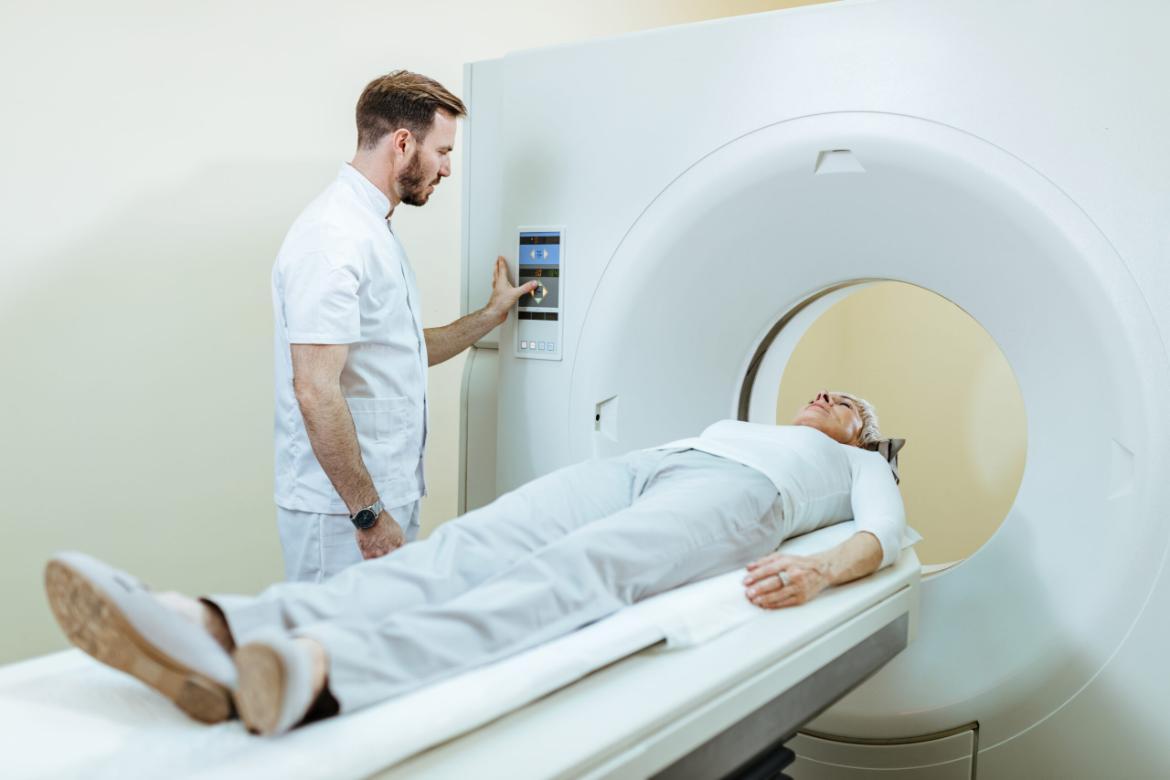
What is Tomography?
Tomography is an imaging technique that plays a vital role in modern medicine. This technology is used to visualize structures inside the body in detail and is an important tool in the diagnosis and treatment of many medical conditions.
What is Tomography?
Tomography is an imaging technique used to visualize cross-sectional images of structures within the body. This technology can take various forms, such as computed tomography (CT) or magnetic resonance imaging (MRI). The basic principle is that a source (e.g., X-rays or magnetic fields) is directed into the body, which is then received by sensors and processed by a computer.
How is a CT scan performed?
During a CT scan, the patient is positioned inside the device on a bed. The device creates layered images of the body's internal structures. It is important for the patient to remain still during this process. CT scans operate by using a rotating source (usually X-rays or magnetic fields) within the body. As this source passes through the body, it is absorbed or reflected differently by different tissues. Sensors record these reflections or absorptions, and a computer processes this data to create a cross-sectional image.
What are the Types of Tomography?
There are several types of tomography, some of which are:
Computed Tomography (CT)
Computed Tomography (CT) is a medical imaging technique used to view structures inside the body in detail. This technology uses X-rays to create detailed images of bones, organs, and other tissues inside the body.
During a CT scan, the patient's body is scanned with X-rays as they pass through the device. These X-rays are absorbed or reflected differently by different tissues within the body. Sensors on the opposite side of the device then receive these X-rays, and a computer processes the data to create a series of cross-sectional images. These cross-sections can be combined to create a three-dimensional image.
CT scans are used to diagnose and treat many medical conditions, including trauma, tumors, infections, and blood vessel diseases. They are particularly frequently used in emergency situations or to determine the extent of disease. They also play an important role in surgical planning and monitoring response to treatment.
Computed Tomography (CT) has become an essential part of modern medicine and is widely used in a variety of medical applications. With the continued advancement of technology, CT scans are expected to become faster, more sensitive, and less invasive, helping patients receive more accurate diagnoses and treatments.
Areas of Use of Computed Tomography
- Cancer diagnosis and monitoring : Used to monitor the spread of cancer cells and to see how they respond to treatment.
- Bone fractures : This is done to examine the bones in more detail. Fractures and injuries in the bones are detected.
- Internal organ diseases : Diseases of internal organs such as the liver, kidneys, pancreas and lungs are diagnosed and followed up.
- Vascular diseases : Used to see the condition of the vessels and identify blockages.
Positron Emission Tomography (PET)
Positron Emission Tomography (PET) is an imaging technique used to image metabolic activity within the body. This technology is used to measure cellular activity within the body after a radioactive substance has been administered. PET scans play an important role in areas such as cancer diagnosis, brain function evaluation, and other metabolic disorders.
In What Situations Is Tomography Used?
CT scans are used to diagnose and treat many medical conditions:
- Trauma: It is an effective method for examining conditions such as fractures, joint diseases and spinal problems.
- Tomography and Cancer Diagnosis: Used to determine information such as the size and location of tumors. It is also used to monitor the spread of cancer and evaluate response to treatment.
- Brain Diseases: It is used to diagnose conditions such as brain tumors, stroke, hemorrhages, and neurological diseases.
- Heart Diseases: It is important in evaluating blockages in the heart vessels.
- Gastroenterology (Digestive System Diseases) : It is useful in examining the organs and vessels in the abdominal area.
In Which Diseases Is Tomography Used?
CT scans are an effective imaging method that play a significant role in the diagnosis of many diseases. Below are some of the diseases and conditions where CT scans are commonly used.
Lung CT Scan: Lung CT scan is an imaging method used to diagnose lung diseases. It is particularly useful for examining conditions such as pneumonia , cancer , tuberculosis , and pulmonary embolism . CT scans can identify structural changes, lesions, and fluid accumulations in the lungs.
Breast CT Scan : Breast CT scan (mammography) is a widely used imaging technique for breast cancer screening. It is highly effective in detecting early-stage breast cancer symptoms. It allows for detailed examination of breast tissue and provides information such as the size and location of lumps.
Brain CT Scan: A brain CT scan is a test performed to detect various brain-related conditions. It is used to accurately identify health problems such as bleeding, tumors, trauma, or infections in the brain. It plays an important role in diagnosing both acute conditions and long-term brain disorders.
Nasal CT Scan : Nasal CT scans are typically used to examine the internal structure of the nose, sinuses, and nasal passages. They are used to diagnose conditions such as sinusitis, nasal polyps, and structural abnormalities. They can also detect fractures or deformities in the nasal bones.
Liver CT Scan : Liver CT scan is used to examine liver diseases (hepatitis, liver cirrhosis, liver cancer).
Stomach and Intestine Tomography : Tomography of the stomach and intestines is used in the diagnosis of digestive system diseases such as stomach ulcers, Crohn's disease, and ulcerative colitis.
Kidney CT Scan : Kidney CT scan is used to detect kidney-related problems such as kidney stones, tumors, cysts, or infections.
Pancreatic CT Scan : Pancreatic CT scan is performed to examine pancreatic cancer, pancreatitis, and other pancreatic diseases.
Adrenal Gland Tomography : A tomography can be performed to detect diseases and tumors of the adrenal glands.
Abdominal (Pelvic) Organs Tomography : Tomography of organs such as the uterus and ovaries in the pelvic region is performed to diagnose gynecological diseases.
Sinus CT Scan: CT scan of the sinuses and nasal passages is used to examine sinusitis, nasal polyps, and other nasal diseases.
Bone and Joint Tomography: Tomography of bones and joint areas is performed to examine fractures, tumors or joint diseases.
Dental CT Scan: Dental CT scans are a specialized type of CT scan used to identify dental health issues and develop treatment plans. Dentists use this technology specifically for implants and other dental and jaw problems . By providing a detailed examination of the jaw structure and tooth roots, dental CT scans enable a more accurate treatment process.
Neck CT Scan: CT scans of the tissues, vessels, thyroid gland, and lymph nodes in the neck area can be performed to examine cancer, infection, or structural disorders.
Thyroid CT Scan: A CT scan of the thyroid gland is used to evaluate conditions such as thyroid nodules, goiter, and thyroid cancer.
Brainstem CT: A brainstem CT scan is a scan performed to examine the function and structure of the central nervous system in the brain. Brainstem problems can lead to problems with breathing and heart function.
Vascular CT : Vascular CT is used to detect structural changes in arteries and veins, as well as blockages, aneurysms, and clots. This includes coronary CT (heart vessels) and cerebral vascular CT .
Muscle and Soft Tissue CT : CT scans of muscles, ligaments, and other soft tissues are useful in examining conditions such as sports injuries, tumors, and infections.
Lymph Node Tomography : Tomography of the lymph nodes is used to detect types of cancer such as lymphoma, to evaluate infections or to examine metastases.
Advantages of Tomography
CT scans are extremely useful in diagnosing many health conditions and creating treatment plans.
- Early diagnosis : CT scans can help detect diseases in their early stages. Early detection, especially of diseases like cancer, increases the chance of cure.
- Detailed imaging : Tomography allows for an accurate diagnosis by imaging organs, vessels and other structures in detail.
- It is a non-invasive method : Tomography is less risky for the patient because it does not require surgical intervention.
- Faster results : CT scans are usually performed quickly and the results are quickly delivered to your doctor.
Frequently asked questions
How to Prepare for a Tomography?
No special preparation is usually required for a CT scan. However, in some cases, especially if contrast media is required, it is important for patients to consult their doctor beforehand. You may be asked to fast for the contrast media. Your doctor will determine if any special preparation is necessary.
Does CT Scan Include Radiation?
CT scans are generally safe, but there are risks in some cases. Radiation exposure, especially for pregnant women, can be a concern. However, these risks are generally minimal compared to the information the scan provides.
What is CT Scanning ?: CT scans are a type of scan that uses contrast media to provide images with greater detail and clarity, in addition to standard computed tomography (CT) scans. Contrast media is administered intravenously or orally and enhances the visibility of specific areas within the body, allowing organs, vessels, and tissues to be seen more clearly.
How is Medication-Assisted CT Scan Performed?
During CT scans, an iodine- based contrast agent is usually administered intravenously (IV). This contrast agent illuminates blood vessels, vascular walls, and internal organs, resulting in clearer images. In some cases, the contrast agent may also be administered orally, particularly for evaluation of the gastrointestinal tract.
What are the side effects of medicated tomography?
While CT scans are generally safe, some people may experience mild side effects, such as allergic reactions, dizziness, nausea, or skin rashes. In rare cases, allergic reactions to contrast materials can occur. Additionally, contrast materials should be used cautiously in patients with kidney problems.
What is the difference between CT and medicated CT?
The primary difference between CT scans and CT scans (contrast-enhanced CT scans) is whether or not a contrast agent is used. CT scans are performed using a contrast agent (usually iodine-based). Contrast agent is administered intravenously, or sometimes orally, to enhance the visualization of organs and blood vessels. Cancer screenings are used in cases requiring more detailed examination, such as vascular occlusions, tumors, internal bleeding, lung disease, and brain tumors.
Is tomography harmful?
A CT scan is generally a safe procedure, but it uses X-rays. Therefore, it should be performed only when necessary and in moderation. CT scans are not recommended during pregnancy.
What should I do during a CT scan?
It's important for the patient to remain still during the scan. In CT scans, the patient is given a contrast agent. You will be instructed on this by your doctor or technician.
What is the difference between CT and MRI (Magnetic Resonance)?
CT scans create images using X-rays, while MRIs use magnetic fields and radio waves. MRIs are particularly good at imaging soft tissues, while CT scans can provide more detailed information about bones and internal organs.
How many minutes does a CT scan take?
A CT scan typically takes between 5 and 15 minutes. The time may vary depending on the type of procedure and the patient's condition.
What should I do after the CT scan?
Most of the time, you don't need to take any special steps after a CT scan. However, you may be advised to drink plenty of water after the CT scan until the contrast material is eliminated from your body.
When are the CT scan results available?
CT scan results are usually ready within 1-2 hours, but in some cases it may take longer.
How often should a CT scan be performed?
A CT scan should be performed only if deemed necessary by a physician. Excessive use should be avoided and should only be considered when diagnostically useful.
What are the differences between CT scans and X-rays?
While CT scans use X-rays to create cross-sectional images of the body, X-rays typically produce images in a single plane. CT scans allow for more detailed examination of organs and tissues.
Is the contrast material used in medicated tomography harmful?
Contrast media are generally safe and are quickly eliminated from the body. Your doctor will assess your allergy and kidney function before using contrast media.
Is there any pain during the CT scan procedure?
A CT scan is generally painless. Some patients may experience a brief feeling of warmth or a change in taste during the CT scan.
Can a CT scan be performed during pregnancy?
During pregnancy, especially in the first trimester, CT scans are generally not recommended because X-rays can harm the fetus. Except in emergency situations, alternative imaging methods such as ultrasound or MRI are preferred for pregnant women.
Can I continue my normal life after a CT scan?
Yes, you can generally continue your normal routine after a CT scan. You may be advised to drink water after the CT scan.
Can a CT scan be performed on children?
A CT scan can be performed on children, but it should only be performed when necessary to avoid radiation exposure.
Tomography Prices in Ankara
How Much Does Tomography Cost?
CT scan prices in Ankara vary depending on various factors. Private hospital CT scan fees may differ by 2025. CT scan prices vary depending on the technology used, the type of examination, the medications used, and the patient's condition.
Standard CT scan prices and CT scan prices vary depending on the location of the hospital or imaging center, the contrast agent used, and the type of CT scan performed. Additionally, prices at private hospitals often vary depending on whether they are affiliated with the Social Security Institution (SGK ). For the most accurate pricing information, please contact your preferred imaging center or hospital .
Imaging centers in Ankara that have a SGK agreement offer CT scans at more affordable prices for patients covered by public insurance . If you're considering a CT scan covered by SGK, it's advisable to research public hospitals, Ankara imaging centers with SGK agreements , healthcare institutions, private hospitals , and other healthcare institutions. You can contact these centers to learn more about CT scan fees .
Among Ankara CT scan centers , patients prefer those equipped with the latest technology and rapid results. Private CT scan prices in Ankara vary depending on the type of scan requested, the institution's policies, and the patient's condition. CT scan prices and medication-assisted CT scan prices differ.
CT scans in private hospitals are generally quicker and more comfortable. These hospitals use state-of-the-art CT scanners to obtain more detailed and accurate images. Patients can pay more affordable CT scan fees at private hospitals affiliated with the Social Security Institution (SGK) . Depending on the policy, those with private health insurance and supplemental health insurance may be able to pay for the scan without a copayment.
For Magnet Hospital CT scan prices and to schedule a CT scan appointment , please call 0312 212 80 80. Click here to make an online appointment .
