


What is Tomato Flu? Symptoms and Treatment Methods
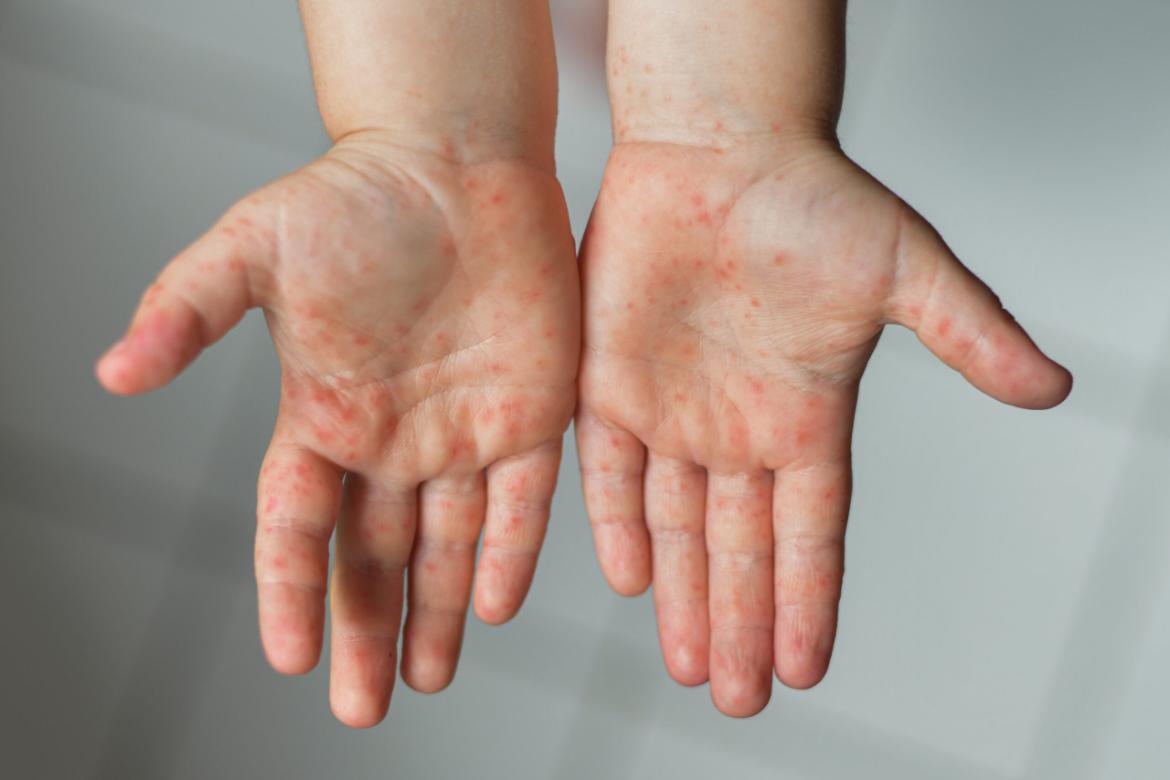
Tomato flu is a viral infection that typically affects children and causes a skin rash. It is characterized by a mild fever and a red, itchy rash. Treatment generally focuses on relieving symptoms and requires no specific treatment. Personal hygiene and limiting contact with infected individuals are important to prevent the spread of the disease. It usually resolves without complications and causes no long-term effects.
Tomato flu is a variant of hand, foot, and mouth disease caused by the CV-A16 virus. The first case was detected in India in May 2022. Based on reported cases, it is particularly common in children under 5 years of age.
Because it is not yet a fully defined disease, the causative virus and the mechanism of infection are still being investigated. It is thought that the disease may be linked to viruses that cause hand-foot-and-mouth disease, such as Coxsackievirus, Echovirus, and other enteroviruses. These viruses are viral pathogens that are usually transmitted through the gastrointestinal tract in children. The symptoms of HFMD, which is thought to be related to tomato flu, also begin with fever and flu-like symptoms. Symptoms include the development of red spots on the tongue and cheek mucosa, blisters that cause pain when eating and drinking, and rashes on the palms of the hands and soles of the feet.
Tomato flu: Signs and symptoms
Tomato flu is an infectious disease that causes a red, itchy rash, fever, fatigue, body aches, nausea, vomiting, diarrhea, sore throat, and swollen lymph nodes. Symptoms typically last 1-7 days and usually resolve on their own. Symptoms of tomato flu include:
- Red rashes and lesions on the skin
- Blisters and swellings
- Itching of the skin
- High fever
- Fatigue
- Body aches
- Nausea and vomiting
- Diarrhea
- Sore throat
- Swelling of the lymph nodes
Symptoms can vary from person to person and typically last about a week. If you experience symptoms of tomato flu, it's important to see a healthcare provider and monitor your recovery under the supervision of a doctor. It's also important to maintain good skin hygiene and apply itching creams or other treatments recommended by your doctor.
How to treat tomato flu?
There is no specific medication to treat tomato flu. Treatment is generally administered to control symptoms and provide relief to the patient. Some methods used in the treatment of tomato flu include:
- Fluid intake: Drinking plenty of fluids is important to prevent dehydration. Drink fluids such as water, herbal teas, or electrolyte-containing drinks.
- Symptomatic medications: Antipyretic, analgesic or antipyretic medications recommended by the doctor can be used to relieve fever, pain and other symptoms.
- Skin care: For skin rashes related to tomato flu, topical treatments or anti-itch lotions can be used to reduce itching and prevent the risk of infection. Additionally, skin hygiene should be maintained.
- Rest: Adequate rest and sleep are important to speed up the healing process. It is recommended that the patient rest at home.
- Healthy diet: Good nutrition can strengthen the immune system and support the healing process. A balanced diet that includes plenty of fruits, vegetables, protein, and fiber is recommended.
- Follow-up with a doctor: If tomato flu symptoms are severe or persist for a long time, it's important to consult a doctor. Follow your doctor's recommended treatment and, if necessary, consider additional treatments.
Consequently, tomato flu is generally managed with symptomatic treatment. Measures such as rest, fluid intake, symptomatic medications, and skin care can alleviate symptoms and promote healing.
Is the tomato flu virus contagious?
Tomato flu is a viral infection that is generally contagious. While not yet fully defined, available data suggest its contagious nature. The disease is often characterized by skin rashes, and its contagiousness is a significant factor.
The tomato flu virus is thought to be particularly contagious among children. Therefore, cleaning and disinfection measures are important in shared spaces such as daycare centers and schools. Additionally, precautions such as minimizing close contact and avoiding sharing personal items should be taken to prevent the spread of the disease.
The contagious nature of tomato flu necessitates informed public action to control the disease and prevent its spread. Therefore, it is important to take hygienic precautions and follow the recommendations of health authorities to protect yourself from infectious diseases.
Tomato flu prevention methods
Tomato flu is an infectious disease that causes a variety of symptoms, and these symptoms can be challenging. The following precautions can be taken to protect yourself from the disease:
- Hand hygiene: Hands should be washed frequently and correctly. Hands should be washed with soap and water for at least 20 seconds, especially before preparing food, eating, and after using the toilet.
- Use of personal belongings: Personal belongings, especially clothing, should be shared with others as little as possible to reduce the risk of disease transmission.
- Cleaning and disinfection: Common areas, surfaces, and items should be disinfected regularly. This helps prevent the spread of the virus. Regular cleaning and disinfection routines should be established at home and at work.
- Social isolation: It is important for people with symptoms or illness to isolate themselves at home as much as possible and reduce contact with others. This can limit the spread of the disease.
- Seek medical attention: If symptoms are noticed, seek medical attention immediately and take the treatment and precautions recommended by your doctor. This can help control the disease and protect others from infection.
These measures play a crucial role in protecting against infectious diseases like tomato flu. Maintaining good hygiene practices and following health authorities' recommendations are among the most effective ways to prevent the spread of disease.
Tomato flu and risk of death
Tomato flu is generally a disease that doesn't cause serious complications. According to the cases reported, tomato flu usually resolves on its own within 1-7 days. However, people with weakened immune systems or underlying health conditions may be at higher risk of serious complications.
Tomato flu generally doesn't have dangerous or fatal symptoms. However, it's important to be vigilant to prevent the spread of the disease and reduce the risk of potential complications. Therefore, it's important to seek medical attention and complete treatment under medical supervision if you notice symptoms.
Because tomato flu is not yet fully understood, it's important to take extra precautions and adopt a cautious approach. It's important to take the disease seriously and take the necessary health precautions.
Does tomato flu cause itching?
Yes, tomato flu can cause uncomfortable itching on the skin. This itching stems from the rash, which is the primary symptom of the disease. Anti-itch creams, lotions, or cold compresses can be used to relieve itching. However, scratching should be avoided to relieve itching, as this can lead to skin irritation or infection.
Medications and precautions recommended by your doctor can help control itching. If you have a tomato-like rash and are having difficulty coping with the itching, it's important to consult a healthcare professional for appropriate treatment.
Tomato flu treatment
While there is no specific antiviral medication or vaccine, treatment for tomato flu includes supportive treatments focused on managing symptoms. Some methods used to treat tomato flu include:
- Rest and isolation: It is important for people with symptoms to rest and isolate themselves. This helps prevent the spread of the disease.
- Drinking plenty of fluids: Drinking plenty of fluids reduces the risk of dehydration and keeps the body hydrated. Choose from water, herbal teas, or electrolyte-containing beverages.
- Pay attention to nutrition: A balanced and healthy diet strengthens the immune system and supports the healing process. A diet rich in fruits, vegetables, protein, and fiber is important.
- Pain and fever medications: Pain relievers and fever reducers recommended by your doctor can be used to manage pain, fever, and other symptoms.
- Skin care: Creams or lotions recommended by your doctor can be used to manage skin rashes and itching. Cold compresses can also be applied to relieve itching.
- Monitoring for special circumstances: Children and individuals with weakened immune systems should be observed more closely to monitor disease progression and potential complications.
- Management of the disease: It is important to regularly clean and disinfect surfaces and items that people with symptoms have come into contact with. Hygienic practices should also be followed to prevent the spread of the disease.
It's important for people with tomato flu symptoms to seek medical attention if they worsen or persist for an extended period. Following your doctor's recommended treatments and precautions can speed recovery and reduce the risk of complications.
