


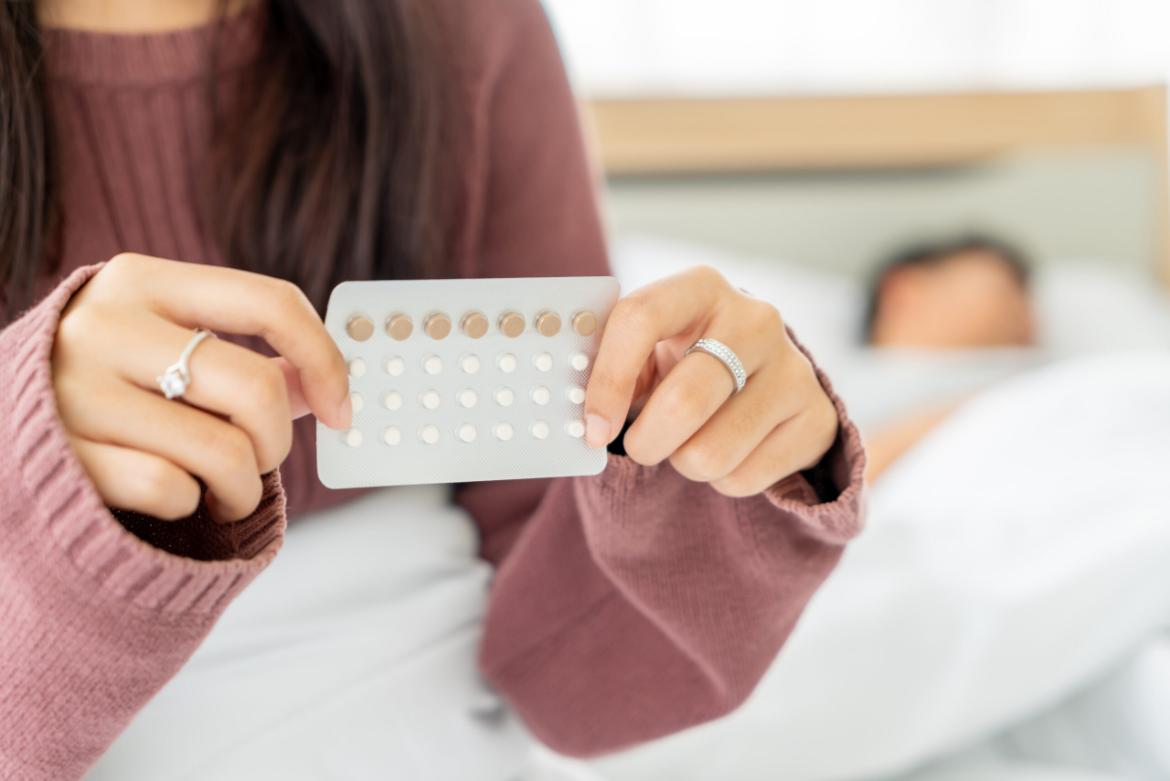
What is the Morning After Pill and How is it Used?
The morning-after pill is an oral medication used to prevent pregnancy during unprotected sex. It does not require regular use and should only be used after intercourse. This pill's active ingredient helps prevent pregnancy by preventing the egg from fertilizing and implanting in the uterus.
The mechanism of action of the morning-after pill is closely related to the timing of its use. The sooner the pill is taken, the more effective it is. It significantly reduces pregnancy risk, especially when taken within 24 hours of intercourse.
It's important to remember that the morning-after pill is an emergency contraceptive method and does not provide permanent protection. Therefore, it's important to insist on regular contraceptive methods and consult a healthcare professional specializing in sexual health. It's also important to remember that the morning-after pill, in addition to its intended purpose of contraception, does not protect against sexually transmitted infections.
People with any health problems or concerns should always consult their healthcare professional and get accurate and reliable information before using the morning-after pill.
What is the morning-after pill?
The morning-after pill is an emergency contraceptive medication used in emergency situations to reduce the risk of pregnancy after unprotected sexual intercourse. Also known as "emergency contraception" or the "morning-after pill," its active ingredients help prevent pregnancy after intercourse.
The sooner the morning-after pill is used after unprotected intercourse, the more effective it is. It's generally recommended to take it immediately or within 72 hours after intercourse, but some forms can be used for up to 120 hours.
The morning-after pill should be considered as an emergency solution when previous or inconsistent birth control methods have failed, or when contraception is not being used. The pill works by delaying or preventing a woman from ovulating, making it harder for sperm and an egg to meet, or preventing the uterine lining from accepting a fertilized egg.
Morning-after pills are available without a prescription from pharmacies or health centers, but it is always best to consult a healthcare professional.
When should the morning-after pill be used?
Morning-after pills are medications used as emergency contraception after unprotected sex. They do not prevent pregnancy and are not considered a regular birth control method. However, they can be used at any time during the menstrual cycle as a temporary solution after unprotected sex.
These pills work through different mechanisms depending on the active ingredients they contain. Levonorgestrel-containing pills are a synthetic derivative of the progesterone hormone and work by binding to the hormone's receptors in the body. They prevent ovulation and make it harder for a fertilized egg to implant in the uterus.
Pills containing ulipristal regulate hormone activity by binding to progesterone receptors. They also prevent ovulation and can be used for emergency contraception due to their effects on the uterine lining.
Morning-after pills are not a regular birth control method and are not recommended for long-term use. They should only be used after unprotected intercourse and should be limited to unexpected situations.
It's important to remember that morning-after pills do not protect against sexually transmitted infections. It's important to consult a healthcare professional to obtain accurate information about sexual health. Birth control methods should also be considered for those who have a regular sex life and are not planning a pregnancy. Morning-after pills are a temporary solution for emergencies, and regular birth control methods should be preferred.
The morning-after pill should be considered in the following situations:
- Unprotected sex: If birth control methods were not used or failed (for example, if the condom broke or slipped off).
- Cases where contraceptive methods are forgotten: If regularly used birth control methods (for example, oral contraceptive pills) are forgotten or not taken on time.
- Forced sexual intercourse or sexual abuse: If unprotected sexual intercourse occurred as a result of sexual assault or abuse.
How to use the morning after pill?
Morning-after pills are used for emergency contraception after unprotected intercourse. How to use the pill may vary depending on the active ingredient and the instructions on the product box. Therefore, it's important to always follow the advice of your pharmacist or healthcare professional.
But in general, the use of morning-after pills is carried out in the following steps:
- Use as soon as possible: Try to use the morning-after pill as soon as possible after unprotected intercourse. The sooner you take it, the more effective it is.
- Read the instructions: Carefully read the instructions on the box of the morning-after pill you purchased and check the active ingredient.
- Consult your pharmacist or healthcare professional: If you have any doubts about the use and dosage of the medicine, consult your pharmacist or healthcare professional.
- Take the medication: Morning-after pills usually come in a single tablet or two tablets. Swallow the medication with water.
- If a second dose is needed: Some morning-after pills may require a second dose later. Therefore, follow the instructions for the product you are using and take the second dose at the appropriate time if necessary.
- Watch for side effects: Watch for side effects that may occur after taking the medication and pay attention to the information provided in the instructions about possible side effects.
- Consider regular birth control: The morning-after pill is an emergency contraceptive method and is not a substitute for regular birth control. If you want to use permanent contraception, talk to a healthcare professional to determine the right birth control method for you.
It's important to remember that morning-after pills don't protect against sexually transmitted infections. Therefore, it's important to consult a healthcare professional to get accurate information about sexual health.
How does the morning-after pill provide protection?
The morning-after pill is a birth control method used in emergency situations to prevent unwanted pregnancy. It is often used after unprotected intercourse, when other birth control methods have failed, or when contraception has not been used at all.
Morning-after pills work by altering hormone levels in the body. They prevent or delay ovulation and can prevent a fertilized egg from implanting in the uterus. Therefore, using the morning-after pill after intercourse can help prevent a potentially fertilized egg from implanting in the uterus, thus providing protection against pregnancy.
Morning-after pills should be used as soon as possible after intercourse. The sooner they are taken, the more effective they are. Most morning-after pills can be used within 72 hours of intercourse, while some can be effective for up to 120 hours. However, the duration of effect of morning-after pills, their active ingredients, and country-specific effects can vary, so be sure to read the instructions on the packaging or consult your healthcare professional before use.
Morning-after pills have a lower effectiveness rate compared to regular birth control methods and are not recommended for regular use. Therefore, it's best to use a reliable form of birth control and limit unprotected sex as much as possible. It's always important to consult a qualified healthcare professional regarding sexual health issues.
What are the side effects of the morning-after pill?
While morning-after pills are an emergency contraceptive method, they can cause side effects in some users. Side effects can vary from person to person and depend on the ingredients in the morning-after pill, its dosage, and the body's response. Commonly reported potential morning-after pill side effects include:
- Nausea and vomiting: Morning-after pills can cause nausea and vomiting in some users. This can occur within the first few hours after taking the pill and may reduce its effectiveness. If you vomit after taking the morning-after pill, you may need to consult a healthcare professional before taking it again.
- Headaches and dizziness: The hormones contained in the pill can cause reactions such as headaches or dizziness.
- Breast tenderness: Some women may experience breast tenderness after using the morning-after pill.
- Abdominal pain and chest tightness: Mild discomfort such as abdominal pain or chest tightness may also occur.
- Fatigue: Feeling tired after taking the pill can be a common side effect.
- Menstrual irregularities: Morning-after pills can interfere with the normal menstrual cycle and cause changes in the timing of the next period.
- Changes in bleeding: Women may experience unexpected light bleeding or spotting after using the morning-after pill.
Remember that most of these side effects are temporary and generally mild. However, for some users, the side effects can be more bothersome. If you experience any serious side effects or worrying symptoms after using the morning-after pill, it's important to consult a healthcare professional immediately. Additionally, using the morning-after pill as a regular birth control method is not recommended, so it's best to talk to a healthcare professional about regular contraceptive methods.
Does the morning-after pill provide protection?
Morning-after pills are designed to be used after unprotected sex or when other birth control methods have failed. However, their effectiveness is not completely guaranteed and they have a lower success rate compared to regular birth control methods.
The effectiveness of the morning-after pill depends on how soon after intercourse it is taken and the ingredients in the pill used. The sooner the pill is taken, the greater its effectiveness. It is generally recommended to take the morning-after pill after intercourse, but some morning-after pills can be used for longer periods of time (for example, up to 72 hours or, in some special formulations, up to 120 hours).
What should be taken into consideration after using the morning-after pill?
- Use regular birth control: The morning-after pill is a temporary form of birth control used in emergencies. It's best to choose a reliable, consistent method of birth control to prevent pregnancy during regular sexual intercourse.
- Don't take a second dose: If you've already taken the morning-after pill, you shouldn't take a second dose during the same sexual intercourse. A second dose can increase side effects and reduce the chance of protection.
- Maintain a regular menstrual cycle: You may experience changes in your menstrual cycle after using the morning-after pill. Your periods may become irregular or you may experience unexpected light bleeding. Therefore, it's important to monitor your menstrual cycle and consult a healthcare professional about any irregularities.
- Avoid unprotected sex: The morning-after pill is not as effective as regular birth control. Therefore, it's important to limit unprotected sex as much as possible and use regular birth control.
- Protect yourself against sexually transmitted infections (STIs): Morning-after pills do not protect against STIs. It's important to use a barrier method like condoms to protect yourself from STIs.
- Monitor side effects: Morning-after pills can cause side effects in some women. Mild side effects such as nausea, headache, and breast tenderness are common. However, if you experience serious side effects or worrying symptoms, it's important to consult a healthcare professional.
- Take a pregnancy test: The morning-after pill isn't 100% effective. Therefore, it's important to take a pregnancy test about 2-3 weeks after taking the pill to check if pregnancy has occurred.
- Consult your healthcare professional: If you have any concerns or problems after using the morning-after pill, be sure to consult your healthcare professional. Your healthcare professional can provide more information and provide appropriate guidance.
In conclusion, the morning-after pill can be used to prevent pregnancy in emergency situations, but regular birth control methods are preferable. It's important to seek information and support from healthcare professionals to protect your health and take the right steps.
Can I have unprotected sex again after using the morning-after pill?
Having unprotected sex after using the morning-after pill can increase the risk of pregnancy again. The morning-after pill is not 100% effective and does not provide complete protection. Additionally, due to the hormones contained in the pill, hormonal changes in the body can occur, affecting your regular menstrual cycle.
Therefore, it's important to avoid unprotected sex as much as possible after using the morning-after pill. If intercourse is necessary, it's safer to use contraception. Barrier methods like condoms also protect against sexually transmitted infections.
How often are morning-after pills used?
Morning-after pills should not be used in place of regular birth control methods, and frequent use is not recommended. These pills are used in emergency situations and to prevent unwanted pregnancy. Using the morning-after pill regularly every month or with every sexual intercourse is not an effective method of birth control and is not healthy.
Morning-after pills are less effective than regular birth control methods and may have more severe side effects. Additionally, due to hormonal changes, they can affect menstrual cycles and cause irregular periods.
It's important to try to use the morning-after pill as little as possible. Instead, it's more appropriate to choose a regular, reliable method of birth control and use it correctly. Birth control methods such as condoms, oral contraceptives (birth control pills), and IUDs provide more effective and long-lasting protection.
The morning-after pill should only be used in emergencies or when other birth control methods have failed. If you want to use a regular birth control method, it's important to consult a healthcare professional to determine the method that's right for you. Your healthcare professional will recommend the best birth control method for your needs and health.
