


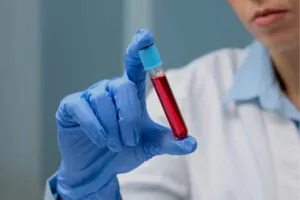
What is the APTT Test? High and Low aPTT
What is the APTT Test?
The aPTT is a test that measures how long it takes for blood to clot. Coagulation is a complex process that allows blood to clot rapidly in the event of an injury or injury, preventing blood loss. The aPTT specifically assesses the functions of a set of proteins and compounds known as clotting factors. The test is commonly performed in hospitals and laboratories and is often used to diagnose bleeding disorders, monitor treatment response, and assess the risk of surgical procedures.
Why is the aPTT Test Performed?
The aPTT test may be performed in the following situations:
- Evaluating Bleeding Problems: Used to evaluate bleeding disorders in patients experiencing signs of abnormal bleeding, such as frequent nosebleeds, bleeding gums, or bruises.
- Diagnosing Coagulation Disorders: The aPTT test is performed to diagnose coagulation disorders such as hemophilia and von Willebrand disease.
- Treatment Monitoring: Used to monitor the effects of blood-thinning medications (anticoagulants) and adjust their dosage. The aPTT test can be performed regularly, especially during the treatment period of patients receiving heparin therapy.
- Pre-Surgical Evaluation: The aPTT test may be performed to assess the risk of bleeding before surgery or invasive procedures.
How Much Should aPTT Be?
aPTT (activated partial thromboplastin time) is a test used to evaluate the blood clotting process. The normal reference range for this test can vary depending on the laboratory and the methods used, but is generally accepted to be between 25 and 35 seconds.
aPTT Normal Reference Range
- General Reference Range: 25-35 seconds. Laboratory and method differences may occur.
- Individual Variability: May vary depending on age, health status and testing method.
What Does High aPTT Mean?
A high aPTT means that blood takes longer than normal to clot due to a lack of clotting factors, dysfunction, or other health problems.
Possible Causes of High aPTT
- Clotting Factor Deficiencies:
- Hemophilia : Hemophilia A and B can cause deficiency or dysfunction of clotting factors and prolong the aPTT time.
- von Willebrand Disease: Affects the function of clotting factors and platelets, may prolong aPTT.
- Liver Diseases:
- Liver Failure: May impair the production of clotting factors and cause prolongation of aPTT time.
- Vitamin K Deficiency:
- It is necessary for the production of clotting factors. Its deficiency can prolong the aPTT time.
- Anticoagulant Therapy:
- Heparin Use: It may affect the coagulation process and cause prolongation of aPTT time.
- Autoimmune Diseases:
- Lupus Anticoagulant: Autoimmune conditions may cause prolongation of the aPTT period.
- High Anticoagulant Levels:
- Long-term or excessive doses of anticoagulants may prolong the aPTT.
Symptoms of High aPTT
- Abnormal Bleeding: Nosebleeds, bleeding gums, bruises, or bleeding sores may occur.
- Severe Bleeding: Even minor injuries can cause prolonged and intense bleeding.
- Joint Bleeding: In conditions such as hemophilia, intra-joint bleeding may occur.
Diagnosis and Management of Elevated aPTT
Diagnosis:
- Laboratory Tests: aPTT test is performed along with PT and clotting factor levels.
- Medical History and Physical Examination: The patient's history, symptoms, and physical condition are evaluated.
Management and Treatment:
- Medication Management:
- Anticoagulant Adjustments
- Vitamin K Supplements
- Therapeutic Approaches:
- Clotting Factor Supplement
- Treatment of Liver Diseases
- Lifestyle and Nutrition:
- Balanced diet
- Regular Exercise
- Monitoring and Controls:
- Regular Tests
What Does Low aPTT Mean?
A shorter than normal aPTT may indicate that the coagulation system is overactive or that some clotting factors are abnormal.
Possible Causes of Low aPTT
- Excessive Coagulation:
- Antiphospholipid Syndrome
- Intravascular Clotting (DVT or Pulmonary Embolism)
- Increase in Clotting Factors:
- High Factor VII Levels
- Increased Coagulation Factors
- Vitamin K Supplements:
- Excessive vitamin K intake can accelerate the clotting process.
- Liver Diseases:
- Liver dysfunction may shorten the aPTT time.
- Genetic Factors:
- Genetic polymorphisms can accelerate the coagulation system.
Symptoms of Low aPTT
- Frequent clot formation (DVT, pulmonary embolism)
- Abnormal bleeding or bruising
- Joint bleeding may rarely occur
Diagnosis and Management of Low aPTT
- Diagnosis:
- Laboratory tests (PT, INR, clotting factors)
- Medical history and physical examination
- Management and Treatment:
- Medication management (anticoagulant adjustments, vitamin K supplements)
- Lifestyle and nutrition (balanced diet, regular exercise)
- Therapeutic approaches (management of coagulation disorders, monitoring and controls)
Frequently Asked Questions About the aPTT Test
1. What is the aPTT Test?
The aPTT test is a laboratory test that measures blood clotting time. It evaluates the functionality of clotting factors and is often used to diagnose clotting disorders.
2. How is the aPTT Test Performed?
It is performed by taking a blood sample. The blood is mixed with the test solution and the clotting time is measured.
3. When is the aPTT Test Performed?
- For the diagnosis of coagulation disorders
- For monitoring anticoagulant therapy
- In case of liver diseases or suspicion of vitamin K deficiency
4. What Do aPTT Test Results Mean?
- Elevation of aPTT: Coagulation time may be prolonged due to deficiency of coagulation factors, liver diseases or the effect of anticoagulant drugs.
- Low aPTT: Coagulation time may be shortened due to excessive coagulation, high vitamin K intake or some genetic factors.
5. How to Interpret aPTT Test Results?
The reference interval is usually 25-35 seconds. Results are evaluated together with clinical information.
6. Does the aPTT Test Require Preparation?
Usually no special preparation is required, but the doctor's instructions can be followed.
7. How Are aPTT Test Results Managed?
- High aPTT: Managed by omission or anticoagulant adjustments.
- Low aPTT: Hypercoagulable states and vitamin K intake are regulated.
8. How Long Does It Take to Get Results from the aPTT Test?
It usually varies from a few hours to 1 day.
9. Is the aPTT Test Risky?
It carries minimal risks. There may be mild pain or bruising during blood collection.
10. How Often Should the aPTT Test Be Performed?
The frequency depends on the patient's health and treatment. Those on anticoagulant therapy may need regular testing.
