


What is Snoring and Sleep Apnea Surgery and How is it Performed?
Sleep apnea is a sleep disorder that causes repeated pauses in breathing during sleep. These pauses are often caused by airway obstruction and can cause oxygen levels to drop during sleep. This can lead to serious complications such as heart attack, stroke, and other health problems. Symptoms of sleep apnea include snoring, interruptions in breathing during sleep, waking up during sleep, morning headaches, and fatigue. Sleep apnea should be diagnosed and treated appropriately by a healthcare professional.
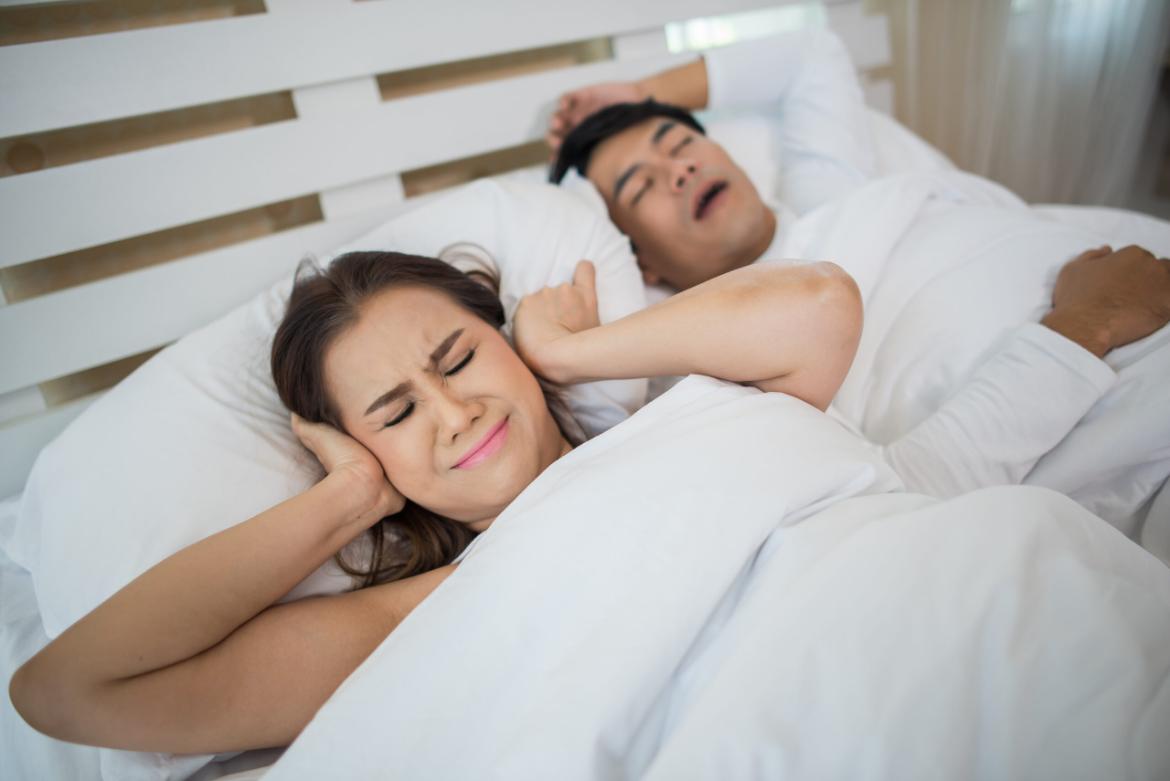
Snoring is an audible condition caused by air vibrations passing through the nose and throat during sleep. Snoring is a common problem for many people and is generally not a serious health problem. However, in some cases, snoring can be a symptom of a more serious sleep disorder, such as sleep apnea.
What are the causes of snoring and sleep apnea?
Snoring usually occurs due to the following factors:
- Weakness or laxity of the throat muscles: Laxity of the throat muscles can cause the tongue and soft tissues to block the airways, causing snoring.
- Nasal congestion: Nasal congestion can make it difficult for air to flow, causing snoring.
- Sleeping position: Sleeping on your back can cause the tongue and soft tissues to block the airway, which can lead to snoring.
Sleep apnea usually occurs due to the following factors:
- Excess weight: In overweight people, the throat tissues become more fatty, which can block the airway.
- Age: As you get older, throat muscles can weaken, increasing your risk of sleep apnea.
- Genetic predisposition: Sleep apnea may be more common in some families.
- Smoking: Smoking causes irritation and swelling in the airways, which can lead to sleep apnea.
- Alcohol consumption: Alcohol can cause respiratory muscle relaxation and sleep apnea.
- Underlying health problems: For example, large tonsils, adenoids, or nasal polyps may increase the risk of sleep apnea.
In addition to these reasons, some medications, allergic reactions and sinus infections can also increase the risk of snoring and sleep apnea.
How Do Snoring and Sleep Apnea Affect Our Health?
Snoring and sleep apnea can have many negative effects on our health. Snoring can reduce sleep quality and cause us to feel unrefreshed, which can affect our performance at work or school during the day. Snoring can also affect family members' sleep quality, making them feel tired during the day, and affecting our relationships. Sleep apnea, however, is a more serious health problem. Due to pauses in breathing and low oxygen levels, sleep apnea increases the risk of heart disease, hypertension, stroke, diabetes, obesity, and even premature death. Sleep apnea can also cause excessive daytime fatigue, poor attention span, memory problems, mood swings, sexual dysfunction, and workplace or traffic accidents.
Sleep apnea must be properly diagnosed and treated. Untreated sleep apnea can cause serious long-term health problems.
How to Recognize Snoring and Sleep Apnea?
Snoring and sleep apnea can generally be recognized by the following symptoms:
Snore:
- Frequent snoring
- Continuous snoring during sleep
- Lack of breathing or interruption in breathing during sleep
- Sleeping with mouth open during sleep
Sleep apnea:
- Frequent snoring
- Sleep apnea or difficulty breathing
- Breathing interruptions or interruptions in breathing during sleep
- Sweating or heart palpitations during sleep
- Morning headache or feeling sleepy
- Excessive fatigue, weakness and sleepiness during the day
- Increased appetite or excessive weight gain
- Diarrhea, constipation, or stomach problems
How is Snoring Surgery Performed and What Are the Types?
Snoring surgery is a surgical procedure typically performed to reduce or eliminate snoring. However, it may not always be effective in eliminating snoring completely. The type of surgery may vary depending on the cause of snoring and the patient's condition.
Some of the most commonly used methods for snoring surgery are as follows:
- Uvulopalatopharyngoplasty (UPPP): This surgery is typically performed to reduce or remove the soft palate and tissues in the throat. This procedure is performed to maintain a clear airway. During the surgery, excess tissue is removed, usually through an incision made in the mouth, and a small section of the hard palate may also be cut.
- Tongue base surgery: This surgery is typically performed to reduce the tissue at the back of the tongue. This procedure is performed to maintain an open airway. During the surgery, the tissue at the back of the tongue is removed, usually through an incision made in the mouth.
- Somnoplasty: This procedure uses radiofrequency energy to stiffen the tissues at the soft palate, uvula, and base of the tongue that cause snoring. This procedure is performed to reduce or eliminate snoring. The procedure is usually performed under local anesthesia, and a single session is usually sufficient.
- LAUP (Laser-Assisted Uvulopalatoplasty): This procedure uses laser energy to reduce the soft palate and uvula tissues that cause snoring. This procedure is usually performed under general anesthesia, and patients may experience pain and discomfort for a few days.
What Should You Pay Attention to After Snoring Surgery?
The recovery process after snoring surgery can vary depending on the type of surgery and the patient's condition. However, in general, there are some important points to consider after surgery. These include:
- Monitoring: After surgery, patients are typically monitored for several hours by a healthcare professional. This is important to check for bleeding or other complications.
- Pain management: Pain is normal after snoring surgery. Patients should take prescribed painkillers regularly and consult their doctor if they experience any pain.
- Diet: It's recommended to consume soft, easily chewable foods for a few days after snoring surgery. It's also important to avoid hot or spicy foods to prevent mouth sores.
- Drinking: It's recommended to avoid alcohol, caffeinated beverages, and sodas for a few days after surgery. It's also important to drink plenty of water.
- Oral hygiene: It's important to maintain good oral hygiene after snoring surgery. Patients should rinse their mouth regularly with water and brush their teeth. Additionally, because dry mouth can occur, using a moisturizing mouth spray or gel may be helpful.
- Recovery time: Recovery time after snoring surgery can vary depending on the type of surgery and the patient's condition. However, a full recovery typically takes several weeks.
- Follow-up visits: Your doctor may recommend follow-up visits on a regular schedule after surgery. This is important for monitoring your recovery and detecting any complications early.
Frequently Asked Questions
Should I consider surgery for snoring?
Considering surgery for snoring should be based on the severity and cause of the snoring. If snoring is causing a serious breathing problem, such as sleep apnea, surgery may be necessary. However, if snoring is merely a source of discomfort and disrupts sleep quality, alternative treatments should be considered before considering surgery.
What are the side effects of snoring surgery?
Snoring surgery is generally a safe procedure. However, like all surgical procedures, it does carry some side effects and risks. These include:
- Pain and discomfort
- Bleeding
- Wound infection
- The healing process
- Decrease in snoring
- Voice changes
- Respiratory problems
What is the price of snoring surgery?
Prices for snoring treatment vary depending on the type of surgery and the patient's condition. You can visit Ankara Private Magnet Hospital for a preliminary consultation with our neurosurgeon and receive pricing information. To easily reach us and schedule an appointment, call 0312 212 80 80.
