


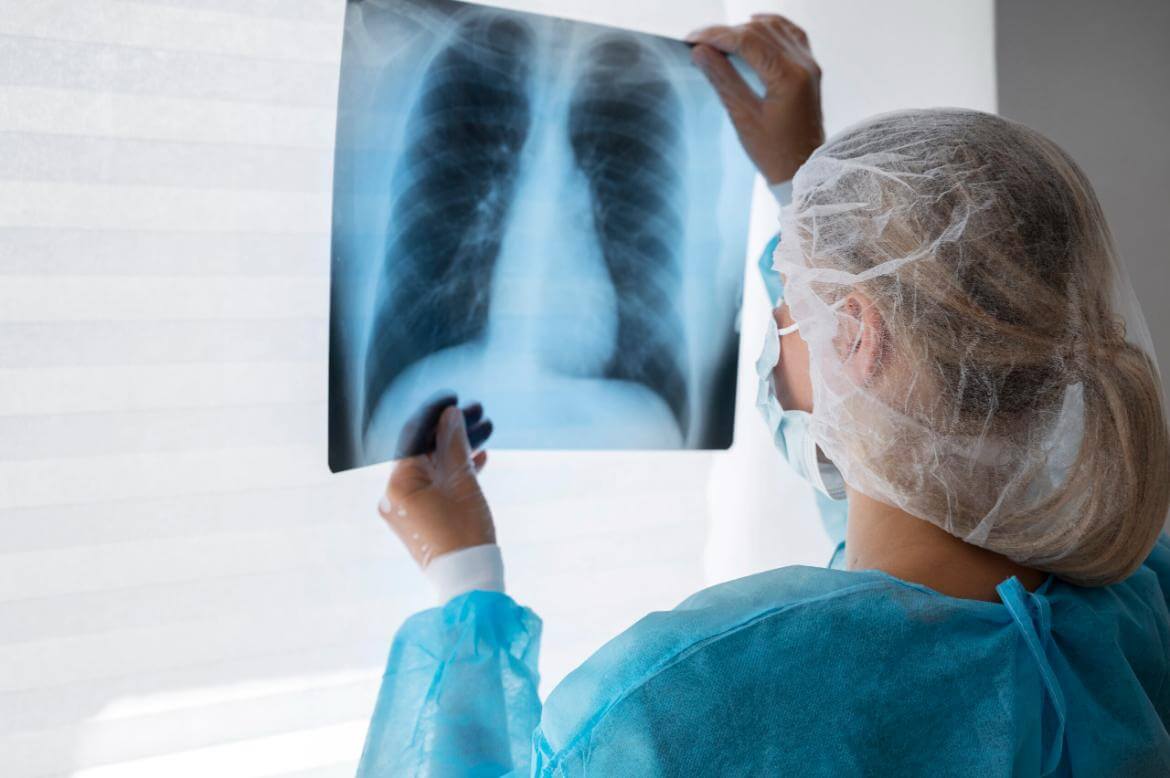
What is Pulmonary Hemorrhage: Symptoms, Causes and Treatment Methods
Coughing up blood is often a clear sign of lung bleeding. While lung cancer is often the primary cause of lung bleeding, other factors such as infections and congenital factors can also play a role. Lung bleeding can lead to serious health problems and occurs with similar frequency in men and women.
Depending on the severity of the pulmonary hemorrhage, interventional radiologic procedures, bronchoscopy, or surgical treatments may be selected as appropriate for the patient. However, unless the underlying problem is addressed, there is a risk of recurrence of pulmonary hemorrhage. Therefore, identifying and treating the underlying cause is crucial.
It is critical to seek immediate medical attention in the event of a pulmonary hemorrhage, as it is potentially life-threatening. Once a pulmonary hemorrhage is diagnosed, prompt evaluation is necessary, and treatment should begin as soon as possible. It is important to remember that untreated pulmonary hemorrhages can lead to serious complications without early intervention.
What are the causes of lung bleeding?
Lung bleeding is a condition that often occurs due to various health problems. Common causes include lung cancer, infections (e.g., pneumonia), bronchiectasis, acute bronchitis, tuberculosis, systemic diseases, and congenital factors. This bleeding often originates from the bronchial vessels, which account for a significant portion of massive bleeding, typically accounting for 80%.
Lung cancer is one of the most common causes. Tumors are growths that typically destroy lung tissue and disrupt its structure. Because lung cancers often originate from the bronchial epithelium, bleeding can occur as a result of the tumor's destruction of bronchial tissue. Similarly, infections can create cavities in the lung, which can lead to bleeding.
Systemic diseases and diseases affecting the entire body can cause pulmonary hemorrhage, but they are less common than other causes. Congenital vascular anomalies are also rare causes of pulmonary hemorrhage.
In cases of pulmonary hemorrhage, it is important to identify the underlying cause and implement appropriate treatment methods. Therefore, it is important to seek medical attention when symptoms appear or when there is any suspicion.
What are the symptoms of lung bleeding?
Symptoms of pulmonary hemorrhage can vary depending on the severity and extent of bleeding, but the most common symptom is coughing up frothy blood. Various symptoms can also occur depending on the factors causing the bleeding.
In the presence of a tumor, symptoms such as weight loss, cough, and shortness of breath may be observed. In infections, high fever, shortness of breath, and cough are common symptoms. Symptoms can vary depending on the amount of bleeding and can manifest in different ways. These symptoms are important for assessing the patient's condition and planning appropriate treatment.
In cases of suspected pulmonary hemorrhage, prompt referral to a healthcare professional is critical. Early diagnosis and treatment can reduce potential health risks and enable more effective patient care.
How is pulmonary hemorrhage diagnosed?
The diagnosis of pulmonary hemorrhage begins with an evaluation of the patient's information and symptoms. The most prominent symptom is bleeding from the mouth, which raises suspicion. A physical examination, followed by radiological and bronchoscopic examinations, confirms the diagnosis.
Radiological examinations include a simple chest X-ray and a contrast-enhanced thoracic CT scan. These imaging modalities can help identify lung abnormalities and bleeding sites.
Fiber optic bronchoscopy is an important diagnostic and therapeutic method. This procedure uses an optical camera system and a mobile device to locate the source of bleeding by inserting it into the trachea. Treatment options such as cold saline and adrenaline injections are then used to control the bleeding.
Depending on the patient's condition, a combination of these methods is used to establish a diagnosis and initiate appropriate treatment. Rapid diagnosis and treatment of pulmonary hemorrhage is critical to the patient's well-being.
Lung hemorrhage treatment methods
Treatment for pulmonary hemorrhage can vary depending on the severity and source of the bleeding. For mild and limited bleeding, conservative approaches such as observation and fluid replacement may be used. However, for more severe and advanced bleeding, various treatment methods may be applied.
Angiographic methods are treatment options performed by interventional radiology and involve vascular occlusion procedures. In this procedure, thin tubes and wires are inserted into a vein or artery in the groin and, under fluoroscopy or angiography guidance, the bleeding site is reached. Various materials are used to seal the bleeding. Interventional radiology can be an effective treatment option for many patients.
Fiber optic bronchoscopy is another diagnostic method. It can be effective in stopping minor bleeding. However, for more advanced and extensive bleeding, surgical intervention may be considered after the bleeding site is identified. Surgery should generally be considered a last resort.
The treatment approach for pulmonary hemorrhage is determined by considering the patient's condition, the source of the bleeding, and its severity. Less invasive methods, such as interventional radiology and fiber optic procedures, should be prioritized.
What happens if lung hemorrhages are not treated?
If left untreated, lung hemorrhages can have serious consequences. Depending on the severity of the bleeding, particularly massive and extensive lung hemorrhages can be life-threatening and even fatal. Therefore, prompt diagnosis and treatment of lung hemorrhages are critical. Without appropriate intervention by qualified healthcare professionals, the patient's general condition can rapidly deteriorate, respiratory failure can occur, and life-threatening conditions can develop. Therefore, it is crucial to seek immediate medical attention if a lung hemorrhage is suspected.
In whom and in what age groups are lung hemorrhages more common?
Because lung hemorrhages are usually caused by lung tumors, they are more common in men and in those over the age of 50. However, there is no specific gender or age range for bleeding due to other causes. Lung hemorrhages can occur due to a variety of factors other than lung cancer, including infections, bronchiectasis, acute bronchitis, tuberculosis, systemic diseases, and congenital causes. Therefore, it is important to remember that lung hemorrhages are not limited to age or gender and can occur in a wide range of populations.
What should be considered in lung bleeding?
Important points to consider in lung hemorrhages are as follows:
- Blood coming from the mouth: The most obvious symptom of lung bleeding is frothy blood coming from the mouth. This requires immediate intervention.
- Shortness of breath: Depending on the severity of the bleeding, shortness of breath may occur. Symptoms such as rapid breathing and wheezing should be noted.
- Cough and sputum: Blood may be present in the cough and sputum due to bleeding. Investigations are necessary, especially in cases of persistent cough.
- Respiratory distress: Depending on the severity of bleeding, respiratory distress may develop. Symptoms such as difficulty breathing deeply or gasping for air are important.
- Change in skin color: Due to blood loss, conditions such as skin pallor, bluish color changes or cold sweats may be observed.
- General condition of the patient: If the patient is generally weak, exhausted, unconscious or shows signs of shock, emergency intervention may be required.
- Blood pressure and pulse: Monitoring blood pressure and pulse is important to assess the severity of bleeding. Low blood pressure and a rapid pulse may indicate a serious condition.
- Consult a doctor: If any of the above symptoms are present or in doubt, it is important to consult a healthcare professional immediately.
Evaluating these symptoms is critical for rapid and effective diagnosis and treatment. Early intervention in cases of pulmonary hemorrhage can positively impact patient health.
