


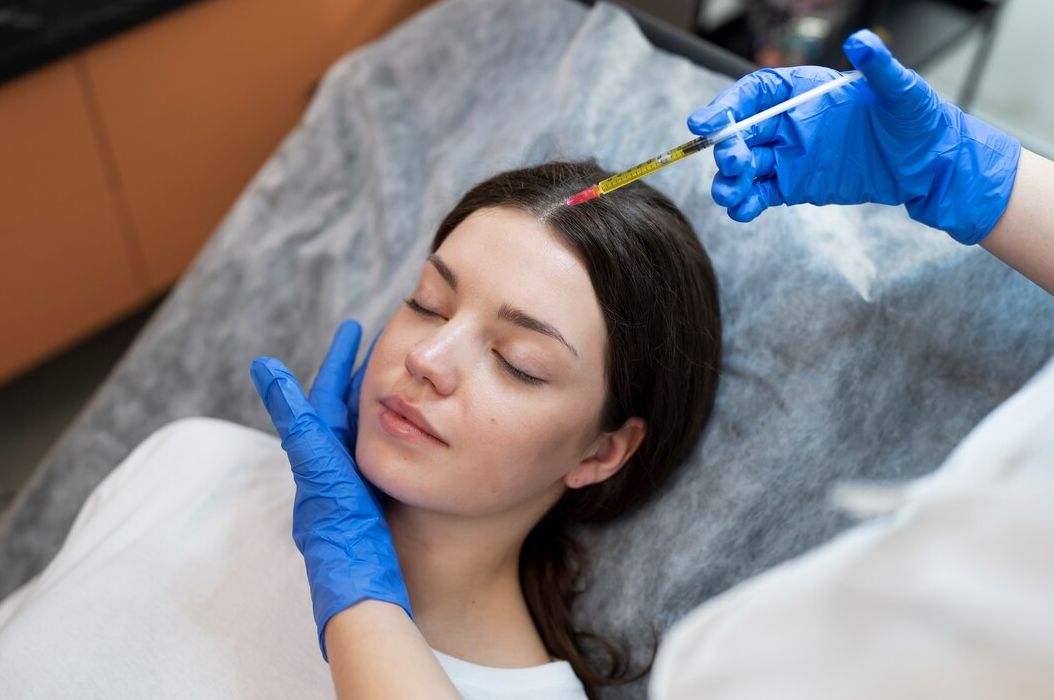
What is PRP? PRP Treatment and Results
PRP ( Platelet Rich Plasma ) is a natural rejuvenation treatment that involves injecting platelet-rich plasma , derived from a person's own blood , into the desired area. It's an effective treatment used for many aesthetic and medical purposes, including skin renewal, hair loss , and under-eye rejuvenation. It lasts 6–12 months. It's a natural, chemical-free method with a low risk of allergies. Prices for 2025 vary depending on the treatment area, procedure duration, and the specific hospital's pricing policy.
What is PRP?
PRP (Platelet-Rich Plasma) is a natural rejuvenation treatment that involves injecting platelet-rich plasma, derived from a person's own blood, back into the body. The goal is to accelerate cell renewal, increase collagen production , and support tissue repair. Therefore, it is used in many areas, including skin rejuvenation and hair loss treatment. Because it does not contain any chemicals, PRP is considered a completely biological and safe method.
How is PRP Performed?
PRP application consists of 3 stages:
A small amount of blood is taken from the patient (approximately 10–20 ml).
This blood is centrifuged using special devices and the platelet-rich plasma is separated.
The resulting plasma is injected into the area to be treated using a needle or dermapen.
The procedure takes approximately 30-40 minutes and is performed comfortably by applying anesthetic cream.
Where is PRP Applied?
PRP treatment can be applied in many different areas:
Facial area ( skin renewal , blemish and wrinkle reduction)
Scalp (preventing hair loss, strengthening hair roots)
Neck and décolleté area
On hands and knees
Joint and tendon areas (PRP for orthopedic purposes)
In this respect, PRP is a common method in both aesthetic and medical treatment fields.
In Which Diseases Is PRP Treatment Applied?
PRP is preferred not only in aesthetics but also in many medical fields:
Muscle and tendon tears
Joint calcification (especially knee joint)
Sports injuries
Hair loss treatment (androgenetic alopecia)
Acne and scar treatment
Loss of skin elasticity
In this way, PRP is considered a cell regenerative and healing treatment.
What is PRP used for?
The primary benefit of PRP is to stimulate natural tissue regeneration. It increases collagen production, tightens skin tissue, revitalizes hair follicles, accelerates wound healing, reduces wrinkles, and revitalizes the skin. In other words, PRP activates the body's natural rejuvenation process.
PRP Techniques
The PRP procedure can be applied with different techniques:
Classical injection method: It is applied directly under the skin with a needle.
Dermapen / dermaroller method: Micro channels are opened and the absorption of plasma is increased.
Combined techniques: Methods such as PRP + mesotherapy, PRP + laser can increase the effect.
The application technique is chosen according to the patient's skin type and treatment goals.
In which department and by whom is PRP performed?
PRP treatments should be performed by dermatologists, medical aestheticians, orthopedists, or physical therapists . Each field has its own specific application method. Skin PRP is administered by a dermatologist, while joint PRP is administered by an orthopedist. Therefore, it is crucial to perform PRP under the supervision of a specialist.
Things to Do Before PRP
Things to consider before PRP:
Blood thinning medications (aspirin, vitamin E, etc.) should be stopped.
Alcohol and cigarette consumption should be stopped for 24 hours.
The skin should be clean and free of makeup.
If necessary, a blood test can be done beforehand.
The procedure will be more effective if the preparation process is done correctly.
Things to Consider After PRP
PRP aftercare determines the permanence of results:
The skin should not be touched or washed for the first 24 hours.
Sunlight and solarium should be avoided.
Make-up should not be applied for 1 day.
Drink plenty of water and use a moisturizer.
If necessary, nutritional serums can be used with the recommendation of a physician.
The healing process is usually completed within 2–3 days.
How Long Does PRP Last?
The effects of PRP can last for 6–12 months. This period can be extended with regular sessions. Three to four sessions are generally recommended, administered at 2–3-week intervals. Durability may vary depending on the individual's age, skin type, and lifestyle.
PRP Disadvantages and Risks
Since PRP uses personal blood, there is almost no risk of allergic reactions, but some minor side effects may occur:
Mild redness or bruising
Transient edema
Rare risk of infection
These effects disappear on their own within a few days.
PRP Alternative Methods
As an alternative to PRP, the following procedures can be applied:
Mesotherapy
Laser skin resurfacing
Dermapen (microneedling)
Hyaluronic acid fillers
The effectiveness of these methods may be increased when combined with PRP.
How Long Does PRP Last?
The procedure typically takes 30–40 minutes. It's a painless and comfortable procedure. Patients can return to their daily routine immediately after the procedure.
Who Can Get PRP and Who Cannot Get PRP?
Suitable for: People who want skin renewal, those experiencing hair loss, those with reduced skin elasticity, and those with joint problems.
Those Not Suitable: Those with blood diseases , Pregnant women, Those undergoing cancer treatment, Those taking anticoagulant medication
Where can I get PRP done in Ankara?
Ankara PRP treatment is performed by orthopedics and physical therapy specialists in many private clinics and private hospitals, especially in the Dermatology and Medical Aesthetics unit of Magnet Hospital .
PRP Prices
This varies depending on the device used, application area, and the number of sessions. For Face PRP, Hair PRP, and Joint PRP, a specialist examination is required for exact pricing information.
When is the Pre- and Post-PRP Evaluation Conducted?
The full effects of PRP are usually observed after 2–4 weeks. Before-and-after photo comparisons should be made one month after each session. This is the ideal time for collagen production to kick in.
Frequently Asked Questions
Does PRP hurt?
No, pain is minimal because anesthetic cream is applied.
How many sessions of PRP should be done?
Generally, 3 sessions are sufficient and can be repeated once a year.
Who is PRP suitable for?
It is suitable for individuals over the age of 18 who are in good general health.
How long does PRP last?
The effects of PRP typically last between 6 months and 1 year. However, this duration can vary depending on the individual's age, skin type, lifestyle, and care routine. For lasting results, it's generally recommended to repeat the treatment 2-3 times a year.
Are there any risks to PRP?
Because PRP is performed using plasma from the patient's own blood, the risk of allergy or infection is quite low. However, if administered in unsterile environments or by inexperienced individuals, complications such as bruising, swelling, or infection can occur. Therefore, it should be performed by a specialist in a clinical setting.
How long does 1 session of PRP last?
A PRP session typically lasts 30-45 minutes. This includes drawing blood, centrifuging it, and injecting it into the face or scalp.
Does PRP beautify the face?
PRP increases collagen and elastin production, leaving skin looking brighter, firmer, and more vibrant. It reduces fine lines, tightens pores, and creates an overall rejuvenated appearance.
How many tubes of blood are taken for PRP?
Depending on the area to be treated, one to three tubes of blood are typically collected. One tube is generally sufficient for facial applications, while two to three tubes may be used for hair or multiple-area treatments.
Is PRP injection covered by Social Security?
PRP is not covered by the Social Security Institution (SGK) when used for aesthetic purposes. However, when used for certain health reasons (such as wound healing or orthopedic treatments), it may be partially covered in public hospitals. In private clinics, it is a paid procedure.
Does PRP hurt?
Because a local anesthetic cream is applied to the area before the procedure, pain is minimal. Only a slight stinging or burning sensation may be felt. A few hours of tenderness and mild redness are normal after the procedure.
Are PRP and stem cells the same thing?
They are not the same. PRP uses blood platelets, while stem cell therapy uses the body's own regenerative stem cells. PRP stimulates cell regeneration but does not contain stem cells.
Where is PRP performed?
PRP can be administered in dermatology clinics, medical aesthetic centers, some private hospitals, public hospitals, and university hospitals. The procedure must be performed by certified physicians using sterile and approved products.
