


What is Potassium Used For? Which Foods Contain It?
Potassium is a vital mineral for the body, performing a number of important functions. It has a significant impact on electrolyte balance and cell function. Potassium plays a role in essential biological processes such as nerve conduction, muscle function, and heart rhythm. The body strives to maintain this mineral in balance, but imbalances in potassium levels can lead to serious health problems.
Both potassium deficiency (hypokalemia) and excess (hyperkalemia) can cause health problems. A potassium deficiency can cause symptoms such as muscle weakness, fatigue, and irregular heartbeat, while excess can trigger heart rhythm disturbances, muscle weakness, and even fatal conditions.
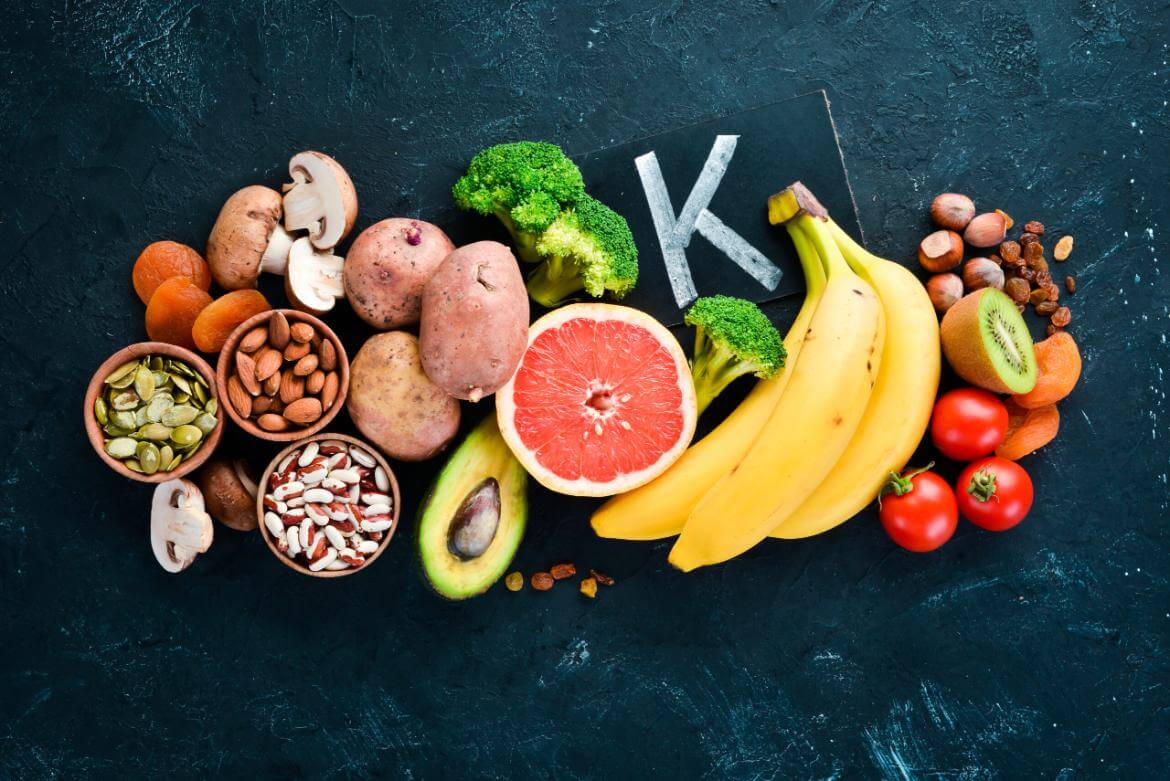
Potassium consumed through food is absorbed from the intestines and processed by the body. The recommended daily intake of potassium for adults is approximately 2-3 grams. This amount is necessary for the body to maintain normal functions. Foods such as green leafy vegetables, fruits, legumes, nuts, and potatoes are rich in potassium.
Potassium intake is crucial for maintaining a healthy lifestyle and maintaining the body's basic functions. However, potassium supplements or supplements should only be taken under the supervision of a doctor, especially if you have kidney problems or are taking medication. A balanced diet and regular medical follow-up may be necessary to regulate potassium levels.
What are the roles and functions of potassium in the body?
Potassium is a vital mineral that performs a number of important functions in the body. Its functions include:
- Fluid and electrolyte balance: Potassium maintains intracellular fluid balance and helps balance electrolytes. This is important for maintaining the proper distribution of water and electrolytes throughout the body.
- Muscle function: Potassium plays an important role in muscle contraction and relaxation. Cardiac and skeletal muscles, in particular, require potassium to maintain normal function.
- Nerve conduction: Potassium is necessary for the transmission of electrical impulses across nerve cells. This ensures the proper functioning of our nervous system.
- Metabolism and energy production: Potassium plays an important role in carbohydrate and protein metabolism. It aids energy production by contributing to glucose storage and is essential for protein synthesis.
- Heart health: Maintaining normal potassium levels has a positive effect on heart rhythm. Proper potassium levels can help your heart beat regularly and healthily.
Potassium is crucial for maintaining overall health and performing basic biological functions. Consuming adequate potassium through a balanced diet is essential for the body to maintain these functions in a healthy manner.
What are the benefits of potassium?
The benefits of potassium are extensive and support bodily health. Some of the key benefits of potassium include:
- Blood pressure regulation: Potassium helps control blood pressure by balancing the effects of sodium. This can reduce the risk of high blood pressure and help prevent cardiovascular disease.
- Reducing the risk of stroke: Consuming potassium-rich foods may reduce the risk of stroke. This has the potential to improve blood flow to the brain by maintaining vascular health.
- Blood sugar regulation: Potassium may increase the effectiveness of insulin, which can help regulate blood sugar. This may have positive consequences for individuals with insulin resistance or diabetes.
- Muscle function and nerve conduction: Potassium helps muscles and nerves function properly. It regulates muscle contractions and nerve conduction by maintaining electrolyte balance in the body.
- Supporting metabolism: Potassium plays a role in carbohydrate and protein metabolism by storing glucose. This supports the regular use of the body's primary energy sources.
- Maintaining bone health: Potassium is effective in maintaining bone density. Long-term, balanced consumption can help strengthen and maintain healthy bones.
Potassium is essential for bodily functions, and a balanced and varied diet is essential for achieving these benefits. If you have any health conditions or are taking any medications, it's important to consult a healthcare professional before using potassium supplements or making any changes.
What level of potassium becomes dangerous?
Normal blood potassium levels should be between 3.5 and 5.0 mEq/L. These values indicate a healthy electrolyte balance in the body. However, in certain circumstances, an abnormal increase or decrease in potassium levels can be dangerous.
Hypokalemia is a condition in which blood potassium levels fall below 3.5 mEq/L. This can cause symptoms such as muscle weakness, muscle cramps, and irregular heartbeat. Hypokalemia can also occur due to factors such as excessive sweating, diarrhea, vomiting, diuretic medications, or certain medical conditions.
Hyperkalemia is a condition in which blood potassium levels exceed 5 mEq/L. High potassium levels can cause heart rhythm disturbances, muscle weakness, fatigue, and even death. Conditions such as kidney disease, increased potassium intake, or kidney dysfunction can cause hyperkalemia.
It is important to maintain potassium levels within the normal range. If a person's potassium levels fall outside of normal ranges, it is important to speak with a healthcare professional and seek advice on appropriate treatment.
Symptoms of high potassium
High potassium levels can have serious consequences on the body. Symptoms may include:
- Weakness and fatigue: A feeling of muscle weakness and a general lack of energy.
- Nausea and vomiting: Stomach discomfort, nausea and vomiting may be one of the symptoms of high potassium.
- Shortness of breath: Difficulty in breathing, difficulty in breathing.
- Chest pain: Symptoms such as discomfort, tightness, and pain in the chest may be observed.
- Heart problems: Symptoms such as irregular heartbeat, rapid or slow heartbeat, and palpitations may occur. This can lead to serious heart problems.
High potassium levels can pose a greater risk, especially in individuals with kidney disease or blood circulation problems. In this case, careful attention should be paid to consuming potassium-rich foods. Potassium-rich foods, such as dried fruits, legumes, potatoes, fish, bananas, spinach, and nuts, should be limited or consumed under medical advice. Individuals should consult a doctor and follow medical advice to manage their potassium levels.
Causes of potassium deficiency
Potassium deficiency refers to a condition where the body's potassium levels are lower than normal. This condition can be caused by many different factors and manifest with a variety of symptoms. Causes of potassium deficiency include:
- Inadequate potassium intake: This can often occur as a result of an unbalanced or inadequate diet. Not consuming enough potassium-containing foods in the diet can lead to this condition.
- Dehydration: Conditions such as diarrhea, vomiting, excessive sweating or the use of diuretic (water pills) can cause excessive dehydration and, as a result, potassium deficiency.
- Kidney problems: The kidneys excrete most of the body's potassium through urine. If you have kidney problems, potassium levels can be affected.
- Intestinal diseases: Conditions such as inflammatory bowel diseases can reduce potassium absorption from the intestines, leading to a deficiency.
- Magnesium deficiency: Magnesium deficiency can also affect potassium levels because the kidneys need magnesium to absorb and regulate potassium.
Potassium deficiency can often be caused by poor nutrition, dehydration, and certain health problems. When symptoms occur, consult a doctor. Additionally, consuming potassium-rich foods or taking potassium supplements can help treat the deficiency. However, it's important to consult a healthcare professional before taking any supplements.
What does potassium deficiency cause?
Potassium deficiency can have a variety of negative effects on the body, causing problems with many different systems. These can include:
- Muscle weakness and cramps: Since potassium helps regulate muscle functions, a deficiency can cause muscles to weaken and muscle cramps to occur.
- Nervous system problems: Potassium is essential for nerve conduction; in case of deficiency, the nervous system may not function properly and neurological symptoms may occur.
- Blood pressure problems: The balance of potassium and sodium affects fluid balance in the body. Potassium deficiency can increase blood pressure.
- Kidney stones: Potassium deficiency can cause calcium to be excreted through urine, which can lead to kidney stones.
- Heart rhythm disorders: Since potassium regulates heart muscle activity, a deficiency can disrupt heart rhythm and lead to serious complications.
- Loss of consciousness: Extremely low potassium levels can cause confusion and even fainting.
- Respiratory problems: Especially in cases of extreme potassium deficiency, breathing difficulties and respiratory problems may occur.
When symptoms of potassium deficiency appear, it's important to consult a doctor and have blood tests performed to rule out the deficiency. A balanced diet and, if necessary, supplements can be helpful to maintain recommended potassium levels. However, it's always best to consult a healthcare professional before taking any supplements or treatment recommendations.
Potassium deficiency symptoms
Potassium deficiency can manifest itself in the body with various symptoms, including:
- Muscle weakness and muscle cramps: Potassium deficiency prevents muscles from functioning normally and can cause muscle weakness, muscle cramps, and even painful muscle spasms.
- Heart rhythm disorders: Potassium is essential for normal heart muscle function. A deficiency can lead to irregular heartbeats, heart rhythm disturbances, and even serious arrhythmias.
- Fatigue and weakness: Potassium deficiency can lower energy levels, leaving a person feeling constantly tired and sluggish.
- Nausea and vomiting: Potassium deficiency can affect the stomach and cause digestive problems such as nausea and vomiting.
- Loss of appetite: Low potassium can lead to a feeling of loss of appetite, which can affect a person's eating habits.
- Sensitivity: Low potassium can affect the nervous system, causing a person to feel irritable, emotionally fluctuating, or restless.
These symptoms may indicate a potassium deficiency, but a definitive diagnosis requires blood tests performed by a healthcare professional. If potassium deficiency is suspected, it's important to consult a doctor and receive appropriate treatment.
How to meet daily potassium needs?
Potassium is an essential mineral that can be easily obtained through a healthy diet. It's important to consume a variety of foods to meet your daily potassium needs. For example:
- Fruits: Fruits such as bananas, oranges, melons, raisins and dried apricots are rich in potassium.
- Vegetables: Vegetables such as spinach, broccoli, potatoes, and pumpkin contain high amounts of potassium.
- Nuts and seeds: Nuts such as almonds, hazelnuts, walnuts, peanuts, and seeds such as sesame and sunflower seeds are also sources of potassium.
- Legumes: Legumes such as lentils and beans also contain potassium.
- Fish and meat: Protein sources such as salmon and chicken also contain potassium.
A daily potassium intake of 400-800 mg is recommended for a healthy adult. However, this amount can vary depending on factors such as age, gender, and physical activity level. Generally, a balanced diet that includes a variety of fruits, vegetables, legumes, and healthy protein sources is sufficient to meet potassium needs.
Potassium requirements, especially in infants and children, can vary by age. Babies' potassium needs can be met through breast milk and complementary foods. It's important to consult a healthcare professional before taking potassium supplements, as excessive potassium intake can lead to certain health problems.
Is it healthy to take potassium supplements?
It's important to exercise caution and seek medical advice when taking potassium supplements. Potassium supplements should generally be used under the supervision or on the recommendation of a physician. It's generally recommended to meet your daily potassium needs from natural foods. Excessive potassium intake can lead to health problems, especially if you have kidney problems or other medical conditions.
If a person is experiencing symptoms of potassium deficiency and their doctor has confirmed this, then potassium supplements may be considered. However, potassium supplements can cause serious health problems if taken inadvertently or in excess of the recommended dose. Therefore, as with any supplement or medication, it is important to consult a healthcare professional regarding potassium supplements and follow their recommendations.
Is potassium high in babies?
High potassium levels in infants are rare. High potassium levels in infants are often associated with specific medical conditions, such as kidney problems or other urinary tract conditions. High potassium levels in infants can occur as a result of these conditions.
However, these conditions are generally rare and can have serious effects on a baby's health and symptoms. Whenever any potassium imbalance or health issue is suspected in an infant, it's important to consult a pediatrician. A specialist can assess the baby's health and prescribe appropriate treatment if necessary.
What should be considered in a potassium-restricted diet?
On a potassium-restricted diet, it's important to avoid certain foods and food groups. Here are some things to keep in mind when following a potassium-restricted diet:
- Green leafy vegetables and salads: Green leafy vegetables such as spinach and chard and salads are rich in potassium, so such foods should be avoided.
- Potatoes and legumes: Potatoes and legumes also contain high potassium, so consumption of these foods should be limited.
- Low-potassium vegetables: It's important to choose vegetables that are low in potassium. These can be pre-cooked and drained. High-potassium ingredients like tomato paste should be avoided.
- Dried fruit and bananas: Dried fruit and bananas should be avoided because they are rich in potassium. Fruits can be consumed in limited amounts, peeled and eaten whole.
- Cocoa and coffee: Cocoa and coffee also contain potassium, so these drinks should be avoided.
- Offal and deli meats: Offal and deli meats are also rich in potassium, so these types of foods should be avoided.
- Grains and baked goods: Bulgur and whole grain products can be high in potassium. Instead, opt for products made with rice and white flour.
In any case, if individuals need to restrict their potassium intake, it's important to seek guidance from a nutritionist. Working with a nutritionist or dietitian to create personalized diet plans and provide advice on healthy eating can be helpful.
