


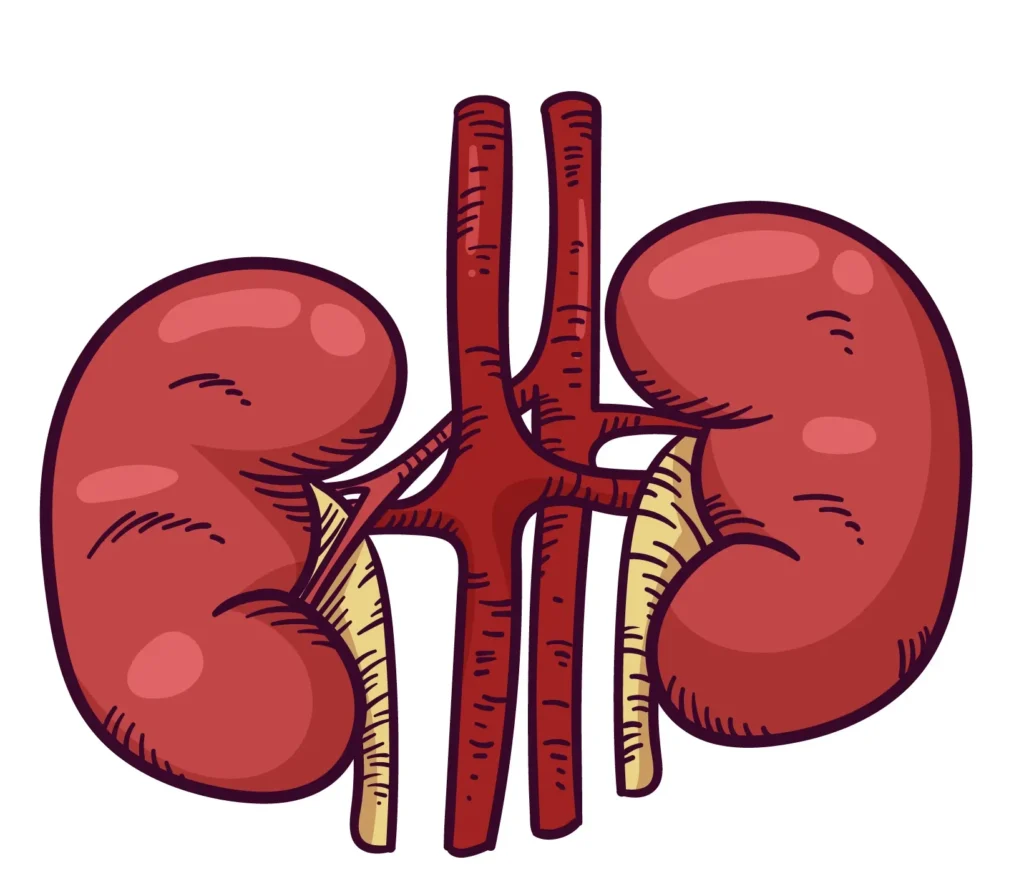
What is Polycystic Kidney Disease?
Polycystic kidney disease (PKD) is a genetically based health problem that causes fluid-filled cysts to form in the kidneys. These cysts grow over time and interfere with the kidneys' normal functioning. There are two types: autosomal dominant polycystic kidney disease (ADPKD) and autosomal recessive polycystic kidney disease (ARPKD). These diseases, due to genetic mutations, cause fluid-filled cysts to form in place of healthy kidney tissue, negatively impacting kidney function.
Causes of Polycystic Kidney Disease
Since polycystic kidney disease is a genetic disease, having a similar condition in the family increases the risk of developing the disease.
Autosomal dominant polycystic kidney disease is the most common type. Affected individuals typically inherit this genetic mutation from a parent. ADPKD typically presents with no symptoms in childhood or adolescence, but typically develops in adulthood. In this condition, cysts grow in the kidneys over time and can impair kidney function, leading to kidney failure.
Autosomal recessive polycystic kidney disease, a rarer form, occurs in individuals who carry the mutation from both parents and usually manifests from birth. This disease appears much earlier than the autosomal dominant form and can progress more rapidly. Patients with ERPD are often at risk of kidney failure within the first year of life.
Symptoms of Polycystic Kidney Disease
Polycystic kidney disease may not initially cause obvious symptoms, but as the disease progresses, various symptoms can appear. Symptoms include high blood pressure, abdominal swelling, lower back pain, bloody urine, urinary tract infections, and impaired kidney function.
- High Blood Pressure: As kidney function decreases, the mechanisms that regulate blood pressure are affected and high blood pressure (hypertension) develops.
- Swelling in the abdominal area : As the cysts grow, the kidneys enlarge and an uncomfortable feeling of swelling in the abdominal area may occur.
- Lower back pain : As the cysts grow, pressure increases on the tissues around the kidneys, which can cause pain.
- Bloody urine : Cysts can affect the blood vessels in the kidneys, which can lead to blood in the urine.
- Urinary tract infections : The risk of infection increases in areas where cysts form.
- Deterioration of kidney function : As the disease progresses, the filtration capacity of the kidneys decreases and kidney failure may develop.
In some cases, patients may not feel any symptoms of high blood pressure and cysts, so regular doctor check-ups are of great importance.
Polycystic Kidney Disease Treatment
Polycystic kidney disease is a condition suspected based on the patient's genetic history, symptoms, and physical examination. Ultrasound, computed tomography (CT), magnetic resonance imaging (MRI), and genetic testing are used to confirm the diagnosis.
- Ultrasound : It is a widely used imaging method for the detection of cysts in the kidneys .
- Computed Tomography (CT) : With this method, cysts can be made more visible and a more detailed examination can be made.
- Magnetic Resonance Imaging (MRI) : This is another test that shows the structure of the kidneys in more detail.
- Genetic testing : If there is a history of this disease in the patient's family, the risk status for the disease can be determined through genetic testing.
There is no cure for polycystic kidney disease, but the progression of the disease can be slowed and symptoms can be managed.
High blood pressure is a common complication of this disease. Blood pressure can be controlled with medications, dietary changes, and lifestyle changes. Monitoring kidney function provides information about the disease's progression and allows for early intervention. As cysts grow, pain in the kidneys can occur, and the disease can be managed with painkillers and certain medications. Another effect in the advanced stages is that it can lead to kidney failure. In this case, kidney transplantation is one of the most effective treatment options. Surgery is used to treat large cysts.
Polycystic kidney disease is a genetic disorder that can seriously affect kidney function over time. Early diagnosis and treatment can slow the progression of the disease and improve a person's quality of life. It is crucial for individuals with polycystic kidney disease to attend regular checkups, make lifestyle changes, and closely monitor their treatment progress. With its expert physicians and state-of-the-art medical equipment, Özel Magnet Hospital provides you with the best possible treatment experience. If you are looking for a reliable healthcare center to address your health concerns, please contact us today .
