


What is Plantain? What are the Benefits of Plantain?
Plantain
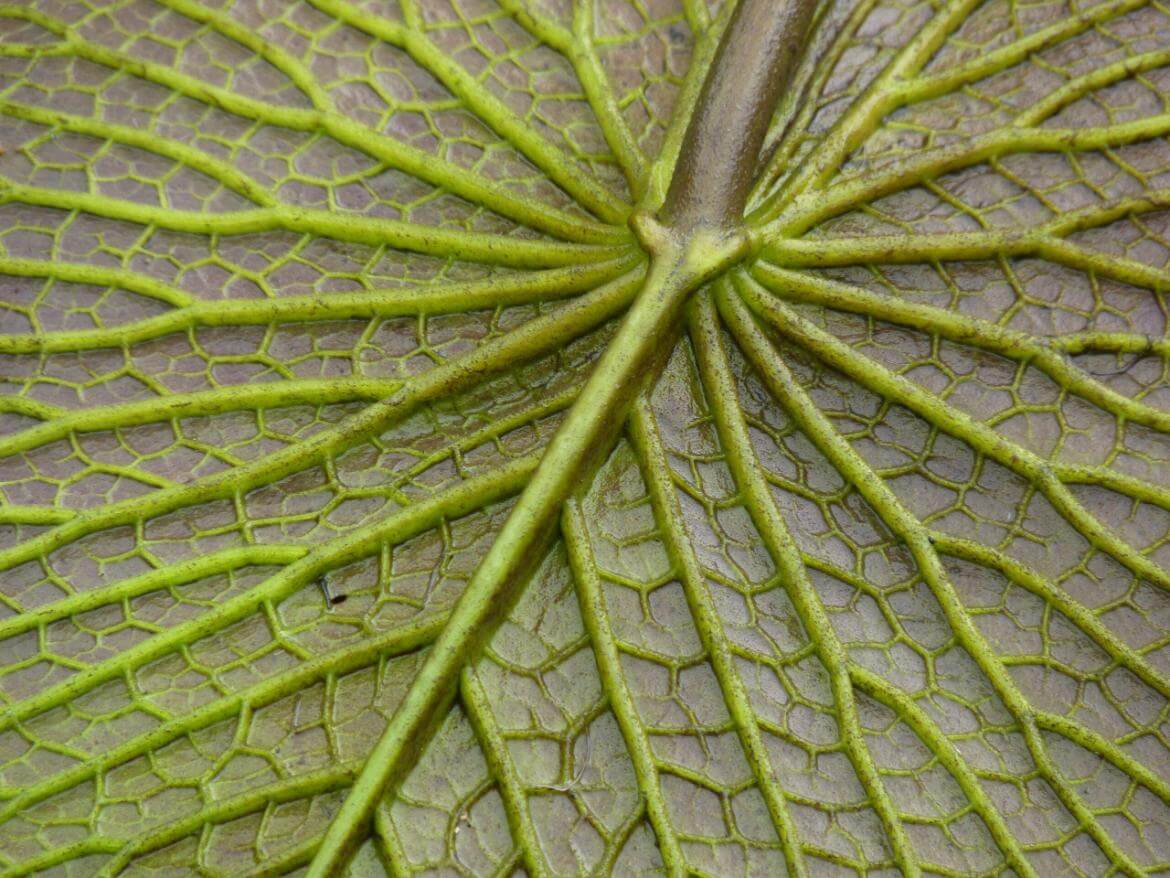
It is a plant known for its health benefits, as well as its culinary uses, from past to present. Known as "plantain herb" in Turkish, this plant is known as "Plantago Major" in Latin, meaning "large-leaved." Growing in a rosette shape, the plant is notable for its broad, oval leaves with prominent parallel veins. The plant produces small, inconspicuous flowers that form delicate flower spikes. The leaves, in particular, have been frequently used in traditional herbal remedies for their anti-inflammatory and astringent properties.
Plantain has been used for years to soothe and treat conditions such as insect bites, stings, and skin irritations. However, it is important to consult a qualified healthcare professional regarding its medicinal use.
What are the benefits of Plantain?
It's known as a plant that offers a number of health benefits. Here's a summary of its potential health benefits:
- Anti-inflammatory properties: Plantain has anti-inflammatory properties that are effective at reducing inflammation in the body. This can help soothe skin irritations and help treat conditions associated with inflammation.
- Wound healing: The mild astringent properties of plantain may promote wound healing. Topical application of the leaves has been used historically to relieve discomfort associated with minor cuts, scrapes, and insect bites.
- Respiratory support: Traditionally used for respiratory problems, the plant's components can help relieve respiratory problems, offering herbal remedies for conditions like cough and bronchitis.
- Rich in bioactive compounds: Plantain contains bioactive compounds such as iridoids, flavonoids, and tannins. These compounds contribute to the plant's medicinal properties and may protect cells from oxidative stress through antioxidant effects.
- Digestive health: Plantain is prominent in some herbal traditions, where it is thought to have a mild laxative effect and support healthy digestion. Therefore, it has been used in traditional medicine for its potential to support digestive health.
How to Use Plantain?
It has a variety of uses for its potential health benefits.
- Topical application for skin irritations: Fresh leaves of the herb are available from herbalists or can be harvested directly. You can crush the leaves to extract the extract and then apply the crushed leaves directly to affected areas of skin, such as insect bites, stings, or minor cuts. If necessary, you can secure the leaves with a bandage.
- Making herbal tea: You can start by drying plantain leaves. Prepare an herbal tea by steeping the dried leaves in hot water for 10-15 minutes. You can strain the tea and drink it to reap the potential respiratory and digestive benefits.
- Ointments and balms: You can make a homemade ointment or balm by infusing the plant's leaves in a carrier oil (for example, olive oil or coconut oil).
- Adding to dishes: You can add fresh leaves to salads or use them as leafy greens in various dishes. It's important to ensure the leaves are harvested from areas free of pesticides or contaminants.
What are the Harms of Plantain?
While it is generally considered safe for most people when used in moderate amounts, it is important to be aware of some potential risks. These include:
- Allergic reactions: Some individuals may experience allergic reactions to plantain. A patch test is recommended before use, especially if you have extensive plant allergies.
- Skin irritation: In rare cases, topical application of the herb may cause skin irritation or an allergic skin reaction. If symptoms such as rash or itching occur during use, it is important to discontinue use.
- Pregnancy and breastfeeding: Although there is limited information regarding the use of plantain during pregnancy and breastfeeding, it is recommended to consult a healthcare professional before use during these periods.
- Digestive upset: In some individuals, consuming plantain may cause mild digestive upset or laxative effects. It may be helpful to start with small amounts and monitor your body's response before increasing use.
- Drug interactions: If you are taking medications, especially blood thinners or medications for diabetes, it's important to consult a healthcare professional before using the herb, as plantain may interact with some medications.
- Contamination: When wild-harvesting plantain, it is important to ensure that areas are free of pesticides, herbicides, or other contaminants, as such contaminants can be harmful with oral or topical application.
As with any herbal remedy, it's important to exercise caution when using the herb, especially if you have underlying health conditions or are taking medication. If you experience any adverse effects, discontinue use and seek medical attention.
How Much Plantain Tea Should Be Consumed Per Day?
Consumption may vary depending on a person's health, goals, and method of use. However, scientific studies generally recommend no more than three to four cups of the herb's tea per day. Considering the individual's health and other factors, it's always best to consult a professional.
Nutritional Values of Plantain
It's a nutrient-rich plant, and the various nutrients it contains can provide numerous health benefits. However, these nutritional values can vary depending on factors such as soil conditions, climate, and growing methods. The plant's general nutritional content:
- Vitamins: Contains vitamin A, vitamin C, and various B vitamins. These vitamins may have positive effects on overall health, the immune system, and skin integrity.
- Minerals: This plant is rich in essential minerals like calcium, magnesium, potassium, and iron. These minerals play an important role in bone health, muscle function, electrolyte balance, and blood oxygen transport.
- Fiber: This plant is rich in fiber, which is important for digestive health. Fiber promotes regular bowel movements, prevents constipation, and supports the health of the gut microbiota.
- Bioactive compounds: Plantain contains bioactive compounds such as iridoids, flavonoids, and tannins. These compounds may contribute to the herb's anti-inflammatory and antioxidant properties.
- Proteins: While plantain isn't a high source of protein, it does contain some protein, which can contribute to your overall nutritional profile.
If you're considering adding plantain to your diet for nutritional purposes, it's important to consult a healthcare professional or nutritionist to consider your individual health needs. It's also important to learn about potential side effects and interactions before using this herb.
Does Plantain Reduce Inflammation?
Plantain is one of the herbs believed to have anti-inflammatory properties in traditional medicine. However, there is no clear evidence that scientific research confirms this herb's anti-inflammatory effects.
The bioactive compounds contained in the plant, particularly iridoids and flavonoids, may have antioxidant properties and therefore have positive effects on inflammatory processes. However, further scientific research is needed on this topic.
If you have a health condition related to inflammation or are considering using plantain as an anti-inflammatory, it's important to speak with a healthcare professional. The use of herbal supplements should be carefully evaluated, especially if they may interact with certain health conditions or other medications.
Does Plantain Help You Lose Weight?
The plant is believed to aid weight loss in some traditional medicine practices. However, there is no scientific evidence for this, and little research has been conducted on its effects on weight loss.
Due to its fiber content, low calorie content, and potential antioxidant properties, it may be considered a weight management plant by some. However, lifestyle factors like a healthy diet and regular exercise still play a key role in weight loss.
If you're considering using plantain for weight loss, it's important to consult a healthcare professional or nutritionist. The effects of herbal supplements can vary from person to person, and it's important to be aware of potential side effects or interactions. Additionally, adopting a balanced diet and an active lifestyle can often be a more effective approach than reaching weight loss goals with herbal supplements alone.
