


What is Peripheral Artery Disease?
Peripheral artery disease is a condition caused by narrowing or blockage of arteries in the outer parts of the body, resulting in reduced or interrupted blood flow. This disease usually occurs in the legs, but can sometimes occur in the arms.
Peripheral artery disease is usually caused by a disease known as atherosclerosis. Atherosclerosis is a condition caused by the buildup of fat and other substances on artery walls. These deposits can thicken and narrow the artery walls, blocking or reducing blood flow. This condition can develop due to many risk factors. For example, factors such as high blood pressure, high cholesterol, obesity, smoking, diabetes, stress, and a sedentary lifestyle can increase the risk of developing peripheral artery disease.
What are the symptoms of peripheral vascular disease?
The symptoms of peripheral vascular disease can vary depending on the severity of the disease and the size of the area where blood flow is interrupted. However, in general, the symptoms of peripheral vascular disease include:
- Pain: You may experience pain or cramping in your legs while walking or exercising. This pain typically extends from your hips to your feet. Resting will relieve the pain.
- Fatigue: A feeling of tiredness or weakness in the legs may occur when walking or exercising.
- Coldness: Legs may feel cold or skin color may change.
- Loss of sensation: Numbness or loss of feeling in the legs may occur.
- Delay in healing of wounds: Wounds on the legs may take longer to heal.
- Changes in toenails: Toenails may become thick or change shape.
What Causes Peripheral Artery Disease?
Peripheral artery disease usually occurs as a result of atherosclerosis caused by plaques that form in the artery walls over the years due to factors such as smoking, cholesterol, etc. Other factors that cause peripheral artery disease are;
- Smoking: Smoking increases plaque buildup in the arteries and can narrow the vessels, causing peripheral artery disease.
- Diabetes: Diabetes can affect the arteries and cause peripheral artery disease due to uncontrolled blood sugar levels.
- Hypertension: High blood pressure can weaken the arteries, leading to peripheral artery disease.
- High cholesterol: High cholesterol levels can lead to plaque buildup in the arteries and peripheral artery disease.
- Physical inactivity: Physical inactivity weakens arteries and increases plaque buildup, which can lead to peripheral artery disease.
- Aging: As we age, arteries harden and narrow, which can lead to peripheral artery disease.
- Familial predisposition: People with a family history of peripheral artery disease have a higher risk of developing the disease.
Peripheral artery disease is often caused by a combination of factors. Early diagnosis and treatment are important to stop or slow the progression of the disease. Healthy lifestyle changes, exercise, and medications can help manage peripheral artery disease.
Who is at Risk for Peripheral Artery Disease?
- Age: Aging is a significant risk factor for PAD. In older people, artery walls can stiffen and narrow.
- Smoking: Smoking is one of the most significant risk factors for PAD. It accelerates the buildup of fatty deposits in the arteries, causing them to narrow.
- Diabetes: Diabetes is a risk factor for PAD. It can damage artery walls and contribute to the development of atherosclerosis.
- Hypertension: High blood pressure is a risk factor for PAD. High blood pressure can damage artery walls, accelerating the development of atherosclerosis.
- High cholesterol: High cholesterol is a risk factor for PAD. High cholesterol can cause fatty deposits to build up in the arteries, causing narrowing of the artery walls.
- Family history: Individuals with a family history of PAH are at increased risk of developing PAH.
- Obesity : Obesity is a risk factor for PAD. Obesity can accelerate the development of atherosclerosis by damaging artery walls.
- Sedentary lifestyle: Lack of physical activity is a risk factor for PAD. Individuals who do not exercise regularly are at increased risk of developing PAD.
Diagnosis of Peripheral Artery Disease
Diagnosing peripheral arterial disease (PAD) is based on a combination of symptoms, medical history, physical examination, and diagnostic tests. To diagnose PAD, your doctor may follow these steps:
- Medical history: Your doctor will review your PAH symptoms, family history, risk factors, and other medical conditions.
- Physical exam: Your doctor will perform a physical exam, checking your leg pulses and looking for signs of narrowing or blockage in your arteries. He or she will also look for leg pain, difficulty walking, or foot ulcers or infections.
- Non-invasive tests: Non-invasive tests are diagnostic tests used to diagnose PAH and are preferred because they are less invasive. These may include:
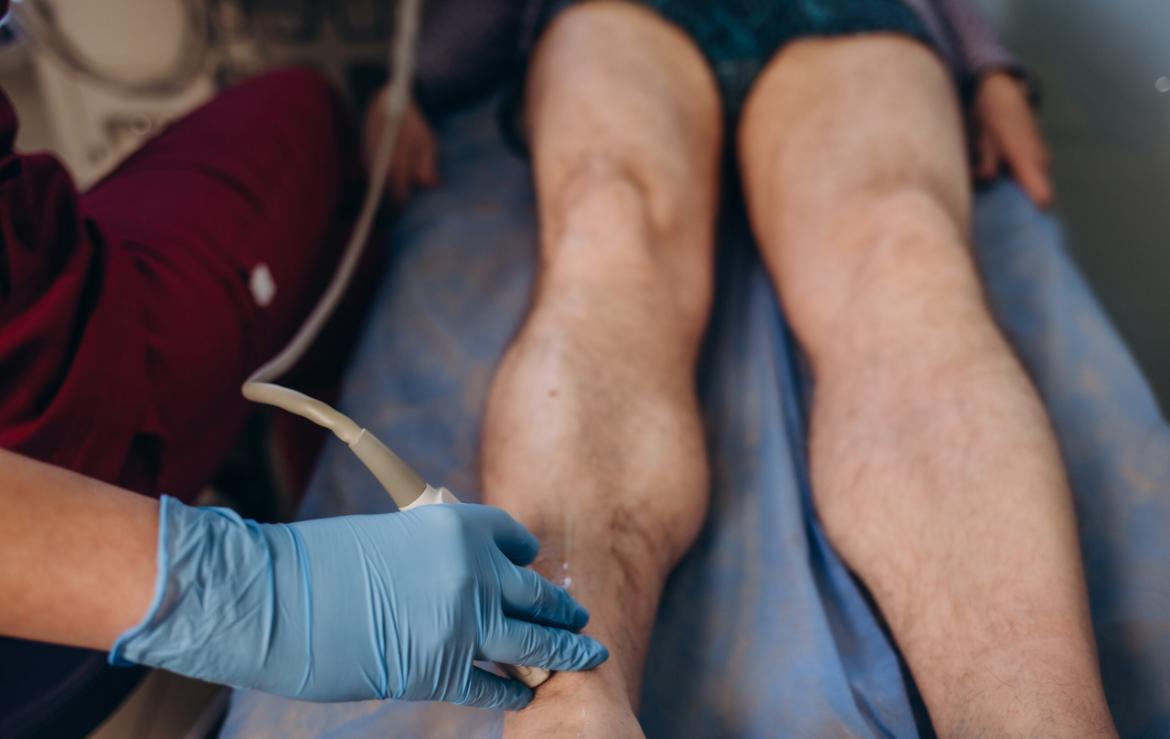
- Doppler ultrasound: A Doppler ultrasound is a test that measures blood flow in the arteries. This test can show signs of narrowing or blockage of the arteries in the legs.
- Ankle-brachial index (ABI): The ABI is a test that shows signs of narrowing or blockage of the arteries in the legs. This test compares arm and leg pressures.
- Transcutaneous oxygen measurement (TcPO2): TcPO2 is a test that measures tissue oxygenation in the legs. This test indicates decreased tissue oxygenation due to narrowing or blockage of the arteries.
- Invasive tests: Invasive tests are other diagnostic tests used to diagnose PAH. These may include:
- Angiogram : An angiogram is an X-ray test that uses contrast material to show narrowing or blockages in arteries.
- Arteriography : An arteriography is an X-ray test that shows narrowings or blockages in the arteries. This test is done by inserting a catheter into the arteries.
The tests used to diagnose PAH vary depending on the severity of the disease and the patient's condition. Once a diagnosis is made, your doctor will develop a PAH treatment plan.
What is the Treatment for Peripheral Artery Disease?
Treatment for peripheral arterial disease (PAD) varies depending on the severity of the disease and its symptoms. Treatment options may include lifestyle changes, medication, surgery, or intervention. Here are some methods used to treat PAD:
- Lifestyle changes: It's important to make lifestyle changes to control risk factors for PAD, such as smoking, high blood pressure, high cholesterol, obesity, and diabetes. A healthy diet, exercise, and quitting smoking can improve PAD symptoms.
- Medication: Medications are used to reduce symptoms of PAH and slow the progression of the disease. These may include drugs that dilate blood vessels and increase blood flow (nitrate derivatives, calcium channel blockers), drugs that prevent blood clots (aspirin, clopidogrel, warfarin), cholesterol-lowering drugs, and pain-relieving drugs (acetaminophen).
- Angioplasty: Angioplasty is a procedure used to clear blockages in narrowed arteries. In this procedure, a catheter is inserted into the artery and a balloon is inflated, causing the artery to widen. A stent is then placed, which keeps the artery open.
- Surgery: Surgery is used to remove blockages or narrowings in arteries. This can involve many different procedures to remove the blockage or create a bypass.
Treatment for PAH can vary depending on the patient's symptoms and disease progression. Therefore, the most appropriate treatment method for each patient should be determined by the doctor based on their condition and symptoms.
Surgical Options for Peripheral Artery Disease
Endarterectomy : An endarterectomy is used to remove plaque and calcium deposits from the artery wall. During this procedure, an incision is made inside the artery and the plaque is removed. The artery wall is then repaired and the incision is closed.
Bypass surgery: Bypass surgery is used to create a new blood vessel next to a narrowed or blocked artery. The donor vessel is usually an artery in the leg or arm, or an artificial vein. This new vessel bypasses the blocked area, allowing proper blood flow.
Angioplasty and stenting : Angioplasty and stenting is a procedure used to open narrowed arteries and keep them open. During this procedure, a catheter is inserted into the artery and a balloon is inflated, causing the artery to widen. A stent is then placed, which keeps the artery open.
Thrombectomy: A thrombectomy is used to remove blood clots. During this procedure, a catheter is inserted into an artery and advanced to reach the clot. The clot is removed, and a stent is placed, if necessary, to keep the artery open.
Surgery is generally reserved for cases where other treatments, such as medications and lifestyle changes, have proven ineffective or when the disease has progressed. Therefore, before considering surgery, an assessment should be made based on the patient's condition and symptoms, and the appropriate treatment method should be determined. Furthermore, regular follow-up and treatment after surgery are crucial.
Most Frequently Asked Questions
What happens if peripheral artery disease is left untreated?
If left untreated, peripheral arterial disease (PAD) can lead to serious complications and negatively impact health. Progressive peripheral arterial disease can lead to the following problems:
- Intermittent claudication (temporary leg pain): PAD can manifest as pain, fatigue, or weakness in the legs due to narrowing or blockage of the arteries in the legs. These symptoms typically occur during walking or exercise and are relieved by rest. However, as the disease progresses, the pain can become more frequent and severe, even occurring at rest.
- Foot ulcers and sores: As PAD progresses, the legs lose adequate blood flow, preventing the tissues from receiving adequate oxygen and nutrients. This can lead to foot ulcers or sores. If these sores don't heal, the risk of infection increases and amputation may be necessary.
- Vascular occlusion: Progressive PAH can lead to further blockages in the arteries. This can further reduce circulation in the legs or other affected areas and lead to serious complications.
- Risk of stroke or heart attack: Peripheral artery disease can cause blockages in arteries in other areas, such as the brain or heart, similar to blockages in the coronary arteries. This increases the risk of serious events such as stroke or heart attack.
Untreated peripheral artery disease can seriously impact quality of life and lead to permanent damage. Therefore, once PAD is diagnosed, it's important to prevent or slow the progression of the disease with appropriate treatment and lifestyle changes. Treatment options may include lifestyle changes, medication, endovascular procedures (e.g., balloon angioplasty, stent placement), and, in some cases, surgery. The treatment plan is determined by the patient's condition, symptoms, and other health factors.
What is good for peripheral artery disease?
There are several different approaches to treating peripheral arterial disease (PAD). Some treatments used to improve PAD and relieve symptoms include:
- Adopting a healthy lifestyle can slow the progression of PAD and relieve symptoms. These include quitting smoking, exercising regularly, following a healthy eating plan, managing weight, and managing stress.
- Medications used to treat PAH are used to relieve symptoms, increase blood flow, and reduce blockages. These medications can be used to widen blood vessels, reduce blood clots, and control pain. Medication must be prescribed by a cardiologist or vascular surgeon.
- In cases of peripheral arterial disease, endovascular procedures can be used to unblock arteries or widen narrowed areas. In balloon angioplasty, a catheter is inserted into the blocked area, and the balloon attached to the catheter is inflated to open the blockage. Stent placement, on the other hand, allows a metal tube (stent) to be placed in the narrowed area, keeping the artery open.
- In some cases, if PAH progresses or symptoms are severe, surgery may be necessary. This may include bypass surgery to repair arteries or bypass blocked areas.
